Ōminesan-ji, Buddhist temple at Mount Ōmine peak, Yoshino County, Japan
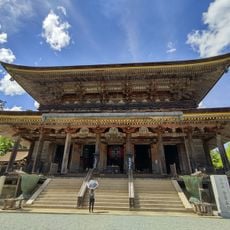
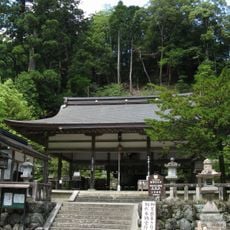
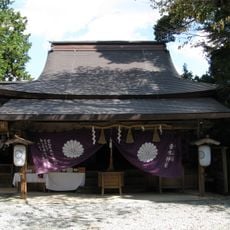
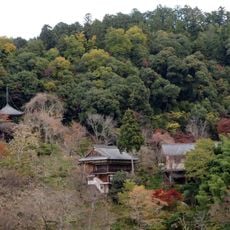
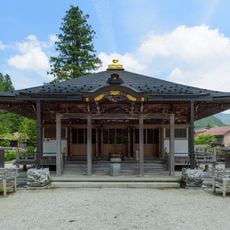
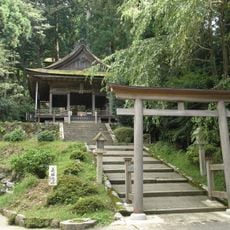
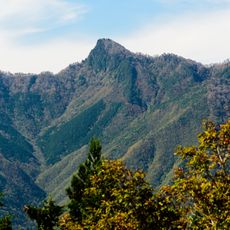
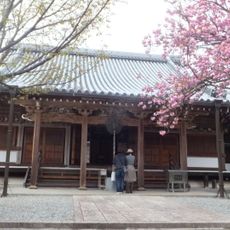
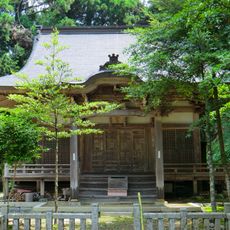
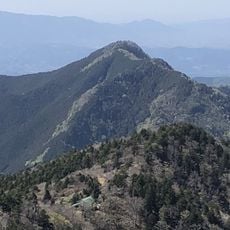
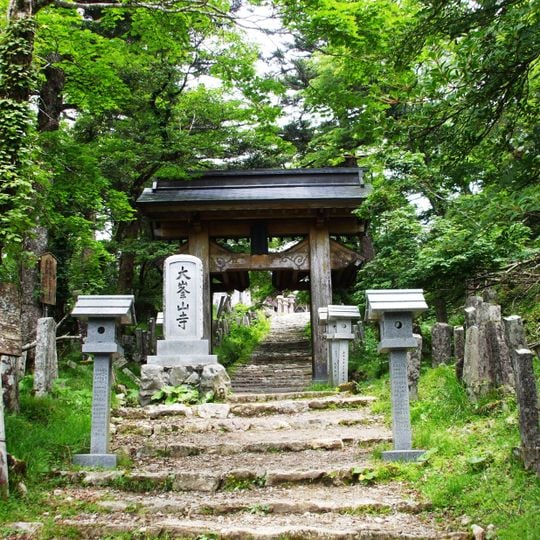
Ōminesan-ji is a Shugendō temple whose main hall, the Yamagami no Zaō-dō, stands near the 1,719.2 m summit of Sanjōgatake. The hall is a hipped-gabled wooden building of about 23 by 19 metres and 13 metres high, roofed in copper tiles and copper sheet, rebuilt in 1691 with its outer sanctuary expanded by 1706. A stone stairway with a wooden gateway and a marker inscribed 大峯山寺 leads up to it.
The temple was founded at the end of the 7th century by En no Gyōja and underwent major renovation during the Tenpyō era. A complete reconstruction took place in 1691, establishing the structure visitors see today.
The mountain's name is written on a stone marker at the foot of the steps, and the temple is called Yamagami no Zaō-dō, the Zaō hall on the mountain, while Kinpusen-ji below is Sange no Zaō-dō. Five keeeping temples, the Gojiin, take turns maintaining the hall and run lodgings for male pilgrims from May 3 to September 21. The 80-kilometer Ōmine Okugake trail from Yoshino to Kumano Hongū Taisha joins the approach at Dorotsuji teahouse.
Access requires a four-hour hike from Dorogawa village, with the main visiting season from May through September when mountain conditions are most favorable. Proper hiking gear and preparation are essential for the demanding mountain approach.
The temple maintains a centuries-old tradition of male-only access, a practice rooted in Shugendō religious beliefs about spiritual discipline on sacred mountains. This restriction has shaped the place's identity and sets it apart from other religious sites.
The community of curious travelers
AroundUs brings together thousands of curated places, local tips, and hidden gems, enriched daily by 94,072 contributors worldwide.