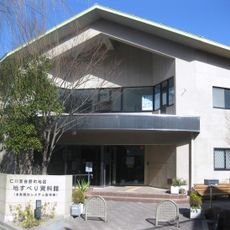
Mefu Jinja, Shinto shrine in Takarazuka, Japan
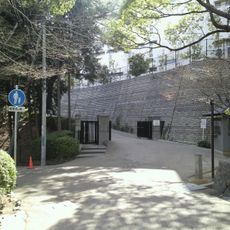
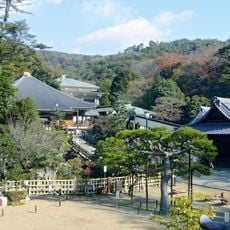
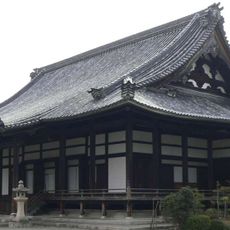
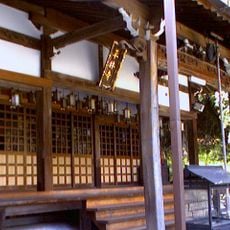
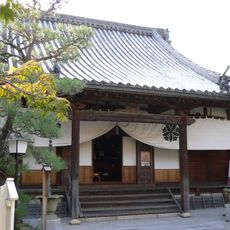
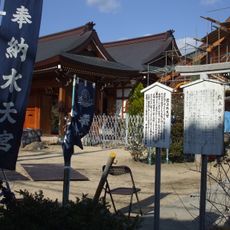
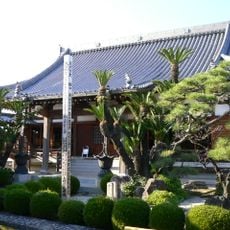
Mefu Jinja is a Shinto shrine in Takarazuka constructed in the nagare-zukuri style, a classical Japanese architectural form featuring sloped roofs and flowing lines. The complex comprises traditional wooden structures positioned in a quiet setting that reflects the typical layout of a local place of worship.
Founded in 610 according to shrine tradition, Mefu Jinja appears in the 10th-century Engishiki as a minor shrine. The area was a base of the Mononobe clan, and the original deity was likely Ōmefu no Muraji, ancestor of the Wakayue no Muraji. In 1736 the scholar Namikawa Seisho identified it with the Engishiki shrine, and it was renamed Mefu Jinja; in 1873 it became a village shrine.
The shrine's name is tied to a legend: Shitateruhime taught starving villagers to plant rice, spin hemp and weave cloth, and the place name Mefu is said to derive from Metani. The main festival on 18 and 19 October is a danjiri matsuri co-hosted with Yasaka Shrine, when two wheeled danjiri floats from Maitani-east and Maitani-west enter the grounds.
Entry is free and the shrine is normally open to visitors during daylight hours without requiring advance notice. It is respectful to wear modest clothing and observe local customs, particularly if any ceremonies are taking place.
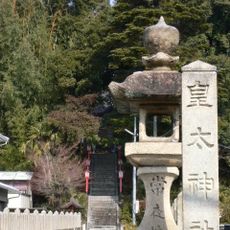
The shrine grounds cover 13,000 m² and include a grove designated a Takarazuka City Natural Monument in 1976. A stone marker erected in 1736, when the shrine was identified as the Engishiki-listed Mefu Shrine, is a city-designated cultural property, kept with two documents.
The community of curious travelers
AroundUs brings together thousands of curated places, local tips, and hidden gems, enriched daily by 94,357 contributors worldwide.