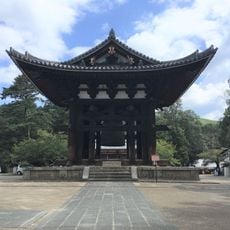
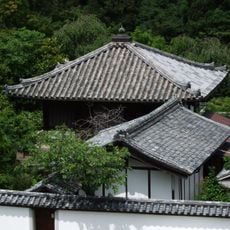
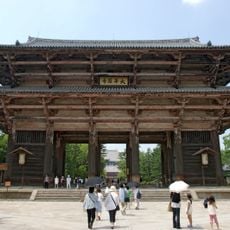
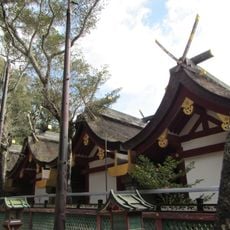
Mount Wakakusa, Mountain summit in Nara Park, Japan.
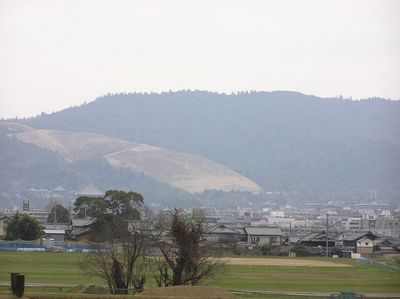
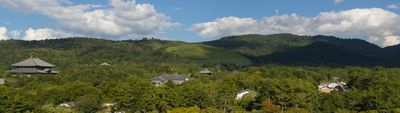
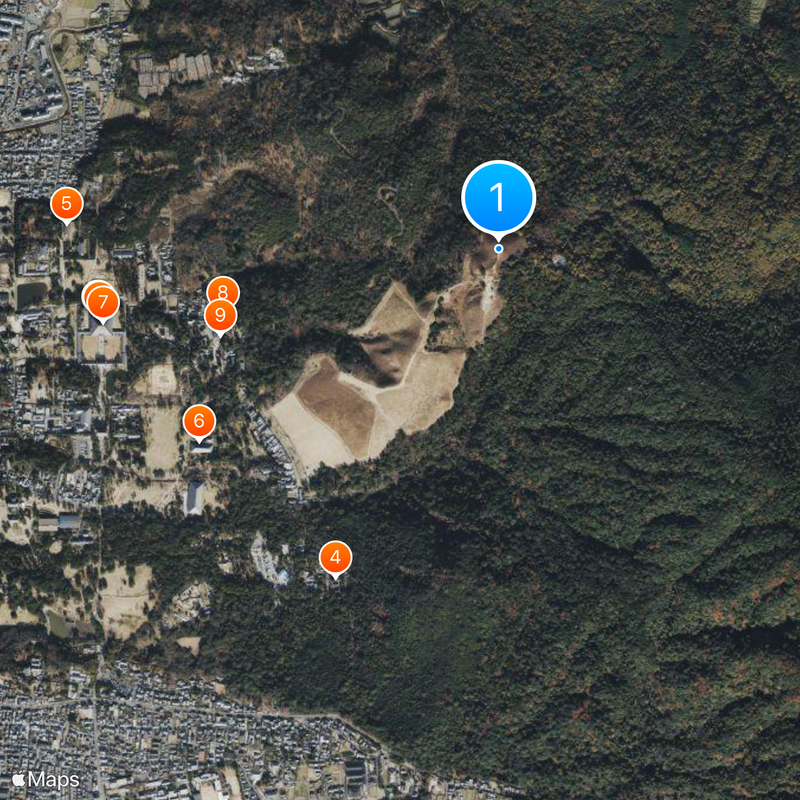
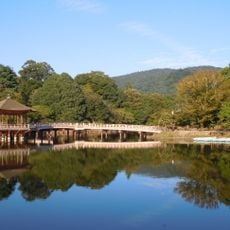
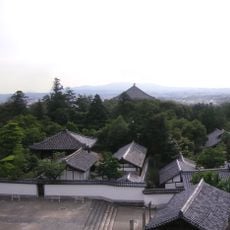
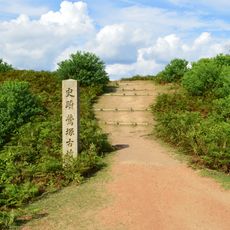
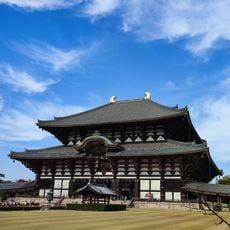
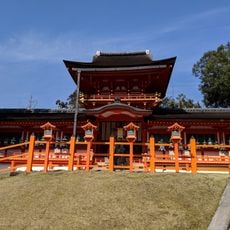
Mount Wakakusa rises 342 meters (1,120 feet) above Nara, located in the eastern section of Nara Park between Todaiji Temple and Kasuga Shrine. The slopes are covered in grass, and the summit offers views across the city and surrounding temple complexes.
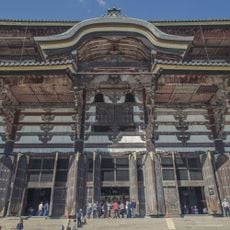
The 1760 blaze during a boundary dispute between Tōdai-ji and Kōfuku-ji is one origin story, but records kept by both temples until the Meiji era do not mention it. A stronger explanation: Edo-period locals set fires to appease the spirit of the Uguisuzuka Kofun at the summit, and a superstition that misfortune followed any January without burning led to repeated fires. In 1738 the Nara magistrate banned unauthorized burning; by the late Edo period the temples and magistrate oversaw the burning together. It became a formal event in the Meiji era and moved to nighttime in the late Meiji period.
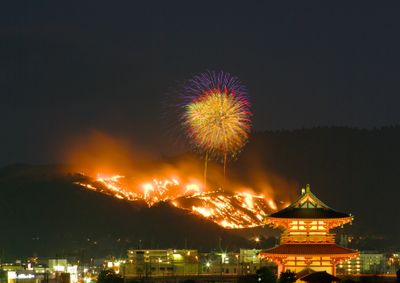
The name Wakakusa means "young grass". The annual Yamayaki burning is preceded by fireworks launched from the first and second stages of the slope, and the fire is lit by representatives of Tōdai-ji and Kōfuku-ji. The event is watched from Nara Park near Kōfuku-ji's five-story pagoda, from Ōike pond by Yakushi-ji, and from Heijō Palace.
The climb takes about 40 minutes using a marked trail with rest areas positioned along the way. The mountain closes from mid-December to mid-March each year to allow the grass to regenerate after the burning ceremony.
The site uses a controlled burning technique called Yamayaki to prevent the grassland from becoming overgrown with shrubs and trees. This method, developed over 250 years ago from a temple dispute, is one of few traditional fire management practices still actively used in Japan today.
The community of curious travelers
AroundUs brings together thousands of curated places, local tips, and hidden gems, enriched daily by 93,247 contributors worldwide.