Kota-jinja, Shinto shrine in Japan
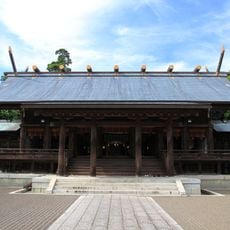
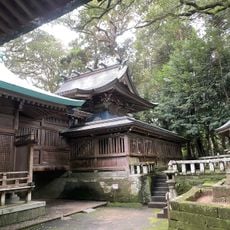
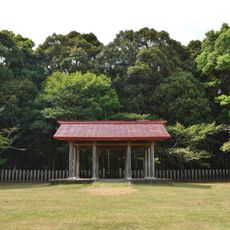
Kota-jinja is a Shinto shrine in Sadohara, Miyazaki. Its honden, rebuilt in 1547, is a three-bay nagare-zukuri structure with a shingled roof and vermilion-painted wood, designated a National Important Cultural Property in 1978. Two subsidiary shrines, Imamiya and Wakamiya, built in 1686 and 1727, stand to either side of the honden.
Tradition dates the shrine's origin to 831, when a pair of white-feathered arrows flew to Hikohara and a small shrine was built there. It first enshrined Futodama; in 1093, when the Tajima estate of Usa Jingū was established nearby, the Usa deity was invited here and the shrine became Kota Hachimangū. The main hall was rebuilt in 1448 by Sadohara Sukeyoshi and again in 1508 by Itō Tadasuke.
The shrine's autumn festival around 15 November features Kota Kagura, a dance tradition kept alive since 1971 by a local preservation society. In the Orochi dance a straw serpent is cut in two; the straw is said to help rice grow when spread on paddies and to ward off illness in livestock.
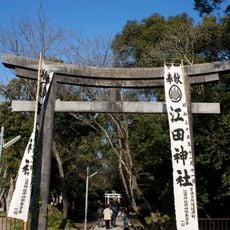
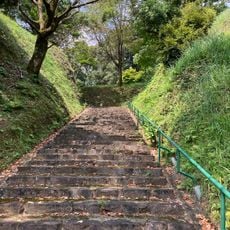
The shrine stands in Sadohara, facing the two ponds of Kota, the lower one being the Great Pond of Kota. The autumn festival falls around 15 November, when Kota Kagura is performed. The precinct is reached from the Sadohara area of Miyazaki; the main hall and the two subsidiary shrines stand side by side, the main hall in the centre.
In front of the shrine lie two ponds, the upper and lower, the lower being Kota no Oike. There, Sadohara domain retainers practised duck net hunting, once with thirty hunting spots aimed at the birds' morning and evening flights. The tradition lapsed in the early Showa period, resumed in 1959 with a preservation society, and the koeami net method is now a Miyazaki Prefecture intangible folk cultural property.
The community of curious travelers
AroundUs brings together thousands of curated places, local tips, and hidden gems, enriched daily by 93,231 contributors worldwide.