Saitobaru Kofun Cluster, Ancient burial ground cluster in Saito, Japan
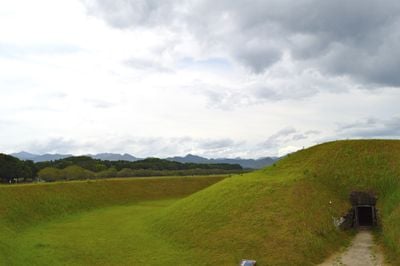
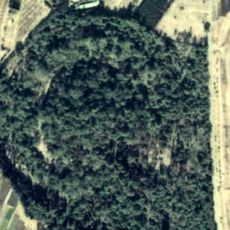
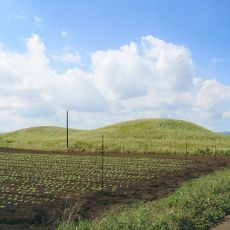
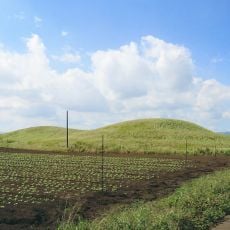
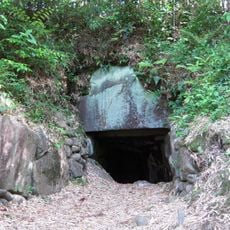
Saitobaru Kofun Cluster is a group of over 300 burial mounds on a plateau about 70 m above sea level in Saito, Miyazaki Prefecture, spread across roughly 2.6 km east-west and 4.2 km north-south. The mounds include 31 keyhole-shaped tombs, 286 round tombs and 2 square tombs, among them Himezuka (Tomb 202) and the only horizontal stone-chamber tomb in the cluster, Oni no Iwaya (Tomb 206).
Regional rulers began building these burial sites in the late third century and continued construction over four centuries. The larger mounds marked the resting places of powerful leaders, while smaller structures served family members and followers.
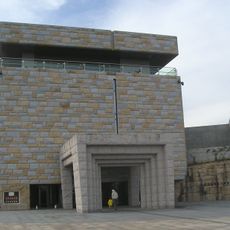
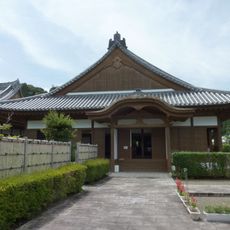
The name Saitobaru combines Saito with hara, meaning field or plain, and the site is Japan's first Fudoki-no-Oka, opened as a park in 1966. The cluster forms part of the Japan Heritage listing on the kofun landscape of southern Miyazaki, and the Saitobaru Archaeological Museum, opened in 2003, displays finds such as the haniwa house and boat from Tomb No. 170.
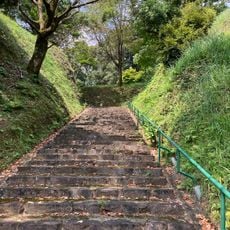
Visitors can walk on paths between the mounds, with information boards along the route offering explanations in Japanese. The nearby museum provides context for the finds and displays reconstructed burial chambers that help understand the original structure.
Some burial mounds here hold underground corridors with stone chambers, a building technique found mainly in Kyushu. Archaeologists discovered objects from distant regions, pointing to trade routes that stretched across early Japan and beyond.
The community of curious travelers
AroundUs brings together thousands of curated places, local tips, and hidden gems, enriched daily by 94,288 contributors worldwide.