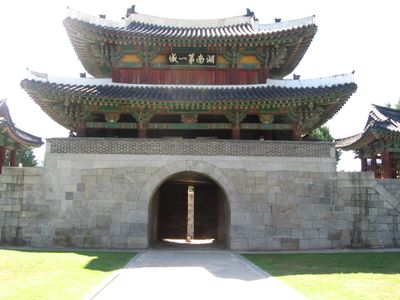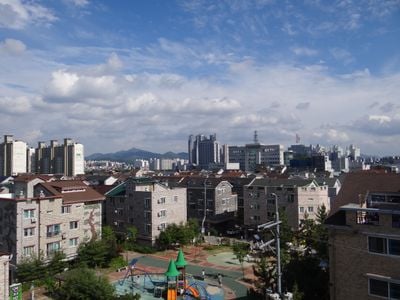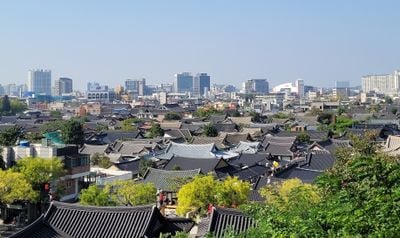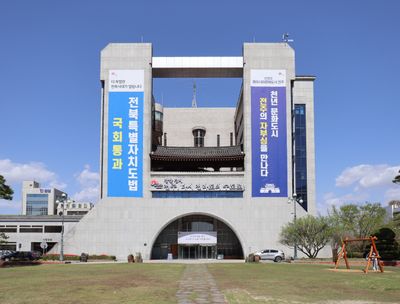
Jeonju, Cultural heritage capital in North Jeolla, South Korea
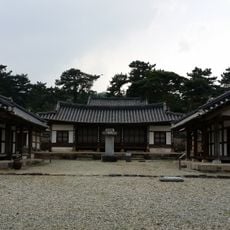
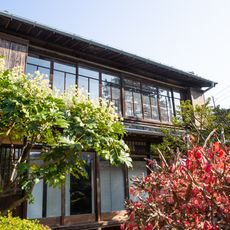
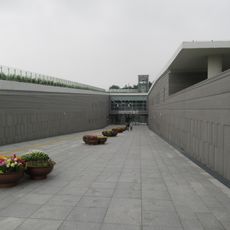
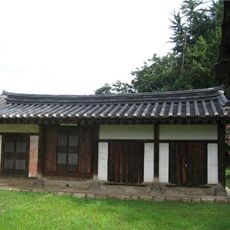
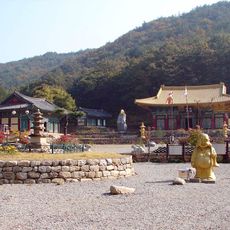
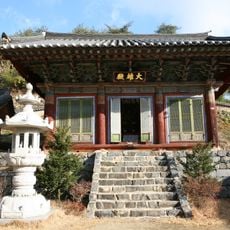
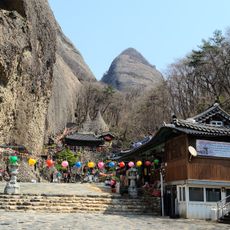
The city sits in a valley encircled by hills and combines modern districts with streets where traditional Korean houses with curved roofs stand. Wide boulevards in the center alternate with narrow alleys that lead to courtyards and small temples.
The settlement developed into a trading hub from the first century BCE and later gained importance when the Joseon Dynasty made it an administrative seat. A royal archive was established here in the late 14th century, preserving documents for hundreds of years.
The city is considered the birthplace of bibimbap, a bowl of rice with vegetables regarded as a symbol of Korean cuisine. In the streets of the Hanok Village visitors smell wood smoke and see craftspeople making and painting paper using old methods.
Buses connect the different districts regularly, and pedestrian paths make the central areas easy to reach. A visit takes at least one day to explore both the modern quarters and the traditional streets.
The local library holds one of four surviving copies of the Annals of the Joseon Dynasty, documenting five centuries of royal history. The pages of these chronicles contain daily reports from the royal palace and records of political decisions and ceremonies.
The community of curious travelers
AroundUs brings together thousands of curated places, local tips, and hidden gems, enriched daily by 91,337 contributors worldwide.