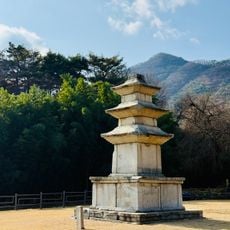
Seosaengpo Castle, Japanese fortress in Seosaeng-myeon, South Korea
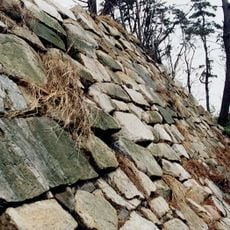
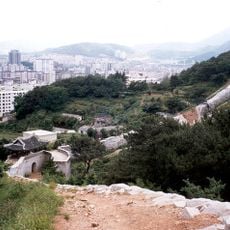
Seosaengpo Castle is a Japanese fortress on a mountain slope in Seosaeng-myeon with a rectangular layout and multiple elevated citadels. The structure follows typical Japanese castle design and takes advantage of the natural terrain to create defensive positions.
Katō Kiyomasa began building the fortress in 1593, as confirmed by Toyotomi Hideyoshi's orders of that year. Peace talks between the Korean monk Samyeong and Katō took place inside the castle in 1594. Abandoned in 1595, it was reoccupied in 1597 and served as a base for the Ulsan campaign; Kuroda Nagamasa withdrew in November 1598, after which Ming general Ma Gui occupied it.
The fortress represents Japanese military design from the late 1500s and remains a protected cultural site for Ulsan. It stands as a physical record of a historical period that still shapes how locals understand their region.
Public buses connect to the site from central Ulsan, though the route requires multiple transfers toward Seosaeng-myeon. Wear sturdy shoes since the terrain is steep and hiking paths are unpaved.
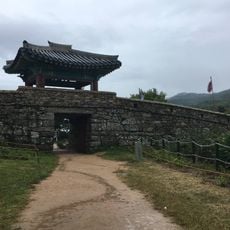
The north gate, called the "Gate of Death", has no actual gate: enemy soldiers who mistook the opening for an escape route died there. The west gate, facing south, was the only gate through which one could come out alive, and some link the name Seosaeng-myeon to it.
The community of curious travelers
AroundUs brings together thousands of curated places, local tips, and hidden gems, enriched daily by 94,993 contributors worldwide.