Cheonjeon-ri petroglyphs, petroglyphic site in Dudong-myeon, Ulju County, South Korea
Cheonjeon-ri petroglyphs are stone carvings on a rock face along Daegokcheon Stream featuring geometric patterns, animal forms, and human figures. The engravings spread across different sections and combine artistic designs with inscribed text from separate periods.
The carvings were made in several phases: the upper part from the Neolithic to the Bronze Age, the lower part from early to Unified Silla. The rock was discovered in December 1970 by a Dongguk University Museum team and designated National Treasure No. 147 on 8 May 1973. In July 2025 it was inscribed with the Bangudae petroglyphs as UNESCO World Heritage.
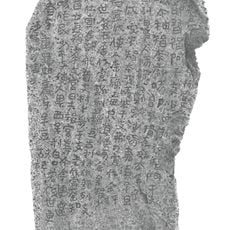
The lower carvings include an inscription of over 800 characters, of which about 300 remain legible; it names Hwarang youths and their official titles from the reign of King Beopheung of Silla. Visitors can also pick out a horse procession, a sailing boat and figures, alongside animals taken to be dragons, horses and deer.
The petroglyphs lie at the end of a 600 m single-lane road past Jangcheon Bridge, then across a concrete footbridge over Daegokcheon and up a mountain path to the rock. The Cheonjeon-ri dinosaur footprint fossils are exposed on the Daegu Formation riverbed directly opposite the carved face.
The site is notable for joining both prehistoric artwork and later written records on the same rock surface. This layering of different time periods at a single location makes it an unusual testament to how cultures evolved.
The community of curious travelers
AroundUs brings together thousands of curated places, local tips, and hidden gems, enriched daily by 93,716 contributors worldwide.