포항 중성리 신라비, Ancient stone monument in Gyeongju, South Korea.
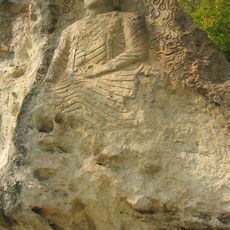
The Pohang Jungseongri Silla Stele is a single face of irregular granite, 12 lines of 20 characters each, 203 characters carved in intaglio. It is held at the National Research Institute of Cultural Heritage in Gyeongju, not at its find site in Heunghae-eup, Pohang. Part of the top and right side are broken off, but most of the text is legible.
The stele was carved in a sinmyo year, dated either 501 (Jijeung 2) or 441 (Nulji 21), making it possibly the oldest known Silla stele. It was found on 11 May 2009 during road works in Jungseong-ri, Heunghae-eup, and was designated Treasure No. 1758 in 2012 and National Treasure No. 318 in 2015.
The carved text reflects how officials in the Silla Kingdom recorded important state matters for posterity. It reveals the administrative concerns and communication methods that shaped daily governance during that era.
The monument is accessible year-round and located in the historical region of Gyeongju with many other ancient sites nearby. Visitors can explore it alongside numerous other historical structures that fill the surrounding area.
The stele was found by chance in May 2009, when a local resident, Kim Heon-do, took a stone from a roadworks pile to use as a flowerpot stand; rain washed off the dirt and revealed the inscription. It is the oldest known Silla stele, cut two years before the Pohang Naengsu-ri stele of 503.
The community of curious travelers
AroundUs brings together thousands of curated places, local tips, and hidden gems, enriched daily by 94,994 contributors worldwide.