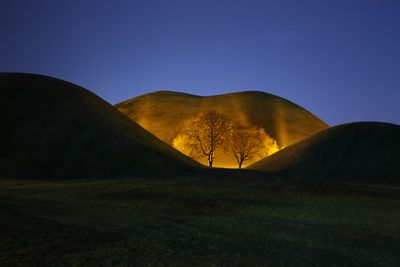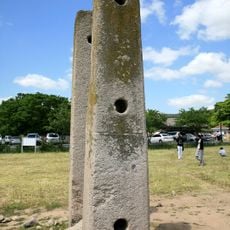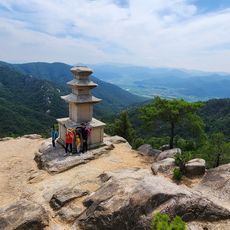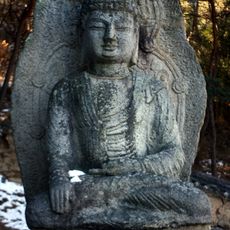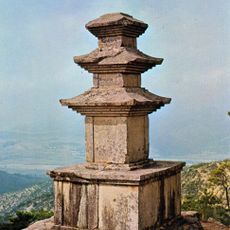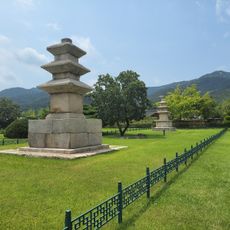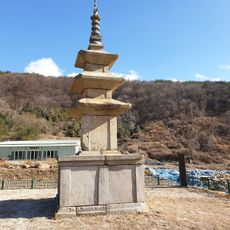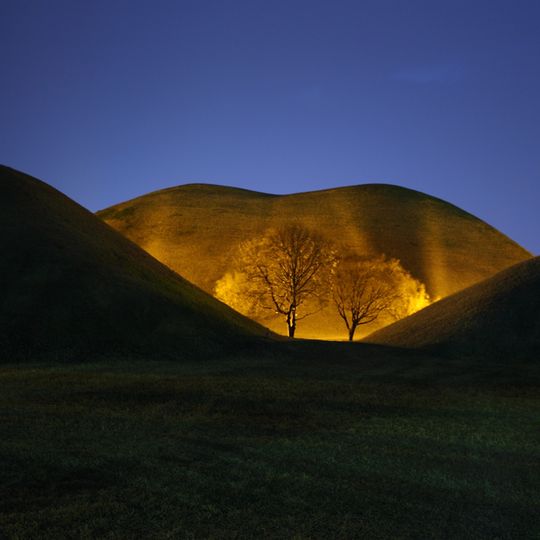
Gyeongju Historic Areas, UNESCO World Heritage Site in Gyeongju, South Korea.
Gyeongju Historic Areas spread across five zones with Buddhist temple ruins, palace foundations, stone pagodas, and carved statues scattered throughout the landscape. Each zone focuses on different archaeological discoveries that reveal layers of life from the Silla period.
Gyeongju was the capital of the Silla kingdom, which ruled from 57 BC to 935 AD, and the five protected belts hold its temple and palace ruins, pagodas and statuary. UNESCO inscribed the areas in 2000. The Silla capital stayed at Gyeongju until the kingdom's fall; the tombs of Tumuli Park Belt range from the 2nd to the 10th century.
Namsan is called an open-air museum: its slopes hold the ruins of 122 temples, 53 stone statues, 64 stone pagodas and 16 stone lanterns. Carved Buddhas sit directly on the rock face, including the group known as Chilburam, or the Seven Buddhas Hermitage. Local guides often point out how the carvings follow the mountain's granite outcrops.
The site covers a large area, so wear comfortable shoes and plan to spend several hours exploring multiple zones. Regular bus routes connect the main sections, and marked paths help guide you through the grounds.
The Wolseong zone holds the Cheomseongdae, one of the oldest astronomical observation structures in East Asia. This stone tower reveals the scientific knowledge and technical skills of the ancient kingdom.
The community of curious travelers
AroundUs brings together thousands of curated places, local tips, and hidden gems, enriched daily by 93,471 contributors worldwide.