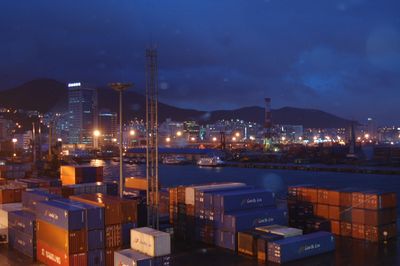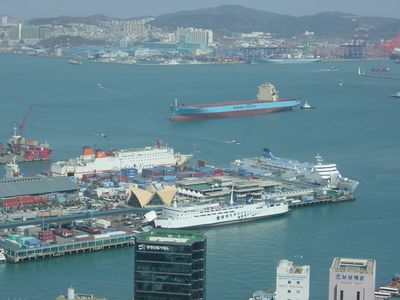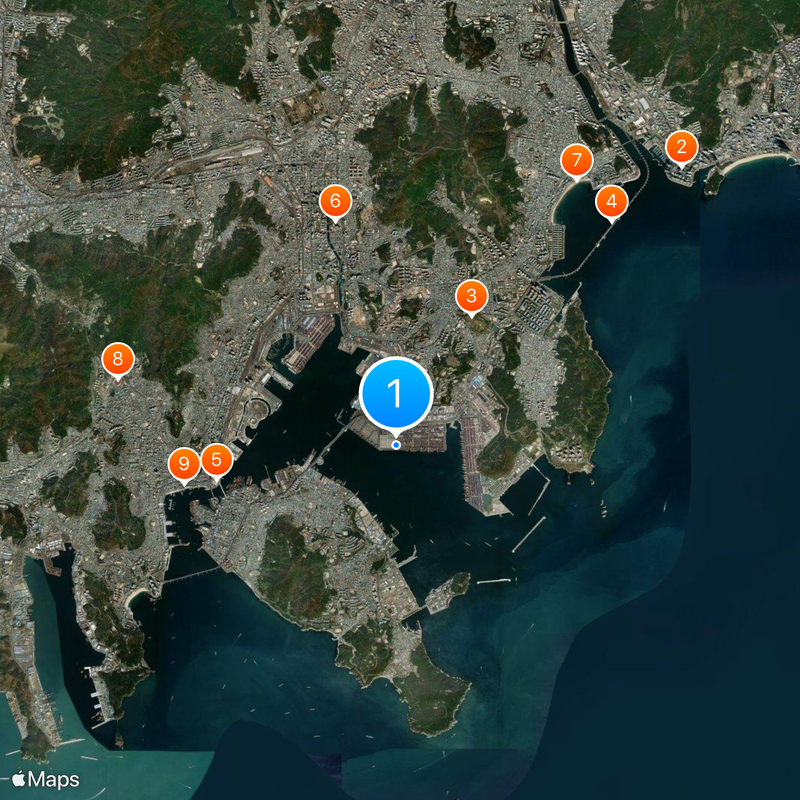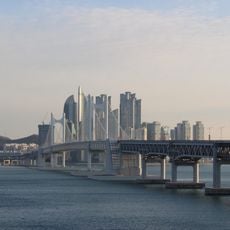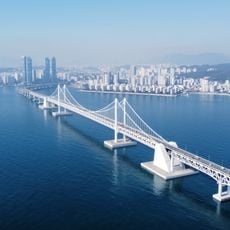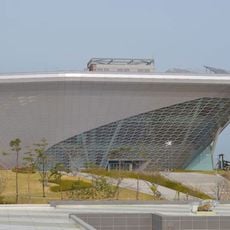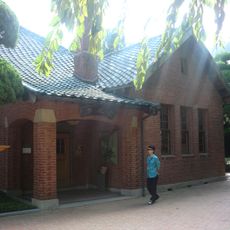
Port of Busan, Maritime complex in Busan, South Korea
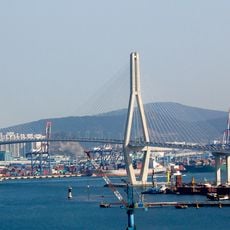
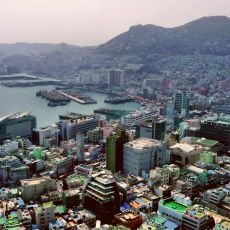
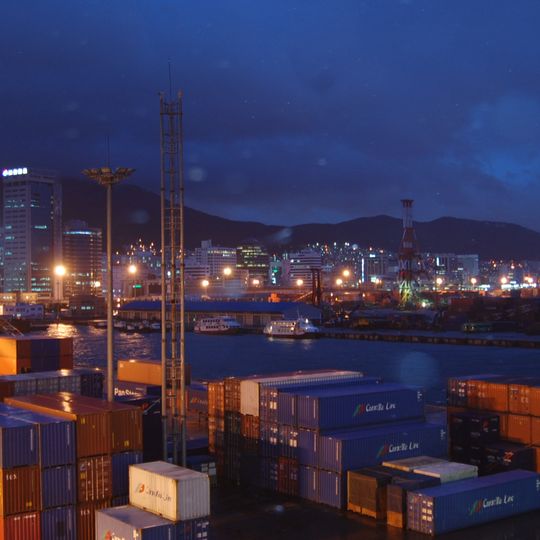
The Port of Busan is a major seaport divided into four separate sections that line the coastline and handle the arrival and departure of numerous cargo vessels daily. Each section operates with modern equipment and infrastructure designed to move containers and goods efficiently.
The port was established in 1876 as a trading post for ships traveling between Korea, China, and Japan. It remained operational through major conflicts, serving as a vital point for supplies and people to enter the region.
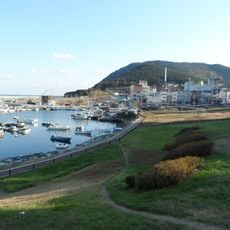
The port serves as the main hub where fishing boats arrive daily with their catch, and fish dealers sell seafood to both shops and local buyers. Visitors can see how closely this maritime activity is woven into the daily life of the city.
This is an active working area with heavy machinery and constant vehicle movement, so visiting is best done from designated viewing areas or on an organized tour. Visitors should be aware that most areas operate as restricted zones, and access is limited for safety reasons.
The port specializes in transshipment operations, meaning cargo arrives on one vessel and is transferred to another for delivery elsewhere rather than staying locally. This role as a global transfer hub shapes much of its daily activity.
The community of curious travelers
AroundUs brings together thousands of curated places, local tips, and hidden gems, enriched daily by 91,363 contributors worldwide.