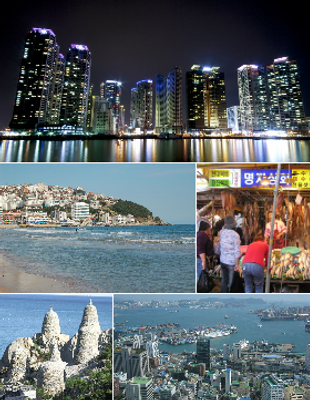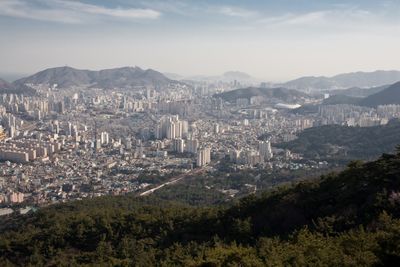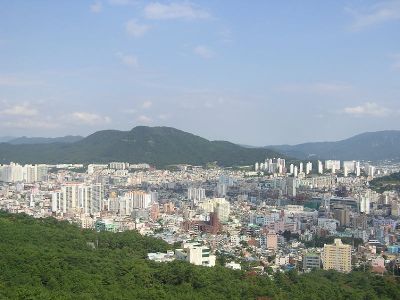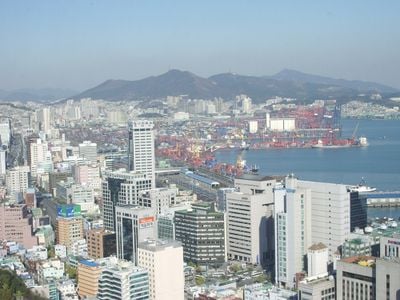
Busan, Metropolitan harbor city in South Korea
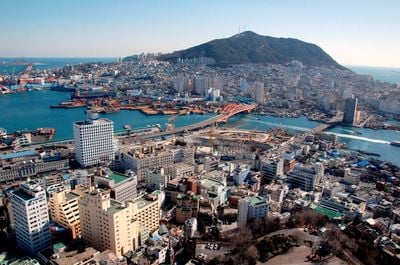
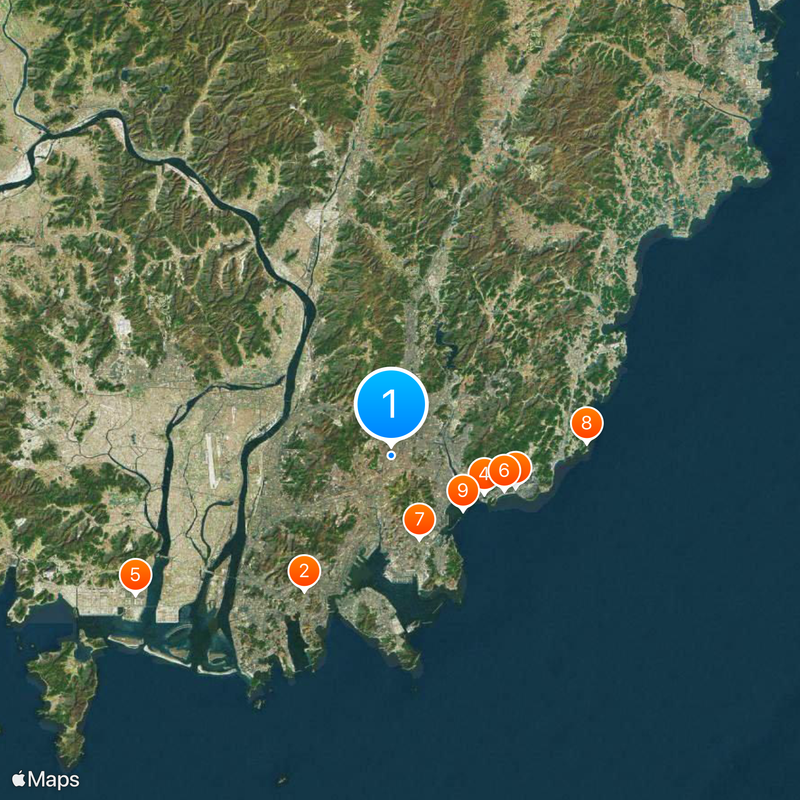
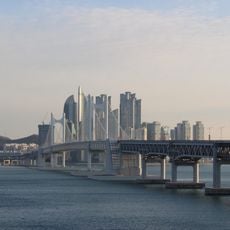
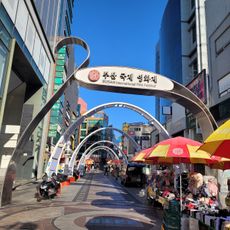
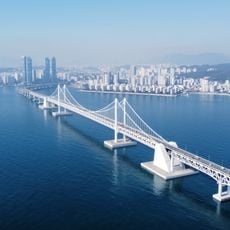
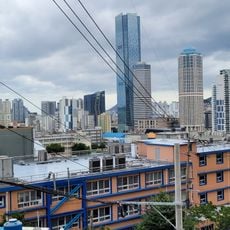
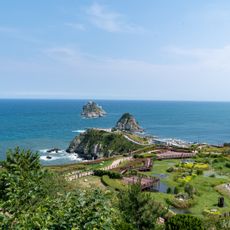
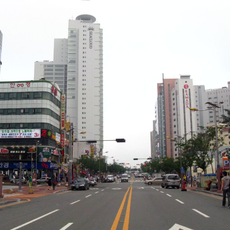
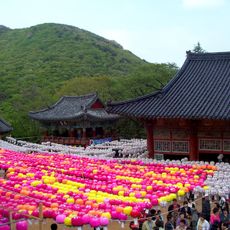
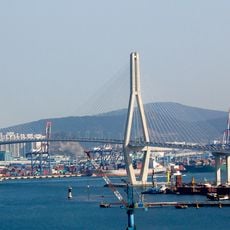
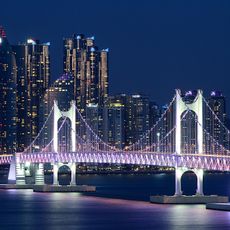
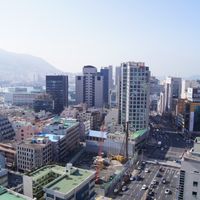
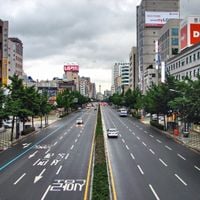
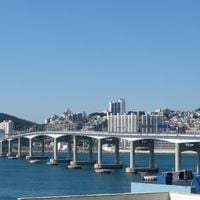
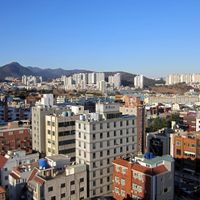
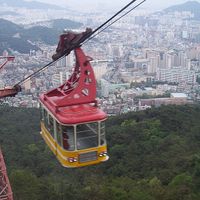
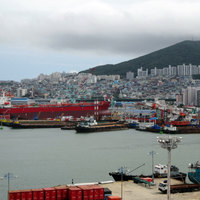
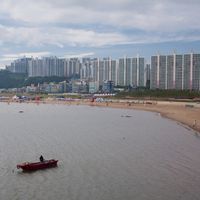
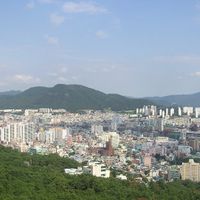
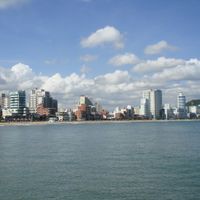
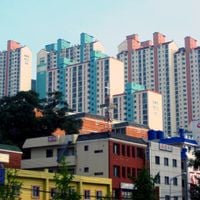
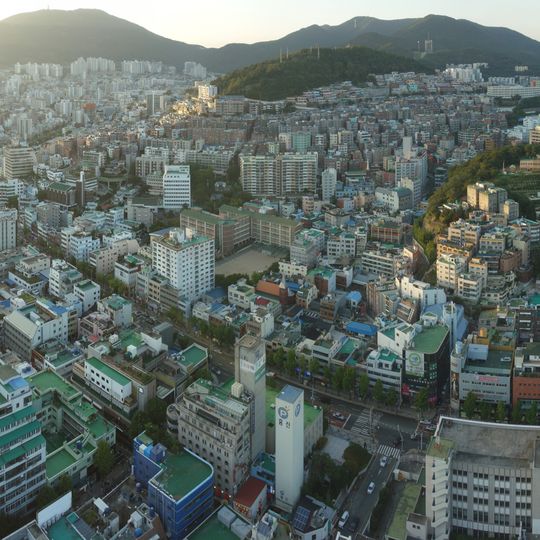
Busan sits on the southeastern coast of South Korea and spreads across 16 administrative districts with beaches, mountains, markets, temples, and modern neighborhoods. The port ranks among the largest shipping hubs in Asia, while the districts range from the waterfront to forested hills.
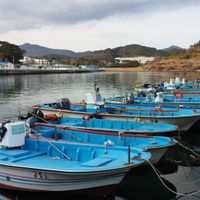
The city grew from a small fishing settlement into South Korea's second-largest metropolis after it became a key refuge during the Korean War in 1950. In the following decades, port construction and industrialization reshaped the coastal landscape.
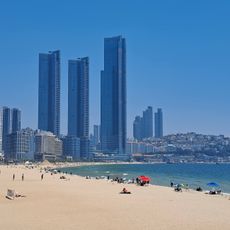
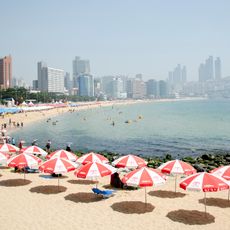
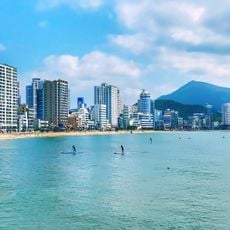
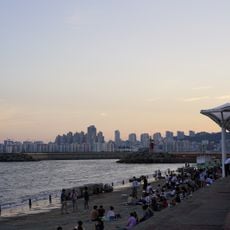
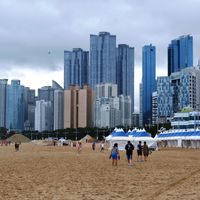
At Haeundae Beach, locals gather in swimsuits and inflatable rings, often staying until late evening, while the boardwalk is lined with food stalls serving fried octopus and other snacks. In the traditional neighborhoods, older residents sip soju in open-air kitchens, while younger generations favor cafes and karaoke rooms.
The metro system connects the main districts, beaches, and markets, with stations offering signs in both English and Korean Hangeul. The KTX high-speed train from Seoul Station takes roughly two and a half hours.
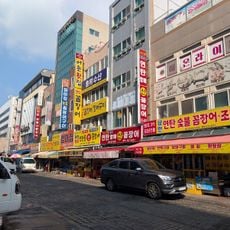
The Jagalchi Fish Market occupies several floors where female vendors, known as Jagalchi Ajumma, prepare and sell fresh seafood caught daily from local waters. Visitors can choose live creatures from water tanks that are filleted on the spot upon request.
The community of curious travelers
AroundUs brings together thousands of curated places, local tips, and hidden gems, enriched daily by 91,414 contributors worldwide.