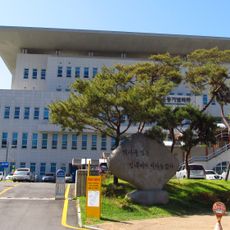
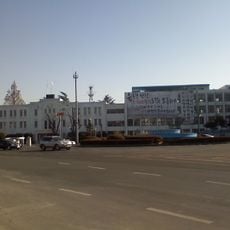
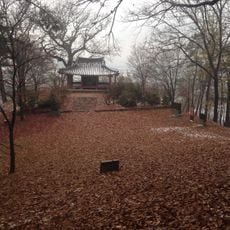
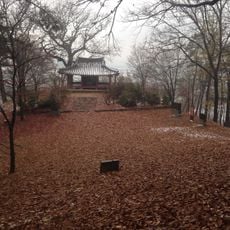
Birthplace of Baekje Buddhism, Buddhist heritage site in Beopseong-myeon, Yeonggwang County, South Korea
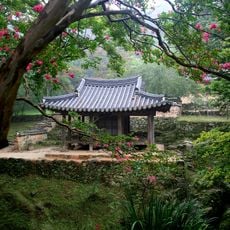
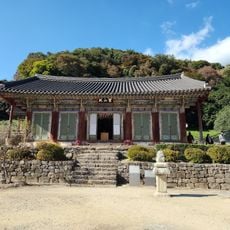
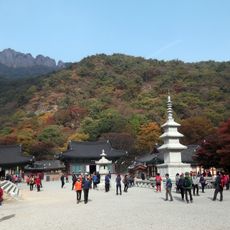
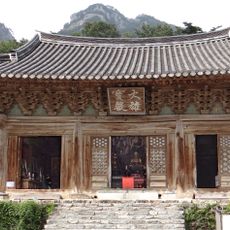
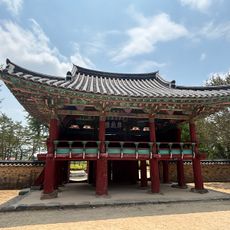
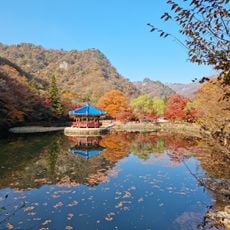
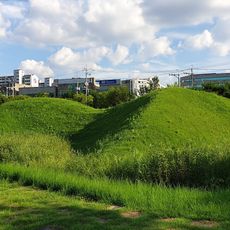
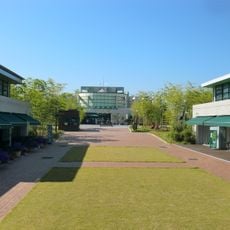
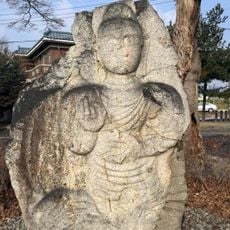
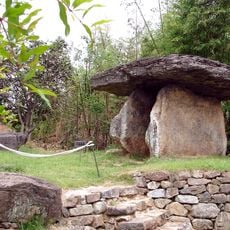
The Birthplace of Baekje Buddhism is an archaeological site with temple foundations, stone pagodas, and Buddhist relics from the ancient Baekje Kingdom. The excavations reveal how these structures were arranged at a location that was crucial for the early spread of the religion across the Korean peninsula.
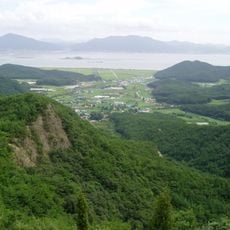
The site in Jinnae-ri, Beopseong-myeon, Yeonggwang County, honours the Indian monk Marananta, who is held to have brought Buddhist teaching and practice to Baekje. In 1998, researchers from Dongguk University concluded through study and verification that the Beopseongpo area was where Baekje Buddhism began. Yeonggwang County then developed the site as a tourist destination commemorating that arrival.
Visitors can observe how local Korean craftsmanship traditions merged with newly arrived religious practices from across Asia. The excavated items reveal how people here adopted outside ideas and building styles while adapting them to fit their own cultural context.
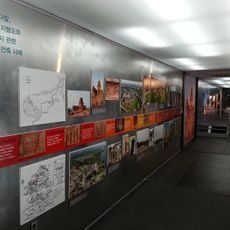
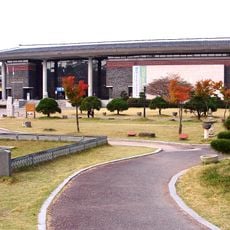
Visitors can walk through marked pathways to explore the archaeological remains, with information panels explaining the significance of each structure. The site is manageable in size and can be explored without special knowledge or a guide.
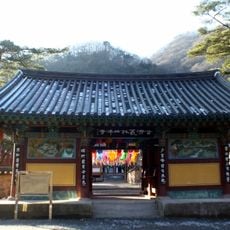
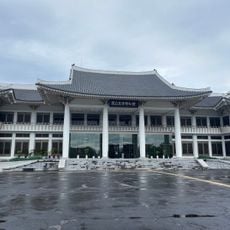
The site lies in Beopseong-myeon, Yeonggwang County, and its name Beopseong combines beop (法, Buddhist law) with seong (聖, holy), referring to the monk Marananta. The Iljumun gate is built in the Indian Gandhara style, and a Gandhara Relics Hall displays artifacts of Gandhara Buddhism.
The community of curious travelers
AroundUs brings together thousands of curated places, local tips, and hidden gems, enriched daily by 94,259 contributors worldwide.