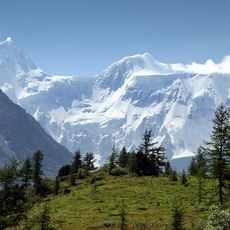
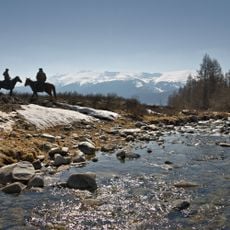
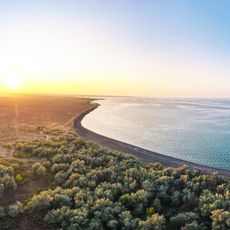
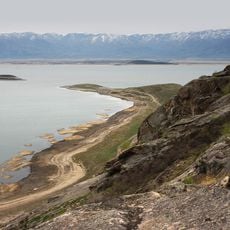
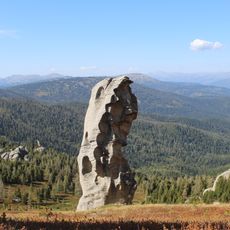
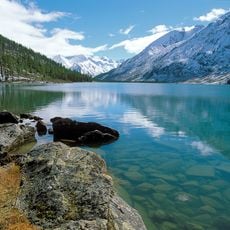
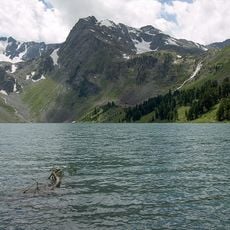
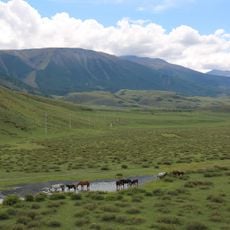
Lake Zaysan, Freshwater lake in East Kazakhstan Region, Kazakhstan
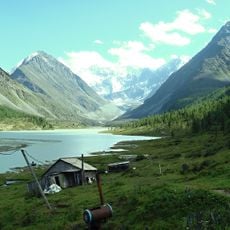
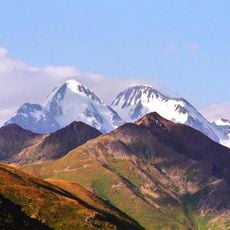
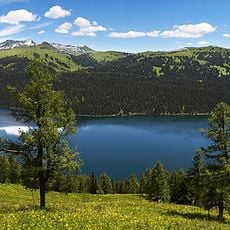
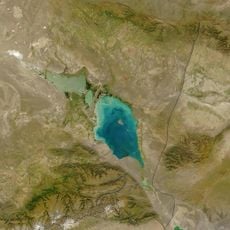
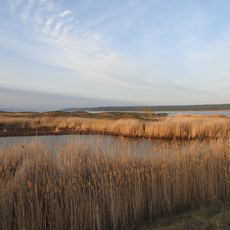
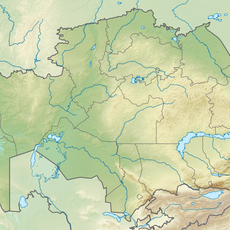
Lake Zaysan is a large freshwater lake in East Kazakhstan located between the Altai and Tarbagatai Mountains. The water body extends for about 105 kilometers with varying widths and covers approximately 1,810 square kilometers.
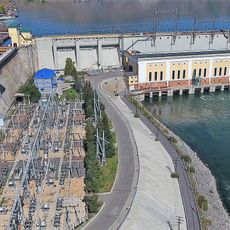
Lake Zaysan is probably the oldest lake on Earth, formed about 70 million years ago in a tectonic basin. On Abraham Ortelius's 1570 map it appears as Lake "Kitai", a name still used by the French cartographer Nicolas de Fer in 1694. By a decree of 24 November 1798 the Siberian Cossack Host received state fishing rights on the Irtysh above Bukhtarma Fortress; in 1825 Cossacks were already fishing at the mouth of the Kara Irtysh with permission from Qing authorities, although the lake then belonged to the Qing Empire. After the Bukhtarma hydroelectric dam was built, the lake rose by 7 metres and became part of the reservoir.
The name derives from the Mongolian word zaisan, meaning 'little prince' or 'noble', rendered in Kazakh as Zhaisan. Older maps and travellers gave the lake other names: Kyzyl Pu, Aldiyar after a Kazakh clan, Teniz ('sea'), and Zaisang Nor. Kazakh sources also gloss Zaysan as 'precious lake'.
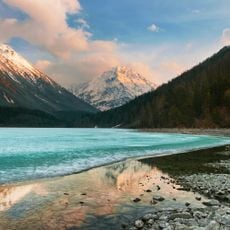
The lake freezes over from November to April, limiting water access during these months, while summer and autumn offer better conditions for visiting. Plan visits during warmer seasons and prepare for remote location conditions and variable weather.
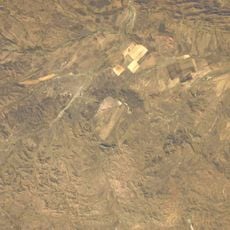
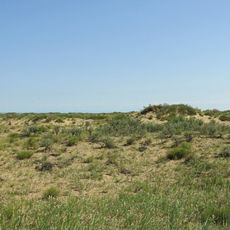
Old shorelines lie far from the present waterline on the low banks, showing the lake was once deeper and longer. The basin is tectonic, and since the Bukhtarma dam the lake has been backed up: the level rose about 7 m and the Kara Irtysh backwater reaches 100 km upstream.
The community of curious travelers
AroundUs brings together thousands of curated places, local tips, and hidden gems, enriched daily by 95,020 contributors worldwide.