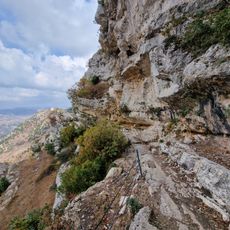
Tell Jisr, Archaeological tell in Western Beqaa, Lebanon
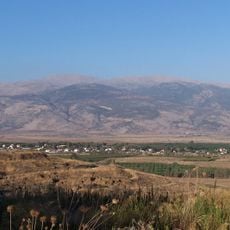
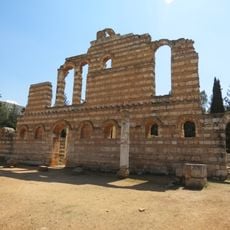
Tell Jisr is an archaeological site in the western Beqaa Valley with remains of ancient settlements layered over time. Excavations uncovered pottery, stone tools, and other artifacts that document early human occupation in the region.
The site shows occupation from around 8200 to 6200 BC, a period when people were developing permanent settlements. Archaeologists conducted systematic excavations to uncover evidence of these early cultures.
The pottery finds from this site show the craftsmanship of Neolithic communities, including stone bowls, basalt vessels, and decorated ceramics. These objects reveal the daily practices and artistic expression of people who lived in the region thousands of years ago.
The main artifacts from the site are displayed at the Museum of Lebanese Prehistory at Saint Joseph University, where visitors can examine them. The location itself lies in the Beqaa region, an area with several other archaeological sites nearby.
A notable find from this site is a ceramic object with incised patterns that researchers view as one of the earliest examples of written marks. This discovery offers insight into early communication systems in prehistoric times.
The community of curious travelers
AroundUs brings together thousands of curated places, local tips, and hidden gems, enriched daily by 92,380 contributors worldwide.