Burmese Way to Socialism, Political doctrine in Yangon, Myanmar
The Burmese Way to Socialism was a political system introduced in Myanmar after 1962 that combined state control of industry, banks, and trade with nationalist principles. The system imposed strict regulations on all economic activities and restricted foreign participation in key sectors.
General Ne Win established this political system after the military coup of 1962, transforming Myanmar from a democratic nation into a socialist state. The reorganization aimed to strengthen national independence and achieve economic self-reliance.
Schools underwent significant changes that integrated socialist teachings with traditional Burmese practices and customs. This blend shaped how multiple generations of students learned about their nation and its values.
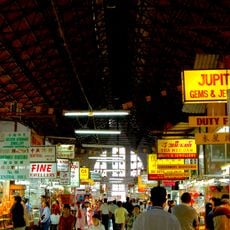
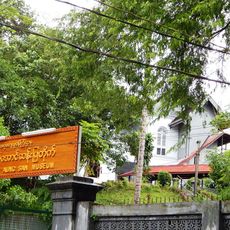
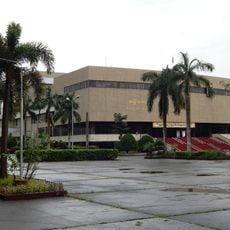
Historical sources and museums in Yangon document the practical effects of this policy on people's daily lives. Visitors can explore how commerce, employment, and transactions operated under this system.
This model rejected both Western capitalism and Soviet communism, creating a distinct path that emphasized Myanmar's self-determination. The policy resulted in near-complete isolation of the country from international trade and relations.
The community of curious travelers
AroundUs brings together thousands of curated places, local tips, and hidden gems, enriched daily by 91,635 contributors worldwide.