Sittard-Geleen, municipality in the Netherlands
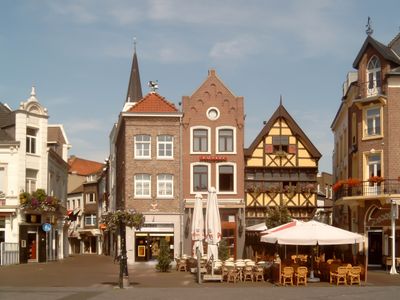
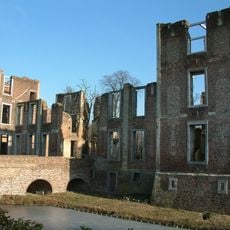
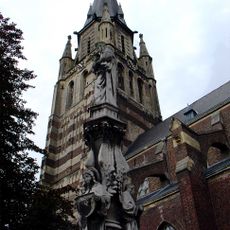
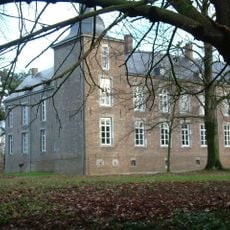
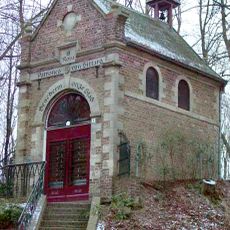
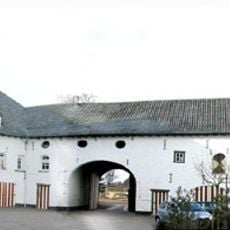
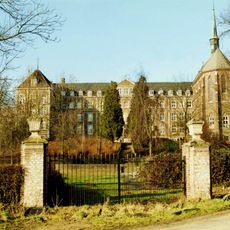
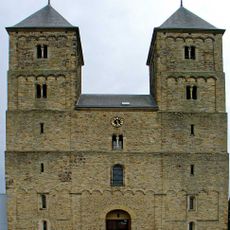
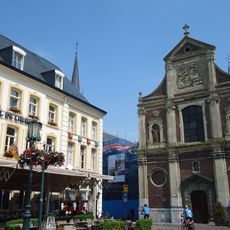
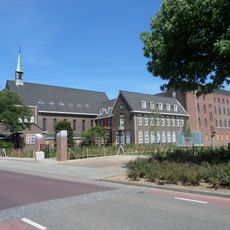
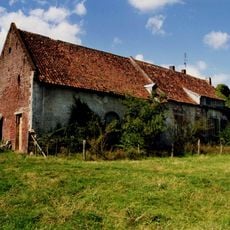
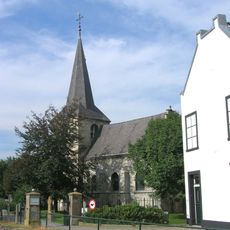
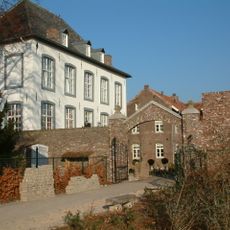
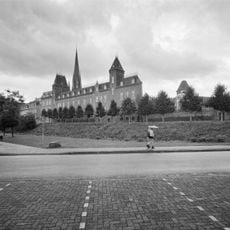
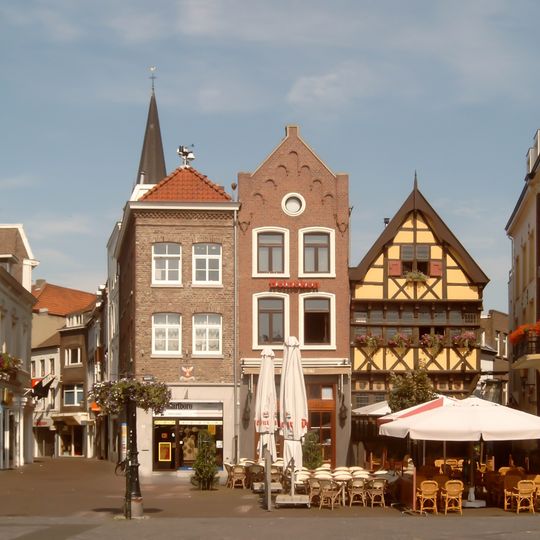
Sittard-Geleen is a municipality in the Dutch province of Limburg with two distinct centers: Sittard, with narrow lanes and historic brick buildings, and Geleen, which has a more modern layout shaped by industry and residential neighborhoods. The area also includes forests, parks, a museum, and a theater.
The area was already settled by early farmers around 5250 BC, as shown by archaeological finds in the region. After passing through Spanish, Austrian, French, Belgian, and German rule over the centuries, the area became officially part of the Netherlands in 1867.
Sittard-Geleen is the birthplace of Toon Hermans, one of the most beloved Dutch cabaret artists and clowns of the 20th century. Local festivals such as the St. Joep Market and Oktoberfeest draw crowds each year and reflect a strong sense of community that the area is known for.
The historic center of Sittard is easy to walk through, and the whole municipality is well set up for cycling, with marked routes leading through town and into the surrounding countryside. Local buses connect the different parts of the area, and an experience center offers a good starting point for learning about the region.
The last witch trials in the Netherlands took place in this area, giving the region a lesser-told chapter of its past that few visitors expect to find here. Nearby, the Maurits Mine was considered the most modern coal mine in Europe during the 1920s and still stands today as an industrial monument.
The community of curious travelers
AroundUs brings together thousands of curated places, local tips, and hidden gems, enriched daily by 90,861 contributors worldwide.