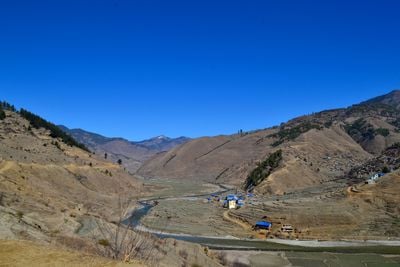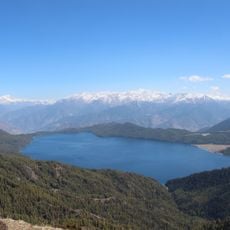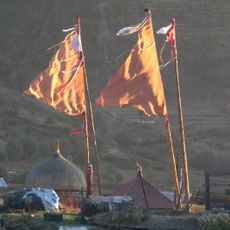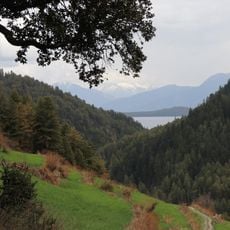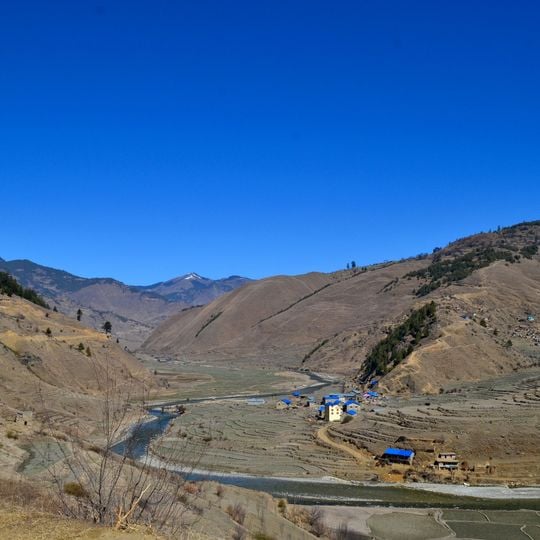
Sinja Valley, Archaeological site in Jumla District, Nepal
Sinja Valley is an archaeological site in a remote area of Nepal with ancient remains scattered across what was once a settlement. Underground pipe systems and large stone columns are distributed throughout the ruins, showing skilled craftsmanship from past inhabitants.
The valley was the capital of the Khasa Kingdom from the 12th to 14th century, with archaeological evidence of palaces and temples from that era. The site was an important center before the region lost its political influence and faded from prominence.
The earliest known examples of Nepali language written in Devanagari script come from inscriptions carved into cliff faces here. This discovery shows how people in this remote valley recorded their thoughts and preserved their knowledge.
The valley is remote and requires careful planning to visit, with accessibility varying by season and weather conditions. Visitors should expect uneven terrain and limited tourist facilities at the site itself.
Local stone temples called Dewals are used by Masto shamans and preserve ancient religious ceremonies still practiced in the region today. This living tradition connects the archaeological site directly to modern spiritual life.
The community of curious travelers
AroundUs brings together thousands of curated places, local tips, and hidden gems, enriched daily by 90,773 contributors worldwide.