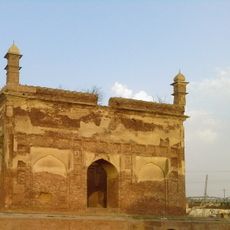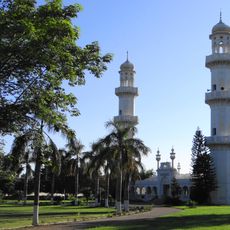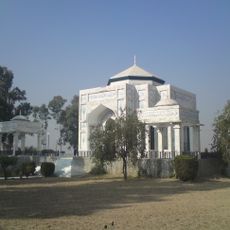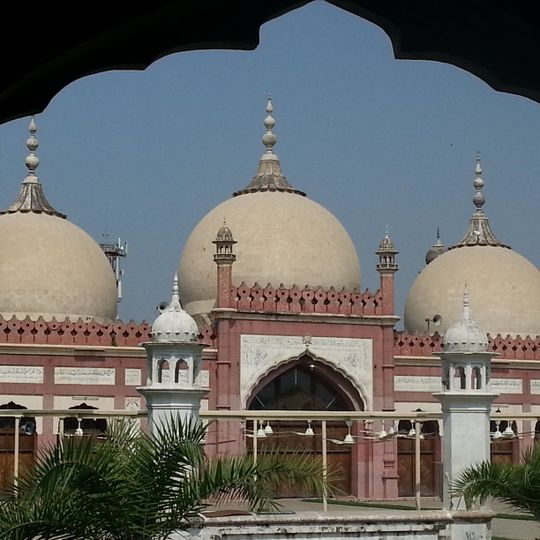
Gujrat, Industrial center in Punjab, Pakistan
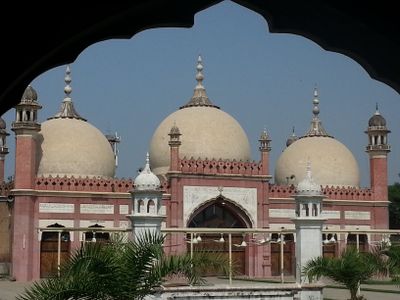
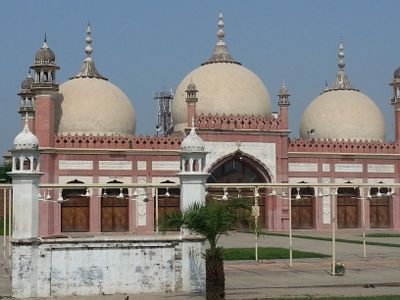
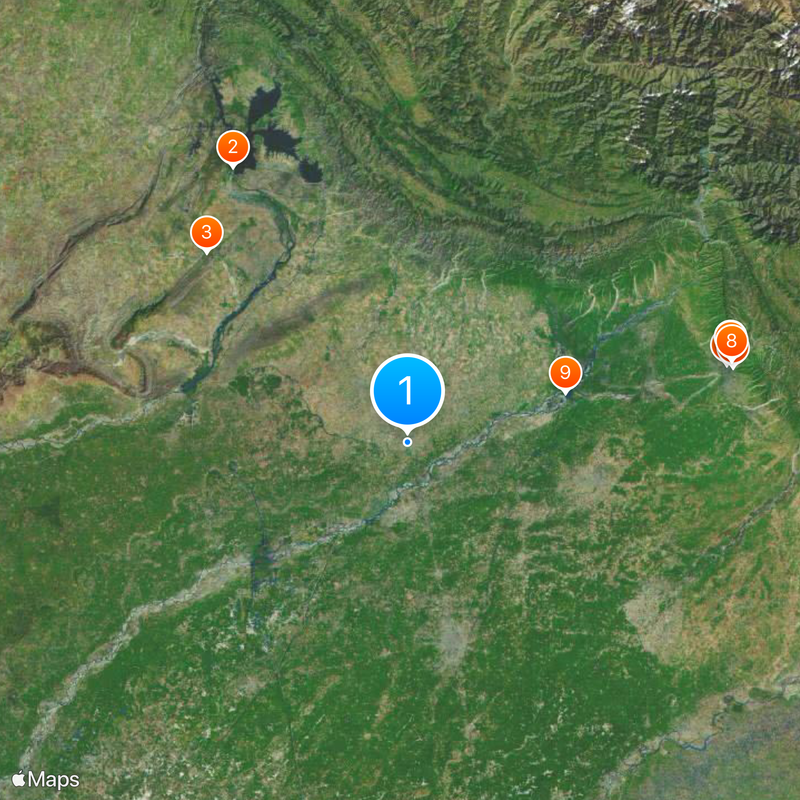
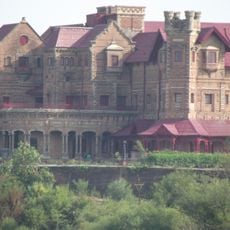
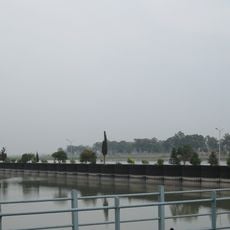
Gujrat is an industrial city in northeastern Punjab that sits between the Chenab and Jhelum rivers, forming the Golden Triangle together with Sialkot and Gujranwala. The city links agricultural regions with manufacturing centers and serves as a hub for trade and processing industries in this part of Pakistan.
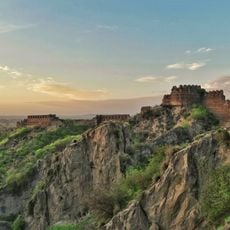
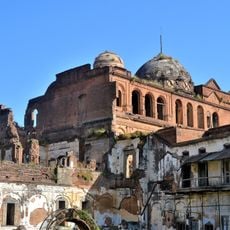
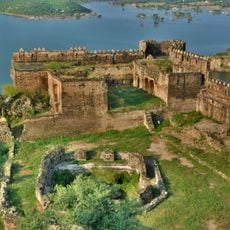
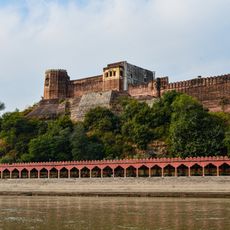
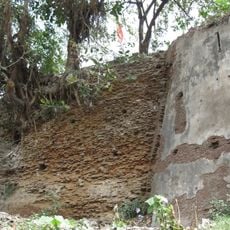
Mughal emperor Akbar ordered a fort built in 1580 to protect the settlement along the Grand Trunk Road, which then grew into a trading center over the following centuries. During the Second Anglo-Sikh War, the final battle took place here in 1849, sealing British control over Punjab.
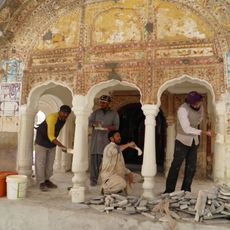
The name Gujrat comes from the Gujjar people who once settled this area, and today the city is known for the production of hand-woven carpets, wooden furniture, and brassware that you can see in local workshops. Artisans work in small family-run businesses scattered across neighborhoods, continuing methods passed down through generations.
The Grand Trunk Road runs through the city from east to west, connecting it directly with Lahore and other major cities, while the train station offers services in multiple directions. The best time to visit is between October and March, when temperatures are milder and travel becomes more comfortable.
Archaeological excavations near the village of Mung suggest this may be the site of Alexandria Nicaea, a city Alexander the Great founded after defeating King Porus. This connection remains debated, but local finds from the Hellenistic period continue to fuel discussion among researchers.
The community of curious travelers
AroundUs brings together thousands of curated places, local tips, and hidden gems, enriched daily by 92,607 contributors worldwide.