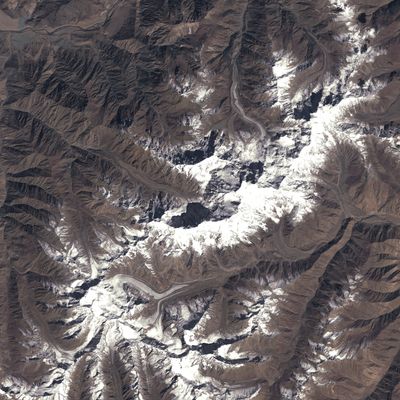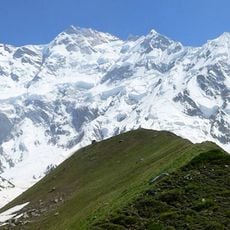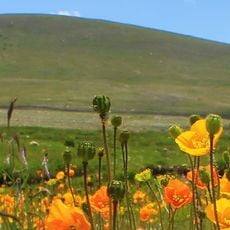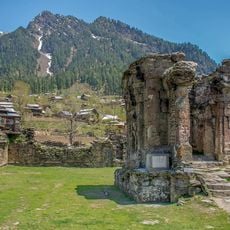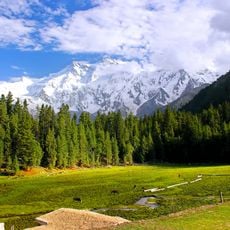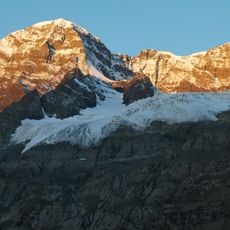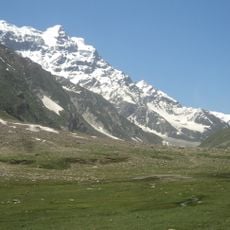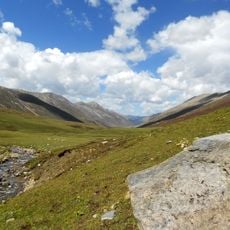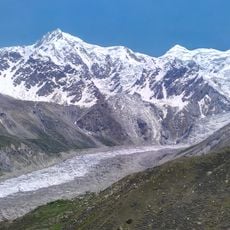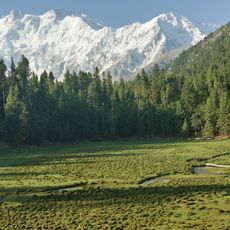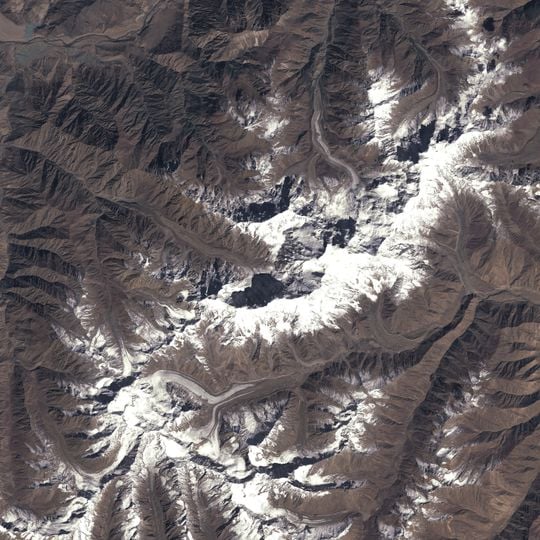
Rupal Glacier, Alpine glacier in Gilgit-Baltistan, Pakistan.
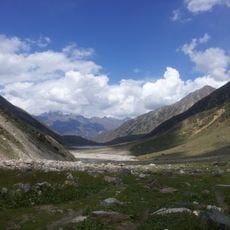
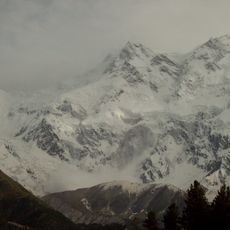
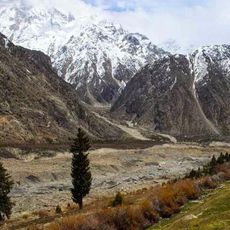
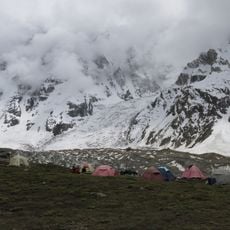
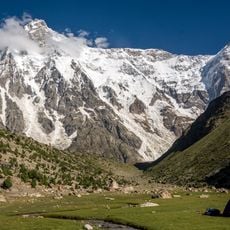
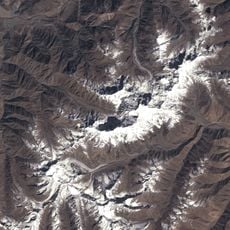
Rupal Glacier is an ice mass flowing down the northeastern side of the Nanga Parbat massif, moving through steep mountain valleys carved over centuries. The glacier's surface shows deep crevasses and seracs where the ice breaks under its own weight as it descends.
The glacier formed over millions of years as snow accumulated in the high Himalayan valleys and gradually compressed into ice under its own weight. Tectonic forces that lifted the mountain range created the steep elevations needed to sustain the ice mass over time.
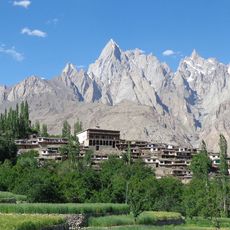
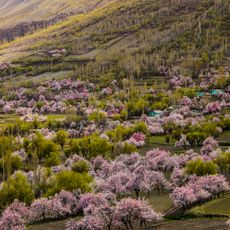
The glacier provides essential meltwater that local communities depend on for irrigating their crops and sustaining their farms throughout the year. This water source has shaped how people in the region live and work with the seasons.
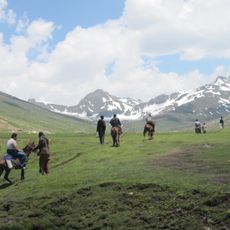
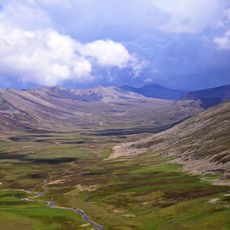
A trekking route from the valley below provides access, though the journey demands good physical fitness and high-altitude experience. Hiring a local guide who knows the terrain and weather patterns is strongly recommended for safety.
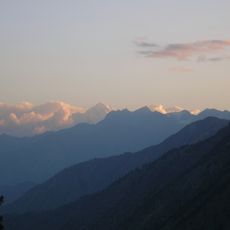
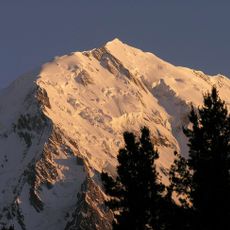
The glacier feeds the Rupal River and sits directly adjacent to the Rupal Face of Nanga Parbat, which is the tallest unbroken mountain wall on Earth. Few climbers attempt the face, making this corner of the Himalayas one of the least visited by mountaineers despite its scale.
The community of curious travelers
AroundUs brings together thousands of curated places, local tips, and hidden gems, enriched daily by 91,560 contributors worldwide.