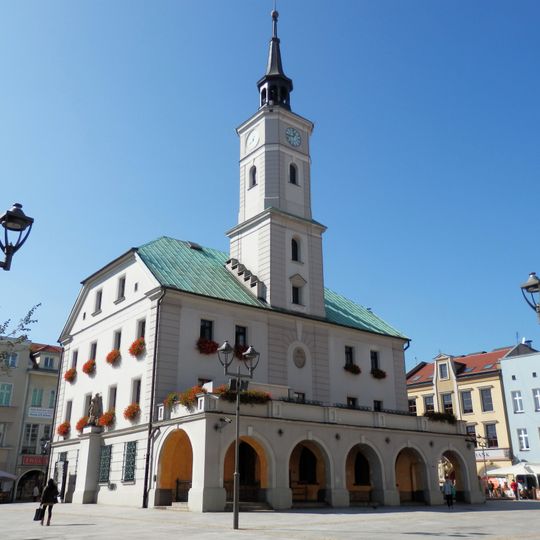
Gliwice, Educational and industrial center in Upper Silesia, Poland
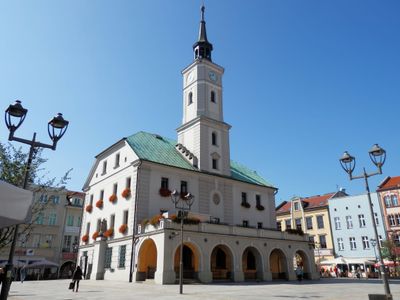
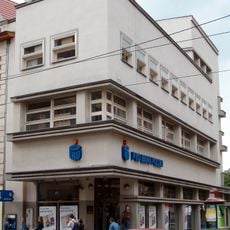
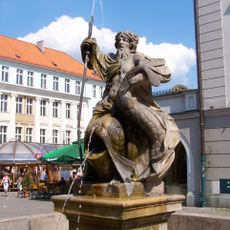
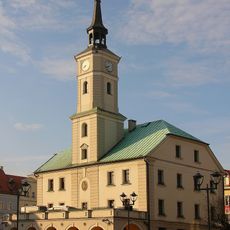
Gliwice is a city in southwestern Poland that spreads along the Kłodnica River in the Silesian Voivodeship. The medieval street network leads to a central market square surrounded by multi-story townhouses and shops.
The settlement emerged in the 13th century under Polish dukes and received city rights shortly after. Following centuries under Habsburg and Prussian administration, it returned to Polish authority in 1945.
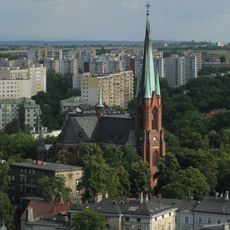
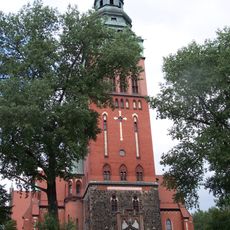
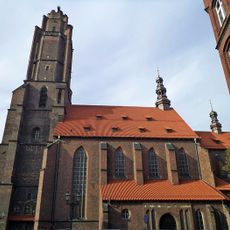
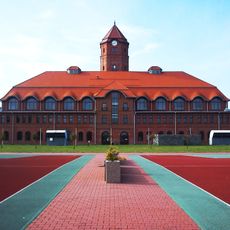
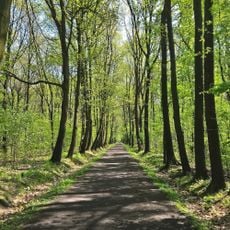
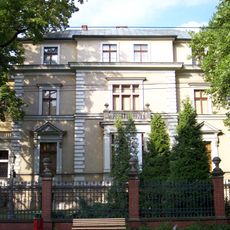
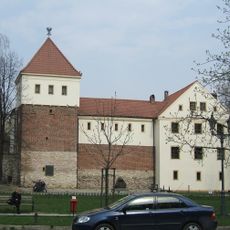
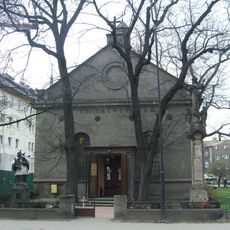
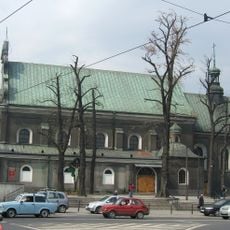
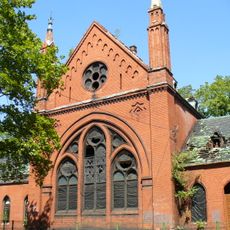
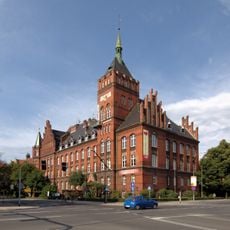
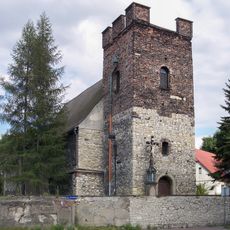
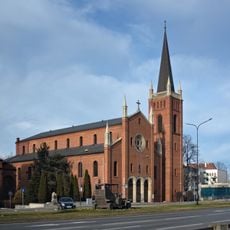
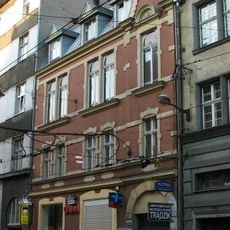
The name comes from a Slavic word meaning clay or loam, reflecting the natural resources once found in the area. Today, Gothic church towers and brick facades from different centuries shape the cityscape, while parks and green spaces between residential neighborhoods invite walking.
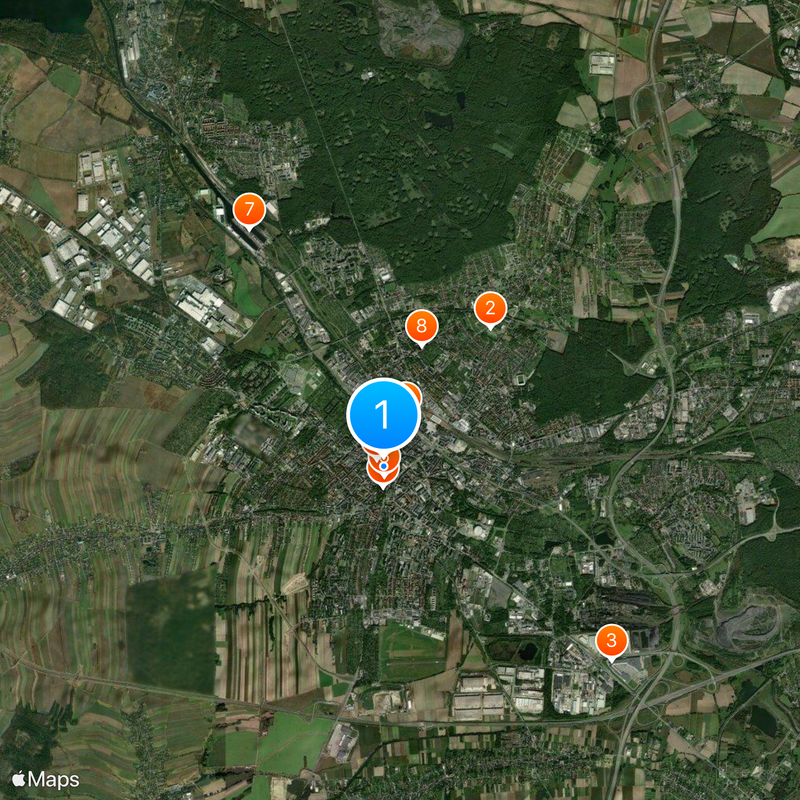
The city sits at the junction of two motorways, making arrivals from different directions straightforward. Pedestrians find the old town compact and manageable, with most points of interest reachable on foot.
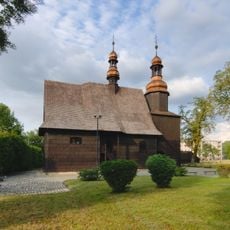
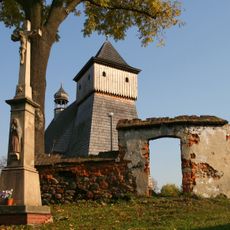
A wooden tower on the city outskirts rises 110 meters (about 360 feet) and ranks as the tallest timber structure worldwide. Today the structure serves as a museum and recalls its former role as a broadcasting station.
The community of curious travelers
AroundUs brings together thousands of curated places, local tips, and hidden gems, enriched daily by 90,828 contributors worldwide.