Portuguese India, Colonial territory in Goa, Daman and Diu, India
Portuguese India was a colonial territory along the Indian coast with Goa as the administrative center and naval base for Portuguese operations in Asia. The domain extended across multiple regions including Daman and Diu, supported by a structured governing system with a governor overseeing judicial, military, and ecclesiastical functions.
The territory originated in 1505 following Vasco da Gama's discovery of the maritime route, expanding through military fortifications and trading posts along the Indian coast. Portuguese presence shaped the region for over four centuries until Indian control came in the middle of the twentieth century.
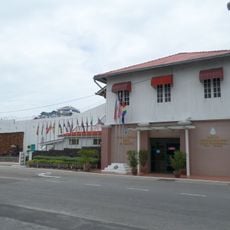
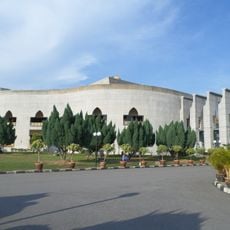
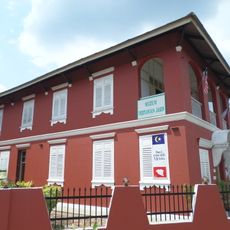
The architecture blends European and Indian styles in churches, administrative buildings, and residences, creating a visual language that still exists in Goa and Daman today. Local craftsmen and Portuguese builders worked together, producing structures that belonged to neither culture fully but to both.
Visitors can explore these places today as part of India, where Portuguese history remains visible in architecture and city planning. The best time to visit is during drier months when weather is more stable and exploring the sites becomes more comfortable.
Portuguese settlers actively promoted intermarriage with local populations, creating a distinct euro-asian community with its own social customs and recognized status. This approach was unusual among European colonial powers and left behind a population with pronounced cultural hybrid characteristics.
The community of curious travelers
AroundUs brings together thousands of curated places, local tips, and hidden gems, enriched daily by 60,000 contributors worldwide.