Siberia, Geographic region in northern Asia, Russia.
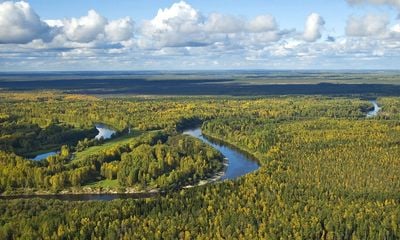
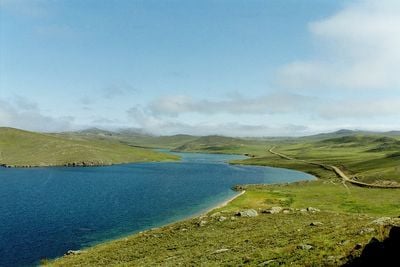
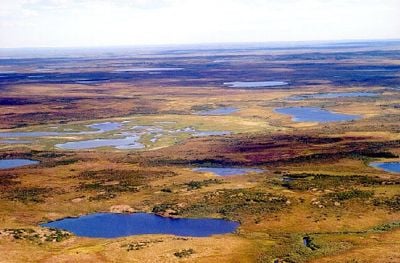
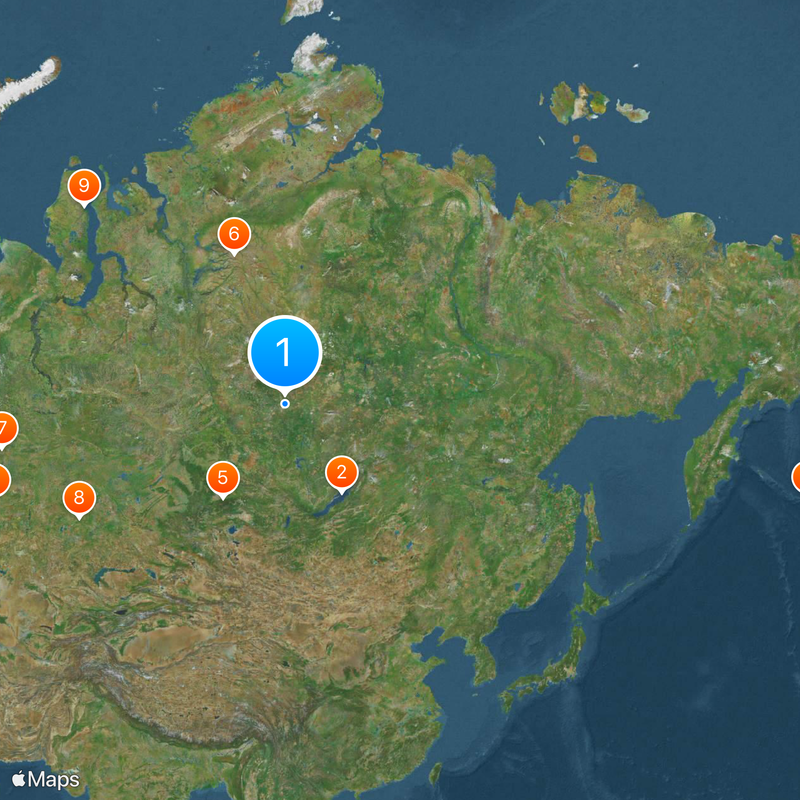
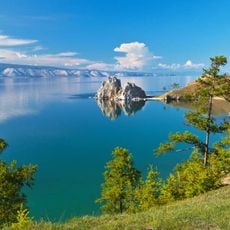
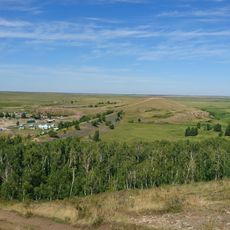
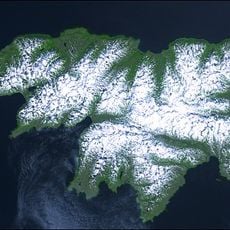
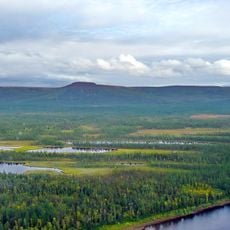
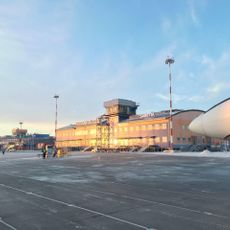
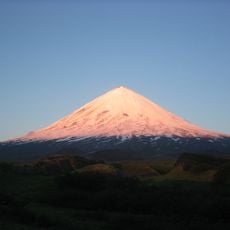
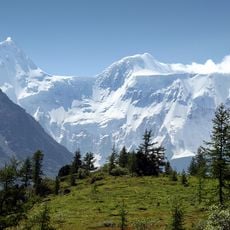
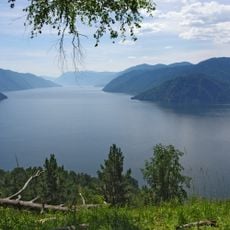
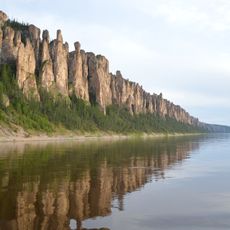
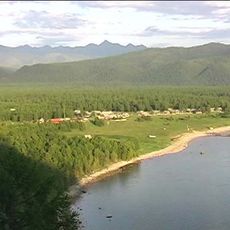
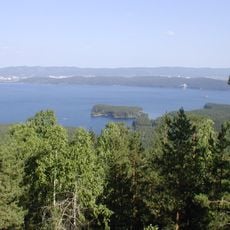
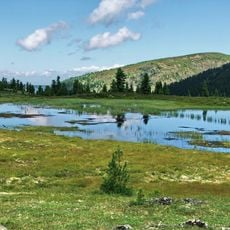
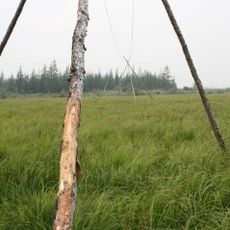
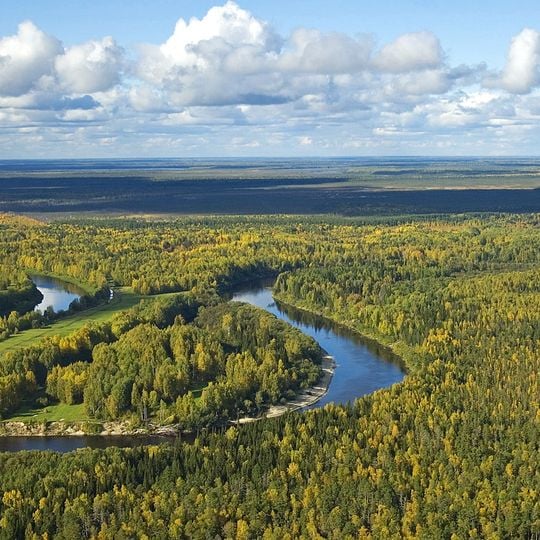
Siberia is a geographic region that extends from the Ural Mountains eastward to the Pacific Ocean across the northern part of Asia. The landscape consists of flat plains along major rivers, mountain ranges in the south, endless taiga forest, and Arctic tundra in the north, with permafrost soil and countless lakes and wetlands in between.
Russian colonization of the territory began in the late 1500s with Cossacks who opened fur trade routes and founded early settlements. During the 1800s, the region became a place of exile for political prisoners and later served as the site of forced labor camps throughout the Soviet period.
Indigenous peoples such as the Nenets and Evenki still inhabit parts of the territory, practicing reindeer herding and shamanic rituals in remote areas. In towns and cities, you will find Orthodox churches alongside museums dedicated to the penal colony system and the memory of forced labor camps.
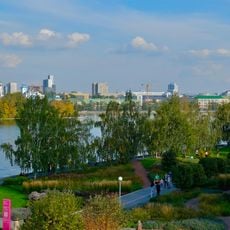
The railway from Moscow to Vladivostok follows the Trans-Siberian line, which carries travelers through different climate zones and time zones over several days. Because of the long distances involved, it is wise to plan overnight stops in larger cities like Yekaterinburg, Novosibirsk, or Irkutsk and prepare for extended travel segments.
Scientists regularly discover perfectly preserved remains of Ice Age animals in the frozen ground, including mammoths with intact tissue and fur. These finds allow researchers to study genetic material that has been conserved for thousands of years.
The community of curious travelers
AroundUs brings together thousands of curated places, local tips, and hidden gems, enriched daily by 92,331 contributors worldwide.