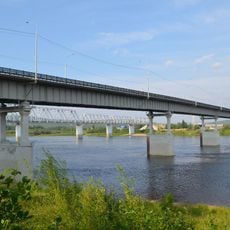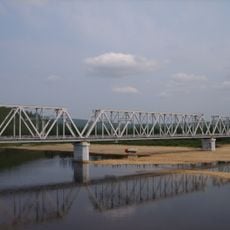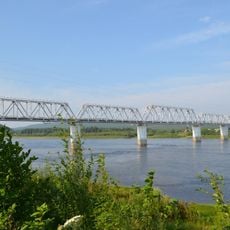
Aldan, Major tributary river in eastern Siberia, Russia.
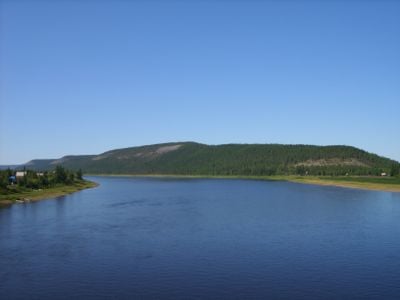
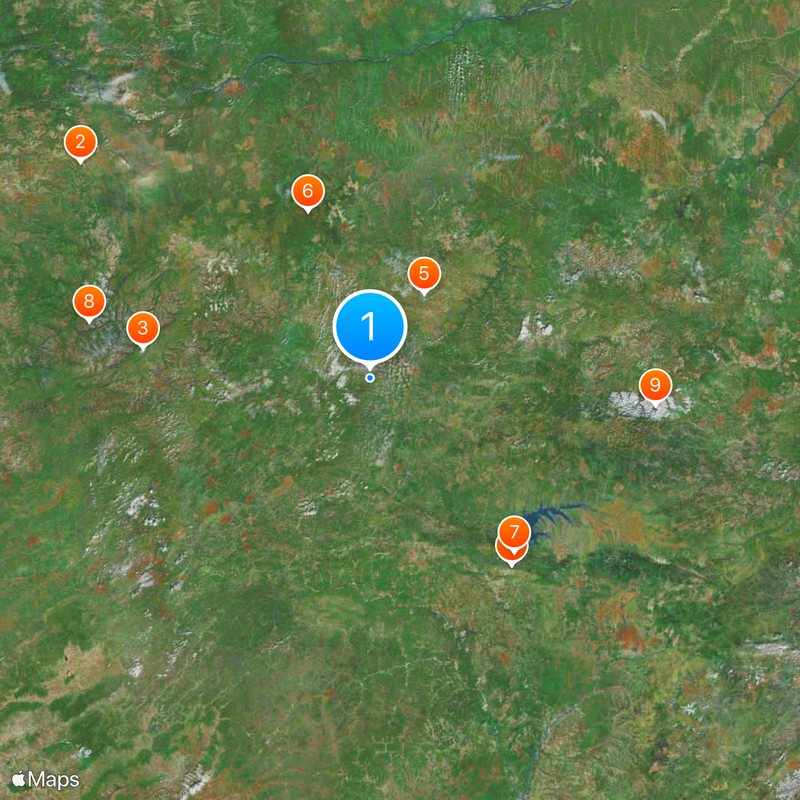
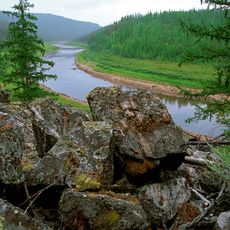
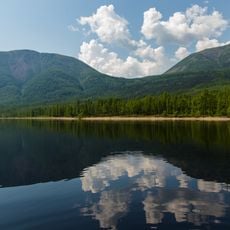
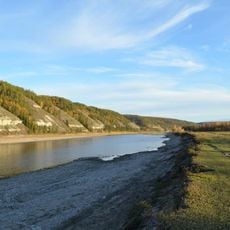
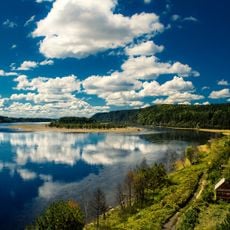
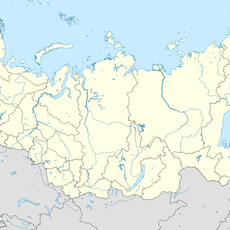
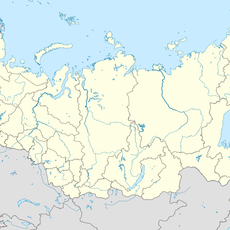
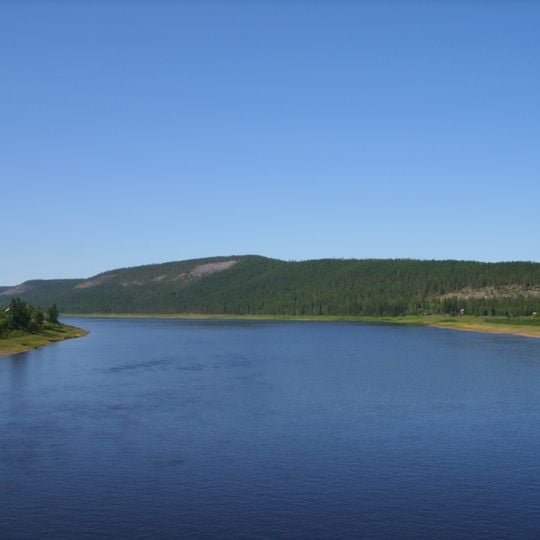
The Aldan is a major tributary system in the Sakha Republic that flows more than 2,000 kilometers from the Stanovoy Mountains to its junction with the Lena River. The waterway shapes the landscape of eastern Siberia with a wide valley and serves as a significant drainage network for the region.
Explorers used this river in the 17th century, including Ivan Moskvitin, who traveled the Aldan route to reach the Sea of Okhotsk in 1639. These early journeys established the waterway as an important access route to eastern regions.
The river's name likely comes from ancient Turkic-Mongolian words referring to gold, reflecting the valuable resources found throughout its basin. For local communities, this waterway has long represented both a practical route and a source of livelihood.
The river remains navigable for approximately 1,600 kilometers, but ice covers the surface from October through May each year. Visitors should time their trips accordingly and prepare for seasonal conditions.
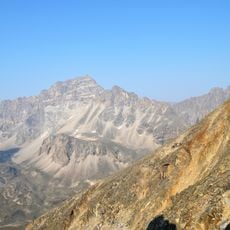
The river basin contains numerous geological formations with fossils from the Cambrian period and holds significant gold deposits throughout its mountain ranges. These fossils are over 500 million years old, making the region important for paleontological research.
The community of curious travelers
AroundUs brings together thousands of curated places, local tips, and hidden gems, enriched daily by 91,803 contributors worldwide.