New Siberia, Arctic island in Bulunsky District, Russia
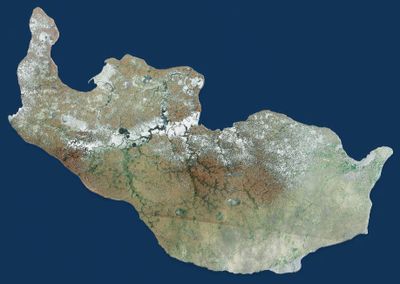
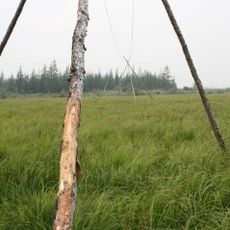
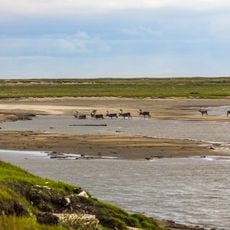
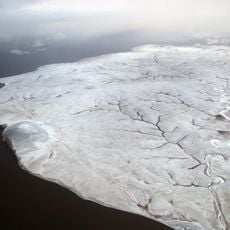
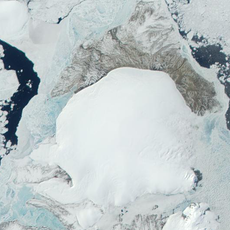
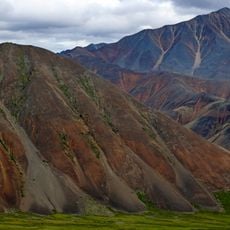
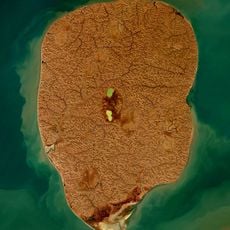
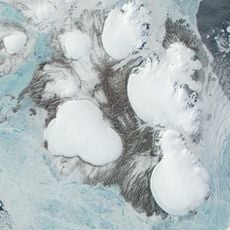
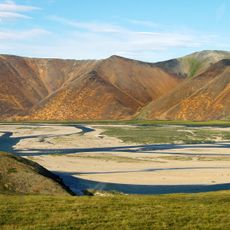
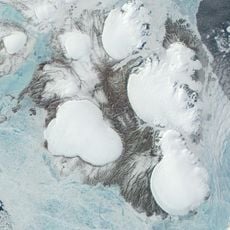
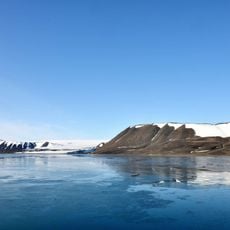
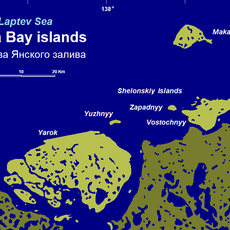
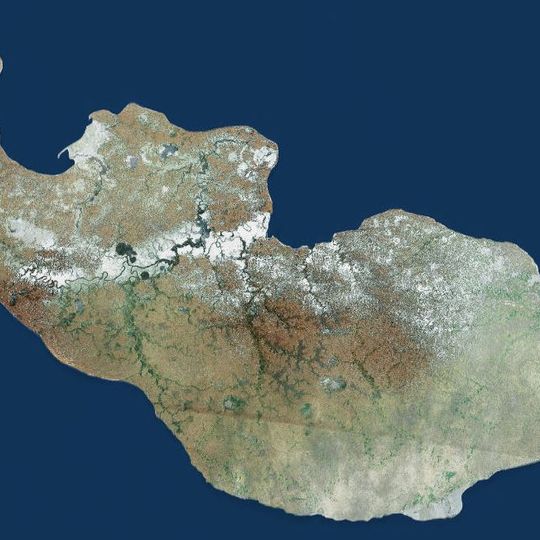
New Siberia is an Arctic island in Bulunsky District, Russia, and forms part of the Anzhu Islands within the New Siberian Islands archipelago. The terrain is largely flat, underlain by permafrost, and covered by snow and ice for most of the year.
Russian explorers charted the island in the early 1800s and gave it its current name during those mapping expeditions. Their work laid the foundation for what became a broader geographic understanding of the whole archipelago.
New Siberia belongs to the Anzhu Islands group, a name given by Russian explorers who mapped this part of the Arctic in the 1800s. Researchers who visit today often focus on reading the exposed ground layers, which tell a story of a very different climate long ago.
The island is extremely remote and not reachable without specialized equipment and official permits. A short window in summer offers more favorable conditions for approaching by sea.
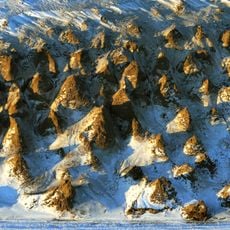
The frozen ground of the island holds well-preserved bones of mammoths and other Ice Age animals buried for thousands of years. These remains date from a time when the climate in this region looked nothing like it does today.
The community of curious travelers
AroundUs brings together thousands of curated places, local tips, and hidden gems, enriched daily by 92,474 contributors worldwide.