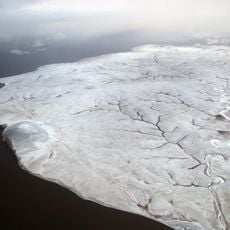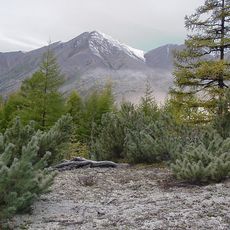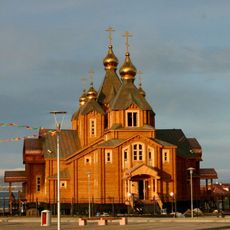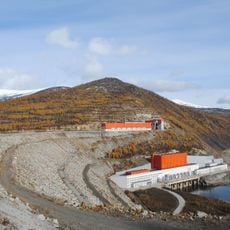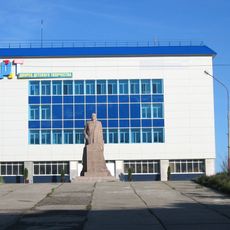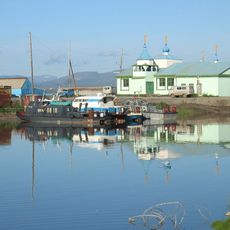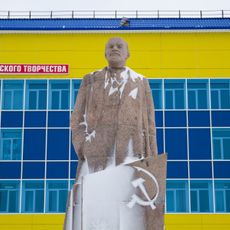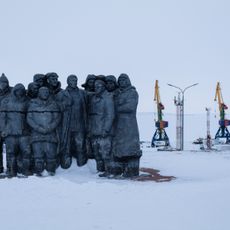
Northeast Science Station, Arctic research station in Chersky, Russia.
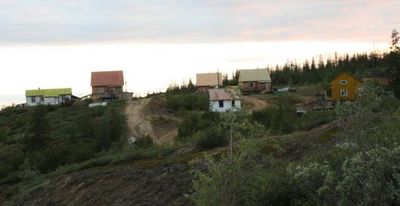
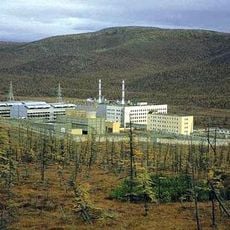
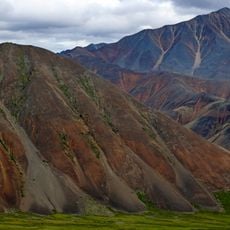
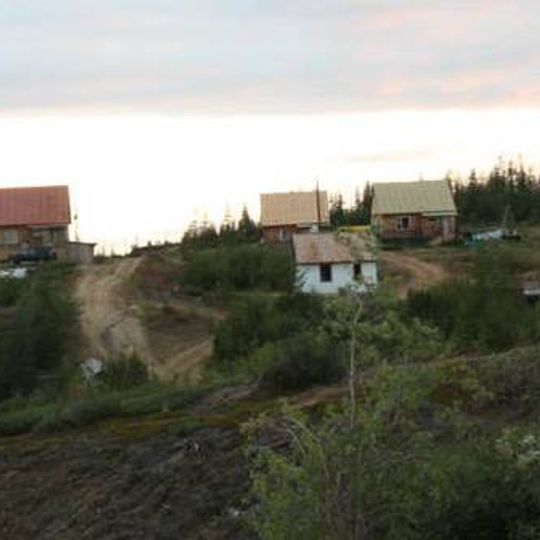
The Northeast Science Station is a research facility at the mouth of the Kolyma River in Siberia, roughly 150 kilometers south of the Arctic Ocean. It contains two laboratories, accommodations for about 25 researchers in houses and dormitories, and field measurement stations with scientific instruments for data collection.
The facility was founded in 1989 by the Russian Academy of Sciences and operated through its Pacific Institute of Geography in the Far East branch. It was established to study the extreme Arctic environment and document long-term changes in this remote region.
International scientists gather at the station to study arctic biology, geophysics, and atmospheric physics while sharing knowledge across borders.
Visits are only possible with permission and under supervision since this is an active research station. Visitors should prepare for extreme cold and heavy snow cover, especially during the long winter months.
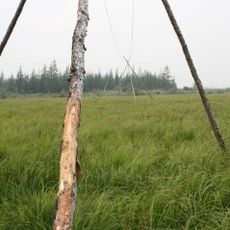
The station manages Pleistocene Park, an experimental preserve of about 160 square kilometers for studying climate change effects on ecosystems. This project explores how certain animal species influence vegetation and may thereby alter the Arctic climate.
The community of curious travelers
AroundUs brings together thousands of curated places, local tips, and hidden gems, enriched daily by 90,777 contributors worldwide.