Zhokhov Island, Archaeological site in Bulunsky Ulus, Russia.
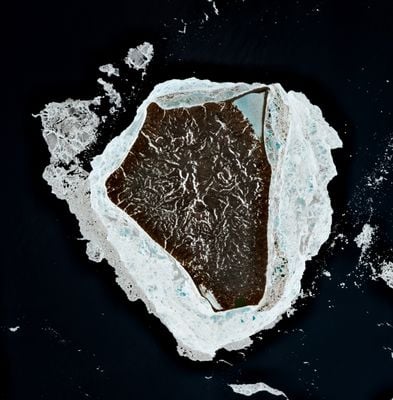
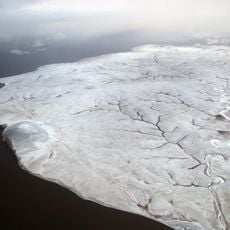
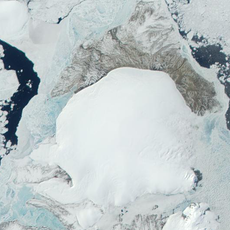
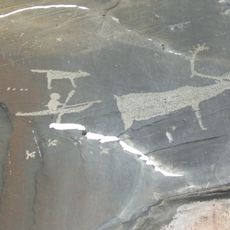
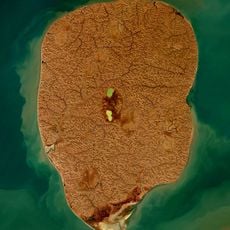
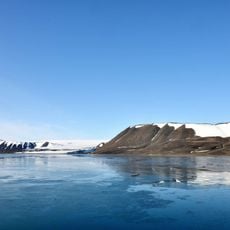
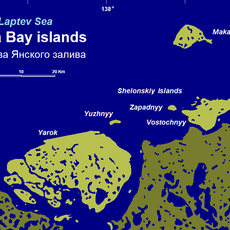
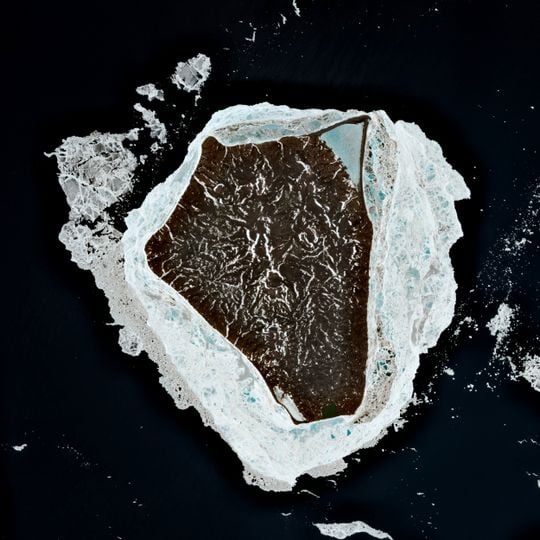
Zhokhov Island is an Arctic island in the Laptev Sea, Russia, that holds evidence of human occupation spanning thousands of years. The landscape consists of alternating flows of lava and tuff, while excavations have uncovered tools and objects crafted from stone, bone, antler, and ivory.
Human settlements on the island date back approximately 6000 years, making it one of the oldest known habitation sites in the Arctic. This long occupation timeline indicates sustained survival and adaptation in one of Earth's harshest environments.
Excavated remains reveal that early inhabitants selectively bred dogs for different purposes: larger ones for hunting and smaller ones for pulling sleds across frozen terrain. This practice shows how communities adapted animals to their specific needs in harsh Arctic conditions.
The island remains frozen and covered in ice for much of the year, making access extremely challenging and requiring specialized equipment and expertise. Visitors planning expeditions need to prepare thoroughly for harsh Arctic conditions and coordinate with local authorities before traveling.
A 9,500-year-old dog skeleton found here contains DNA that closely matches modern Greenland Dogs, Alaskan Malamutes, and Siberian Huskies. This discovery suggests that Arctic sled dog breeds descend directly from animals that lived on this island in prehistoric times.
The community of curious travelers
AroundUs brings together thousands of curated places, local tips, and hidden gems, enriched daily by 91,381 contributors worldwide.