Jebel Moya, Archaeological site in Gezira, Sudan
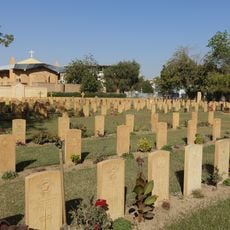
Jebel Moya is an archaeological excavation site on the southern Gezira Plain containing more than 3,000 documented burial locations from different ancient periods. The site spreads across a large area and shows dense concentrations of burials from varying time periods in one location.
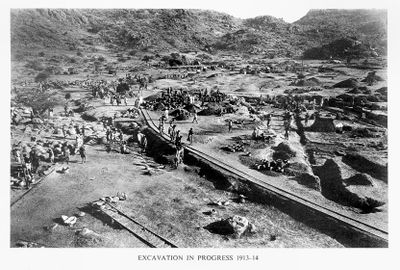
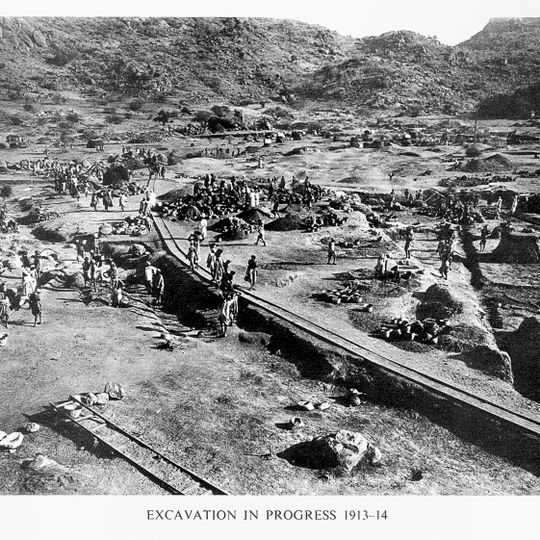
Sir Henry Wellcome carried out extensive excavations between 1911 and 1914, uncovering evidence of human settlement spanning from 5000 BCE to 500 CE. His work established the foundation for understanding how different groups of people used this location over a very long period of time.
The burial grounds display varied ways of laying the dead to rest, with bodies arranged in crouching, prone, and supine positions that reveal social divisions in ancient pastoral communities. These different burial styles tell visitors something about how these early peoples organized themselves and what they valued.
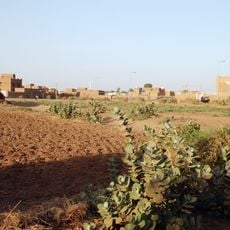
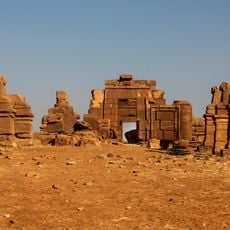
The site sits on an open plain with excavations exposed to the elements, allowing visitors to see archaeological layers directly on the ground. Those visiting the location should come prepared for dry conditions and bring adequate shade, as the area offers little shelter.
Analysis of tooth remains from the excavated bodies shows specific wear patterns that confirm the prehistoric population maintained a pastoralist diet based on herding animals. These wear marks give insight into the daily eating habits and ways of life of the earliest inhabitants.
The community of curious travelers
AroundUs brings together thousands of curated places, local tips, and hidden gems, enriched daily by 92,718 contributors worldwide.