Hjälmaren, Lake system in Örebro Municipality, Sweden
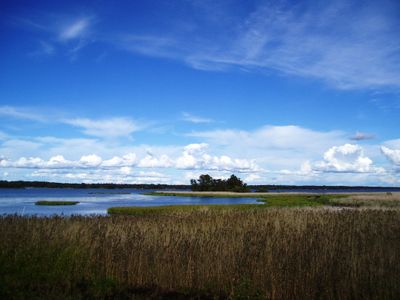
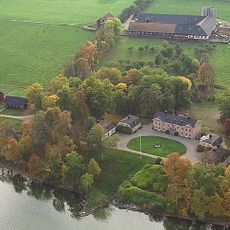
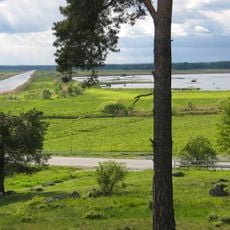
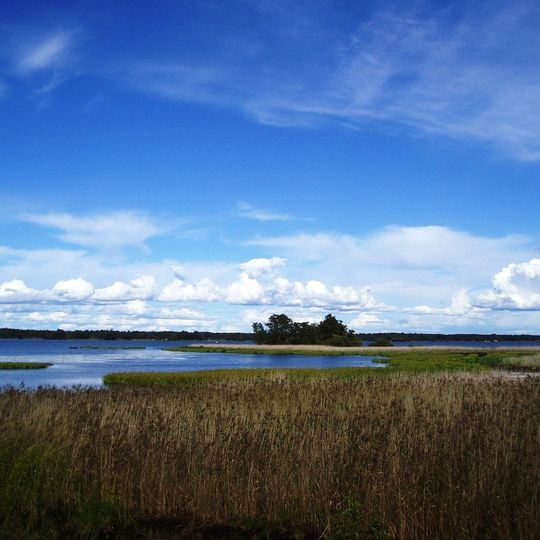
Hjälmaren is Sweden's fourth-largest lake, covering 483 km² across Södermanland, Närke and Västmanland. It is shallow, with an average depth of 6 metres and a maximum of 22 metres, and drains east through Eskilstunaån into Mälaren. The 13-kilometre Hjälmare kanal links it to the Mälaren system, and the lake is divided into five basins, from the very shallow Hemfjärden in the west to Östra Hjälmaren in the east.
The lake formed naturally over thousands of years, but in the late 1800s engineers built dams to deliberately lower the water level. This freed up land along the shores that was then turned into farmland.
The name Hjälmaren comes from an Old Swedish word meaning "the whistling lake" or "storm lake", first recorded as ialmans in 1175. The lake yields crayfish and fish such as perch, zander and pike, and the threatened asp is also found here. Vinön, the largest island, has year-round residents and a ferry link to Hampetorp, one of the few villages on the shore.
Hjälmaren is shallow, with an average depth of 6 metres and a maximum of 22 metres, so the open basins are exposed to wind. The lake is divided into five parts, from the very shallow Hemfjärden by Örebro to Östra Hjälmaren beyond Hjälmaresund. Vinön, the largest island, has year-round residents and a ferry link to Hampetorp. The 13-kilometre Hjälmare kanal connects the lake with Mälaren.
An island in the lake called Engelbrektsholmen was where a well-known Swedish rebel leader was killed in the 1400s, a moment still remembered in local history. The island now sits in a lake whose water level is much lower than it was when that event took place.
The community of curious travelers
AroundUs brings together thousands of curated places, local tips, and hidden gems, enriched daily by 93,688 contributors worldwide.