Stockholms vattenverk, Water treatment facility in Skanstull district, Stockholm, Sweden
Stockholms vattenverk consists of two waterworks, Skanstullsverket (1861) and Eriksdalsverket (1884), on the shore of Årstaviken on Södermalm. The machine and boiler houses were built in red unplastered brick with Gotland sandstone window surrounds on a Stockholm granite base. The first stage at Skanstull had two steam-driven pumps of 70 horsepower each, fed by coal delivered by barge to a small coal harbour.
Skanstullsverket opened in 1861 after Wilhelm Leijonancker's 1853 proposal, and Eriksdalsverket followed in 1884 under Otto Alrutz. Skanstull ran until 1918 and Eriksdal until 1923, when the Norsborg plant took over. Linking buildings to the network cut Stockholm's death rate from 34 to 17 per 1,000 between 1861 and 1895.
The name Årstaverken ties both plants to Årstaviken bay, where the intake for Skanstullsverket sat in the innermost part, with Hammarby Lake kept as a reserve source. The old slow-filter basins of Eriksdalsverket later served for decades as an open-air bathing spot until outdoor pools opened in 1962.
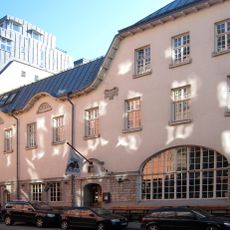
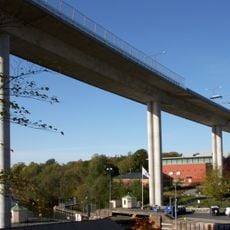
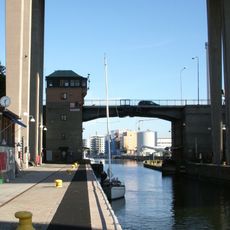
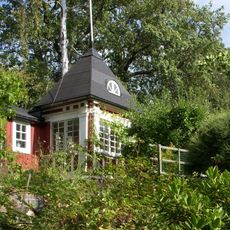
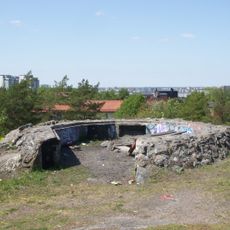
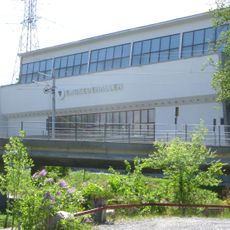
The plants closed in 1923 and no longer receive visitors. What remains can be seen from the outside along the Årstaviken shore on Södermalm: a low red-brick pumping house by the water, a small wooden cabin, and a plastered stone building under Skanstull Bridge that once held the works' office. The old Eriksdal filter basins became an open-air bathing spot until outdoor pools opened in 1962.
The slow sand filter basins of Eriksdalsverket were reused as an open-air swimming spot for several decades, until the new outdoor pools of Eriksdalsbadet opened in 1962. Three buildings survive: a low red-brick pumping house by the shore, a small wooden cabin, and a plastered stone office under Skanstull Bridge.
The community of curious travelers
AroundUs brings together thousands of curated places, local tips, and hidden gems, enriched daily by 94,458 contributors worldwide.