Kesab, human settlement
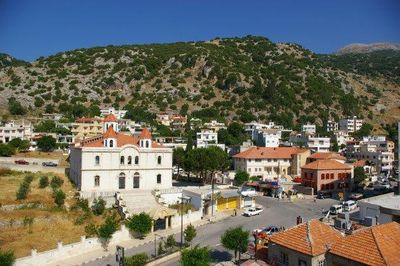
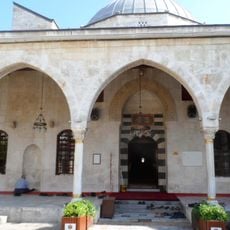
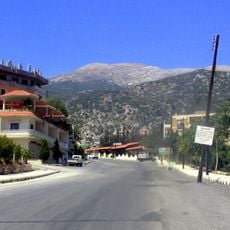
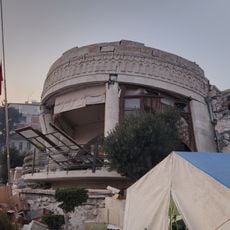
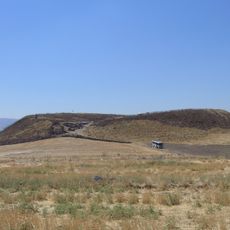
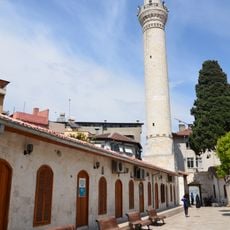
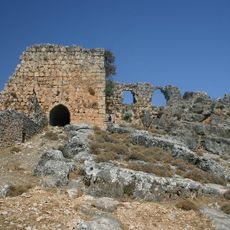
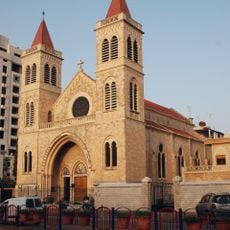
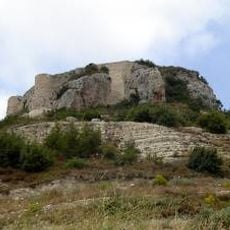
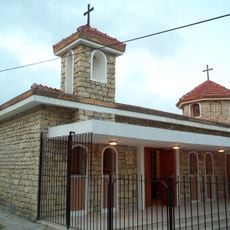
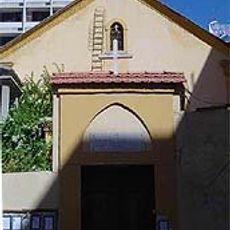
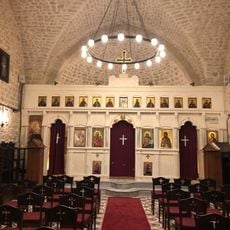
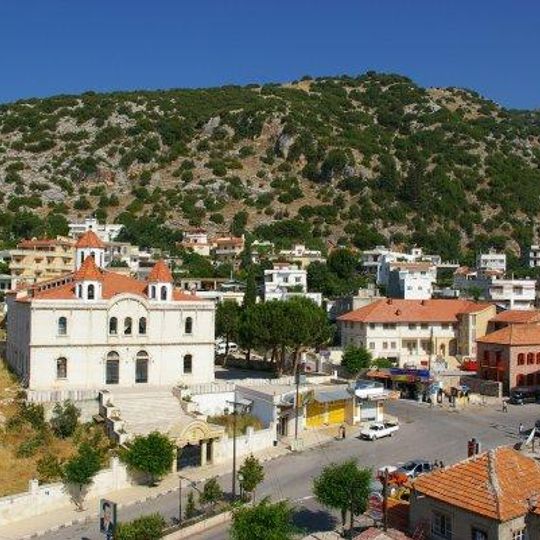
Kesab is a small mountain village in northwestern Syria situated at about 750 meters elevation on the slopes of Mount Aqra and surrounded by green mountains and deep valleys. The settlement contains several Armenian churches, including the oldest dating to 909, as well as a mosque built in the 1970s that reflects the community's diverse history.
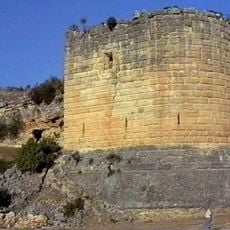
The location served as an important trading point between Antioch and Laodicea during Roman times and first appeared in Crusader-era documents. From the 14th century, Armenians settled there to escape persecution, but the community suffered heavy losses from unrest in 1909 and the genocide of 1915, followed by deportations and displacement.
Kesab has been a center of Armenian community life for centuries, with the Armenian language, traditions, and churches shaping daily life in the town. Residents maintain their cultural identity through regular religious and cultural celebrations that continue to structure community life today.
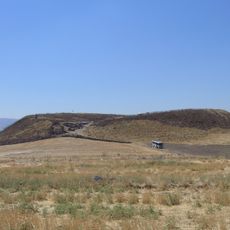
The village sits near the Turkish border and just a few kilometers from the Mediterranean Sea, with a mild and moist climate that makes summer visits particularly pleasant. The area suits hiking among nearby forests and mountains, with orientation aided by the surrounding peaks.
The oldest Armenian church in Kesab, the Church of Saint Stephen of Karadouran, was built in 909 and makes this location a rare example of continuous Armenian presence spanning over one thousand years. Despite repeated conflicts, including a brief militia occupation in 2014, the community managed to preserve and rebuild its churches.
The community of curious travelers
AroundUs brings together thousands of curated places, local tips, and hidden gems, enriched daily by 91,982 contributors worldwide.