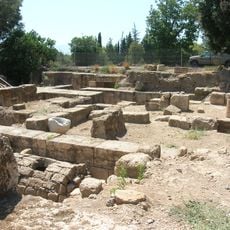
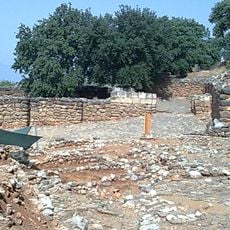
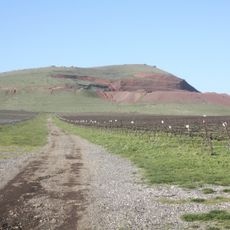
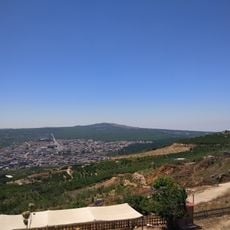
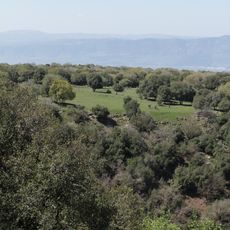
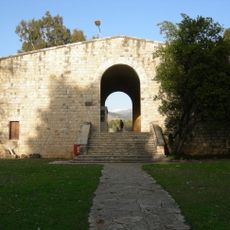
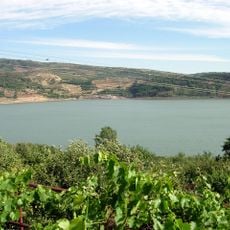
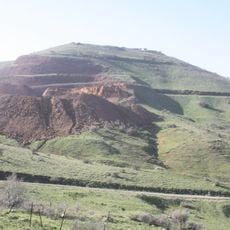
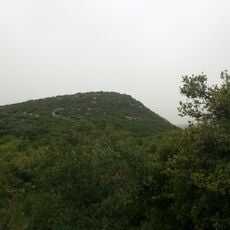
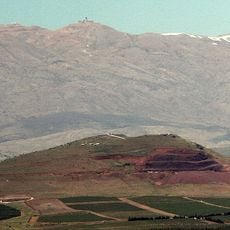
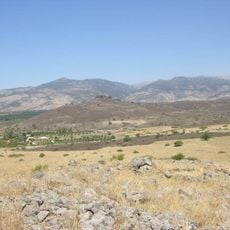
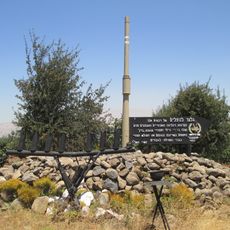
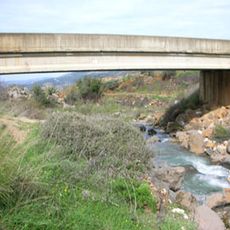
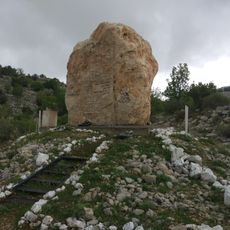
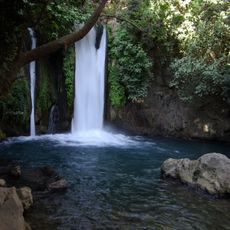
Tell Ramad, Neolithic archaeological site southwest of Damascus, Syria.
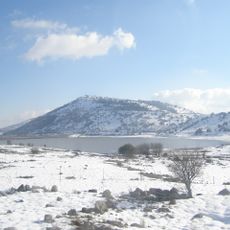
Tell Ramad is a Neolithic settlement at the foot of Mount Hermon in Syria with three distinct layers showing occupation over time. The site spans several hectares and contains evidence of early agriculture including domesticated wheat, barley, and flax, with storage structures for storing grain.
The settlement dates from the Neolithic period with evidence spanning from around 7200 to 6300 BC, discovered through eight excavation seasons conducted between 1963 and 1973. French archaeologists Henri de Contenson and W.J. van Liere uncovered extensive structures from this early era.
The inhabitants built oval pit dwellings with lime-plaster floors and practiced shared burial customs in communal tombs containing grave goods. These practices show how early communities shaped their living spaces and honored their dead.
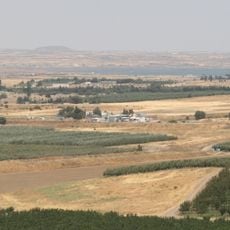
The site is located southwest of Damascus and accessible via local roads, with daytime visits offering the best view of the excavation areas. Visitors should be prepared for uneven terrain and wear appropriate footwear for walking across the site.
One of the oldest copper pendants was discovered at this location, showing the beginnings of metalworking in the region. The artifact indicates that people were already working and crafting copper in the 7th millennium BC.
The community of curious travelers
AroundUs brings together thousands of curated places, local tips, and hidden gems, enriched daily by 60,000 contributors worldwide.