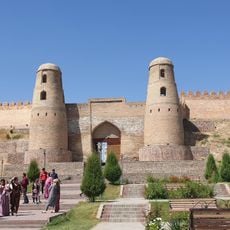
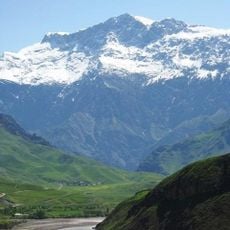
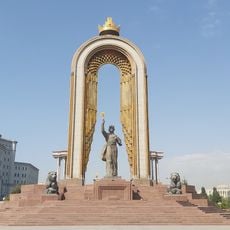
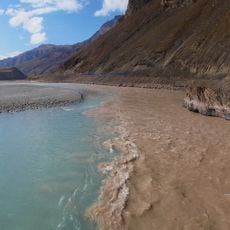
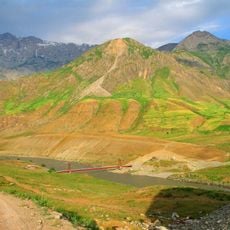
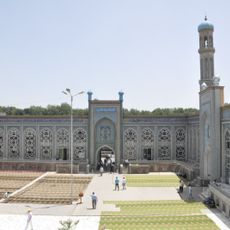
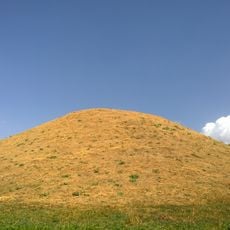
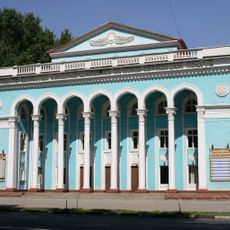
Hulbuk, Archaeological site in Vose District, Tajikistan.
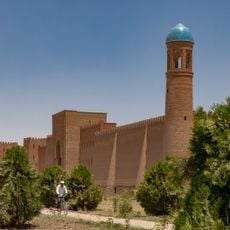
Hulbuk is an archaeological site with remains of fortress walls, towers, and two distinct palaces built during different periods. The ruins clearly show how people continuously inhabited and rebuilt this place across multiple centuries.
The fortress city flourished between the 9th and 12th centuries as a strategic military point controlling the western entrance to the Pamir region. Its rise and fall reflected the changing power dynamics and trade patterns of Central Asia during the medieval period.
Wall paintings found here depict animal deities and dancers, reflecting strong Zoroastrian beliefs that shaped the region. These artistic details reveal the religious worldview of people who lived in this place centuries ago.
The site lies about 26 kilometers southwest of Kulob and is accessible via the main road connecting Kulob and Danghara. Visit during warmer months when paths are more passable and conditions for exploring the ruins are easier.
The site contains two separate palaces built centuries apart: a lower palace from the 9th century and an upper palace from the 11th century. This layering reflects how different rulers reshaped the location to suit their own needs across successive periods.
The community of curious travelers
AroundUs brings together thousands of curated places, local tips, and hidden gems, enriched daily by 90,831 contributors worldwide.