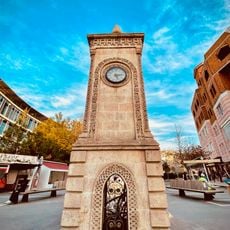
Mardin, Ancient city on limestone plateaus in southeastern Turkey.
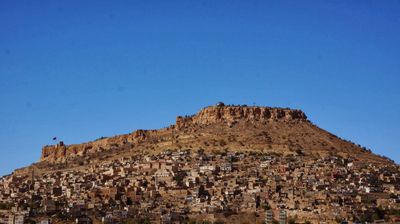
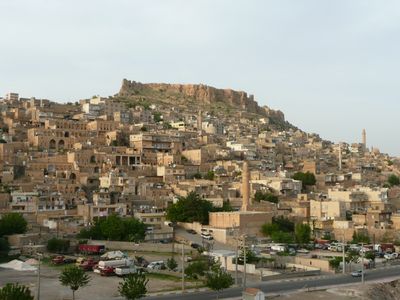
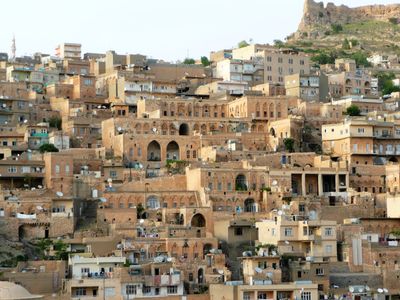
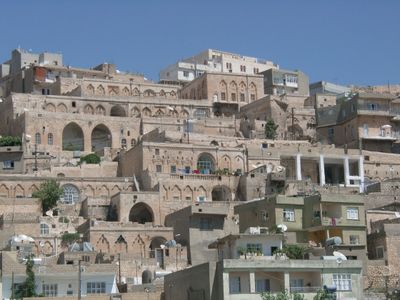
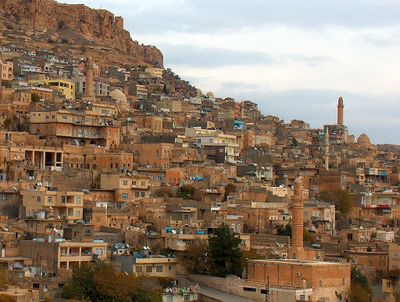
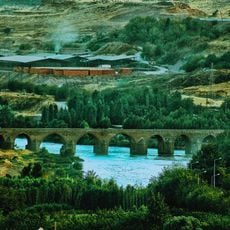
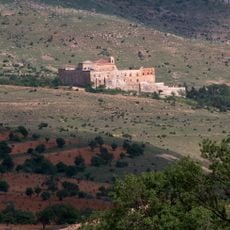
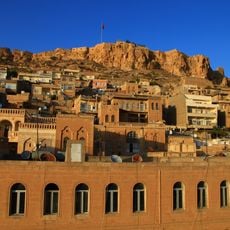
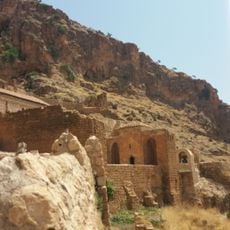
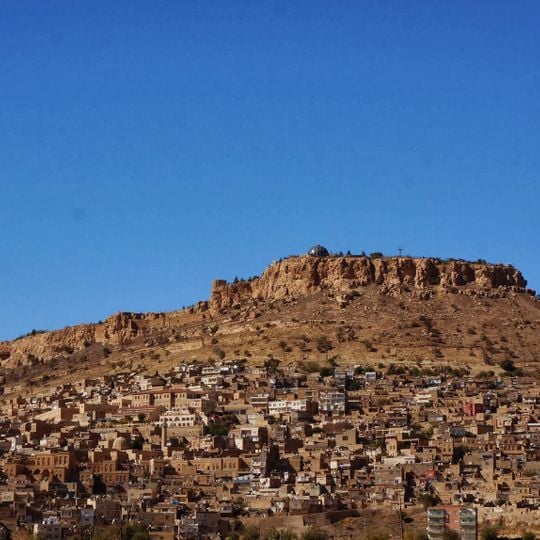
Mardin is a city on the southern slopes of a limestone plateau in southeastern Turkey, rising about 1,083 meters above the Mesopotamian plain. Stone buildings form terraces along the mountainside, creating a stepped urban landscape that spreads across the hillside.
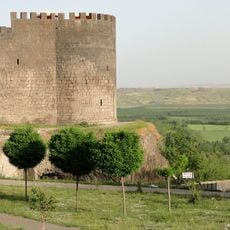
The Romans built a citadel here, which the Seljuqs seized in the late 11th century. Sultan Selim I brought the fortress into the Ottoman Empire in 1516, turning it into an administrative center for the region.
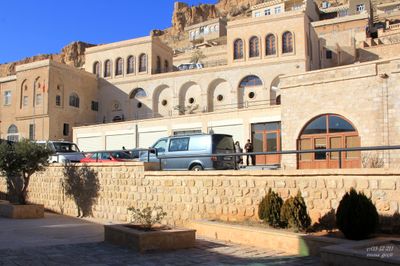
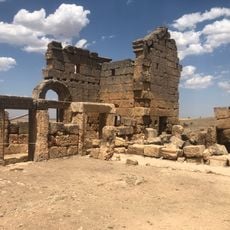
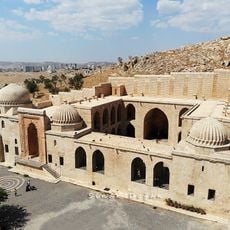
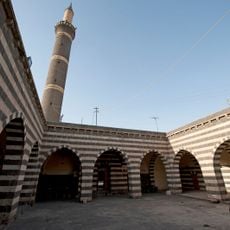
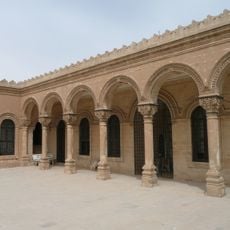
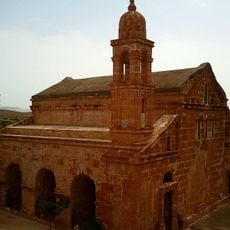
The Great Mosque and Sultan Isa Medrese showcase Islamic architecture from the Artuqid period, while several churches document the Christian presence in the region. Craftsmen still work with limestone today, shaping facades and ornaments using techniques passed down through centuries.
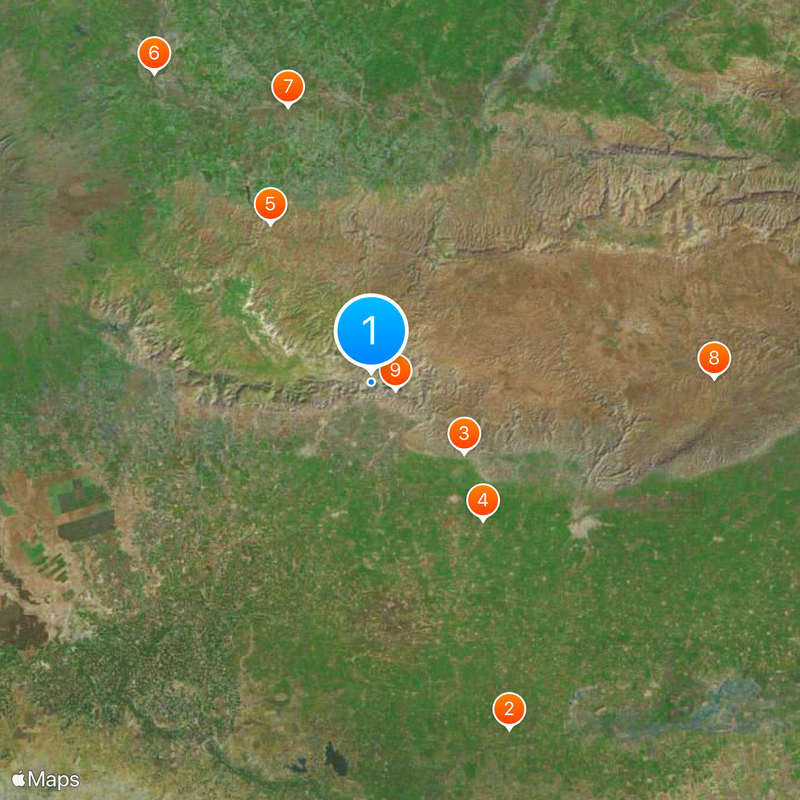
A railway branch links the area to the Istanbul-Baghdad line, and roads reach Gaziantep and other trading centers nearby. Walking through the old lanes requires sturdy shoes, as many paths consist of uneven stone steps.
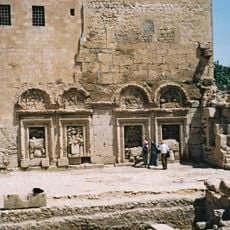
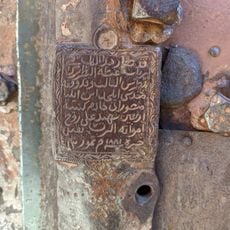
Stone carvers preserve methods from the Artuqid era and still create intricate patterns on limestone that appear on buildings in the old town. The facades of many old houses carry these fine reliefs, which stand out clearly in sunlight.
The community of curious travelers
AroundUs brings together thousands of curated places, local tips, and hidden gems, enriched daily by 91,376 contributors worldwide.