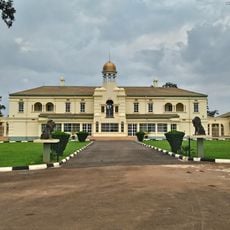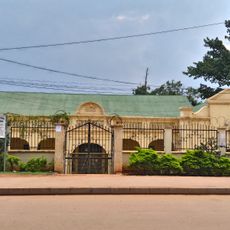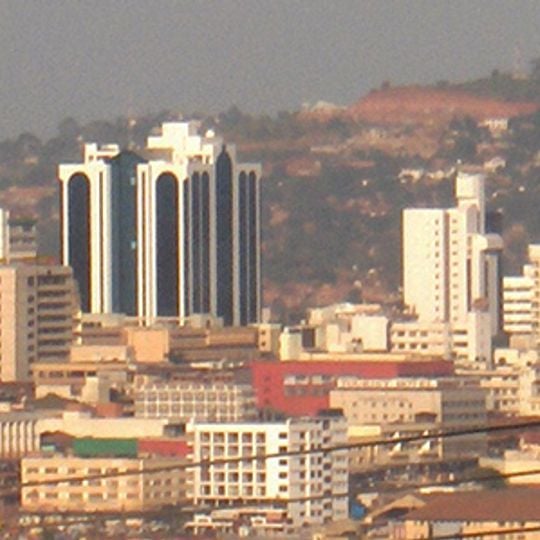
Kampala, Capital city in Central Uganda.
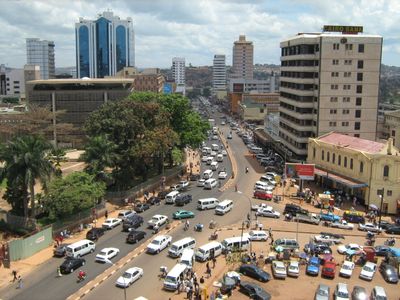
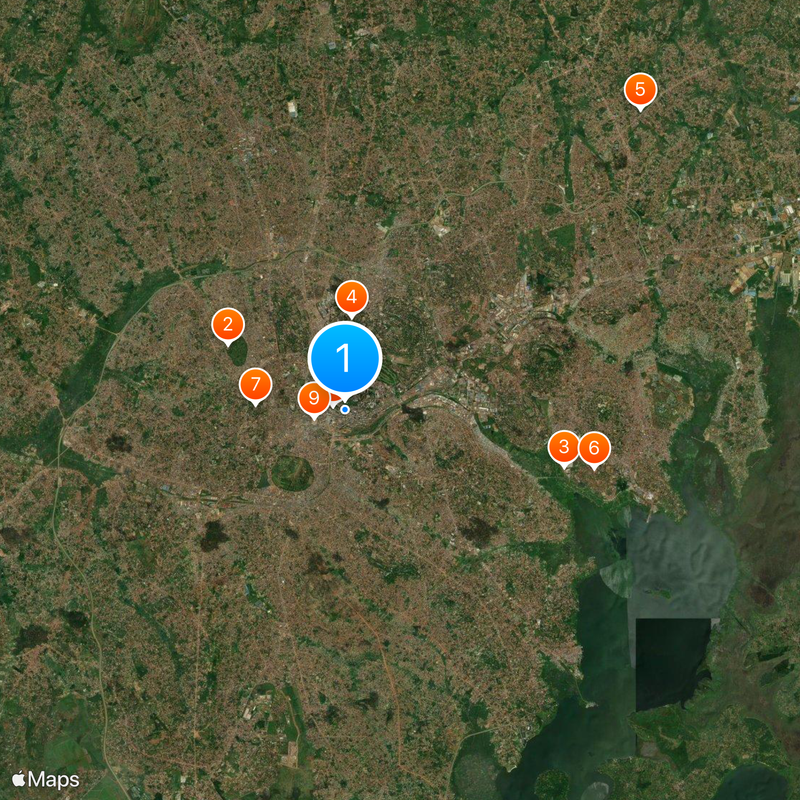
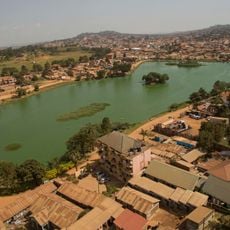
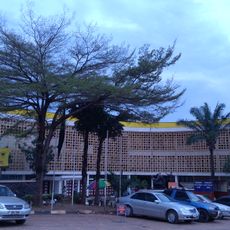
Kampala is the capital of Uganda and spreads over more than twenty hills, with valleys in between that contain roads, commercial districts, and markets. The higher areas hold residential neighborhoods with mixed architecture, while the lower zones mostly host commerce, workshops, and densely populated neighborhoods.
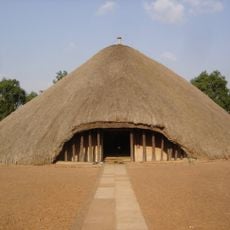
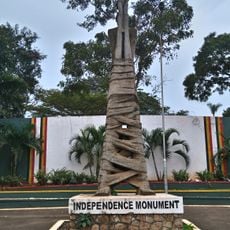
The settlement began in the late 19th century as an administrative center for the Buganda Kingdom, before becoming a base for British colonial operations in the 1890s. After Uganda gained independence in 1962, it remained the capital of the new nation and grew significantly in the following decades.
Street vendors grill corn and fried plantains at major intersections, while boda-boda drivers in bright vests weave their motorcycles through traffic. In residential neighborhoods, neighbors gather for tea and conversation on verandas in the late afternoon, often accompanied by radio broadcasts of local music.
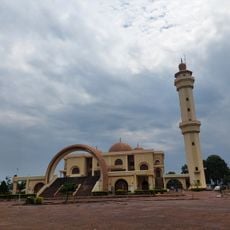
Matatus and minibuses run on fixed routes through the city, but they can stop on request. Weekend mornings are less crowded, and many shops open later than on weekdays, while religious gatherings at churches and mosques slow traffic in certain neighborhoods.
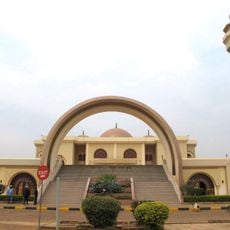
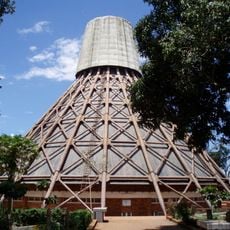
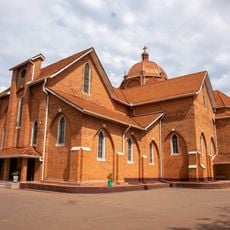
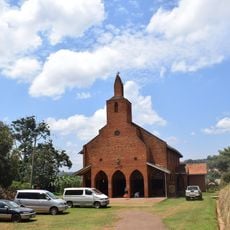
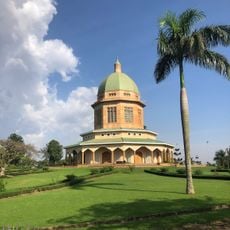
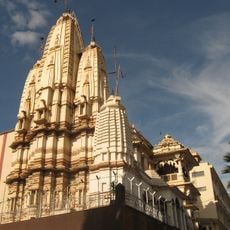
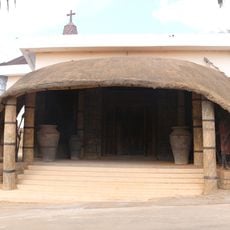
The Anglican cathedral on Namirembe Hill, a brick structure from the 1890s, is one of the oldest continuously used Christian buildings in East Africa. Several hills hold similar religious sites that represent different faiths and together form a skyline of domes and towers.
The community of curious travelers
AroundUs brings together thousands of curated places, local tips, and hidden gems, enriched daily by 90,836 contributors worldwide.