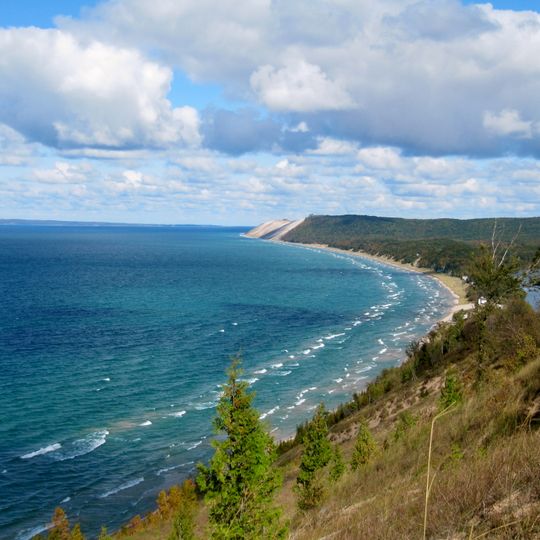
Lake Michigan, Freshwater lake in northern United States
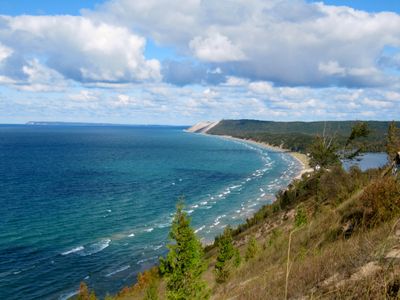
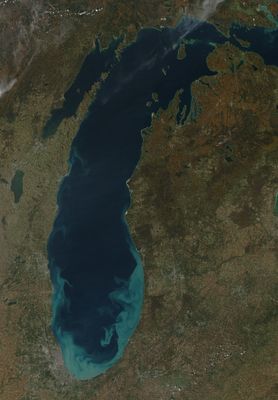
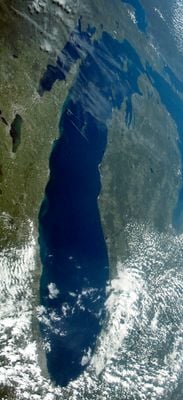
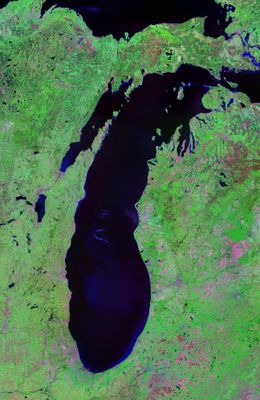
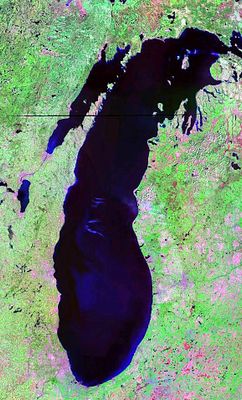
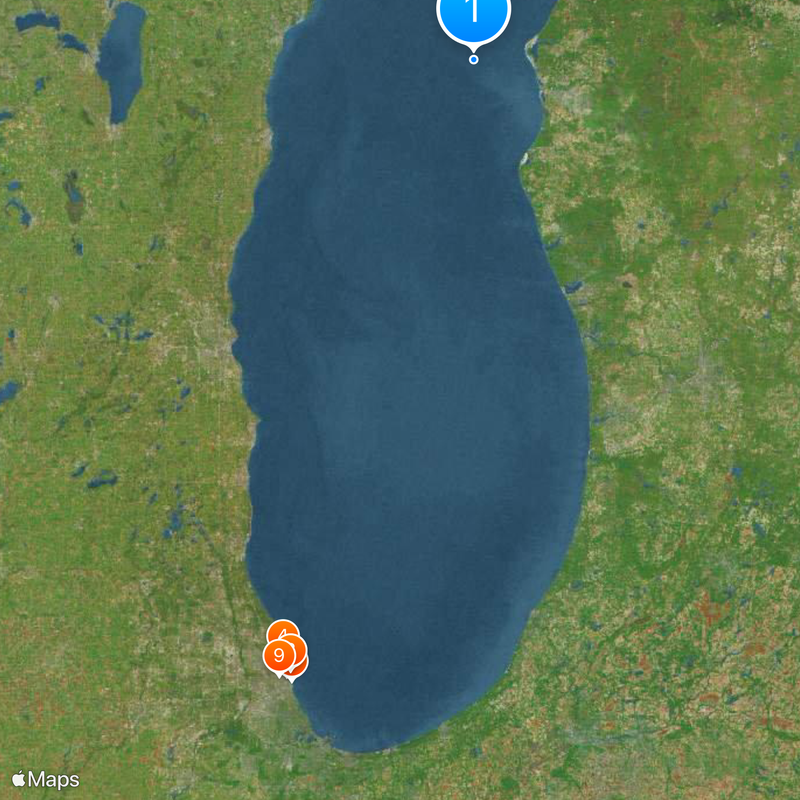
Lake Michigan reaches a maximum depth of about 280 meters (920 feet) and covers roughly 58,000 square kilometers (22,400 square miles), with shores touching Michigan, Illinois, Indiana, and Wisconsin. Its waters connect to the other Great Lakes through waterways, forming the largest freshwater system on Earth.
Indigenous peoples lived along the shores for thousands of years before French explorers arrived in the mid-1600s and established trade routes. Cities grew along the shoreline in the following centuries, and shipping carried settlers and goods between the developing communities.
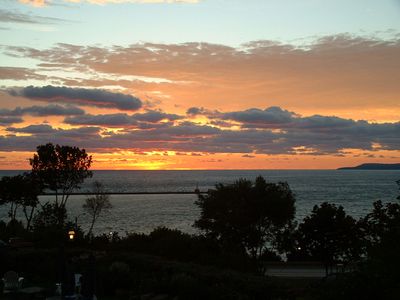
Communities around the lake hold summer festivals along the shore, where visitors can watch fishing boats return with their catch and listen to live music. These gatherings show how local life revolves around the water, with families spending weekends at sandy beaches and harbors.
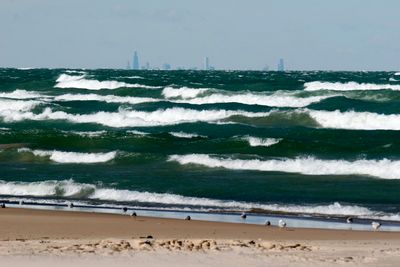
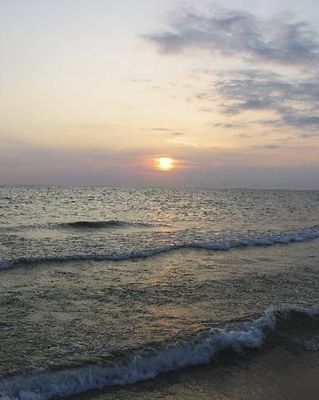
Conditions on the water can change quickly, and wind may pick up suddenly on a calm morning, so visitors should watch for weather shifts. Most shoreline spots are accessible from May through September, when water temperatures rise and public beaches open for swimming.
On some winter days, parts of the lake freeze and large sheets of ice break apart and pile up under strong winds, forming tall, jagged mounds along the shore. This phenomenon temporarily transforms the coastline into a frosty landscape that looks nothing like the summer beaches.
The community of curious travelers
AroundUs brings together thousands of curated places, local tips, and hidden gems, enriched daily by 60,000 contributors worldwide.