Penobscot Bay, Atlantic Ocean inlet in southern Maine, US
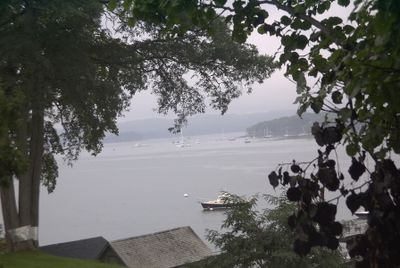
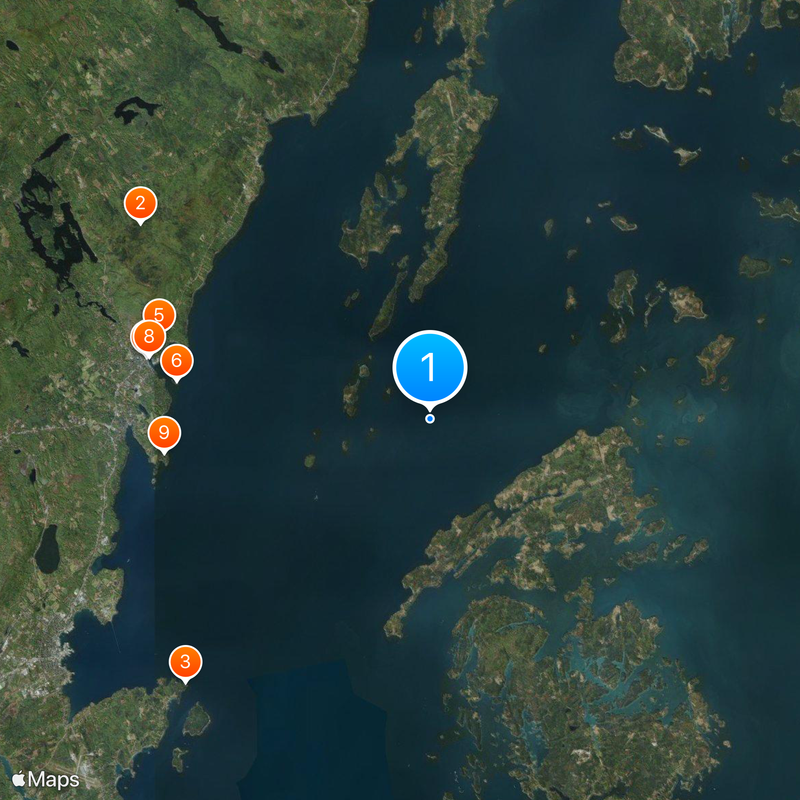
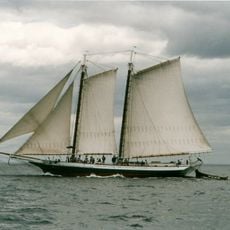
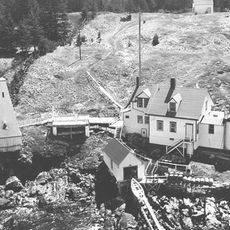
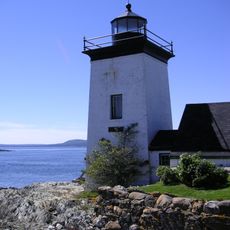
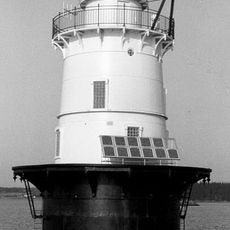
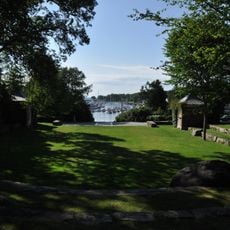
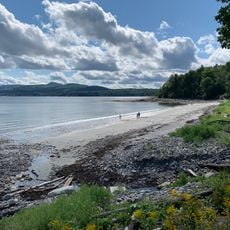
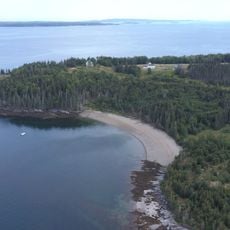
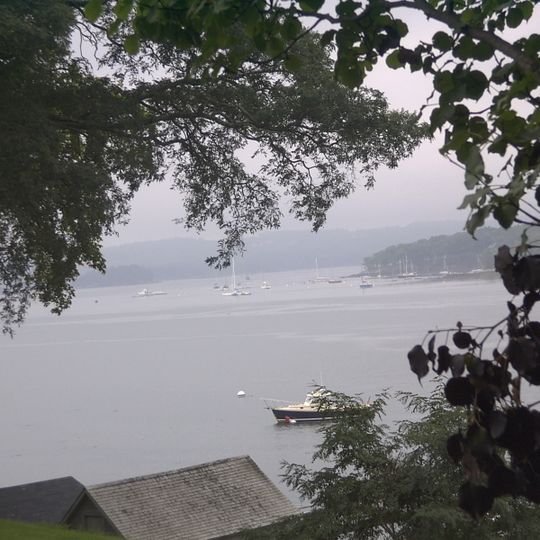
Penobscot Bay is a coastal inlet in Maine where open ocean waters meet a network of islands and mainland shores. The bay reaches far inland, creating calm anchorages and fishing communities in sheltered coves.
English explorers reached the bay in 1603, followed by Samuel de Champlain who mapped the area a year later. These early voyages opened the coast to European settlement and transformed the region's future.
The Penobscot people harvested fish and shellfish from these waters for millennia, creating deep ties to the bay that remain part of the region's identity. Today, visitors can encounter this heritage through local communities and their connection to the sea.
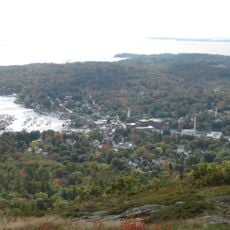
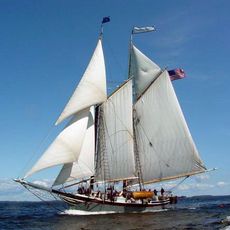
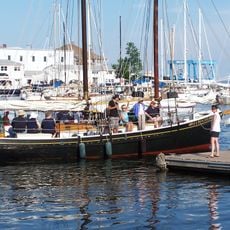
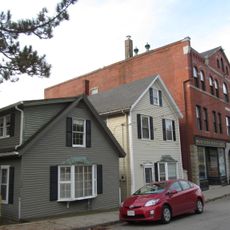
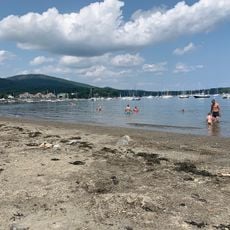
Several coastal towns including Rockland, Camden, and Belfast serve as natural gateways for exploring the bay. Depending on the season, visitors can access boat activities, fishing opportunities, or waterfront views directly from these communities.
The bay was shaped by rising sea levels thousands of years ago, which flooded an old river valley and created the island-dotted landscape visible today. This geological transformation explains why the water reaches so far inland and provides such calm anchorages.
The community of curious travelers
AroundUs brings together thousands of curated places, local tips, and hidden gems, enriched daily by 60,000 contributors worldwide.