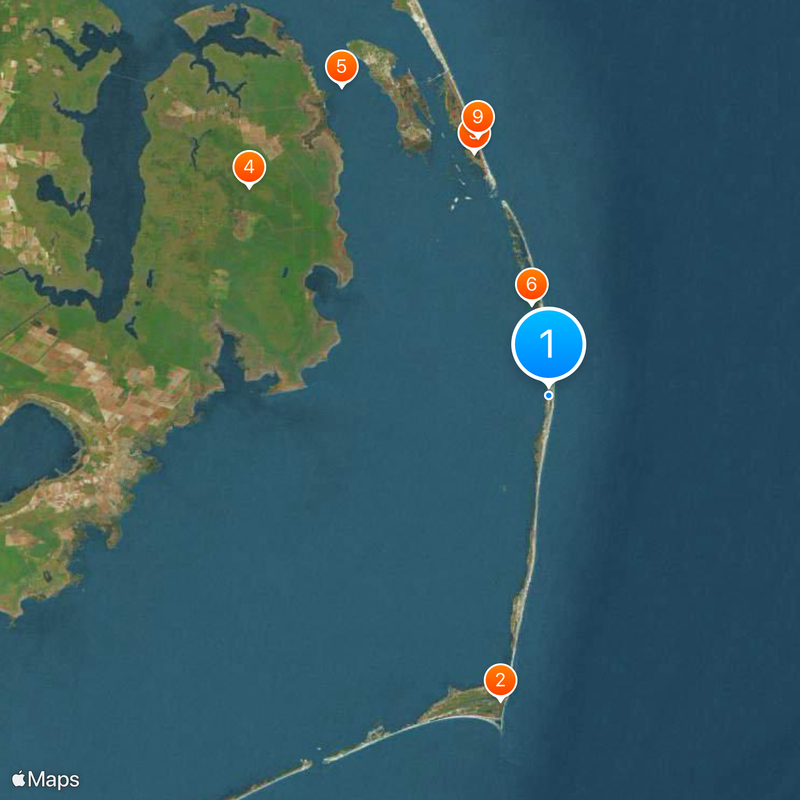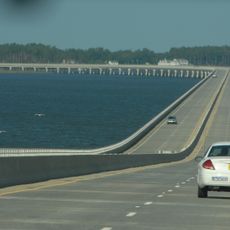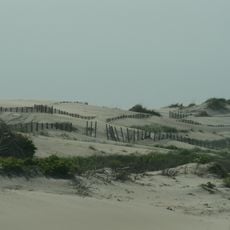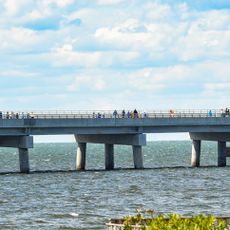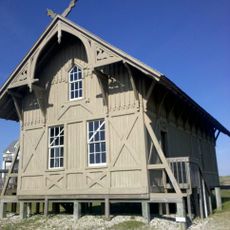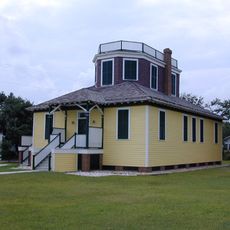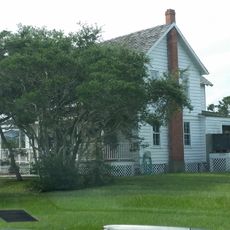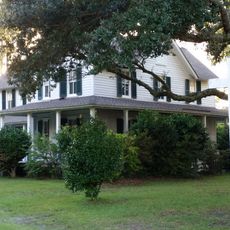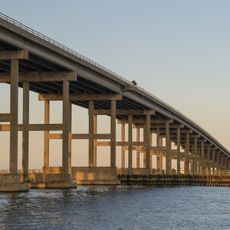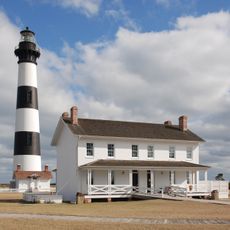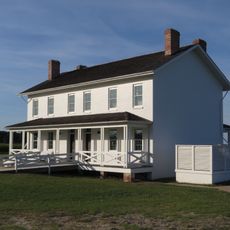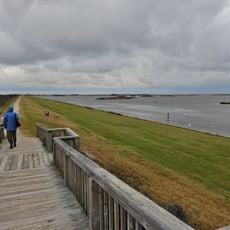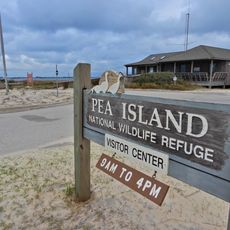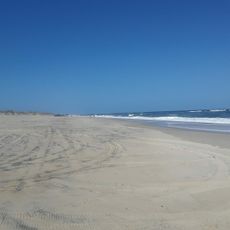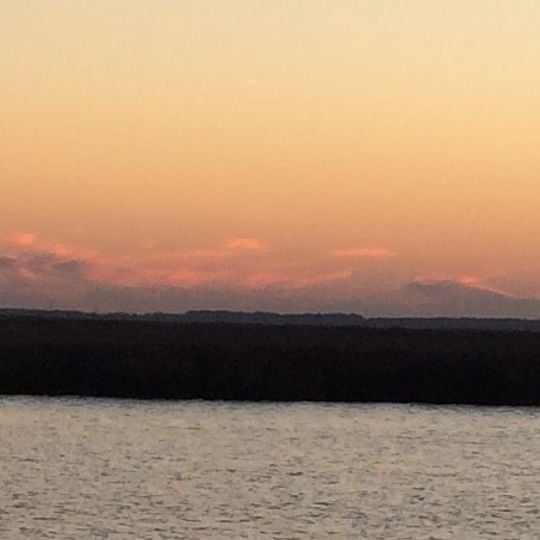
Outer Banks, Barrier islands in North Carolina, US.
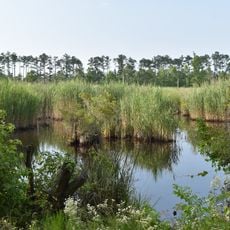
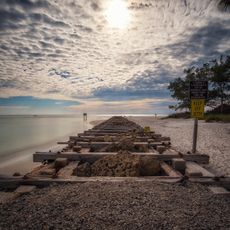
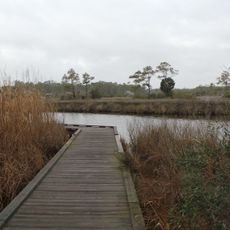
The Outer Banks form a chain of barrier islands stretching roughly 200 miles (about 320 kilometers) along the North Carolina coast, separating the Atlantic from shallow inland sounds. Sandy beaches backed by tall dunes run along the ocean side, while the landward shores open onto wide, calm bays dotted with grasses and marshes.
English settlers established a colony on Roanoke Island in the late 16th century, but the entire group vanished without a trace within a few years. Centuries later, the region became a testing ground for early aviation and witnessed countless shipwrecks along the dangerous coastline.
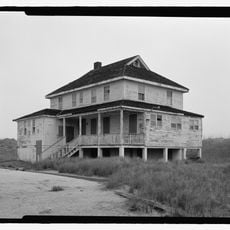
Wooden houses with wide porches line the narrow roads that run through small fishing villages, where local crews still haul nets from open boats. In summer, families set up folding chairs by the shore and spend entire days watching the ocean, while surfers in wetsuits gather near the piers waiting for the right swell.
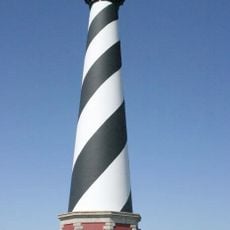
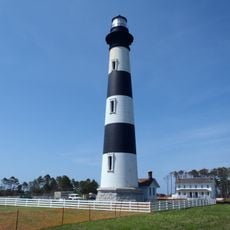
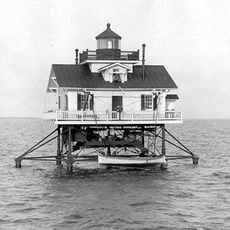
Strong winds and shifting currents shape conditions year round, so swimmers and boaters should check local forecasts before heading out. Several lighthouses are open to visitors and serve as useful landmarks for orientation along the long coastline.
The Wright brothers chose a dune near Kill Devil Hills for their early flight experiments in the early 1900s, drawn by the reliable winds and forgiving landing surface. Hang gliders still launch from the same windswept slopes today, soaring above the sand hills.
The community of curious travelers
AroundUs brings together thousands of curated places, local tips, and hidden gems, enriched daily by 91,482 contributors worldwide.