Hudson Terminal, former train station in New York City
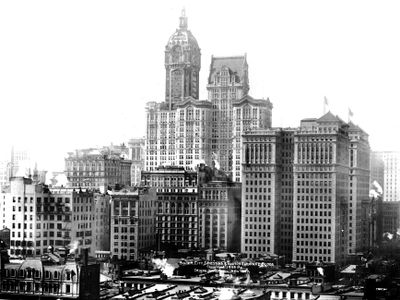
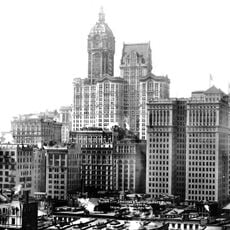
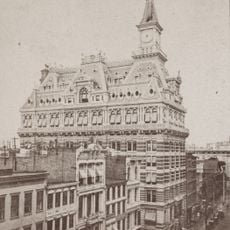
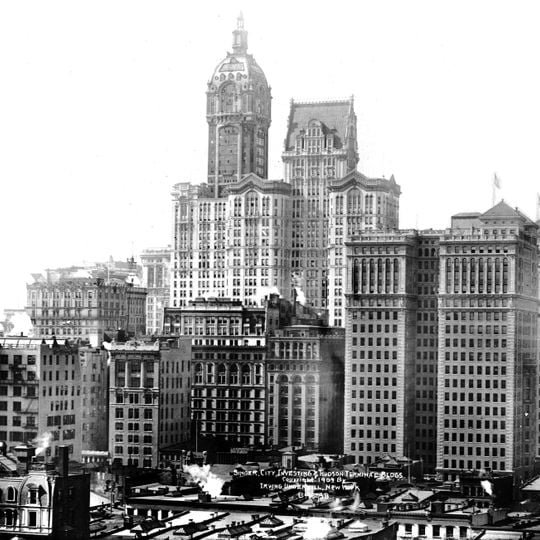
Hudson Terminal was a railway complex in Manhattan consisting of an underground station with five tracks and two tall office buildings in neoclassical style erected above it. The structures featured columned facades and symmetrical lines, rising more than 20 stories with integrated office space, shops, and waiting areas directly over the platforms.
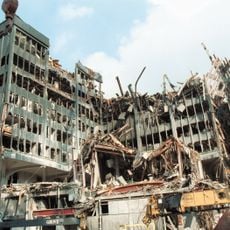
Hudson Terminal opened in the early 1900s and was one of the first structures worldwide to combine office space directly above a train station. By the mid-20th century, it lost importance as new transportation routes developed, and it was eventually demolished in the 1970s to make way for the World Trade Center.
The name Hudson Terminal refers to its location near the Hudson River and its role as a railway hub. The area was a gathering place where the neoclassical design conveyed strength and progress, reflecting how transportation shaped daily life in early 20th-century Manhattan.
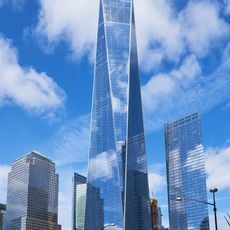
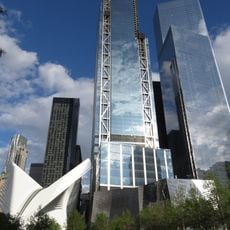
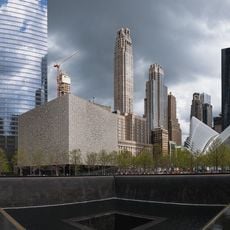
The site is no longer accessible today as all original structures have been demolished. Visitors can learn about it through old photographs and historical records available online or by visiting the current World Trade Center site built in its place.
At its peak, the station served over 600,000 passengers daily, making it one of the busiest terminals of its era. It pioneered the concept of integrating office space directly above rail platforms, an innovative design that later inspired similar projects worldwide.
The community of curious travelers
AroundUs brings together thousands of curated places, local tips, and hidden gems, enriched daily by 60,000 contributors worldwide.