Cobble Hill Tunnel, railway tunnel in Brooklyn, New York City
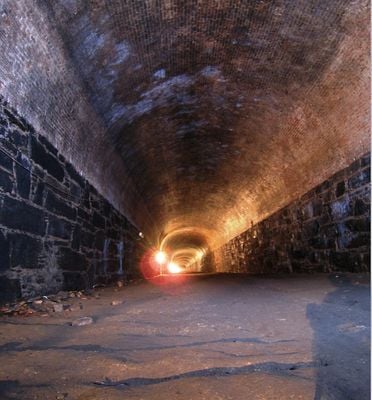
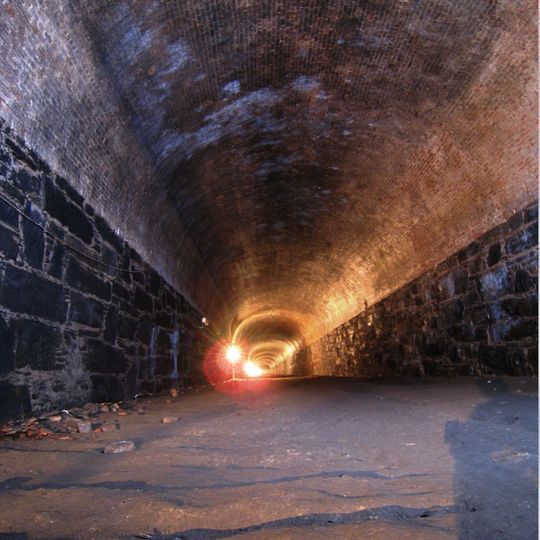
The Cobble Hill Tunnel is an underground railroad tunnel beneath Atlantic Avenue in Brooklyn, stretching about 767 meters in length. It was originally built in 1844 as an open cut and covered over in 1849, creating a passage roughly 17 feet (5 meters) high.
The tunnel was built in 1844 by the Brooklyn and Jamaica Railway to carry trains beneath streets and connect them to South Ferry, where passengers could board ferries to Manhattan. In 1861, Brooklyn banned all steam locomotive traffic inside the city and sealed both tunnel openings, leaving it forgotten for over a century.
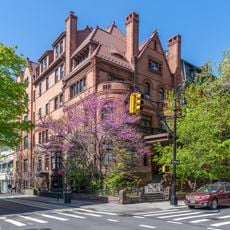
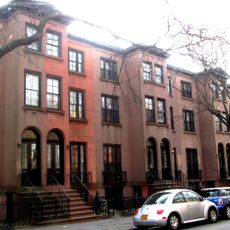
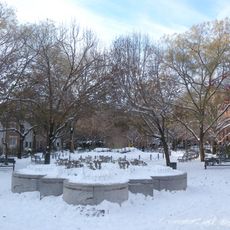
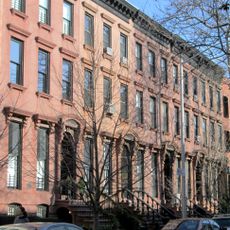
The tunnel takes its name from the Cobble Hill neighborhood above it, known today for its historic homes and tree-lined streets. The area was shaped by Dutch settlers and evolved from farmland into a residential community, while the hidden tunnel serves as a quiet reminder of Brooklyn's transformation.
The tunnel sits about 5 meters (17 feet) beneath street level and can only be entered through an opening near Atlantic Avenue and Court Street. Visits should be arranged with experienced guides, as access is limited and safety concerns restrict regular entry.
The tunnel was accidentally rediscovered in 1980 by a young man named Bob Diamond, who found a manhole on Atlantic Avenue and crawled through it. His discovery made the forgotten tunnel famous, and he began leading tours through the dark passage starting in 1982, until safety concerns ended regular visits in 2010.
The community of curious travelers
AroundUs brings together thousands of curated places, local tips, and hidden gems, enriched daily by 92,929 contributors worldwide.