Tudakul, reservoir in Uzbekistan
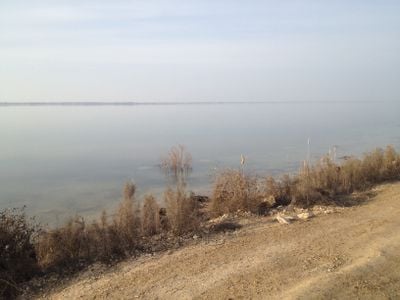
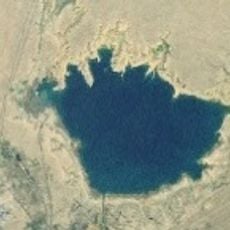
Tudakul is a large reservoir situated in a natural desert depression about 30 kilometers east of Bukhara in Navoiy Region. The basin has a rounded triangular shape and averages about 5 meters deep, with a dam roughly 4 meters high that allows water to flow at controlled rates.
The basin formed naturally in 1952 when floodwaters from the Zeravshan River broke through into the depression, creating a new water body. From 1968 onwards, water flowed in regularly, and in 1977 it was rebuilt to improve its structure and water storage capacity.
The name Tudakul comes from local language roots meaning "much water". The site reflects how water management has shaped daily life here, with local communities depending on the reservoirs for fishing, farming, and access to drinking water from the neighboring basin.
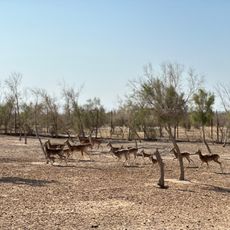
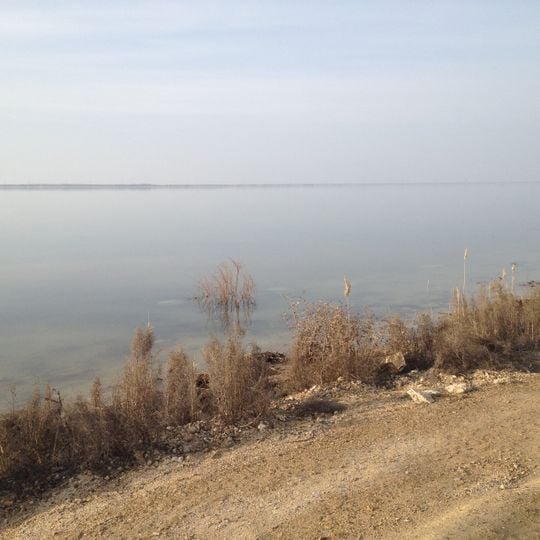
The location is quiet and open with flat terrain, making it suitable for bird watching, fishing, and outdoor recreation. Visitors can access beach resorts along the southern shores or explore the area on simple paths.
The area hosts around 229 bird species and is visited by tens of thousands of migrating birds following the Central Asian Flyway. The critically endangered white-headed duck spends part of the winter here, with more than 1 percent of the wild global population present at the site.
The community of curious travelers
AroundUs brings together thousands of curated places, local tips, and hidden gems, enriched daily by 91,269 contributors worldwide.