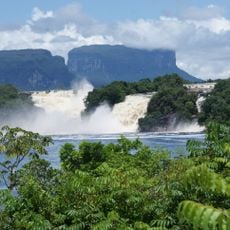
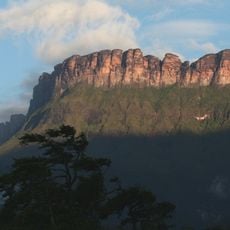
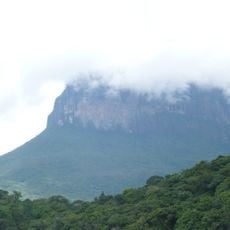
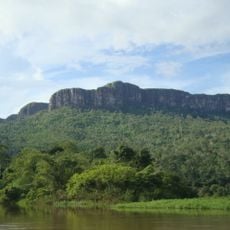
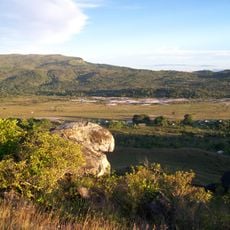
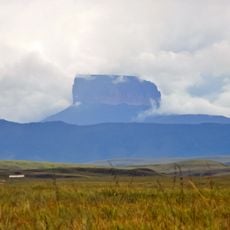
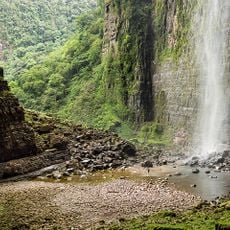
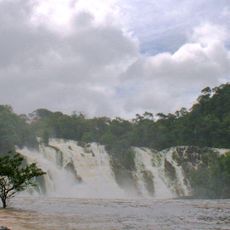
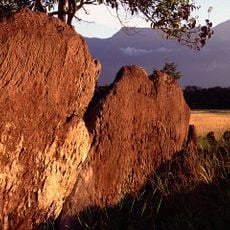
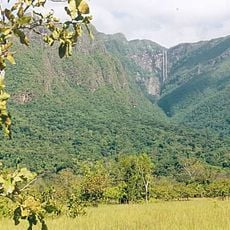
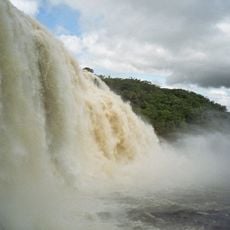
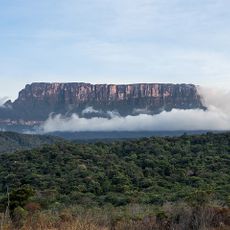
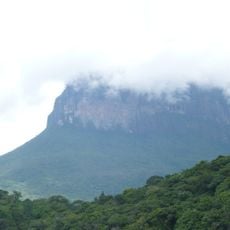
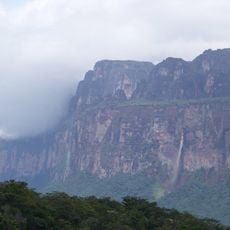
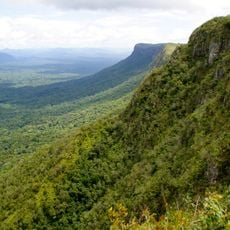
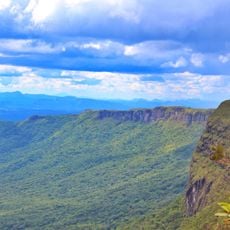
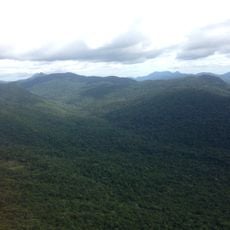
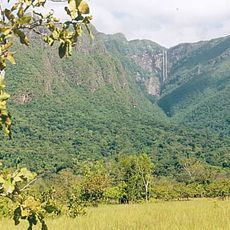
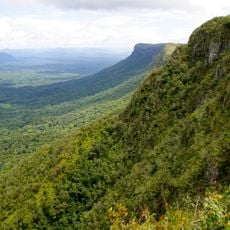
Sima Humboldt, Natural sinkhole cave in Sarisariñama tepui, Venezuela.
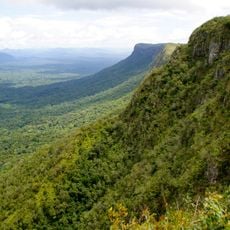
Sima Humboldt is an enormous sinkhole carved into quartzite rock on the Sarisariñama tepui, descending 314 meters into the earth. Its opening measures 352 meters across at the rim and widens to 502 meters at the bottom.
A pilot named Harry Gibson spotted this sinkhole from the air in 1961. The first successful exploration to its floor happened in 1974 under Charles Brewer-Carías, who documented the discovery.
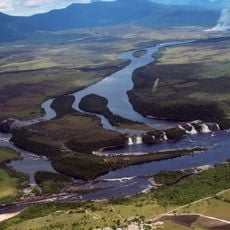
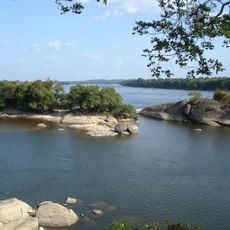
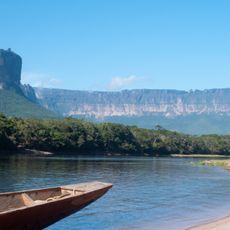
Local people use traditional canoes called curiaras to travel through the dense forest around this area. These boats remain an essential part of life in this remote region.
Visiting requires official permits and helicopter access, as the nearest road is several hundred kilometers away. Only authorized expeditions can reach this remote location, making it inaccessible to regular travelers.
At the bottom sits an isolated forest patch with its own self-contained ecosystem, completely separated from the world above. Plants and animals have evolved independently in this underground world for thousands of years.
The community of curious travelers
AroundUs brings together thousands of curated places, local tips, and hidden gems, enriched daily by 90,788 contributors worldwide.