Plaza de Las Tres Gracias, National historical monument in Municipio Libertador, Venezuela.
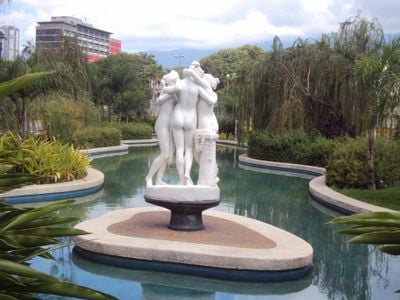
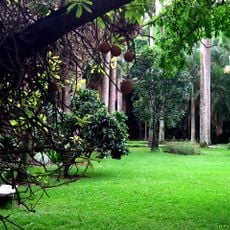
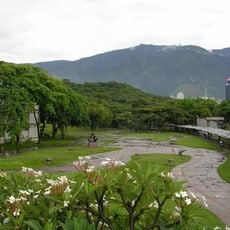
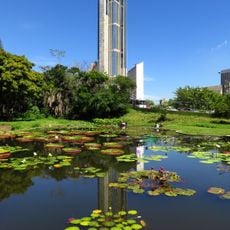
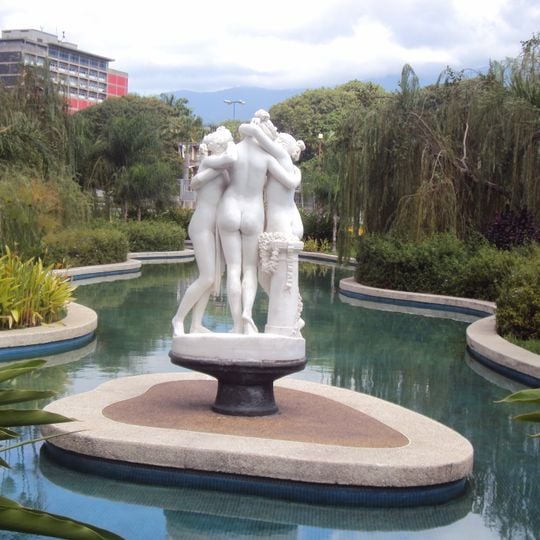
Plaza de Las Tres Gracias is a rectangular space with a reflective pool featuring curved contours in the Libertador Municipality. The area is framed by concrete benches, green plantings, and shrubs that create a cohesive outdoor environment.
The plaza was built in 1946 under architect Joseph Mimó I Mena and businessman Armando Planchart in its original design. It replaced the previous Plaza de Bellas Artes and was renamed after the three Greek goddesses.
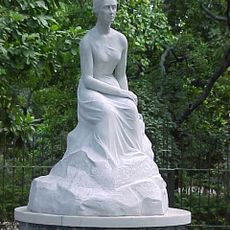
The central marble sculpture by Pietro Ceccarelli depicts the Greek goddesses Thalia, Euphrosine, and Aglaea, named after Antonio Canova's classical work. These figures form the visual heart of the plaza and serve as the focal point for anyone entering the space.
The space connects directly to the Ciudad Universitaria metro station, making it easily accessible for visitors heading to the Central University of Venezuela. Concrete benches throughout the plaza provide places to rest, and the green areas invite casual walks.
In 2020, the removal of weeping willow trees by city officials sparked protests from residents who viewed them as part of the public heritage. This event revealed how deeply the local community values the space and the emotional connection people hold to its elements.
The community of curious travelers
AroundUs brings together thousands of curated places, local tips, and hidden gems, enriched daily by 60,000 contributors worldwide.