See the monuments around you in AROpen chests in the app
Around Us is built for your phone — point your camera at the streets and discover the monuments and places around you in augmented reality.Around Us is built for your phone — chests unlock when you walk, explore and capture nearby places.
These burial sites across Europe hold the remains of nobility and document the stories of ruling families through the centuries. From the grand Kaisergruft in Vienna to the solemn chapels of Windsor Castle, each location shows how different societies honored their dead. The buildings range from Roman structures thousands of years old to chapels built in recent centuries, displaying how architectural styles changed over time.
Many of these sites blend religious spaces with royal tombs, creating places of both spiritual meaning and historical record. In Paris, the Chapelle Expiatoire marks a turning point in French history. In Rome, the Pantheon and other ancient monuments survived from classical times. London's Westminster Abbey and Highgate Cemetery show how British nobility chose to be remembered. St. Petersburg's cathedrals display the grandeur of imperial Russia, while Florence's Medici Chapels reveal the power of banking families in Renaissance Italy.
These places offer visitors a chance to walk through European history. You encounter the tombs of kings and queens, see the art and decoration that surrounded them, and understand how different regions treated their most important figures. Whether visiting a simple memorial or a sprawling mausoleum, you gain insight into what mattered to European societies across different eras.
These burial sites across Europe hold the remains of nobility and document the stories of ruling families through the centuries. From the grand Kaisergruft in Vienna to the solemn chapels of Windsor Castle, each location shows how different societies honored their dead. The buildings range from Roman structures thousands of years old to chapels built in recent centuries, displaying how architectural styles changed over time.
Many of these sites blend religious spaces with royal tombs, creating places of both spiritual meaning and historical record. In Paris, the Chapelle Expiatoire marks a turning point in French history. In Rome, the Pantheon and other ancient monuments survived from classical times. London's Westminster Abbey and Highgate Cemetery show how British nobility chose to be remembered. St. Petersburg's cathedrals display the grandeur of imperial Russia, while Florence's Medici Chapels reveal the power of banking families in Renaissance Italy.
These places offer visitors a chance to walk through European history. You encounter the tombs of kings and queens, see the art and decoration that surrounded them, and understand how different regions treated their most important figures. Whether visiting a simple memorial or a sprawling mausoleum, you gain insight into what mattered to European societies across different eras.
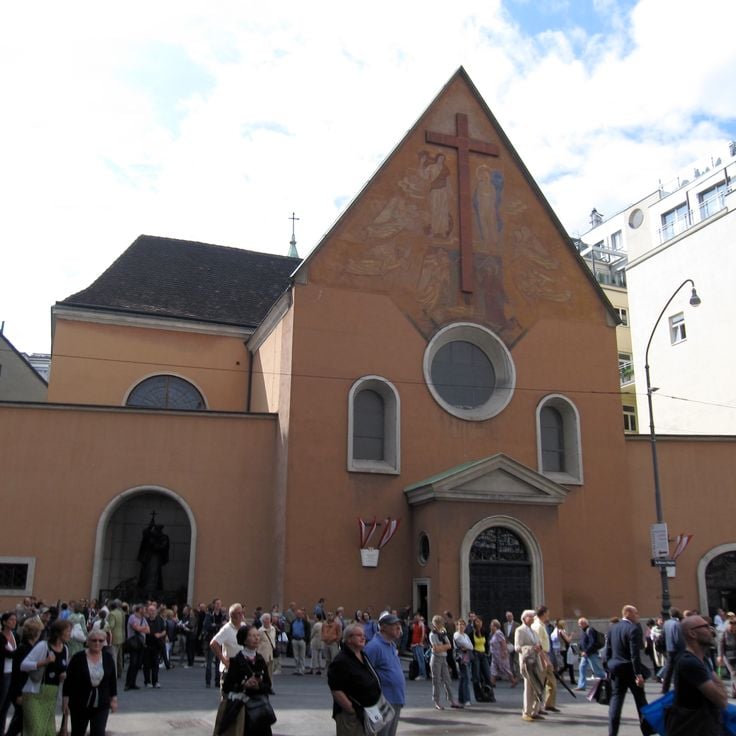
The Kaisergruft is an underground burial vault beneath the Capuchin Church in Vienna. It holds about 150 coffins of Habsburg family members, including Maria Theresa and Franz Joseph. This burial site documents the history of one of Europe's most influential noble families and shows how burial practices and artistic styles changed over the centuries. The coffins range from simple to ornate, reflecting different periods and personal tastes.
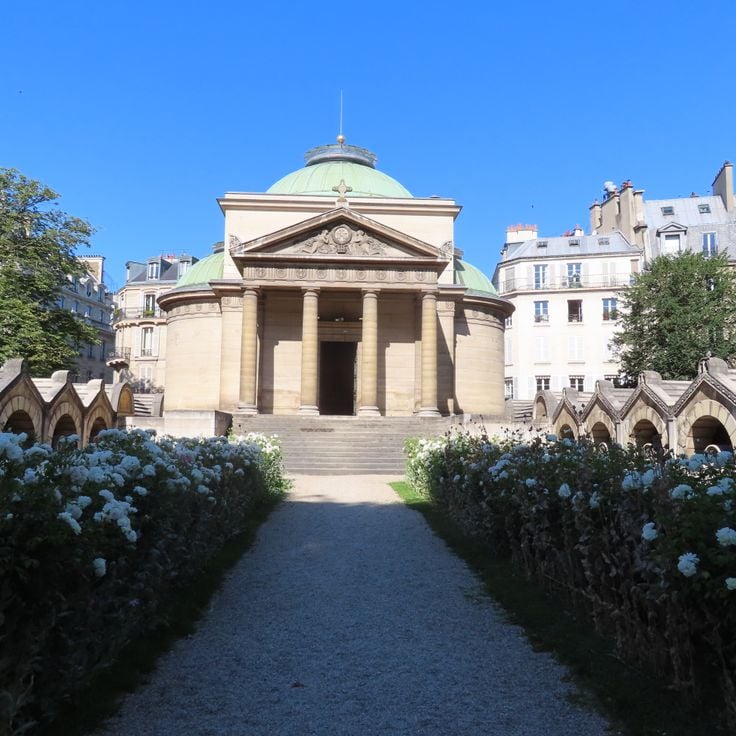
The Chapelle Expiatoire is a Neoclassical chapel built at the original burial site of King Louis XVI and Marie Antoinette in Paris. It documents the history of the French royal family and shows the architectural styles used by European noble families in their burial sites. The chapel stands at a location of great historical importance for the French nobility.
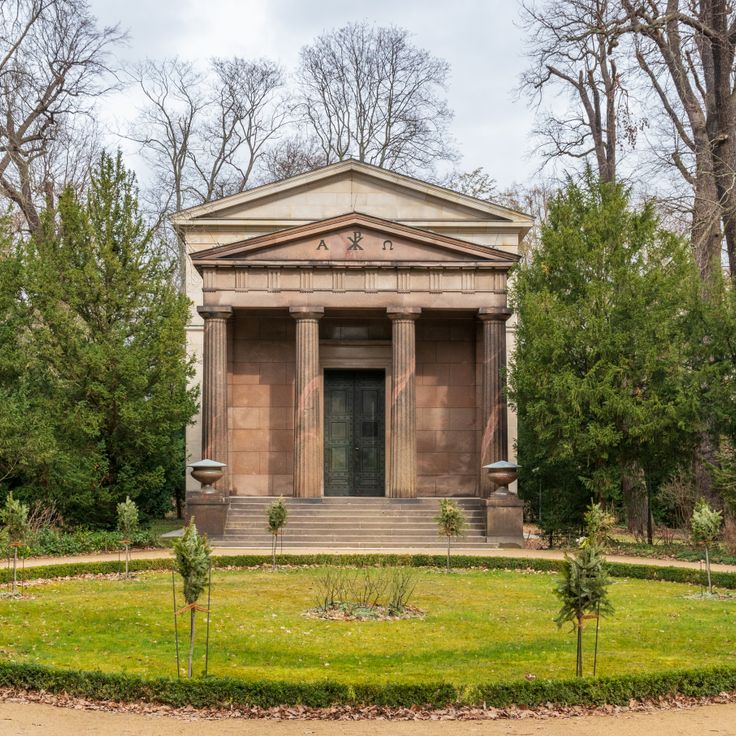
The mausoleum at Charlottenburg Palace is a burial site for members of Prussian nobility. Queen Louise and Frederick William III are interred here. The structure displays classical architecture with Doric columns. Located within the palace park, it stands as a monument to the Prussian royal family. The site reflects the architectural traditions of royal burials in European history.
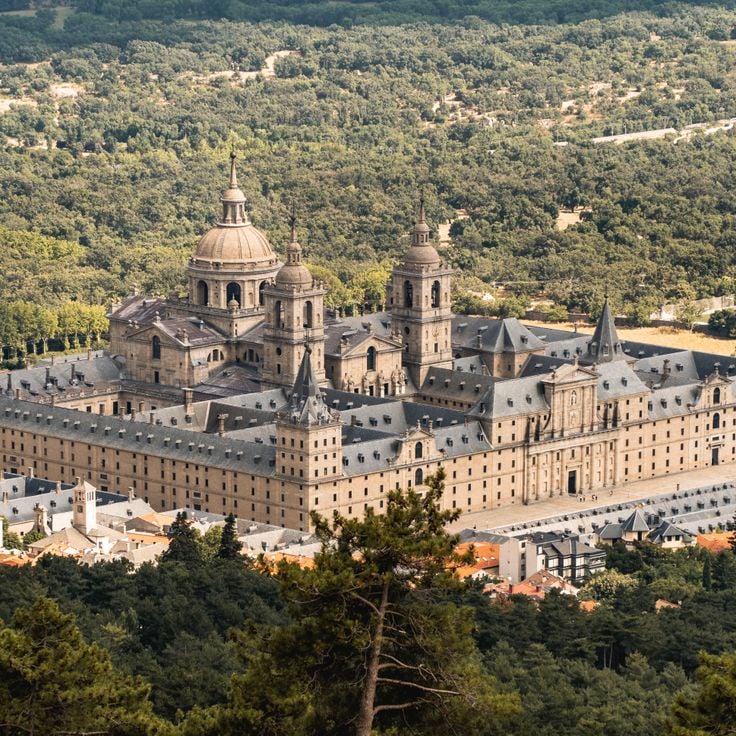
The Royal Monastery of San Lorenzo de El Escorial serves as a royal pantheon documenting centuries of Spanish monarchy. The octagonal crypt holds the tombs of Spanish kings from Charles I to Alfonso XIII, their resting places adorned with marble. This monastery represents both spiritual devotion and royal power, combining religious architecture with a burial chamber that reflects the grandeur of the Spanish crown.
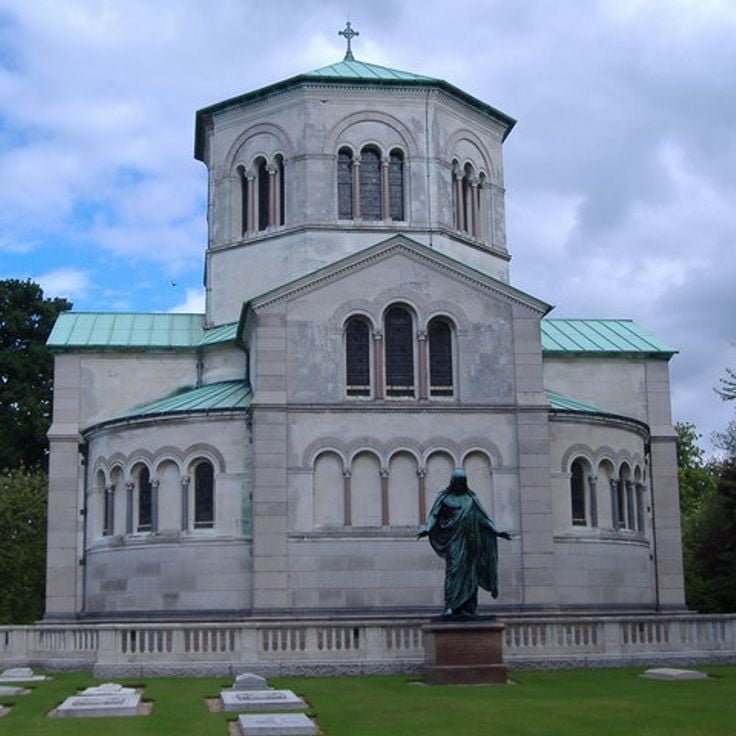
The Frogmore Mausoleum is a burial ground used by the British Royal Family, centered around the Royal Mausoleum on the Frogmore Estate. This site documents how European nobility honored their dead through architecture and ritual. The mausoleum and surrounding graves reflect different periods of British royal history. As part of this collection of burial sites, this location shows the customs and building styles of the European aristocracy across centuries.
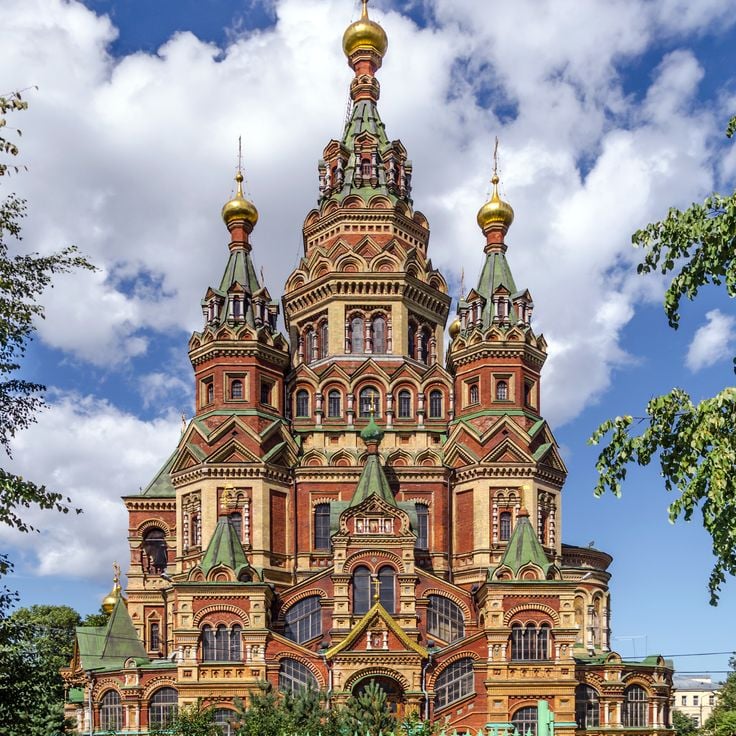
The Peter and Paul Cathedral documents the burials of Russian rulers from the Romanov dynasty. Its marble sarcophagi and tombs hold members of the imperial family, from Peter I through Alexander III. This cathedral serves as a burial site that reflects centuries of Russian imperial history.
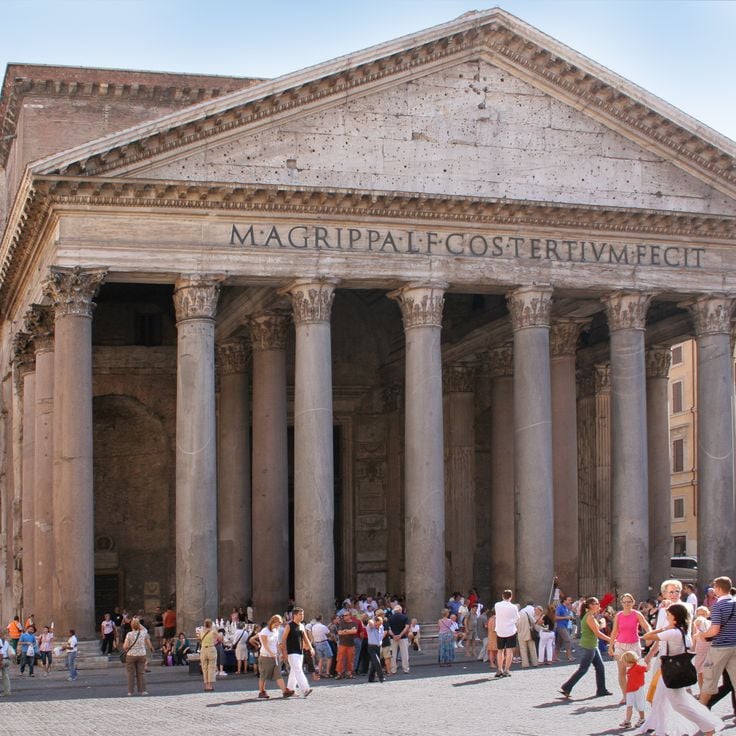
The Pantheon in Rome is one of the best-preserved buildings from ancient times and represents an important burial site within the collection of European nobility monuments. Today it functions as a church and resting place for Italian national figures. Its architecture displays the classical characteristics of Roman construction, with a remarkable dome and columned portico. The Pantheon illustrates how ancient structures have been adapted over centuries to serve as tombs and memorials, reflecting changing burial practices across European history.
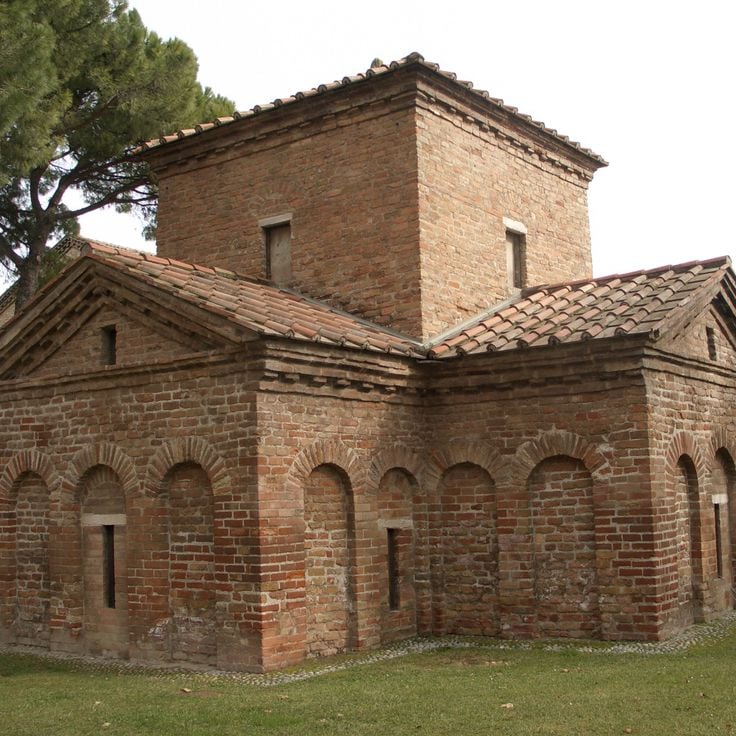
The Mausoleum of Galla Placidia is a 5th-century burial structure located in Ravenna. Built as the intended tomb for Roman Empress Galla Placidia, this mausoleum contains Byzantine mosaics that decorate its interior walls. The building stands as part of a collection documenting burial sites of European nobility and reflects how Roman imperial families commemorated their dead through architectural and artistic means.
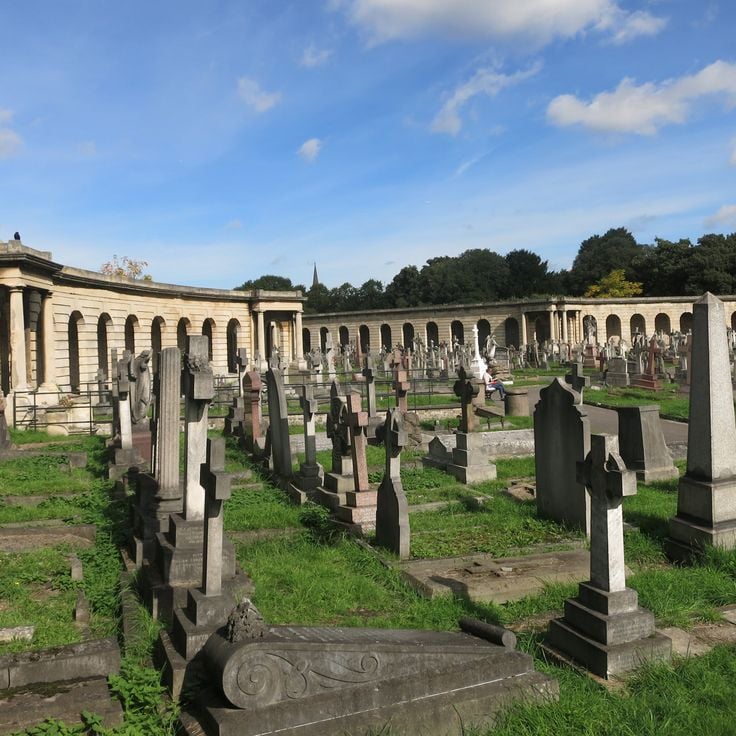
Kensal Green Cemetery in London is a burial site that opened in 1833 and spans 72 hectares. As part of the history of European noble families, this cemetery holds the graves of numerous European nobles and British notable figures. The burial sites display architectural styles from ancient Rome to modern times and document the burial traditions of European noble families.
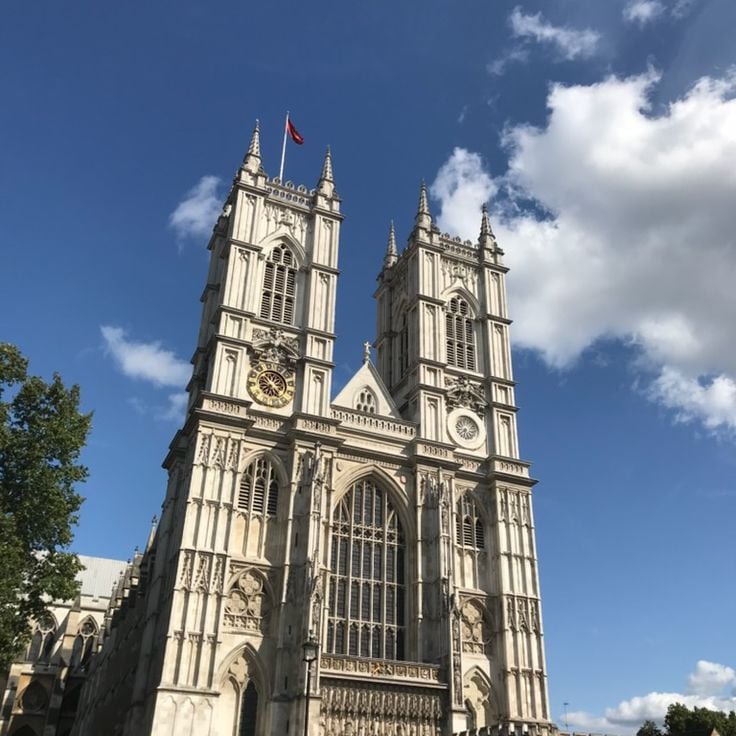
Westminster Abbey is a 13th century Gothic church in London that serves as a burial site of major historical importance. The church holds the tombs of 30 kings and queens, along with approximately 3300 other individuals. This site documents the history of European noble families through its collection of burial monuments and structures. Westminster Abbey displays Gothic architecture typical of medieval England and represents the religious and dynastic traditions of the English monarchy across centuries.
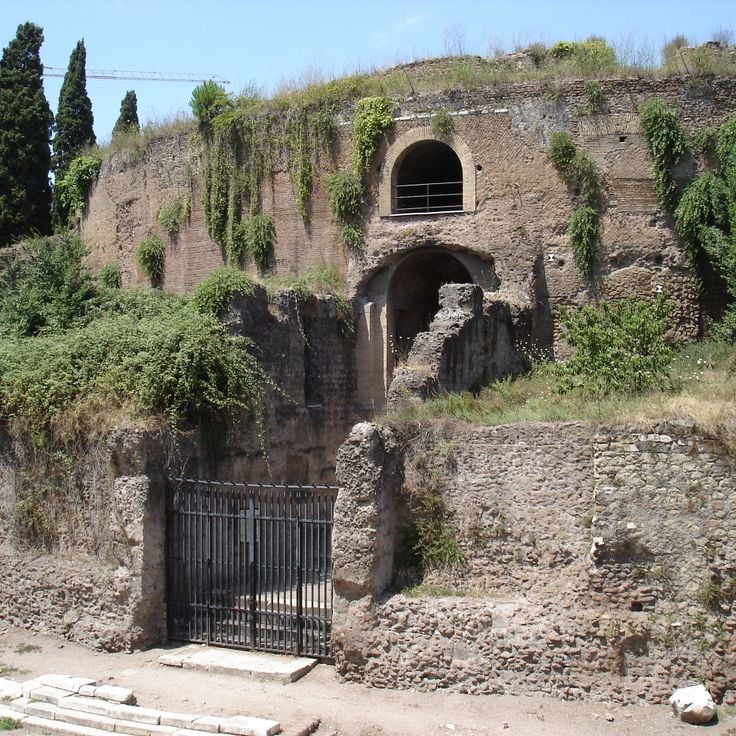
The Mausoleum of Augustus is the burial site of the Roman Julio-Claudian dynasty of emperors. It documents the history of this powerful family and shows how Roman rulers used grand structures to display their authority. With a diameter of 90 meters, this tomb exemplifies Roman architecture and burial practices from antiquity. It stands among the burial sites of European noble families, whose structures range from large mausoleums to simple monuments.
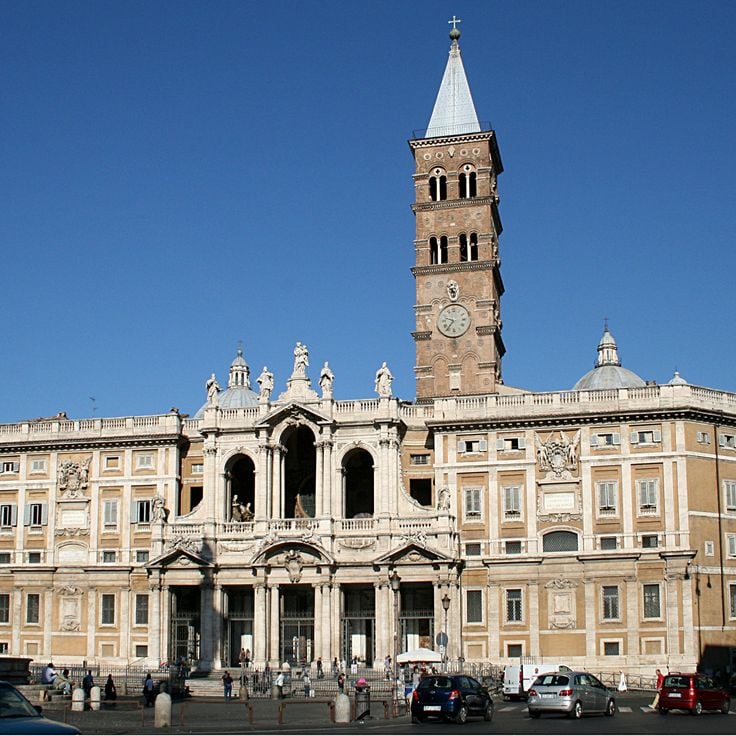
The Basilica di Santa Maria Maggiore is a 5th century papal church documented in this collection of historical burial sites of European nobility. It contains the burial sites of several popes and houses the Crypt of the Nativity. The structure displays architectural elements from different periods and serves as an important location for understanding the history of European ecclesiastical figures.
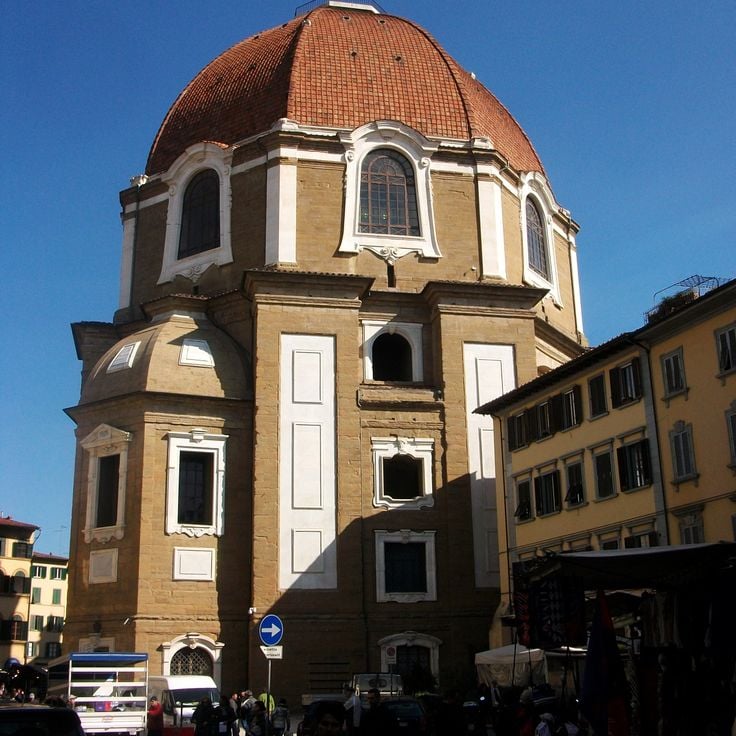
The Medici Chapels are a mausoleum with marble sculptures and Renaissance chapels from the 16th century. They document the history of European noble families through their architecture and artworks. The burial sites contain the remains of the Medici ruling family and display the style of this era.
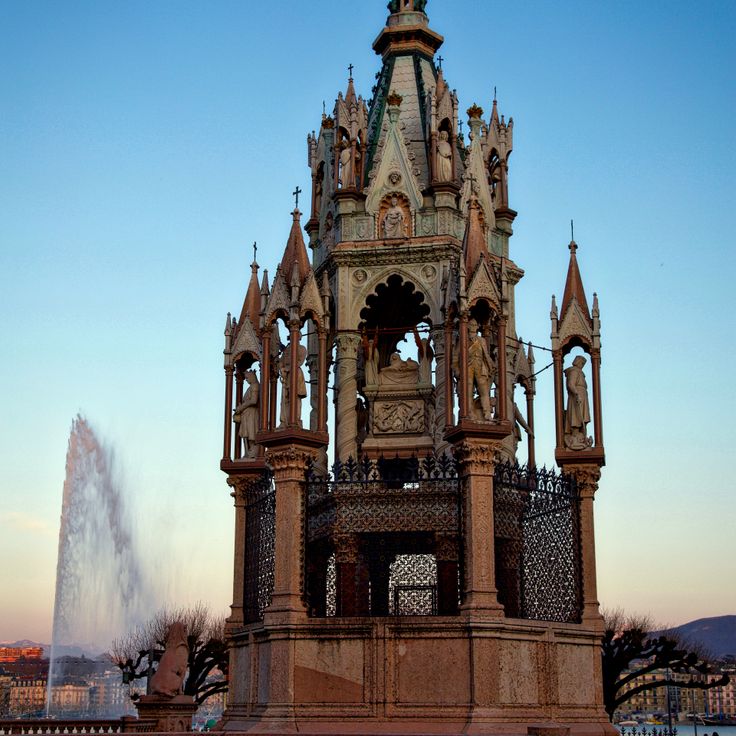
The Royal Tomb is a neogothic funeral monument made of white marble located on the shore of Lake Geneva. It was built for the last Duke of Brunswick and features an octagonal base. This burial site demonstrates how European nobility constructed memorials to preserve their family history and stands as a record of aristocratic traditions during the 19th century.
The Imperial Crypt Vienna has served as the burial site of the Habsburg dynasty since 1633. This crypt holds 149 coffins and urns of imperial family members within the Capuchin Church. The Imperial Crypt Vienna documents the history of one of Europe's most powerful noble families and displays architectural elements from different periods throughout its long use.
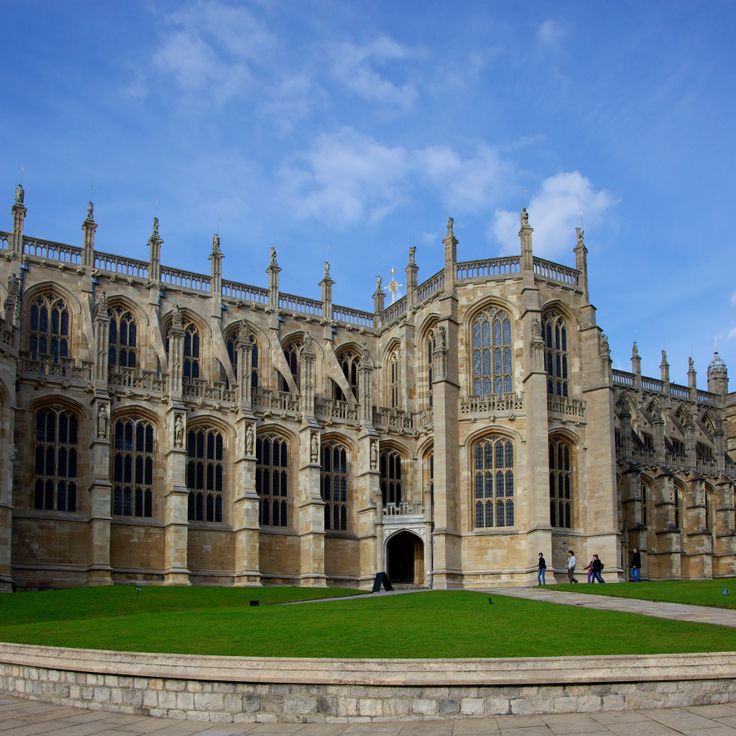
St. George's Chapel at Windsor Castle is a 15th-century Gothic chapel that serves as a burial site for English rulers. King Henry VIII and King Charles I are among those interred here. The chapel documents the history of European noble families through its architecture and the monuments it contains, spanning from the medieval period to the early modern era.
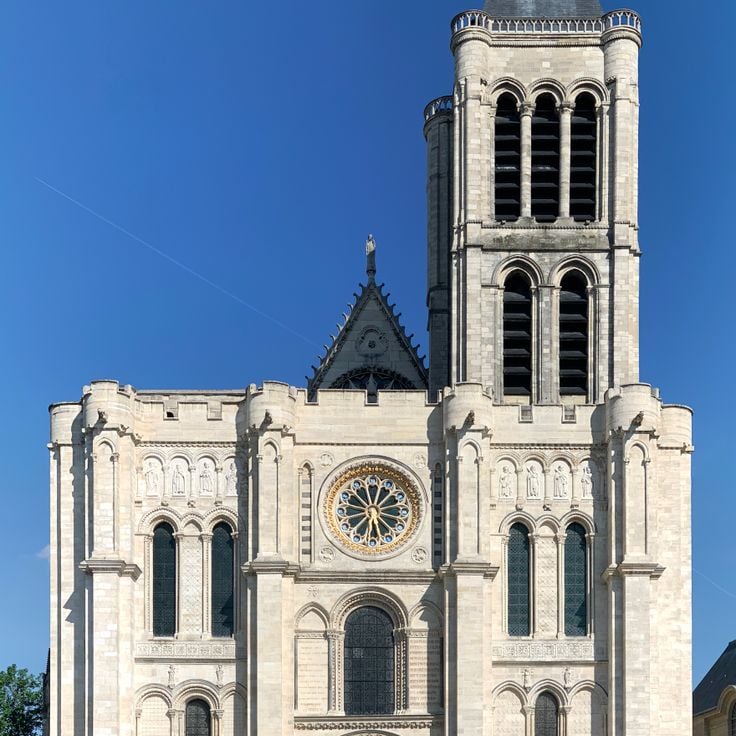
Saint Denis Basilica is a Gothic cathedral built in the 12th century that serves as the burial site for nearly all French monarchs from the 10th through 18th centuries. This structure documents the history of the French royal family and displays the architectural styles of its era through its royal tombs and monuments.
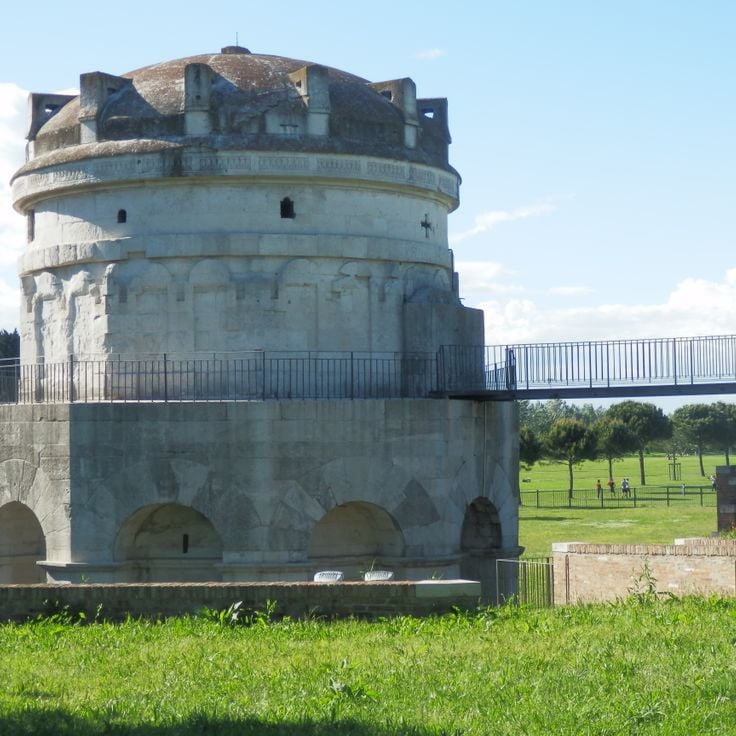
The Mausoleum of Theodoric is a monumental tomb built in 520 CE and documents the history of European ruling families. Constructed for the Ostrogoth King Theodoric, this burial site displays the architecture of its era with a remarkable single-block roof weighing 230 tons. The structure represents the range of building styles found across European noble burial sites, from ancient times through the modern period.
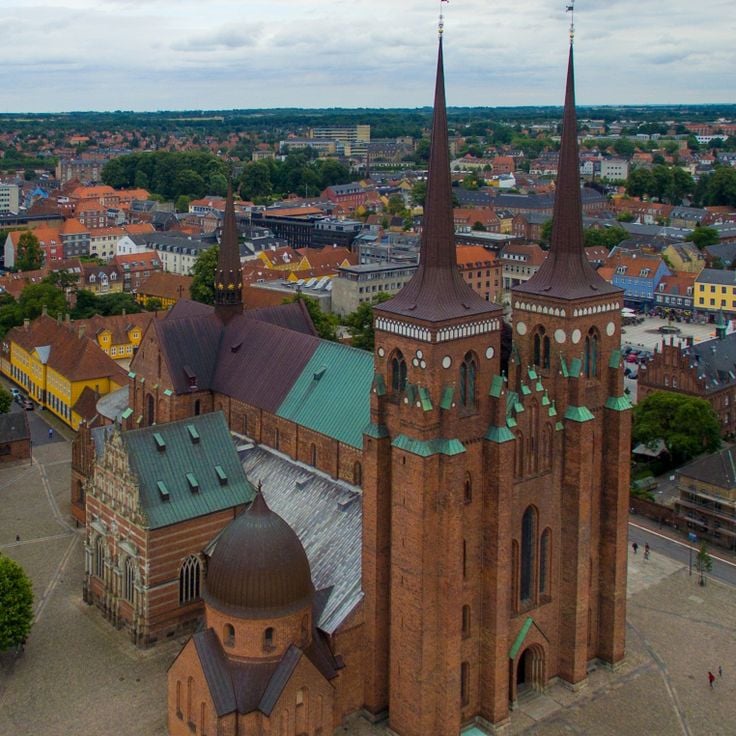
Roskilde Cathedral is a brick structure that holds the tombs of 40 Danish kings and queens. This burial site documents the history of European noble families through its architecture, built from 1170 to 1985 in various styles. The cathedral displays the evolution from Romanesque to modern design and serves as an important location for royal burial practices.
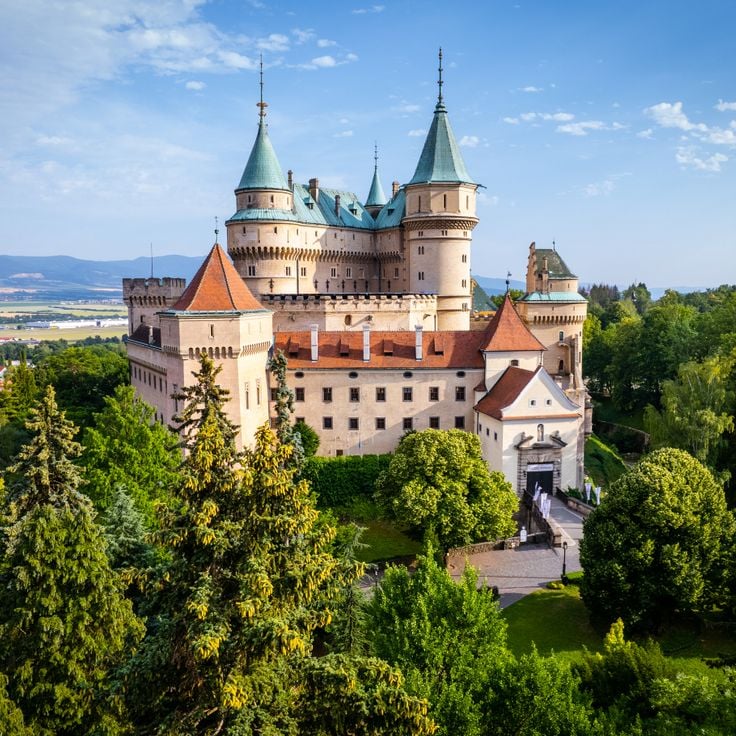
Bojnice Castle contains a burial chamber beneath its chapel where Count János Ferenc Pálffy has rested since 1908 in a marble sarcophagus. This burial site documents the history of a European noble family and shows how aristocrats integrated their resting places within their family estates. The castle itself stands as a testament to how the nobility combined their residences with spaces for remembrance.
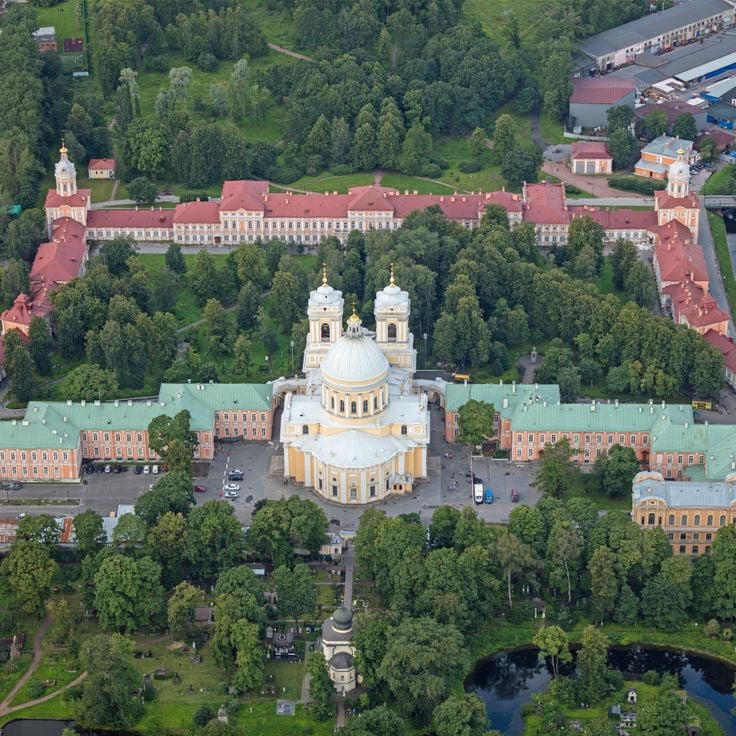
The Alexander Nevsky Monastery is an Orthodox monastery in Saint Petersburg that serves as one of the historical burial sites of European nobility. Its necropolis contains the graves of Russian composers, writers, and members of the Tsarist family from the 18th and 19th centuries. The burial site documents the history of Russian noble families through their tombs and monuments.
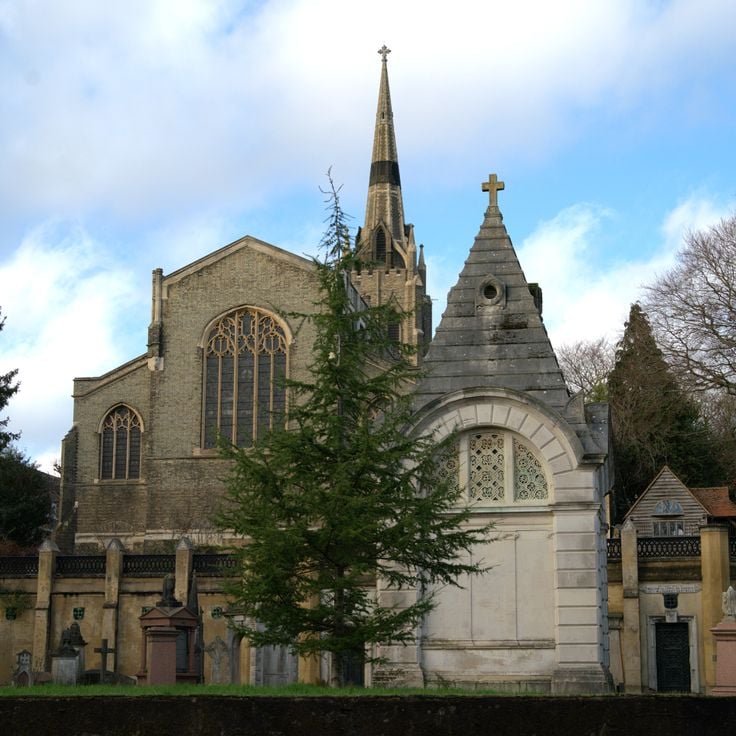
Highgate Cemetery opened in 1839 and represents one of Europe's notable burial grounds for distinguished families and historical figures. The cemetery holds the graves of Karl Marx, George Eliot, and other important people from history. Ancient oaks and cedars frame the burial sites, creating a reflective setting among the monuments. The structures here, ranging from large mausoleums to simpler tombs, show different architectural styles that span from the 19th century to modern times.
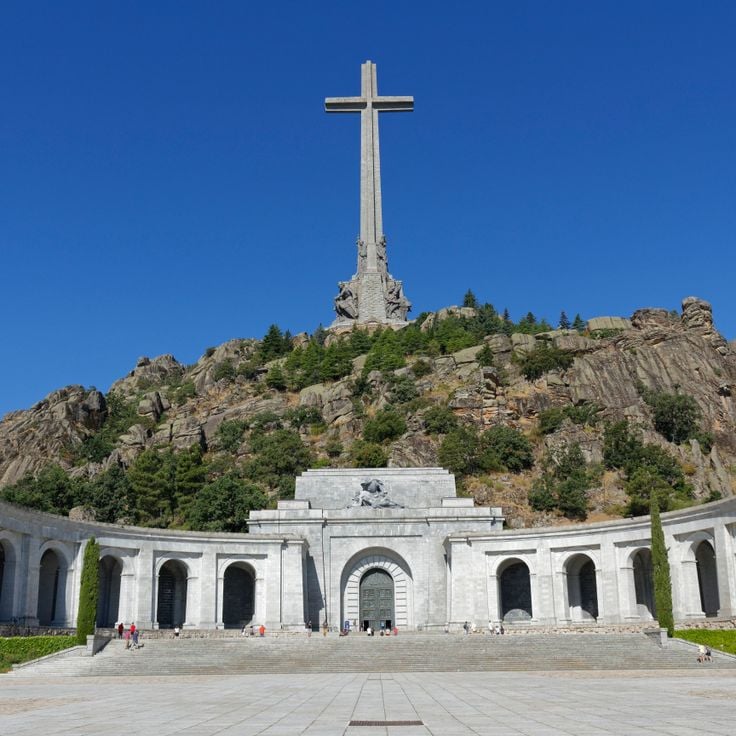
The Valley of the Fallen is a granite complex built between 1940 and 1958 that documents the history of European noble families through its architectural structures. The site consists of a 150-meter basilica and a large cross. The construction methods and historical circumstances reveal how burial sites evolved during the modern era and how this monument reflects the traditions of European nobility.
The Kaisergruft is an underground burial vault beneath the Capuchin Church in Vienna. It holds about 150 coffins of Habsburg family members, including Maria Theresa and Franz Joseph. This burial site documents the history of one of Europe's most influential noble families and shows how burial practices and artistic styles changed over the centuries. The coffins range from simple to ornate, reflecting different periods and personal tastes.
The Chapelle Expiatoire is a Neoclassical chapel built at the original burial site of King Louis XVI and Marie Antoinette in Paris. It documents the history of the French royal family and shows the architectural styles used by European noble families in their burial sites. The chapel stands at a location of great historical importance for the French nobility.
The mausoleum at Charlottenburg Palace is a burial site for members of Prussian nobility. Queen Louise and Frederick William III are interred here. The structure displays classical architecture with Doric columns. Located within the palace park, it stands as a monument to the Prussian royal family. The site reflects the architectural traditions of royal burials in European history.
The Royal Monastery of San Lorenzo de El Escorial serves as a royal pantheon documenting centuries of Spanish monarchy. The octagonal crypt holds the tombs of Spanish kings from Charles I to Alfonso XIII, their resting places adorned with marble. This monastery represents both spiritual devotion and royal power, combining religious architecture with a burial chamber that reflects the grandeur of the Spanish crown.
The Frogmore Mausoleum is a burial ground used by the British Royal Family, centered around the Royal Mausoleum on the Frogmore Estate. This site documents how European nobility honored their dead through architecture and ritual. The mausoleum and surrounding graves reflect different periods of British royal history. As part of this collection of burial sites, this location shows the customs and building styles of the European aristocracy across centuries.
The Peter and Paul Cathedral documents the burials of Russian rulers from the Romanov dynasty. Its marble sarcophagi and tombs hold members of the imperial family, from Peter I through Alexander III. This cathedral serves as a burial site that reflects centuries of Russian imperial history.
The Pantheon in Rome is one of the best-preserved buildings from ancient times and represents an important burial site within the collection of European nobility monuments. Today it functions as a church and resting place for Italian national figures. Its architecture displays the classical characteristics of Roman construction, with a remarkable dome and columned portico. The Pantheon illustrates how ancient structures have been adapted over centuries to serve as tombs and memorials, reflecting changing burial practices across European history.
The Mausoleum of Galla Placidia is a 5th-century burial structure located in Ravenna. Built as the intended tomb for Roman Empress Galla Placidia, this mausoleum contains Byzantine mosaics that decorate its interior walls. The building stands as part of a collection documenting burial sites of European nobility and reflects how Roman imperial families commemorated their dead through architectural and artistic means.
Kensal Green Cemetery in London is a burial site that opened in 1833 and spans 72 hectares. As part of the history of European noble families, this cemetery holds the graves of numerous European nobles and British notable figures. The burial sites display architectural styles from ancient Rome to modern times and document the burial traditions of European noble families.
Westminster Abbey is a 13th century Gothic church in London that serves as a burial site of major historical importance. The church holds the tombs of 30 kings and queens, along with approximately 3300 other individuals. This site documents the history of European noble families through its collection of burial monuments and structures. Westminster Abbey displays Gothic architecture typical of medieval England and represents the religious and dynastic traditions of the English monarchy across centuries.
The Mausoleum of Augustus is the burial site of the Roman Julio-Claudian dynasty of emperors. It documents the history of this powerful family and shows how Roman rulers used grand structures to display their authority. With a diameter of 90 meters, this tomb exemplifies Roman architecture and burial practices from antiquity. It stands among the burial sites of European noble families, whose structures range from large mausoleums to simple monuments.
The Basilica di Santa Maria Maggiore is a 5th century papal church documented in this collection of historical burial sites of European nobility. It contains the burial sites of several popes and houses the Crypt of the Nativity. The structure displays architectural elements from different periods and serves as an important location for understanding the history of European ecclesiastical figures.
The Medici Chapels are a mausoleum with marble sculptures and Renaissance chapels from the 16th century. They document the history of European noble families through their architecture and artworks. The burial sites contain the remains of the Medici ruling family and display the style of this era.
The Royal Tomb is a neogothic funeral monument made of white marble located on the shore of Lake Geneva. It was built for the last Duke of Brunswick and features an octagonal base. This burial site demonstrates how European nobility constructed memorials to preserve their family history and stands as a record of aristocratic traditions during the 19th century.
The Imperial Crypt Vienna has served as the burial site of the Habsburg dynasty since 1633. This crypt holds 149 coffins and urns of imperial family members within the Capuchin Church. The Imperial Crypt Vienna documents the history of one of Europe's most powerful noble families and displays architectural elements from different periods throughout its long use.
St. George's Chapel at Windsor Castle is a 15th-century Gothic chapel that serves as a burial site for English rulers. King Henry VIII and King Charles I are among those interred here. The chapel documents the history of European noble families through its architecture and the monuments it contains, spanning from the medieval period to the early modern era.
Saint Denis Basilica is a Gothic cathedral built in the 12th century that serves as the burial site for nearly all French monarchs from the 10th through 18th centuries. This structure documents the history of the French royal family and displays the architectural styles of its era through its royal tombs and monuments.
The Mausoleum of Theodoric is a monumental tomb built in 520 CE and documents the history of European ruling families. Constructed for the Ostrogoth King Theodoric, this burial site displays the architecture of its era with a remarkable single-block roof weighing 230 tons. The structure represents the range of building styles found across European noble burial sites, from ancient times through the modern period.
Roskilde Cathedral is a brick structure that holds the tombs of 40 Danish kings and queens. This burial site documents the history of European noble families through its architecture, built from 1170 to 1985 in various styles. The cathedral displays the evolution from Romanesque to modern design and serves as an important location for royal burial practices.
Bojnice Castle contains a burial chamber beneath its chapel where Count János Ferenc Pálffy has rested since 1908 in a marble sarcophagus. This burial site documents the history of a European noble family and shows how aristocrats integrated their resting places within their family estates. The castle itself stands as a testament to how the nobility combined their residences with spaces for remembrance.
The Alexander Nevsky Monastery is an Orthodox monastery in Saint Petersburg that serves as one of the historical burial sites of European nobility. Its necropolis contains the graves of Russian composers, writers, and members of the Tsarist family from the 18th and 19th centuries. The burial site documents the history of Russian noble families through their tombs and monuments.
Highgate Cemetery opened in 1839 and represents one of Europe's notable burial grounds for distinguished families and historical figures. The cemetery holds the graves of Karl Marx, George Eliot, and other important people from history. Ancient oaks and cedars frame the burial sites, creating a reflective setting among the monuments. The structures here, ranging from large mausoleums to simpler tombs, show different architectural styles that span from the 19th century to modern times.
The Valley of the Fallen is a granite complex built between 1940 and 1958 that documents the history of European noble families through its architectural structures. The site consists of a 150-meter basilica and a large cross. The construction methods and historical circumstances reveal how burial sites evolved during the modern era and how this monument reflects the traditions of European nobility.
The Kaisergruft is an underground burial vault beneath the Capuchin Church in Vienna. It holds about 150 coffins of Habsburg family members, including Maria Theresa and Franz Joseph. This burial site documents the history of one of Europe's most influential noble families and shows how burial practices and artistic styles changed over the centuries. The coffins range from simple to ornate, reflecting different periods and personal tastes.
The Chapelle Expiatoire is a Neoclassical chapel built at the original burial site of King Louis XVI and Marie Antoinette in Paris. It documents the history of the French royal family and shows the architectural styles used by European noble families in their burial sites. The chapel stands at a location of great historical importance for the French nobility.
The mausoleum at Charlottenburg Palace is a burial site for members of Prussian nobility. Queen Louise and Frederick William III are interred here. The structure displays classical architecture with Doric columns. Located within the palace park, it stands as a monument to the Prussian royal family. The site reflects the architectural traditions of royal burials in European history.
The Royal Monastery of San Lorenzo de El Escorial serves as a royal pantheon documenting centuries of Spanish monarchy. The octagonal crypt holds the tombs of Spanish kings from Charles I to Alfonso XIII, their resting places adorned with marble. This monastery represents both spiritual devotion and royal power, combining religious architecture with a burial chamber that reflects the grandeur of the Spanish crown.
The Frogmore Mausoleum is a burial ground used by the British Royal Family, centered around the Royal Mausoleum on the Frogmore Estate. This site documents how European nobility honored their dead through architecture and ritual. The mausoleum and surrounding graves reflect different periods of British royal history. As part of this collection of burial sites, this location shows the customs and building styles of the European aristocracy across centuries.
The Peter and Paul Cathedral documents the burials of Russian rulers from the Romanov dynasty. Its marble sarcophagi and tombs hold members of the imperial family, from Peter I through Alexander III. This cathedral serves as a burial site that reflects centuries of Russian imperial history.
The Pantheon in Rome is one of the best-preserved buildings from ancient times and represents an important burial site within the collection of European nobility monuments. Today it functions as a church and resting place for Italian national figures. Its architecture displays the classical characteristics of Roman construction, with a remarkable dome and columned portico. The Pantheon illustrates how ancient structures have been adapted over centuries to serve as tombs and memorials, reflecting changing burial practices across European history.
The Mausoleum of Galla Placidia is a 5th-century burial structure located in Ravenna. Built as the intended tomb for Roman Empress Galla Placidia, this mausoleum contains Byzantine mosaics that decorate its interior walls. The building stands as part of a collection documenting burial sites of European nobility and reflects how Roman imperial families commemorated their dead through architectural and artistic means.
Kensal Green Cemetery in London is a burial site that opened in 1833 and spans 72 hectares. As part of the history of European noble families, this cemetery holds the graves of numerous European nobles and British notable figures. The burial sites display architectural styles from ancient Rome to modern times and document the burial traditions of European noble families.
Westminster Abbey is a 13th century Gothic church in London that serves as a burial site of major historical importance. The church holds the tombs of 30 kings and queens, along with approximately 3300 other individuals. This site documents the history of European noble families through its collection of burial monuments and structures. Westminster Abbey displays Gothic architecture typical of medieval England and represents the religious and dynastic traditions of the English monarchy across centuries.
The Mausoleum of Augustus is the burial site of the Roman Julio-Claudian dynasty of emperors. It documents the history of this powerful family and shows how Roman rulers used grand structures to display their authority. With a diameter of 90 meters, this tomb exemplifies Roman architecture and burial practices from antiquity. It stands among the burial sites of European noble families, whose structures range from large mausoleums to simple monuments.
The Basilica di Santa Maria Maggiore is a 5th century papal church documented in this collection of historical burial sites of European nobility. It contains the burial sites of several popes and houses the Crypt of the Nativity. The structure displays architectural elements from different periods and serves as an important location for understanding the history of European ecclesiastical figures.
The Medici Chapels are a mausoleum with marble sculptures and Renaissance chapels from the 16th century. They document the history of European noble families through their architecture and artworks. The burial sites contain the remains of the Medici ruling family and display the style of this era.
The Royal Tomb is a neogothic funeral monument made of white marble located on the shore of Lake Geneva. It was built for the last Duke of Brunswick and features an octagonal base. This burial site demonstrates how European nobility constructed memorials to preserve their family history and stands as a record of aristocratic traditions during the 19th century.
The Imperial Crypt Vienna has served as the burial site of the Habsburg dynasty since 1633. This crypt holds 149 coffins and urns of imperial family members within the Capuchin Church. The Imperial Crypt Vienna documents the history of one of Europe's most powerful noble families and displays architectural elements from different periods throughout its long use.
St. George's Chapel at Windsor Castle is a 15th-century Gothic chapel that serves as a burial site for English rulers. King Henry VIII and King Charles I are among those interred here. The chapel documents the history of European noble families through its architecture and the monuments it contains, spanning from the medieval period to the early modern era.
Saint Denis Basilica is a Gothic cathedral built in the 12th century that serves as the burial site for nearly all French monarchs from the 10th through 18th centuries. This structure documents the history of the French royal family and displays the architectural styles of its era through its royal tombs and monuments.
The Mausoleum of Theodoric is a monumental tomb built in 520 CE and documents the history of European ruling families. Constructed for the Ostrogoth King Theodoric, this burial site displays the architecture of its era with a remarkable single-block roof weighing 230 tons. The structure represents the range of building styles found across European noble burial sites, from ancient times through the modern period.
Roskilde Cathedral is a brick structure that holds the tombs of 40 Danish kings and queens. This burial site documents the history of European noble families through its architecture, built from 1170 to 1985 in various styles. The cathedral displays the evolution from Romanesque to modern design and serves as an important location for royal burial practices.
Bojnice Castle contains a burial chamber beneath its chapel where Count János Ferenc Pálffy has rested since 1908 in a marble sarcophagus. This burial site documents the history of a European noble family and shows how aristocrats integrated their resting places within their family estates. The castle itself stands as a testament to how the nobility combined their residences with spaces for remembrance.
The Alexander Nevsky Monastery is an Orthodox monastery in Saint Petersburg that serves as one of the historical burial sites of European nobility. Its necropolis contains the graves of Russian composers, writers, and members of the Tsarist family from the 18th and 19th centuries. The burial site documents the history of Russian noble families through their tombs and monuments.
Highgate Cemetery opened in 1839 and represents one of Europe's notable burial grounds for distinguished families and historical figures. The cemetery holds the graves of Karl Marx, George Eliot, and other important people from history. Ancient oaks and cedars frame the burial sites, creating a reflective setting among the monuments. The structures here, ranging from large mausoleums to simpler tombs, show different architectural styles that span from the 19th century to modern times.
The Valley of the Fallen is a granite complex built between 1940 and 1958 that documents the history of European noble families through its architectural structures. The site consists of a 150-meter basilica and a large cross. The construction methods and historical circumstances reveal how burial sites evolved during the modern era and how this monument reflects the traditions of European nobility.