Modern Dubai and ancient Abu Dhabi show how the UAE builds forward without forgetting what came before.
The United Arab Emirates feature an architectural landscape where modern structures coexist with historical remnants. In Dubai, the Burj Khalifa rises to 828 meters and is the tallest skyscraper in the world, while the artificial island of Palm Jumeirah demonstrates the country’s coastal engineering skills. In Abu Dhabi, the five Etihad Towers line the waterfront, and the Qasr Al Hosn, built in the 18th century, is the capital’s oldest stone building. These modern achievements sit on land that also preserves ancient traces, such as the tombs of Jebel Hafeet carved into the rock more than 5,000 years ago.
Cultural and religious buildings round out this overview. The Sheikh Zayed Grand Mosque covers over 22,000 square meters and invites visitors to explore its architecture and prayer halls. The Louvre Abu Dhabi displays international collections beneath a metal dome designed by Jean Nouvel, creating distinctive light effects inside. In Ajman, the local museum is housed in a restored 18th-century fortress, while the Dubai Opera takes the shape of a dhow, a traditional regional boat. These sites offer varied perspectives on the architectural development of the Emirates and merit thorough exploration.
Modern Dubai and ancient Abu Dhabi show how the UAE builds forward without forgetting what came before.
The United Arab Emirates feature an architectural landscape where modern structures coexist with historical remnants. In Dubai, the Burj Khalifa rises to 828 meters and is the tallest skyscraper in the world, while the artificial island of Palm Jumeirah demonstrates the country’s coastal engineering skills. In Abu Dhabi, the five Etihad Towers line the waterfront, and the Qasr Al Hosn, built in the 18th century, is the capital’s oldest stone building. These modern achievements sit on land that also preserves ancient traces, such as the tombs of Jebel Hafeet carved into the rock more than 5,000 years ago.
Cultural and religious buildings round out this overview. The Sheikh Zayed Grand Mosque covers over 22,000 square meters and invites visitors to explore its architecture and prayer halls. The Louvre Abu Dhabi displays international collections beneath a metal dome designed by Jean Nouvel, creating distinctive light effects inside. In Ajman, the local museum is housed in a restored 18th-century fortress, while the Dubai Opera takes the shape of a dhow, a traditional regional boat. These sites offer varied perspectives on the architectural development of the Emirates and merit thorough exploration.
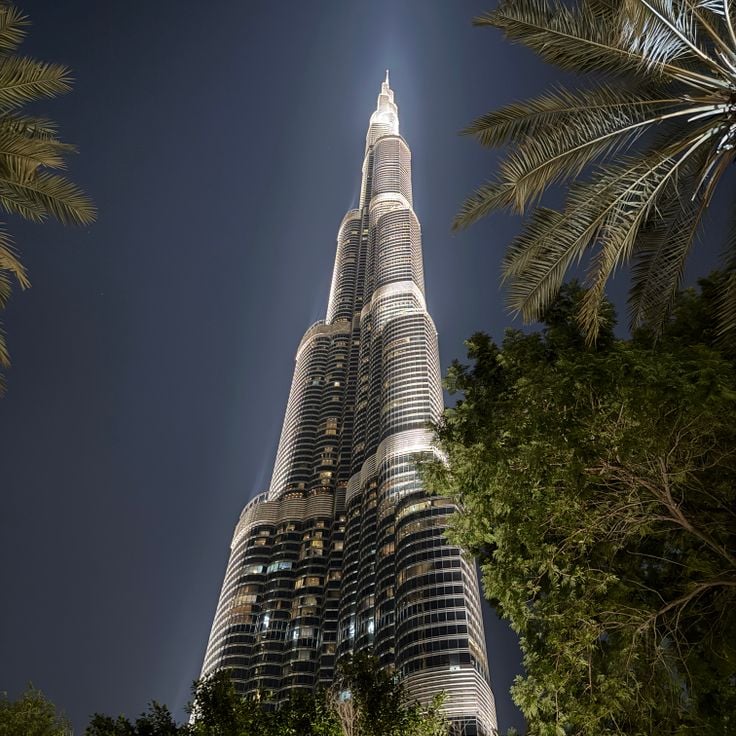
The Burj Khalifa stands 828 meters tall in central Dubai and has been the world's tallest building since 2010. Designed by Adrian Smith with references to Islamic architecture, the tower holds offices, homes and a hotel. Visitors can take in views of the city and the desert from observation decks on floors 124, 125 and 148. At night, the tower is lit up and sits next to the Dubai Mall in the Downtown district.
Palm Jumeirah is an artificial island off the coast of Dubai, built in the shape of a palm tree. Construction ran from 2001 to 2006, shaping a central trunk, sixteen fronds, and a crescent breakwater. Today it holds hotels, private homes, and places to spend time by the water. In this collection, Palm Jumeirah stands as a clear example of Dubai's drive to reshape its coastline, placed alongside historic sites like the ancient rock tombs of Jebel Hafeet to show the range of what the Emirates have built over time.
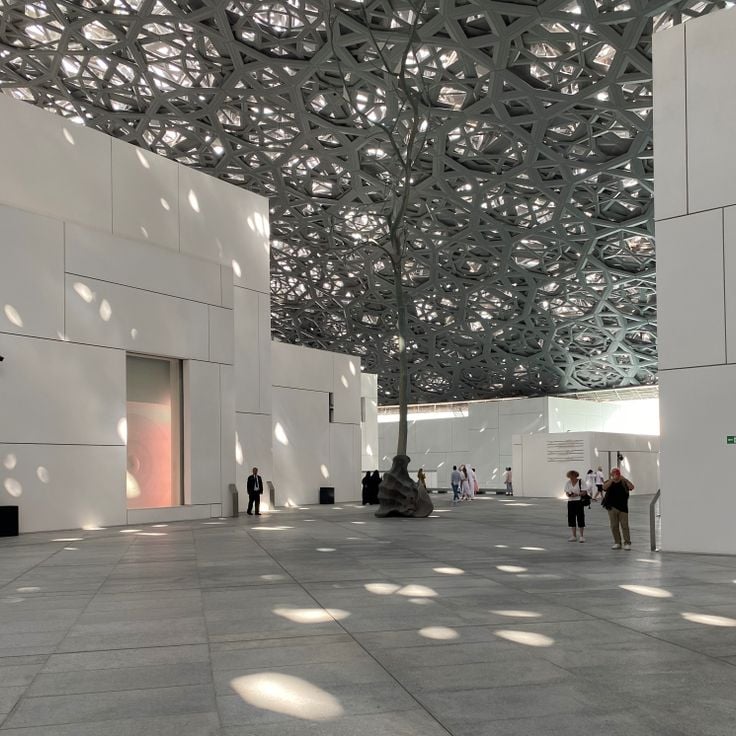
The Louvre Abu Dhabi sits on Saadiyat Island and brings together art from many parts of the world under a round metal dome. French architect Jean Nouvel designed the dome with thousands of small openings that let sunlight fall across the galleries and the surrounding water in shifting patterns. The collection ranges from objects of ancient Mesopotamia to contemporary art, arranged to draw out connections between different cultures and periods. This museum is part of a broader cultural district that has gathered several international institutions on the island.
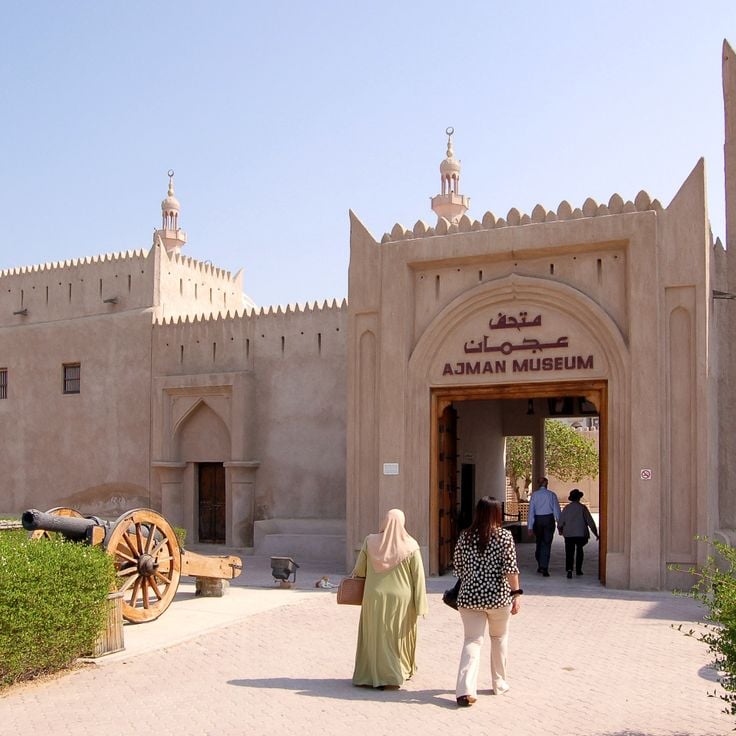
Ajman Museum sits inside a fortress from the 18th century that once served as the ruler's home and a place of defense. Today, the building holds a collection of everyday objects, traditional weapons and archaeological finds that show how life was lived in this part of the Emirates. Visitors can see models of traditional boats and a recreation of a historical souk. The museum opened in 1981 and traces Ajman's story from a small fishing settlement to the city it is today.
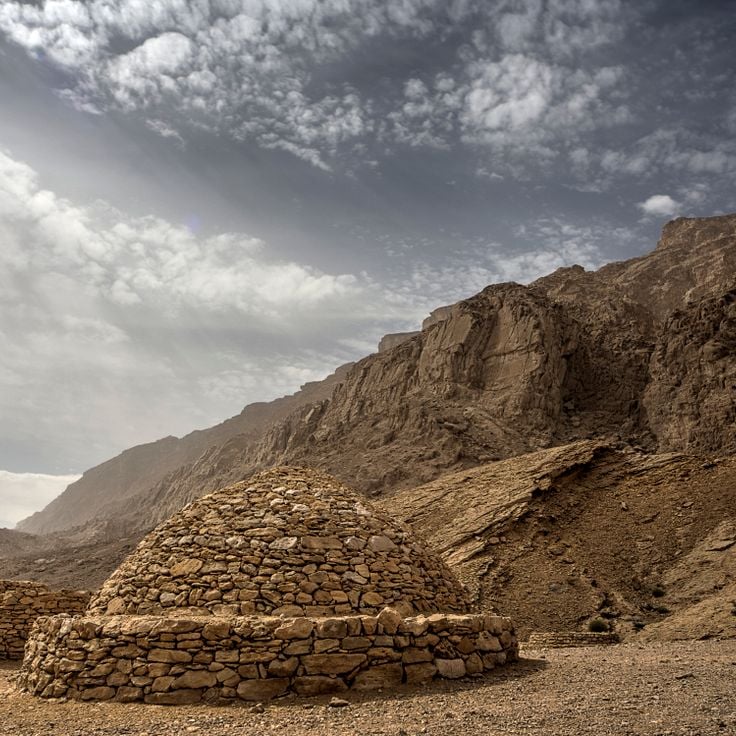
The Jebel Hafeet Tombs are among the oldest archaeological sites in the region. These beehive-shaped burial chambers were carved into the rock slope more than 5,000 years ago, during the early Bronze Age. Archaeologists have found pottery, copper objects and beads here, pointing to trade connections that reached as far as Mesopotamia. The tombs show that organized communities lived in this area long before the modern cities of the Emirates were built.
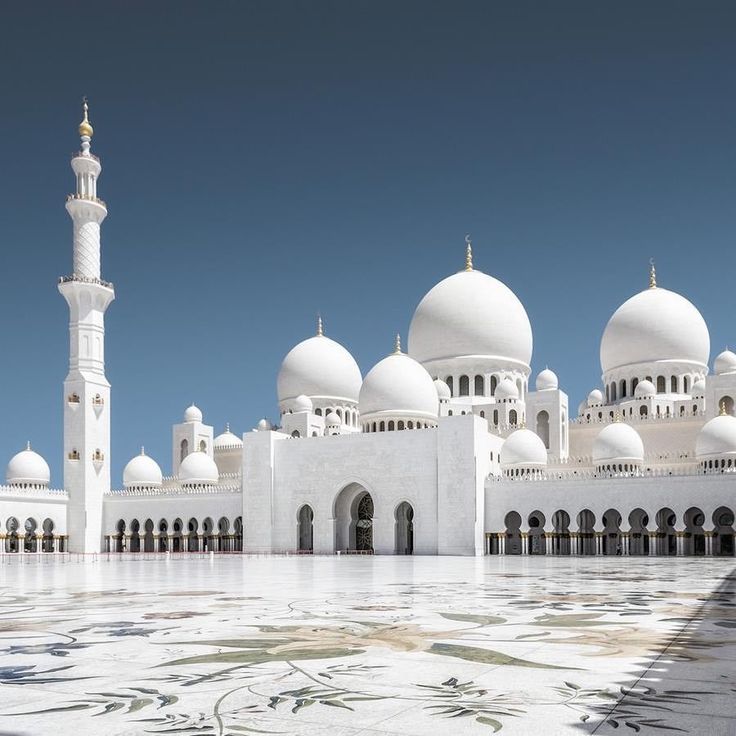
The Sheikh Zayed Grand Mosque sits in the heart of Abu Dhabi and is one of the largest houses of prayer in the world. Its white marble comes from 28 countries, and inside, a hand-knotted carpet covers the floor of the prayer hall. Outside, 82 domes and four minarets shape the skyline around it. The mosque opens to visitors outside prayer times and offers a close look at Islamic building traditions as they are practiced today in the United Arab Emirates.
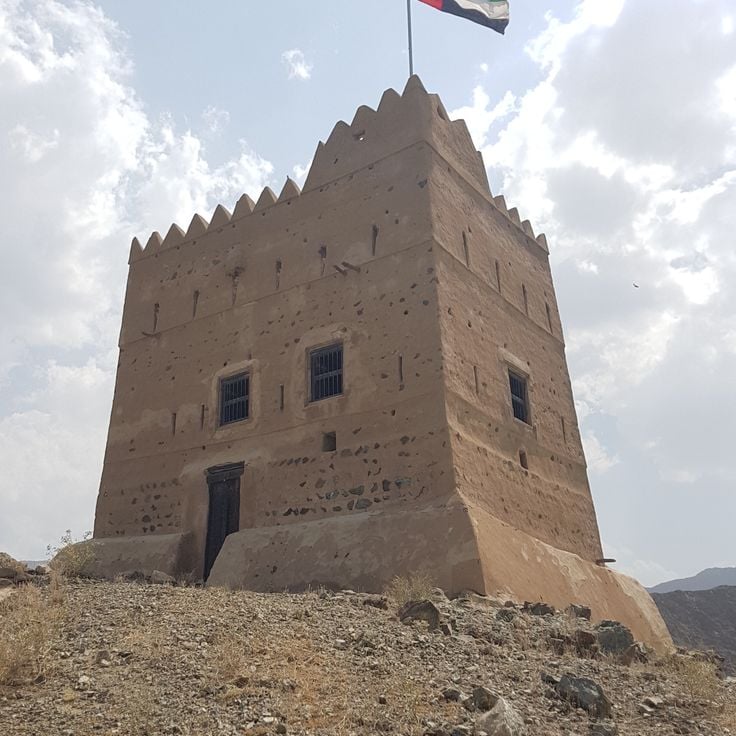
Al Hayl Castle sits at the foot of the Hajar Mountains and is one of the oldest structures in the Fujairah region. Built in the 19th century from mud, stone, and palm timber, it served the ruling Al Sharqi family as a home for several generations. Today it operates as a museum where visitors can see everyday objects, weapons, and documents tied to local history. The castle shows how builders in this part of the Emirates worked with the desert climate and the materials they had at hand.
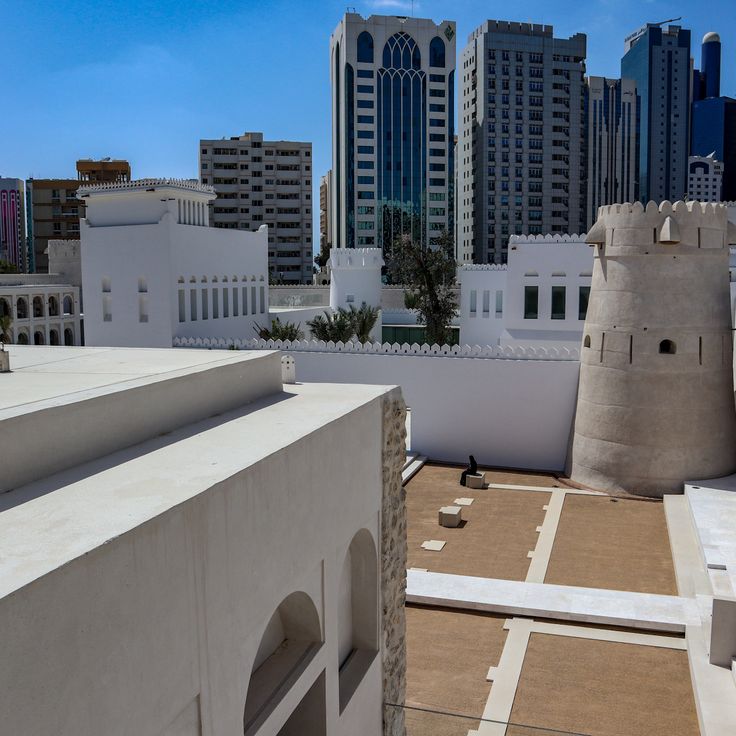
Qasr Al Hosn is the oldest surviving stone structure in Abu Dhabi, dating back to the 18th century. This fortress complex started as a watchtower protecting freshwater wells, then grew into a seat of government and a home for the ruling family. The restored fort now holds a museum that follows the city's story from a pearl trading settlement to a modern capital. Everyday objects, photographs, and documents from different periods show what life looked like across the Emirates before oil was discovered. The courtyard and exhibition halls give a clear sense of how people built and lived in this region.
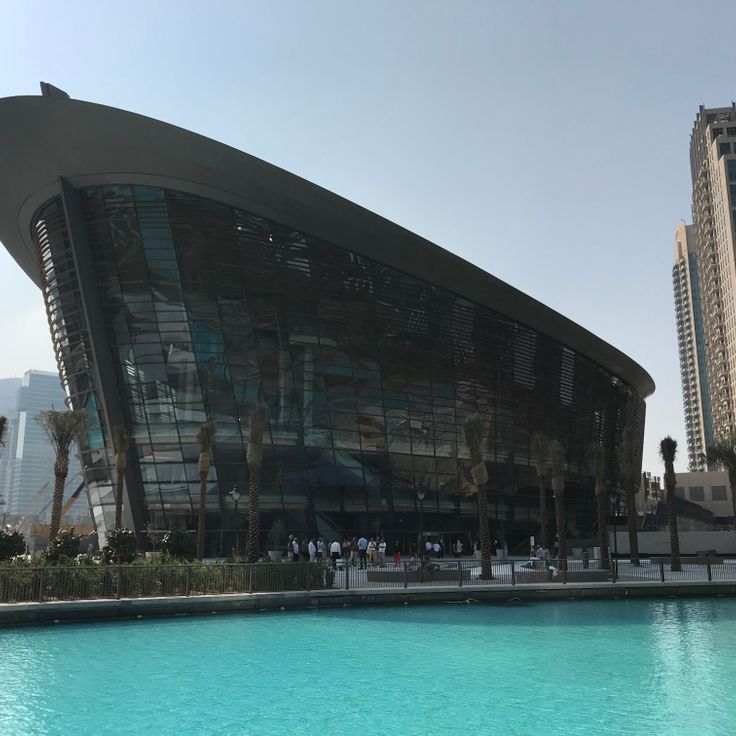
The Dubai Opera sits in the heart of Downtown Dubai and stands out in this collection as a building that ties modern design to the city's seafaring past. Shaped like a dhow, the traditional sailing vessel of the Persian Gulf, it opened in 2016 and holds around 2,000 seats for opera, ballet and concerts. The curved glass facade and timber interior reference the region's maritime roots, while the technical setup supports international productions.
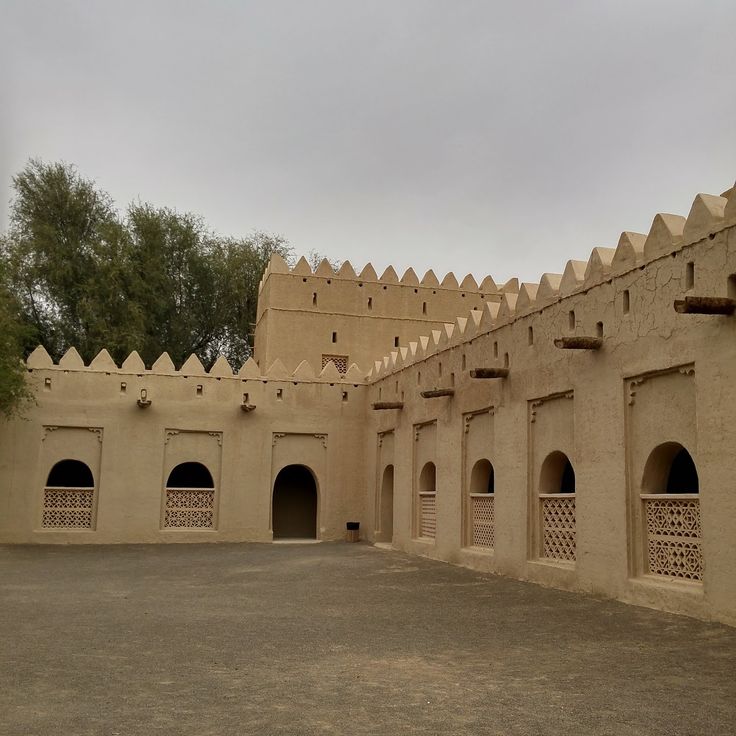
Al Jahili Fort was built in the late 19th century under Sheikh Zayed bin Khalifa to protect the city of Al Ain and its date palm gardens. The fort is made of traditional mud brick, with thick towers and a central courtyard. Today it holds a permanent exhibition about British explorer Wilfred Thesiger, who crossed the Rub al-Khali desert in the 1940s. In a collection that looks at the architecture of the Emirates, Al Jahili Fort stands as a reminder of life in the region before oil was discovered, and it is one of the best-preserved forts in the country.
Fujairah Fort stands on a hill above the city and is one of the oldest fortifications in the region. Built in the 16th century from mud and stone, it has several watchtowers and defensive walls that were added to over time. The fort was used to control trade routes through the mountains and to protect people during conflicts. It also allowed those inside to watch over the coastline along the Indian Ocean. Archaeological digs have brought weapons and pottery to light, some dating back more than 400 years. In a collection exploring the built history of the Emirates, Fujairah Fort shows how deep the pre-oil past of this land runs, long before the towers of Dubai came to define its image.
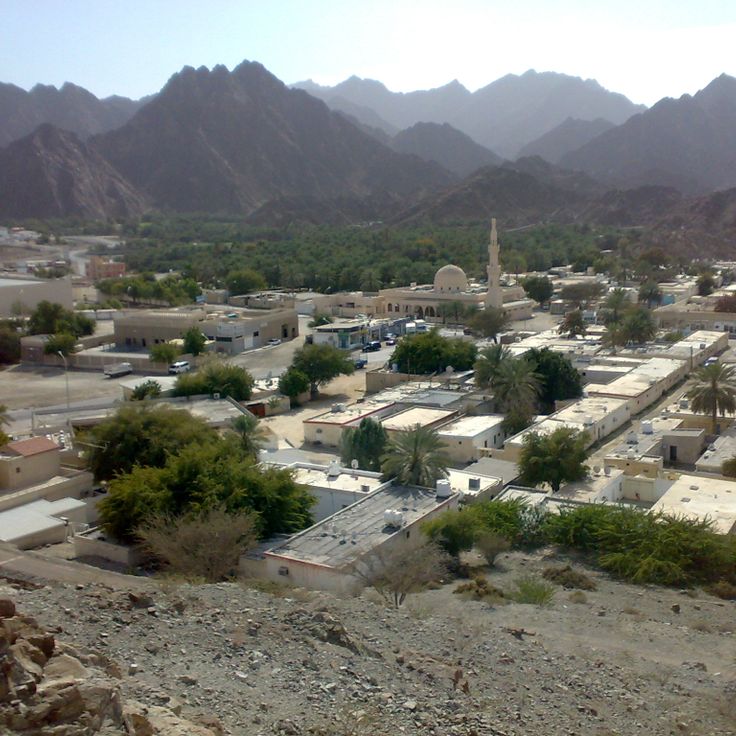
Hatta Heritage Village shows what life looked like in the Hajar Mountains before the oil era. The restored settlement has around thirty traditional houses made from palm fronds and mud, two watchtowers from the 16th century, and a mosque that is about 200 years old. Exhibition rooms display farming tools, weapons, and household objects that show daily life among mountain communities from the 16th to the 20th century. This village sits alongside the modern structures found elsewhere in the Emirates, offering a look at how people built and lived in the highlands for centuries.
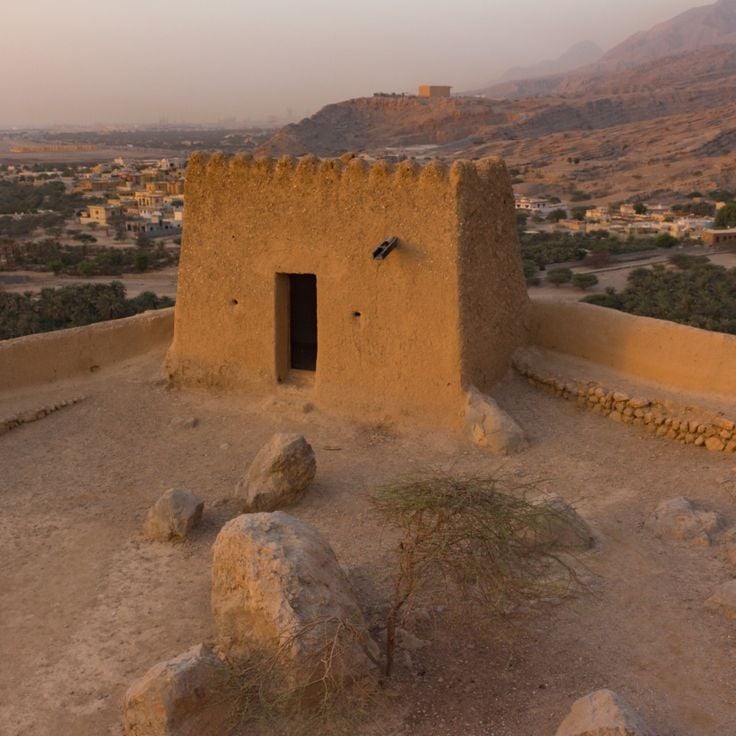
Dhayah Fort stands on a hilltop in the northern part of the Emirates and is one of the few fortifications from the early 19th century still standing in the region. The fort played a central role in 1819, when local tribes faced British forces here. Stone walls and watchtowers look out over the valley below, and reaching the top means climbing a staircase that winds through rocky ground. From up there, the view stretches across palm groves and the mountains of the Hajar range.
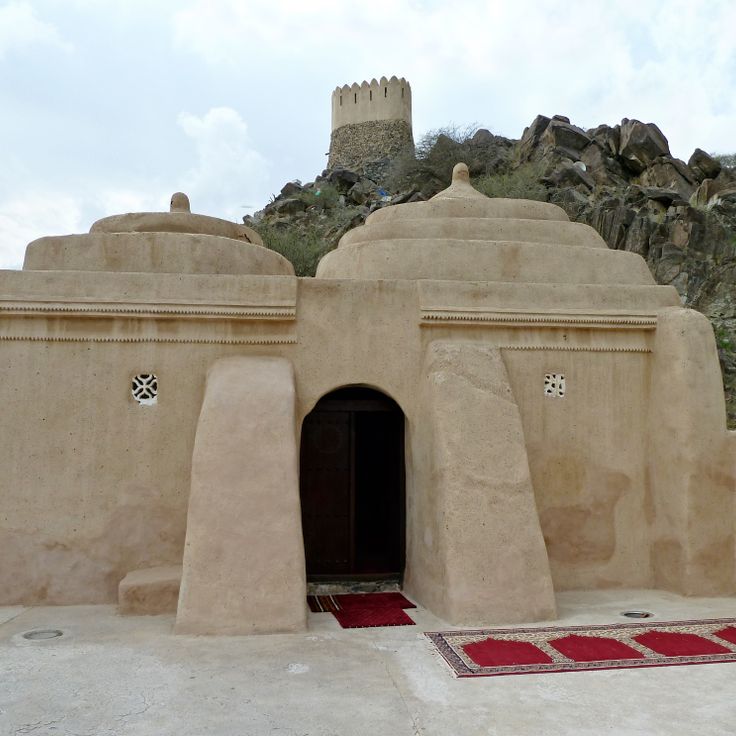
The Al Bidiyah Mosque in Fujairah is the oldest Islamic place of worship in the United Arab Emirates, dating back to the 15th century. The building is small and has four domes made from dried mud bricks and gypsum, held up by a single central pillar inside the prayer hall. Its thick walls help keep the interior cool even in strong heat. A more recent minaret stands right next to it, and a small museum on site tells the story of this place. The mosque is still actively used for prayer and welcomes visitors outside prayer times.
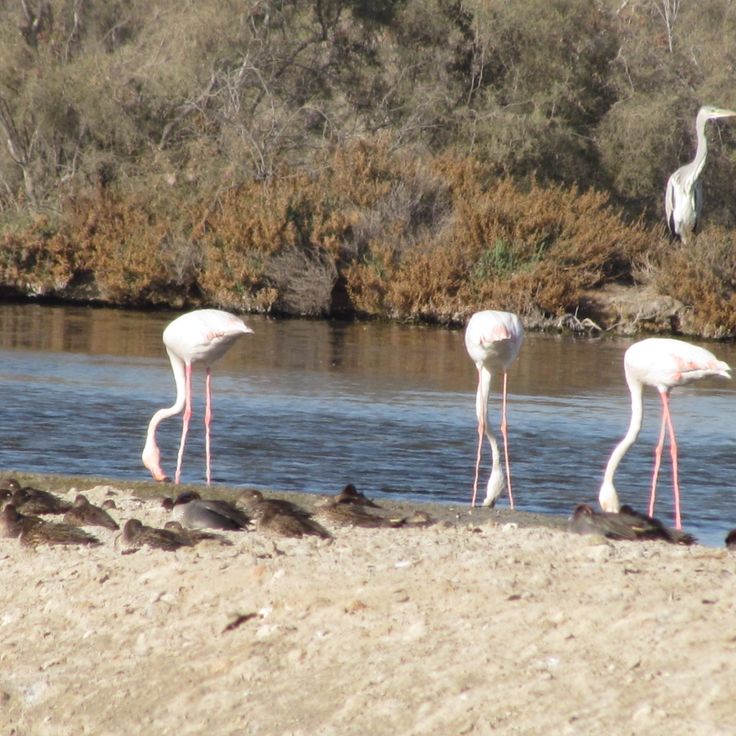
The Ras Al Khor Wildlife Sanctuary sits at the end of Dubai Creek, surrounded by the city's towers and highways. Inside, saltwater lagoons and mangroves shelter flamingos, herons, cormorants, and many other birds that stop here while moving between East Africa and West Asia. Three hides with large windows let visitors watch the birds up close without disturbing them. The sanctuary is one of the rare places in this collection where the landscape feels shaped by nature rather than by human hands.
The Mall of the Emirates is one of the largest shopping centers in the United Arab Emirates. What sets it apart is an indoor ski slope built right in the middle of the desert, complete with lifts and runs. Hundreds of stores, restaurants, and cinemas fill the rest of the space. This mall fits naturally into the story of the Emirates told in this article, where bold construction projects have become part of everyday life in the region.
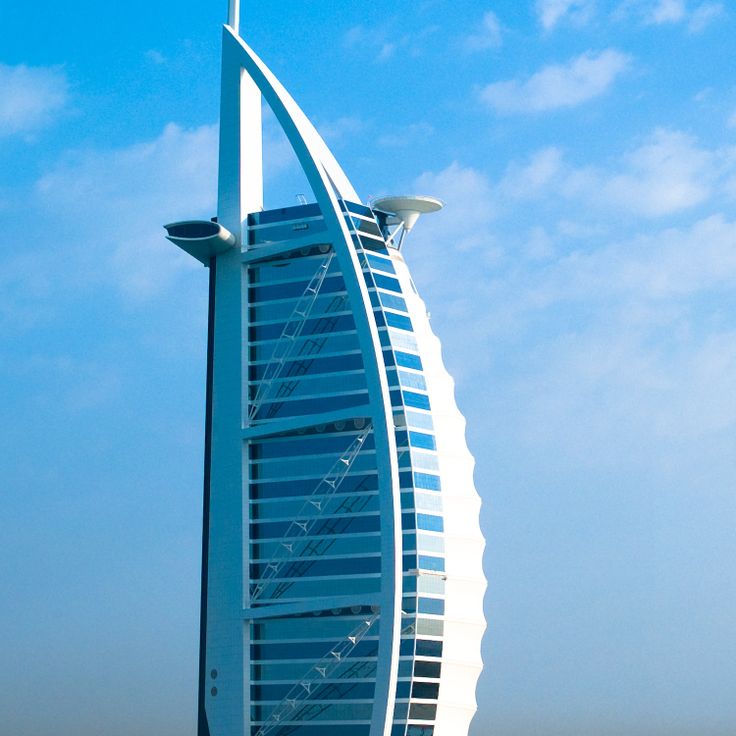
The Burj al-Arab stands on an artificial island off the coast of Dubai and is one of the most recognizable hotels in the world. Completed in 1999, the building takes the shape of a sail, nodding to the maritime tradition of the region. It rises 1,053 feet (321 meters) and rests on piles driven 131 feet (40 meters) into the seabed. The facade is covered in a white Teflon-coated fiberglass fabric. Inside, guest rooms span 28 floors, and the atrium reaches 590 feet (180 meters) high. The hotel has a helipad at 689 feet (210 meters) and an underwater restaurant reached through a transparent tunnel from below the water. Within the context of this collection, the Burj al-Arab shows how Dubai has shaped its coastline and skyline through bold architectural choices.
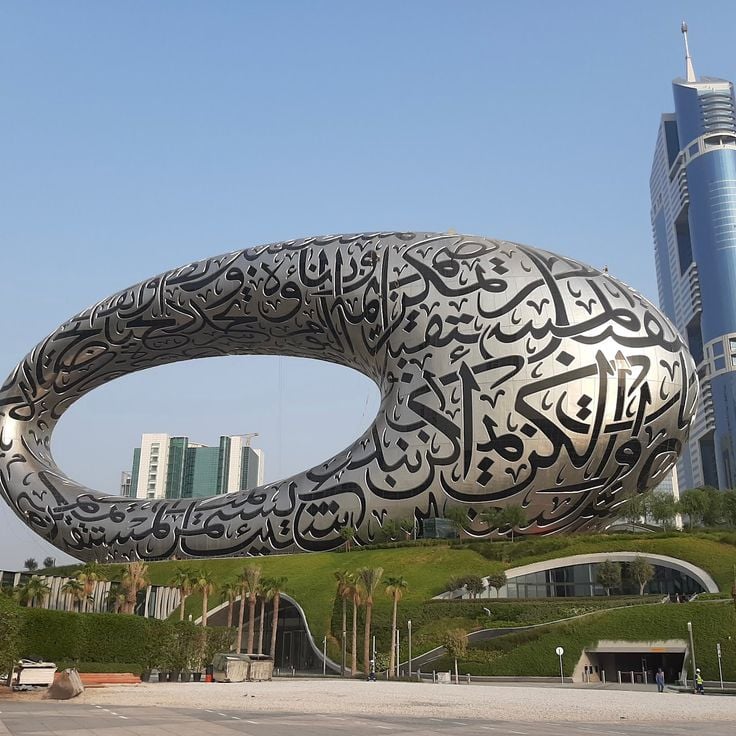
The Museum of the Future stands in Dubai's Financial District and is hard to miss: an oval building of steel and glass covered in Arabic calligraphy. The words come from Dubai's ruler and were assembled from over a thousand panels made by robotic fabrication. Inside, seven floors of exhibition space hold interactive installations on topics like climate change, space exploration, artificial intelligence and biotechnology. The building opened in 2022 and sits near the Emirates Towers, about 3 miles (5 kilometers) south of Burj Khalifa. A visit gives a concrete sense of how science and technology might shape daily life in the years ahead.
The Al Bahr Towers are two office towers in Abu Dhabi with a facade that reacts to the sun. A computer-controlled layer of movable panels opens and closes throughout the day, drawing from the traditional mashrabiya screen pattern. This system reduces heat inside the buildings and shows how regional building traditions can inform contemporary architecture. The two towers, each rising to around 475 feet (145 meters), were completed in 2012.
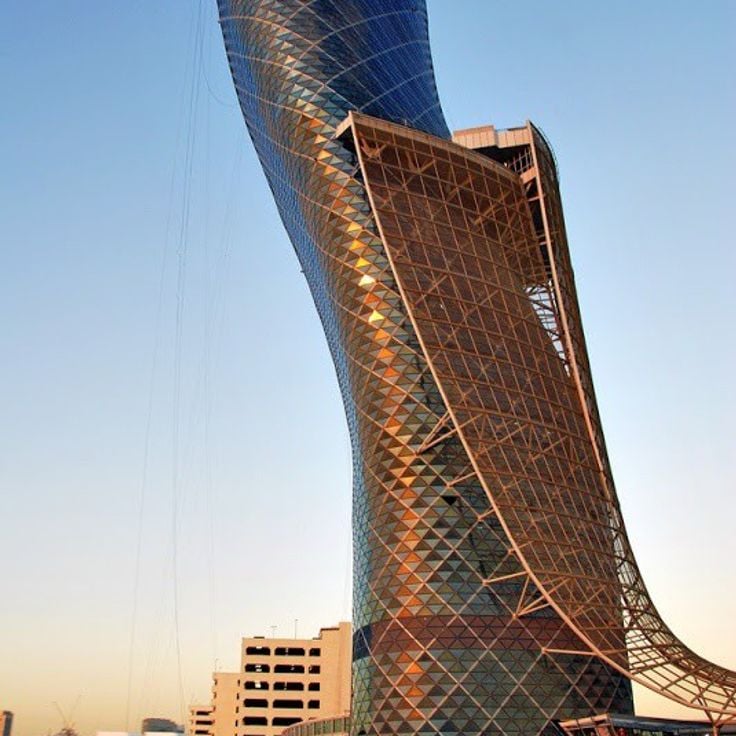
Capital Gate leans at an 18-degree angle, making it one of the most tilted towers in the world, while most buildings stand straight. This 35-story tower was completed in 2011 and holds a hotel and offices in Abu Dhabi's Capital Centre district. Its facade is made of around 8,000 glass panels that give it a faceted appearance. Among the modern structures of the Emirates described in this article, Capital Gate stands out for the way it challenges the idea of a vertical tower, supported by an inner steel and concrete frame.
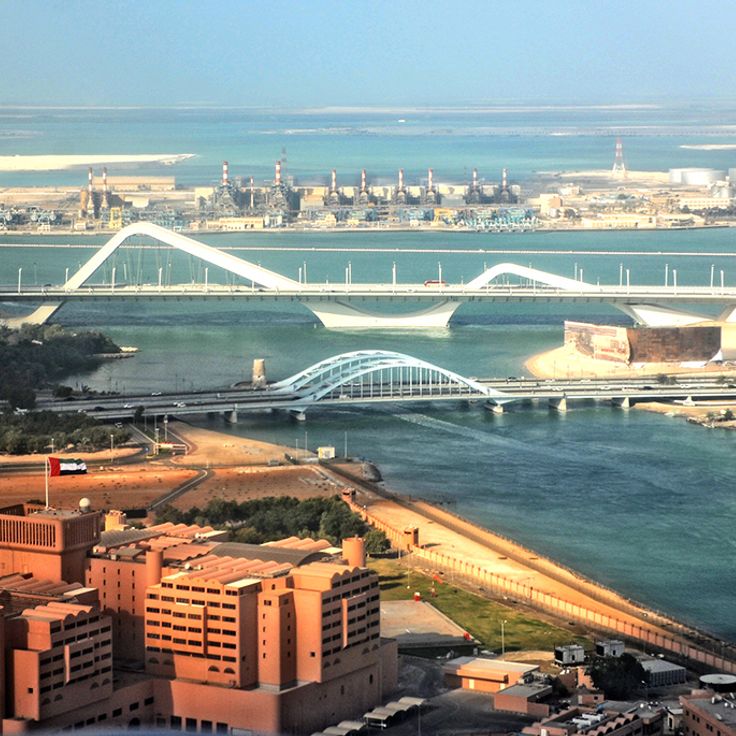
The Sheikh Zayed Bridge crosses a sea channel between Abu Dhabi Island and the mainland. Designed by architect Zaha Hadid, it rests on curved steel arches that rise at different heights above the roadway. The arches are arranged asymmetrically, giving the bridge a profile that stands out at night when the lighting comes on. The bridge carries four multi-lane roadways and links the city center to the southern part of the emirate and the road toward Dubai.
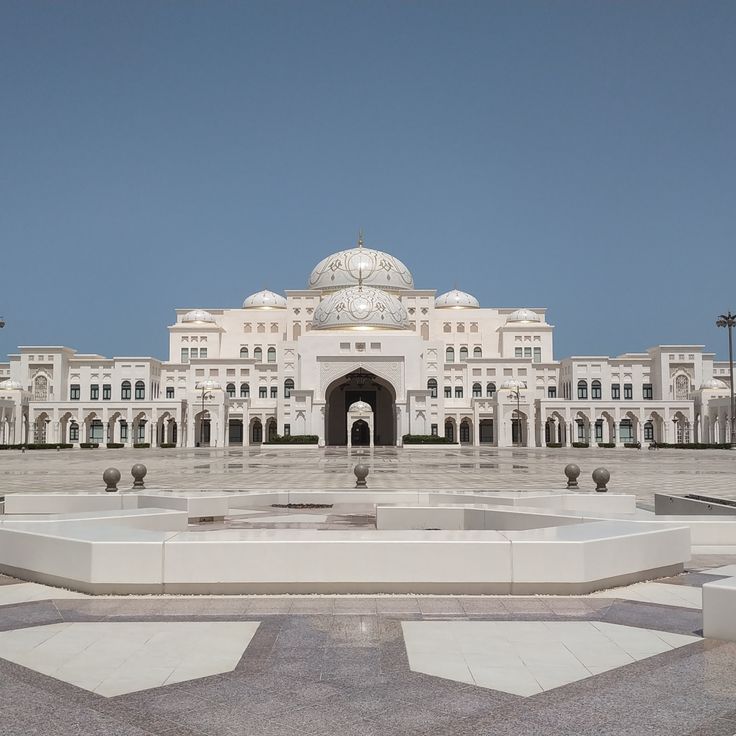
The UAE Presidential Palace in Abu Dhabi was completed in 2017 and serves as the official seat of the United Arab Emirates government. It sits along the Abu Dhabi waterfront, in a country where ancient sites and new buildings stand side by side. Visitors can tour selected areas, including reception halls decorated with calligraphy and inlaid work made from materials brought in from across the world. The central dome rises to about 240 ft (73 m). The architecture brings together traditional Arabian forms and modern construction methods.
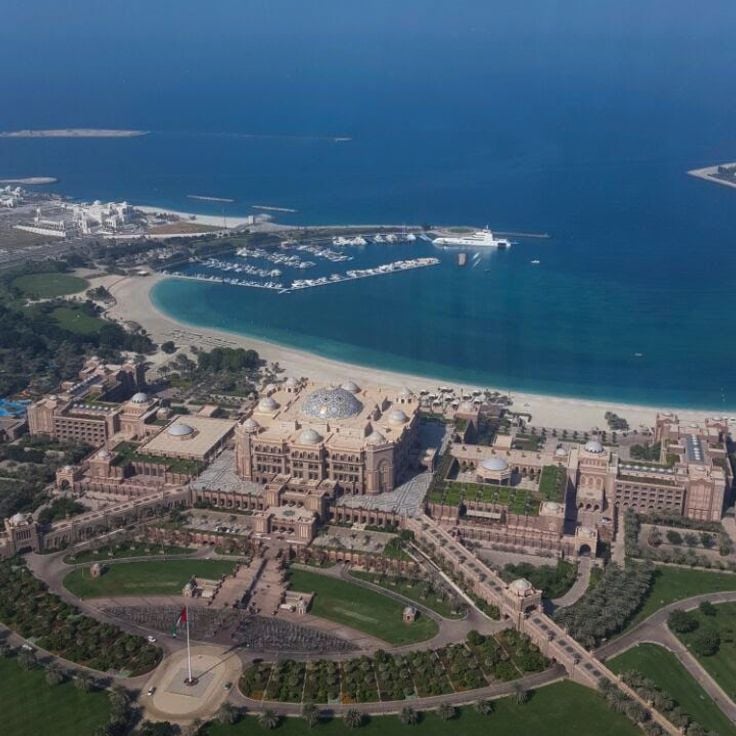
The Emirates Palace opened in 2005 along the Abu Dhabi waterfront as a palace hotel. Its architecture draws on Arabic design, with marble, gold detailing, and traditional motifs throughout the public areas. The central dome rises to 238 feet (72.6 meters) above the ground. Sitting between Corniche Road and the Arabian Gulf, the Emirates Palace has a private beach, several restaurants, and conference facilities, making it one of the most recognized buildings in the country.
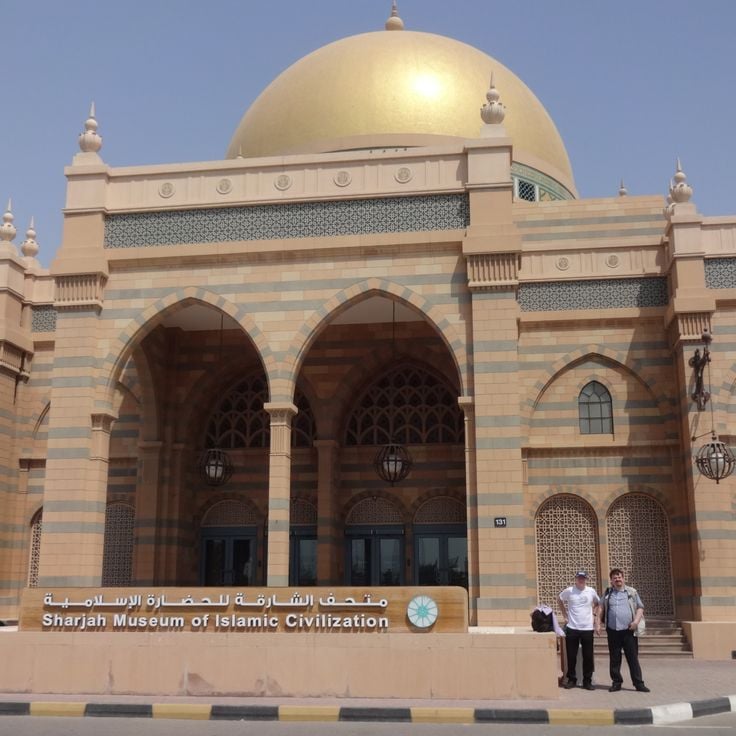
The Sharjah Museum of Islamic Civilization is housed in a former marketplace and displays objects from over 1,400 years of Islamic history. Seven galleries show manuscripts, ceramics, astronomical tools and religious objects gathered from across the Islamic world. A central dome is decorated with golden mosaics. This museum adds context to the other sites in this collection by showing the cultural and scientific background behind the region's buildings and traditions.
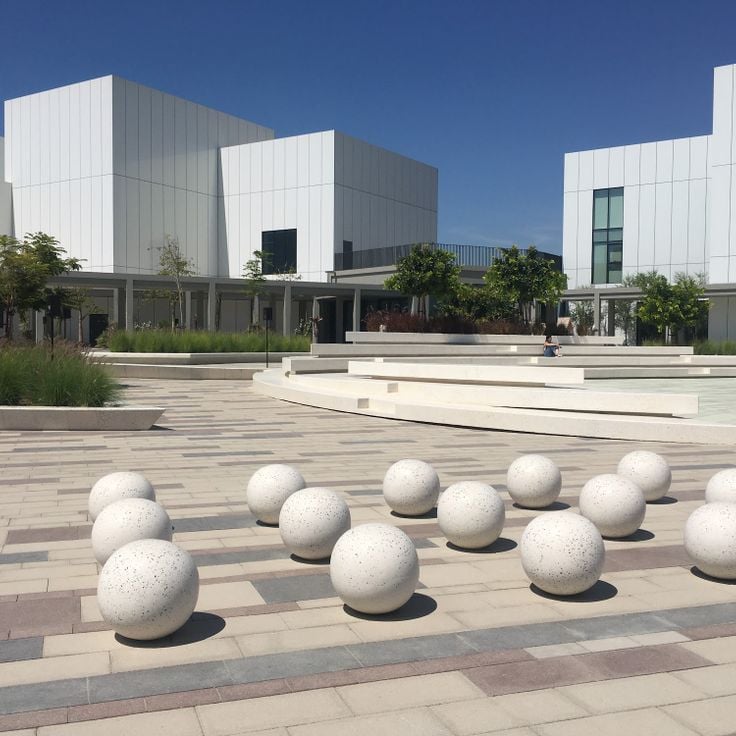
The Jameel Arts Centre sits along Dubai Creek and shows contemporary art from the Arab world. Much like the other sites in this collection, it reflects how the Emirates bring together different eras and influences in one place. Rotating exhibitions fill its gallery spaces, alongside a permanent collection and works by international artists. The centre also runs workshops and events open to all ages.
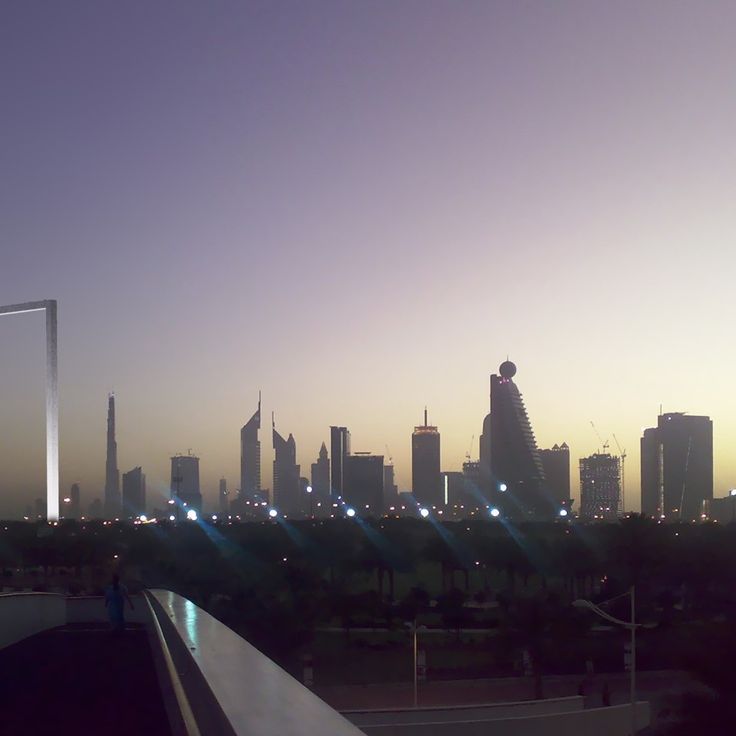
The Dubai Frame stands in Zabeel Park and takes the shape of a giant rectangular frame, with two towers connected by a glass-floored bridge at 150 feet (46 meters) up. From the top, visitors look north over older neighborhoods and south over the rows of modern towers. The outer cladding has a gold tint. At ground level, a museum traces the story of Dubai's urban growth. The structure opened in 2018 and sits at the physical boundary between old and new Dubai.
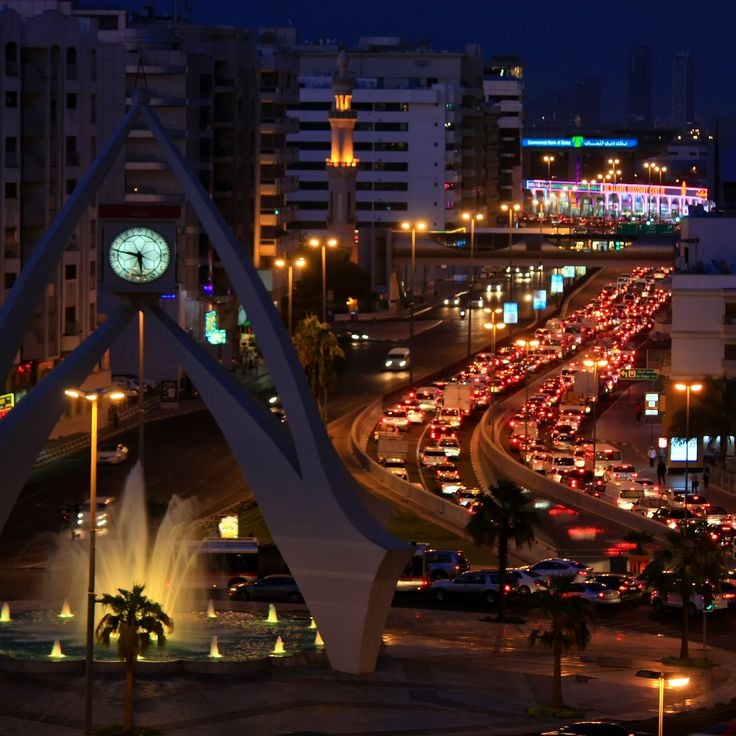
The Deira Clocktower has stood at a central roundabout in Dubai since 1965, making it one of the city's first modern landmarks. The tower has four clock faces and sits in the older Deira district, which was once Dubai's main trading area. Visiting this tower gives a sense of how the city began to grow beyond its traditional port roots. The roundabout still connects roads leading to the port, the souks and nearby neighborhoods.
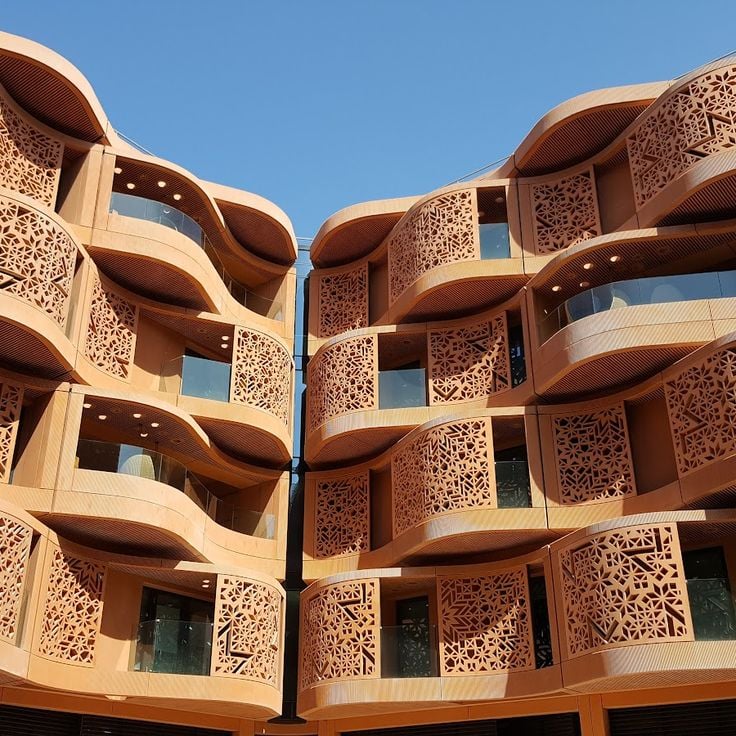
Masdar City is a planned urban development on the edge of Abu Dhabi, built since 2006. Its buildings are designed to need less energy: facades are oriented to limit heat, solar panels provide power, and natural airflow reduces the need for air conditioning. In a region known for large construction projects, Masdar City takes a different direction, showing how city life in the desert can work with less energy consumption.
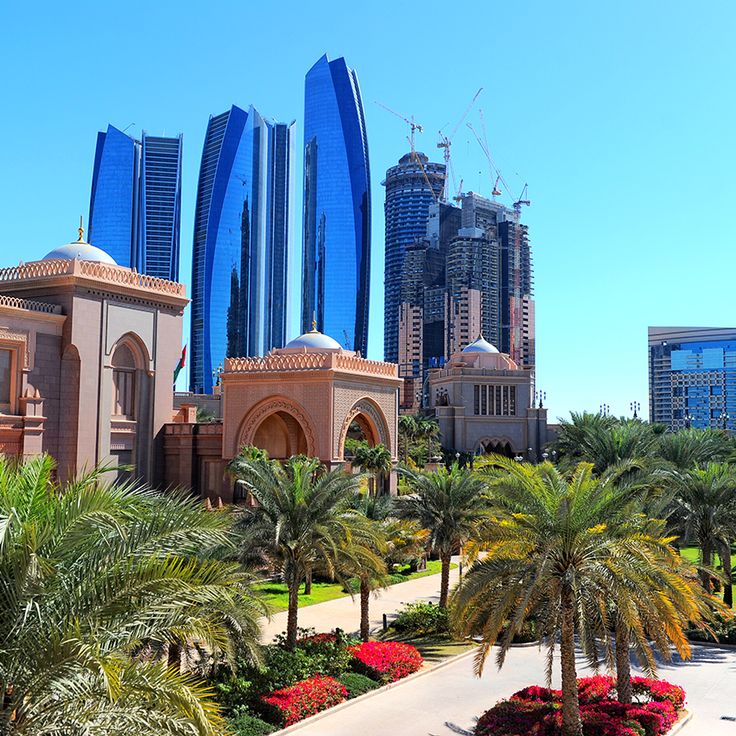
The Etihad Towers are five glass-fronted high-rises standing along the waterfront in Abu Dhabi. They form a long section of the capital's skyline near the shore. The tallest of the five reaches about 1,000 feet (305 meters) and holds apartments, offices, and a hotel. The complex also has shops and restaurants that face the Arabian Gulf. From the 74th floor, visitors can look out over the city and the offshore islands in every direction.
The Burj Khalifa stands 828 meters tall in central Dubai and has been the world's tallest building since 2010. Designed by Adrian Smith with references to Islamic architecture, the tower holds offices, homes and a hotel. Visitors can take in views of the city and the desert from observation decks on floors 124, 125 and 148. At night, the tower is lit up and sits next to the Dubai Mall in the Downtown district.
Palm Jumeirah is an artificial island off the coast of Dubai, built in the shape of a palm tree. Construction ran from 2001 to 2006, shaping a central trunk, sixteen fronds, and a crescent breakwater. Today it holds hotels, private homes, and places to spend time by the water. In this collection, Palm Jumeirah stands as a clear example of Dubai's drive to reshape its coastline, placed alongside historic sites like the ancient rock tombs of Jebel Hafeet to show the range of what the Emirates have built over time.
The Louvre Abu Dhabi sits on Saadiyat Island and brings together art from many parts of the world under a round metal dome. French architect Jean Nouvel designed the dome with thousands of small openings that let sunlight fall across the galleries and the surrounding water in shifting patterns. The collection ranges from objects of ancient Mesopotamia to contemporary art, arranged to draw out connections between different cultures and periods. This museum is part of a broader cultural district that has gathered several international institutions on the island.
Ajman Museum sits inside a fortress from the 18th century that once served as the ruler's home and a place of defense. Today, the building holds a collection of everyday objects, traditional weapons and archaeological finds that show how life was lived in this part of the Emirates. Visitors can see models of traditional boats and a recreation of a historical souk. The museum opened in 1981 and traces Ajman's story from a small fishing settlement to the city it is today.
The Jebel Hafeet Tombs are among the oldest archaeological sites in the region. These beehive-shaped burial chambers were carved into the rock slope more than 5,000 years ago, during the early Bronze Age. Archaeologists have found pottery, copper objects and beads here, pointing to trade connections that reached as far as Mesopotamia. The tombs show that organized communities lived in this area long before the modern cities of the Emirates were built.
The Sheikh Zayed Grand Mosque sits in the heart of Abu Dhabi and is one of the largest houses of prayer in the world. Its white marble comes from 28 countries, and inside, a hand-knotted carpet covers the floor of the prayer hall. Outside, 82 domes and four minarets shape the skyline around it. The mosque opens to visitors outside prayer times and offers a close look at Islamic building traditions as they are practiced today in the United Arab Emirates.
Al Hayl Castle sits at the foot of the Hajar Mountains and is one of the oldest structures in the Fujairah region. Built in the 19th century from mud, stone, and palm timber, it served the ruling Al Sharqi family as a home for several generations. Today it operates as a museum where visitors can see everyday objects, weapons, and documents tied to local history. The castle shows how builders in this part of the Emirates worked with the desert climate and the materials they had at hand.
Qasr Al Hosn is the oldest surviving stone structure in Abu Dhabi, dating back to the 18th century. This fortress complex started as a watchtower protecting freshwater wells, then grew into a seat of government and a home for the ruling family. The restored fort now holds a museum that follows the city's story from a pearl trading settlement to a modern capital. Everyday objects, photographs, and documents from different periods show what life looked like across the Emirates before oil was discovered. The courtyard and exhibition halls give a clear sense of how people built and lived in this region.
The Dubai Opera sits in the heart of Downtown Dubai and stands out in this collection as a building that ties modern design to the city's seafaring past. Shaped like a dhow, the traditional sailing vessel of the Persian Gulf, it opened in 2016 and holds around 2,000 seats for opera, ballet and concerts. The curved glass facade and timber interior reference the region's maritime roots, while the technical setup supports international productions.
Al Jahili Fort was built in the late 19th century under Sheikh Zayed bin Khalifa to protect the city of Al Ain and its date palm gardens. The fort is made of traditional mud brick, with thick towers and a central courtyard. Today it holds a permanent exhibition about British explorer Wilfred Thesiger, who crossed the Rub al-Khali desert in the 1940s. In a collection that looks at the architecture of the Emirates, Al Jahili Fort stands as a reminder of life in the region before oil was discovered, and it is one of the best-preserved forts in the country.
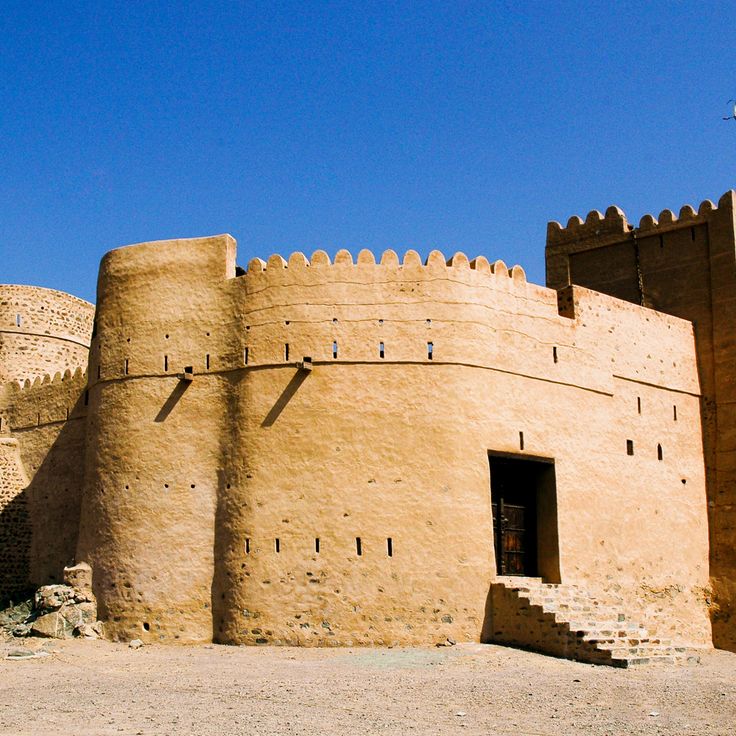
Fujairah Fort stands on a hill above the city and is one of the oldest fortifications in the region. Built in the 16th century from mud and stone, it has several watchtowers and defensive walls that were added to over time. The fort was used to control trade routes through the mountains and to protect people during conflicts. It also allowed those inside to watch over the coastline along the Indian Ocean. Archaeological digs have brought weapons and pottery to light, some dating back more than 400 years. In a collection exploring the built history of the Emirates, Fujairah Fort shows how deep the pre-oil past of this land runs, long before the towers of Dubai came to define its image.
Hatta Heritage Village shows what life looked like in the Hajar Mountains before the oil era. The restored settlement has around thirty traditional houses made from palm fronds and mud, two watchtowers from the 16th century, and a mosque that is about 200 years old. Exhibition rooms display farming tools, weapons, and household objects that show daily life among mountain communities from the 16th to the 20th century. This village sits alongside the modern structures found elsewhere in the Emirates, offering a look at how people built and lived in the highlands for centuries.
Dhayah Fort stands on a hilltop in the northern part of the Emirates and is one of the few fortifications from the early 19th century still standing in the region. The fort played a central role in 1819, when local tribes faced British forces here. Stone walls and watchtowers look out over the valley below, and reaching the top means climbing a staircase that winds through rocky ground. From up there, the view stretches across palm groves and the mountains of the Hajar range.
The Al Bidiyah Mosque in Fujairah is the oldest Islamic place of worship in the United Arab Emirates, dating back to the 15th century. The building is small and has four domes made from dried mud bricks and gypsum, held up by a single central pillar inside the prayer hall. Its thick walls help keep the interior cool even in strong heat. A more recent minaret stands right next to it, and a small museum on site tells the story of this place. The mosque is still actively used for prayer and welcomes visitors outside prayer times.
The Ras Al Khor Wildlife Sanctuary sits at the end of Dubai Creek, surrounded by the city's towers and highways. Inside, saltwater lagoons and mangroves shelter flamingos, herons, cormorants, and many other birds that stop here while moving between East Africa and West Asia. Three hides with large windows let visitors watch the birds up close without disturbing them. The sanctuary is one of the rare places in this collection where the landscape feels shaped by nature rather than by human hands.
The Mall of the Emirates is one of the largest shopping centers in the United Arab Emirates. What sets it apart is an indoor ski slope built right in the middle of the desert, complete with lifts and runs. Hundreds of stores, restaurants, and cinemas fill the rest of the space. This mall fits naturally into the story of the Emirates told in this article, where bold construction projects have become part of everyday life in the region.
The Burj al-Arab stands on an artificial island off the coast of Dubai and is one of the most recognizable hotels in the world. Completed in 1999, the building takes the shape of a sail, nodding to the maritime tradition of the region. It rises 1,053 feet (321 meters) and rests on piles driven 131 feet (40 meters) into the seabed. The facade is covered in a white Teflon-coated fiberglass fabric. Inside, guest rooms span 28 floors, and the atrium reaches 590 feet (180 meters) high. The hotel has a helipad at 689 feet (210 meters) and an underwater restaurant reached through a transparent tunnel from below the water. Within the context of this collection, the Burj al-Arab shows how Dubai has shaped its coastline and skyline through bold architectural choices.
The Museum of the Future stands in Dubai's Financial District and is hard to miss: an oval building of steel and glass covered in Arabic calligraphy. The words come from Dubai's ruler and were assembled from over a thousand panels made by robotic fabrication. Inside, seven floors of exhibition space hold interactive installations on topics like climate change, space exploration, artificial intelligence and biotechnology. The building opened in 2022 and sits near the Emirates Towers, about 3 miles (5 kilometers) south of Burj Khalifa. A visit gives a concrete sense of how science and technology might shape daily life in the years ahead.
The Al Bahr Towers are two office towers in Abu Dhabi with a facade that reacts to the sun. A computer-controlled layer of movable panels opens and closes throughout the day, drawing from the traditional mashrabiya screen pattern. This system reduces heat inside the buildings and shows how regional building traditions can inform contemporary architecture. The two towers, each rising to around 475 feet (145 meters), were completed in 2012.
Capital Gate leans at an 18-degree angle, making it one of the most tilted towers in the world, while most buildings stand straight. This 35-story tower was completed in 2011 and holds a hotel and offices in Abu Dhabi's Capital Centre district. Its facade is made of around 8,000 glass panels that give it a faceted appearance. Among the modern structures of the Emirates described in this article, Capital Gate stands out for the way it challenges the idea of a vertical tower, supported by an inner steel and concrete frame.
The Sheikh Zayed Bridge crosses a sea channel between Abu Dhabi Island and the mainland. Designed by architect Zaha Hadid, it rests on curved steel arches that rise at different heights above the roadway. The arches are arranged asymmetrically, giving the bridge a profile that stands out at night when the lighting comes on. The bridge carries four multi-lane roadways and links the city center to the southern part of the emirate and the road toward Dubai.
The UAE Presidential Palace in Abu Dhabi was completed in 2017 and serves as the official seat of the United Arab Emirates government. It sits along the Abu Dhabi waterfront, in a country where ancient sites and new buildings stand side by side. Visitors can tour selected areas, including reception halls decorated with calligraphy and inlaid work made from materials brought in from across the world. The central dome rises to about 240 ft (73 m). The architecture brings together traditional Arabian forms and modern construction methods.
The Emirates Palace opened in 2005 along the Abu Dhabi waterfront as a palace hotel. Its architecture draws on Arabic design, with marble, gold detailing, and traditional motifs throughout the public areas. The central dome rises to 238 feet (72.6 meters) above the ground. Sitting between Corniche Road and the Arabian Gulf, the Emirates Palace has a private beach, several restaurants, and conference facilities, making it one of the most recognized buildings in the country.
The Sharjah Museum of Islamic Civilization is housed in a former marketplace and displays objects from over 1,400 years of Islamic history. Seven galleries show manuscripts, ceramics, astronomical tools and religious objects gathered from across the Islamic world. A central dome is decorated with golden mosaics. This museum adds context to the other sites in this collection by showing the cultural and scientific background behind the region's buildings and traditions.
The Jameel Arts Centre sits along Dubai Creek and shows contemporary art from the Arab world. Much like the other sites in this collection, it reflects how the Emirates bring together different eras and influences in one place. Rotating exhibitions fill its gallery spaces, alongside a permanent collection and works by international artists. The centre also runs workshops and events open to all ages.
The Dubai Frame stands in Zabeel Park and takes the shape of a giant rectangular frame, with two towers connected by a glass-floored bridge at 150 feet (46 meters) up. From the top, visitors look north over older neighborhoods and south over the rows of modern towers. The outer cladding has a gold tint. At ground level, a museum traces the story of Dubai's urban growth. The structure opened in 2018 and sits at the physical boundary between old and new Dubai.
The Deira Clocktower has stood at a central roundabout in Dubai since 1965, making it one of the city's first modern landmarks. The tower has four clock faces and sits in the older Deira district, which was once Dubai's main trading area. Visiting this tower gives a sense of how the city began to grow beyond its traditional port roots. The roundabout still connects roads leading to the port, the souks and nearby neighborhoods.
Masdar City is a planned urban development on the edge of Abu Dhabi, built since 2006. Its buildings are designed to need less energy: facades are oriented to limit heat, solar panels provide power, and natural airflow reduces the need for air conditioning. In a region known for large construction projects, Masdar City takes a different direction, showing how city life in the desert can work with less energy consumption.
The Etihad Towers are five glass-fronted high-rises standing along the waterfront in Abu Dhabi. They form a long section of the capital's skyline near the shore. The tallest of the five reaches about 1,000 feet (305 meters) and holds apartments, offices, and a hotel. The complex also has shops and restaurants that face the Arabian Gulf. From the 74th floor, visitors can look out over the city and the offshore islands in every direction.
The Burj Khalifa stands 828 meters tall in central Dubai and has been the world's tallest building since 2010. Designed by Adrian Smith with references to Islamic architecture, the tower holds offices, homes and a hotel. Visitors can take in views of the city and the desert from observation decks on floors 124, 125 and 148. At night, the tower is lit up and sits next to the Dubai Mall in the Downtown district.
Palm Jumeirah is an artificial island off the coast of Dubai, built in the shape of a palm tree. Construction ran from 2001 to 2006, shaping a central trunk, sixteen fronds, and a crescent breakwater. Today it holds hotels, private homes, and places to spend time by the water. In this collection, Palm Jumeirah stands as a clear example of Dubai's drive to reshape its coastline, placed alongside historic sites like the ancient rock tombs of Jebel Hafeet to show the range of what the Emirates have built over time.
The Louvre Abu Dhabi sits on Saadiyat Island and brings together art from many parts of the world under a round metal dome. French architect Jean Nouvel designed the dome with thousands of small openings that let sunlight fall across the galleries and the surrounding water in shifting patterns. The collection ranges from objects of ancient Mesopotamia to contemporary art, arranged to draw out connections between different cultures and periods. This museum is part of a broader cultural district that has gathered several international institutions on the island.
Ajman Museum sits inside a fortress from the 18th century that once served as the ruler's home and a place of defense. Today, the building holds a collection of everyday objects, traditional weapons and archaeological finds that show how life was lived in this part of the Emirates. Visitors can see models of traditional boats and a recreation of a historical souk. The museum opened in 1981 and traces Ajman's story from a small fishing settlement to the city it is today.
The Jebel Hafeet Tombs are among the oldest archaeological sites in the region. These beehive-shaped burial chambers were carved into the rock slope more than 5,000 years ago, during the early Bronze Age. Archaeologists have found pottery, copper objects and beads here, pointing to trade connections that reached as far as Mesopotamia. The tombs show that organized communities lived in this area long before the modern cities of the Emirates were built.
The Sheikh Zayed Grand Mosque sits in the heart of Abu Dhabi and is one of the largest houses of prayer in the world. Its white marble comes from 28 countries, and inside, a hand-knotted carpet covers the floor of the prayer hall. Outside, 82 domes and four minarets shape the skyline around it. The mosque opens to visitors outside prayer times and offers a close look at Islamic building traditions as they are practiced today in the United Arab Emirates.
Al Hayl Castle sits at the foot of the Hajar Mountains and is one of the oldest structures in the Fujairah region. Built in the 19th century from mud, stone, and palm timber, it served the ruling Al Sharqi family as a home for several generations. Today it operates as a museum where visitors can see everyday objects, weapons, and documents tied to local history. The castle shows how builders in this part of the Emirates worked with the desert climate and the materials they had at hand.
Qasr Al Hosn is the oldest surviving stone structure in Abu Dhabi, dating back to the 18th century. This fortress complex started as a watchtower protecting freshwater wells, then grew into a seat of government and a home for the ruling family. The restored fort now holds a museum that follows the city's story from a pearl trading settlement to a modern capital. Everyday objects, photographs, and documents from different periods show what life looked like across the Emirates before oil was discovered. The courtyard and exhibition halls give a clear sense of how people built and lived in this region.
The Dubai Opera sits in the heart of Downtown Dubai and stands out in this collection as a building that ties modern design to the city's seafaring past. Shaped like a dhow, the traditional sailing vessel of the Persian Gulf, it opened in 2016 and holds around 2,000 seats for opera, ballet and concerts. The curved glass facade and timber interior reference the region's maritime roots, while the technical setup supports international productions.
Al Jahili Fort was built in the late 19th century under Sheikh Zayed bin Khalifa to protect the city of Al Ain and its date palm gardens. The fort is made of traditional mud brick, with thick towers and a central courtyard. Today it holds a permanent exhibition about British explorer Wilfred Thesiger, who crossed the Rub al-Khali desert in the 1940s. In a collection that looks at the architecture of the Emirates, Al Jahili Fort stands as a reminder of life in the region before oil was discovered, and it is one of the best-preserved forts in the country.
Fujairah Fort stands on a hill above the city and is one of the oldest fortifications in the region. Built in the 16th century from mud and stone, it has several watchtowers and defensive walls that were added to over time. The fort was used to control trade routes through the mountains and to protect people during conflicts. It also allowed those inside to watch over the coastline along the Indian Ocean. Archaeological digs have brought weapons and pottery to light, some dating back more than 400 years. In a collection exploring the built history of the Emirates, Fujairah Fort shows how deep the pre-oil past of this land runs, long before the towers of Dubai came to define its image.
Hatta Heritage Village shows what life looked like in the Hajar Mountains before the oil era. The restored settlement has around thirty traditional houses made from palm fronds and mud, two watchtowers from the 16th century, and a mosque that is about 200 years old. Exhibition rooms display farming tools, weapons, and household objects that show daily life among mountain communities from the 16th to the 20th century. This village sits alongside the modern structures found elsewhere in the Emirates, offering a look at how people built and lived in the highlands for centuries.
Dhayah Fort stands on a hilltop in the northern part of the Emirates and is one of the few fortifications from the early 19th century still standing in the region. The fort played a central role in 1819, when local tribes faced British forces here. Stone walls and watchtowers look out over the valley below, and reaching the top means climbing a staircase that winds through rocky ground. From up there, the view stretches across palm groves and the mountains of the Hajar range.
The Al Bidiyah Mosque in Fujairah is the oldest Islamic place of worship in the United Arab Emirates, dating back to the 15th century. The building is small and has four domes made from dried mud bricks and gypsum, held up by a single central pillar inside the prayer hall. Its thick walls help keep the interior cool even in strong heat. A more recent minaret stands right next to it, and a small museum on site tells the story of this place. The mosque is still actively used for prayer and welcomes visitors outside prayer times.
The Ras Al Khor Wildlife Sanctuary sits at the end of Dubai Creek, surrounded by the city's towers and highways. Inside, saltwater lagoons and mangroves shelter flamingos, herons, cormorants, and many other birds that stop here while moving between East Africa and West Asia. Three hides with large windows let visitors watch the birds up close without disturbing them. The sanctuary is one of the rare places in this collection where the landscape feels shaped by nature rather than by human hands.
The Mall of the Emirates is one of the largest shopping centers in the United Arab Emirates. What sets it apart is an indoor ski slope built right in the middle of the desert, complete with lifts and runs. Hundreds of stores, restaurants, and cinemas fill the rest of the space. This mall fits naturally into the story of the Emirates told in this article, where bold construction projects have become part of everyday life in the region.
The Burj al-Arab stands on an artificial island off the coast of Dubai and is one of the most recognizable hotels in the world. Completed in 1999, the building takes the shape of a sail, nodding to the maritime tradition of the region. It rises 1,053 feet (321 meters) and rests on piles driven 131 feet (40 meters) into the seabed. The facade is covered in a white Teflon-coated fiberglass fabric. Inside, guest rooms span 28 floors, and the atrium reaches 590 feet (180 meters) high. The hotel has a helipad at 689 feet (210 meters) and an underwater restaurant reached through a transparent tunnel from below the water. Within the context of this collection, the Burj al-Arab shows how Dubai has shaped its coastline and skyline through bold architectural choices.
The Museum of the Future stands in Dubai's Financial District and is hard to miss: an oval building of steel and glass covered in Arabic calligraphy. The words come from Dubai's ruler and were assembled from over a thousand panels made by robotic fabrication. Inside, seven floors of exhibition space hold interactive installations on topics like climate change, space exploration, artificial intelligence and biotechnology. The building opened in 2022 and sits near the Emirates Towers, about 3 miles (5 kilometers) south of Burj Khalifa. A visit gives a concrete sense of how science and technology might shape daily life in the years ahead.
The Al Bahr Towers are two office towers in Abu Dhabi with a facade that reacts to the sun. A computer-controlled layer of movable panels opens and closes throughout the day, drawing from the traditional mashrabiya screen pattern. This system reduces heat inside the buildings and shows how regional building traditions can inform contemporary architecture. The two towers, each rising to around 475 feet (145 meters), were completed in 2012.
Capital Gate leans at an 18-degree angle, making it one of the most tilted towers in the world, while most buildings stand straight. This 35-story tower was completed in 2011 and holds a hotel and offices in Abu Dhabi's Capital Centre district. Its facade is made of around 8,000 glass panels that give it a faceted appearance. Among the modern structures of the Emirates described in this article, Capital Gate stands out for the way it challenges the idea of a vertical tower, supported by an inner steel and concrete frame.
The Sheikh Zayed Bridge crosses a sea channel between Abu Dhabi Island and the mainland. Designed by architect Zaha Hadid, it rests on curved steel arches that rise at different heights above the roadway. The arches are arranged asymmetrically, giving the bridge a profile that stands out at night when the lighting comes on. The bridge carries four multi-lane roadways and links the city center to the southern part of the emirate and the road toward Dubai.
The UAE Presidential Palace in Abu Dhabi was completed in 2017 and serves as the official seat of the United Arab Emirates government. It sits along the Abu Dhabi waterfront, in a country where ancient sites and new buildings stand side by side. Visitors can tour selected areas, including reception halls decorated with calligraphy and inlaid work made from materials brought in from across the world. The central dome rises to about 240 ft (73 m). The architecture brings together traditional Arabian forms and modern construction methods.
The Emirates Palace opened in 2005 along the Abu Dhabi waterfront as a palace hotel. Its architecture draws on Arabic design, with marble, gold detailing, and traditional motifs throughout the public areas. The central dome rises to 238 feet (72.6 meters) above the ground. Sitting between Corniche Road and the Arabian Gulf, the Emirates Palace has a private beach, several restaurants, and conference facilities, making it one of the most recognized buildings in the country.
The Sharjah Museum of Islamic Civilization is housed in a former marketplace and displays objects from over 1,400 years of Islamic history. Seven galleries show manuscripts, ceramics, astronomical tools and religious objects gathered from across the Islamic world. A central dome is decorated with golden mosaics. This museum adds context to the other sites in this collection by showing the cultural and scientific background behind the region's buildings and traditions.
The Jameel Arts Centre sits along Dubai Creek and shows contemporary art from the Arab world. Much like the other sites in this collection, it reflects how the Emirates bring together different eras and influences in one place. Rotating exhibitions fill its gallery spaces, alongside a permanent collection and works by international artists. The centre also runs workshops and events open to all ages.
The Dubai Frame stands in Zabeel Park and takes the shape of a giant rectangular frame, with two towers connected by a glass-floored bridge at 150 feet (46 meters) up. From the top, visitors look north over older neighborhoods and south over the rows of modern towers. The outer cladding has a gold tint. At ground level, a museum traces the story of Dubai's urban growth. The structure opened in 2018 and sits at the physical boundary between old and new Dubai.
The Deira Clocktower has stood at a central roundabout in Dubai since 1965, making it one of the city's first modern landmarks. The tower has four clock faces and sits in the older Deira district, which was once Dubai's main trading area. Visiting this tower gives a sense of how the city began to grow beyond its traditional port roots. The roundabout still connects roads leading to the port, the souks and nearby neighborhoods.
Masdar City is a planned urban development on the edge of Abu Dhabi, built since 2006. Its buildings are designed to need less energy: facades are oriented to limit heat, solar panels provide power, and natural airflow reduces the need for air conditioning. In a region known for large construction projects, Masdar City takes a different direction, showing how city life in the desert can work with less energy consumption.
The Etihad Towers are five glass-fronted high-rises standing along the waterfront in Abu Dhabi. They form a long section of the capital's skyline near the shore. The tallest of the five reaches about 1,000 feet (305 meters) and holds apartments, offices, and a hotel. The complex also has shops and restaurants that face the Arabian Gulf. From the 74th floor, visitors can look out over the city and the offshore islands in every direction.
Pack light clothes for the heat, but bring a shawl or cardigan for the air conditioning inside museums and mosques, which can be quite cold. Also, remove your shoes when entering prayer spaces and dress modestly out of respect, even though tourists are generally welcome.