See the monuments around you in AROpen chests in the app
Around Us is built for your phone — point your camera at the streets and discover the monuments and places around you in augmented reality.Around Us is built for your phone — chests unlock when you walk, explore and capture nearby places.
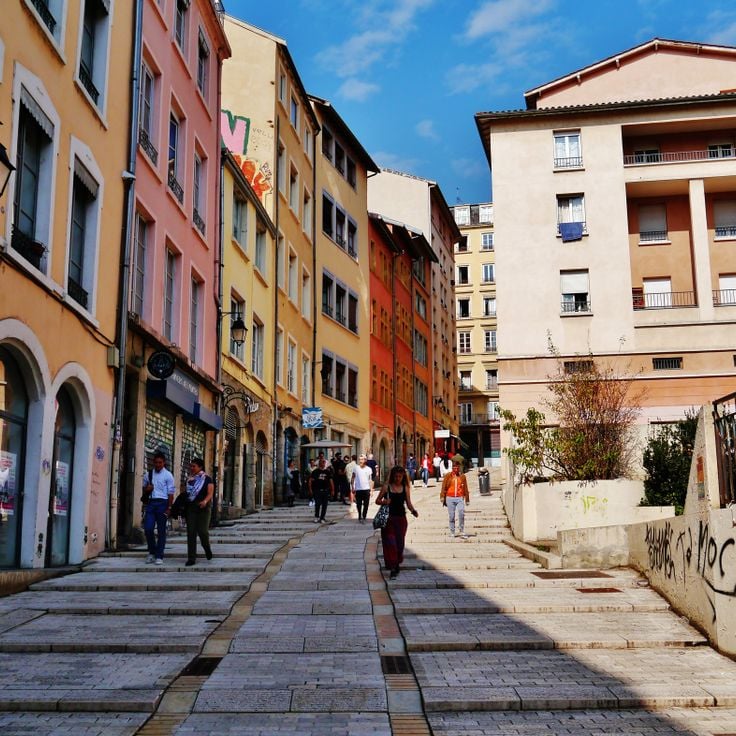
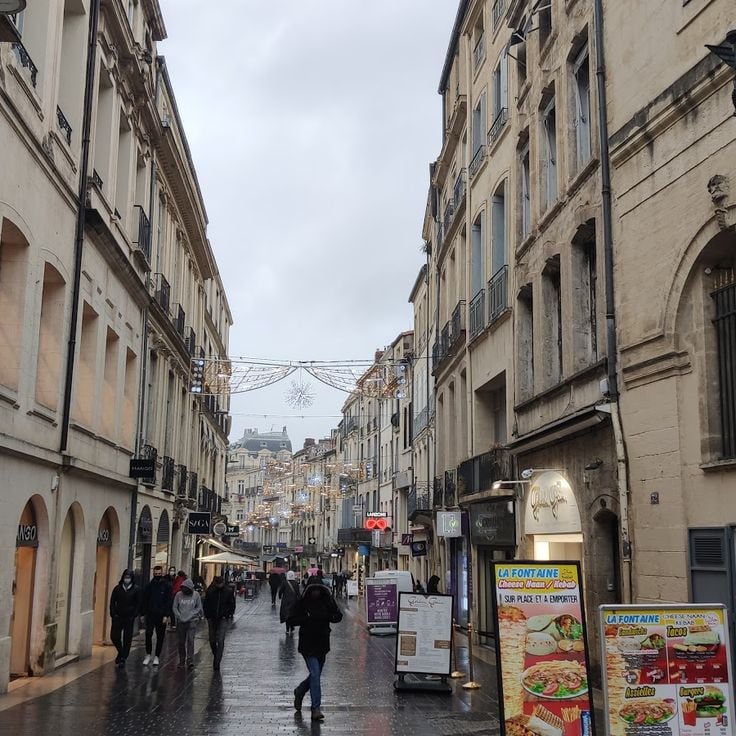
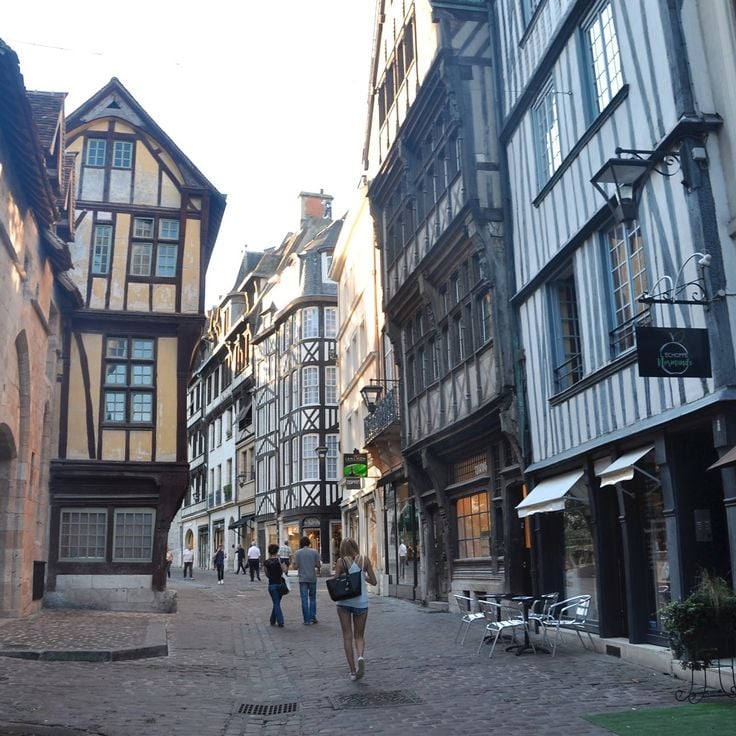
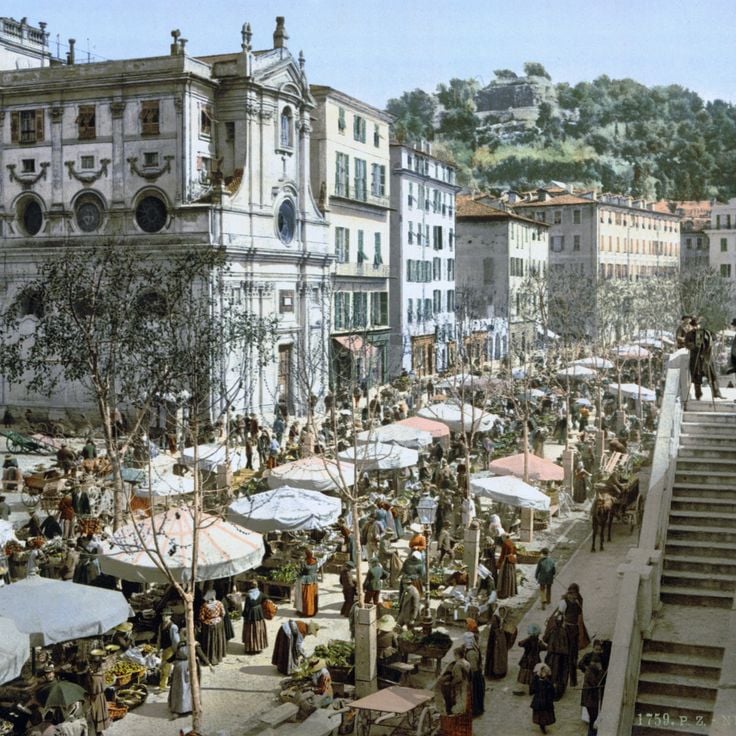
Medieval passages in France connect markets, cafes, and houses, showing how people lived for hundreds of years.
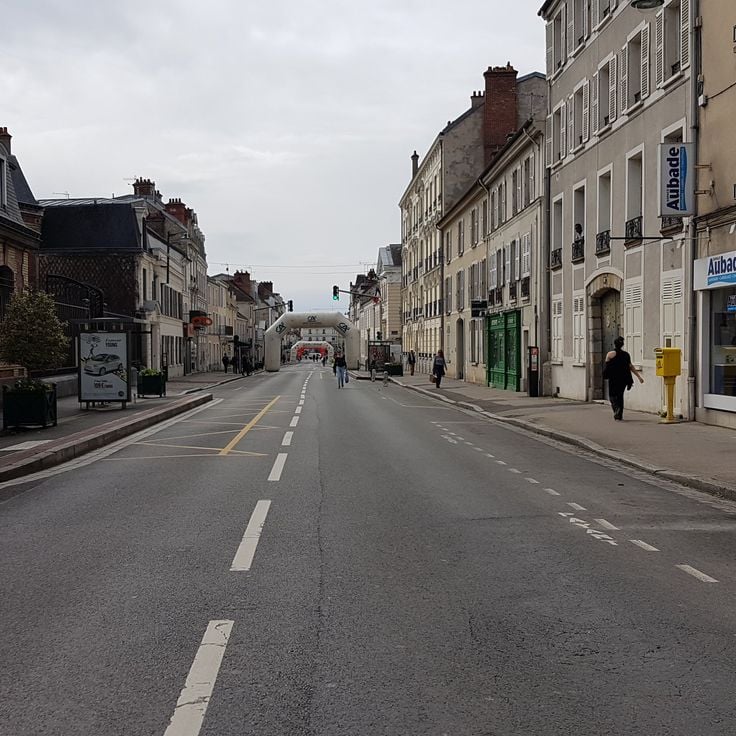
The streets of France tell stories that go back many centuries. Walking through the cobblestone alleys of Paris, you see old facades and small hidden cafes. In Strasbourg, the canals wind between colorful houses with typical timber-framed walls. Nice has palm-lined walkways where locals and visitors pass by each day.
Every street has its own feel. You find markets full of color and smells, small shops run by families for generations, and quiet squares to sit for a moment. From the Champs-Élysées in Paris to Rue Mouffetard with its street vendors, the Avenue de Champagne in Épernay or Cours Mirabeau in Aix-en-Provence, each place gives a look into French life. These paths show how people have lived, worked, and gathered over time.
Medieval passages in France connect markets, cafes, and houses, showing how people lived for hundreds of years.
The streets of France tell stories that go back many centuries. Walking through the cobblestone alleys of Paris, you see old facades and small hidden cafes. In Strasbourg, the canals wind between colorful houses with typical timber-framed walls. Nice has palm-lined walkways where locals and visitors pass by each day.
Every street has its own feel. You find markets full of color and smells, small shops run by families for generations, and quiet squares to sit for a moment. From the Champs-Élysées in Paris to Rue Mouffetard with its street vendors, the Avenue de Champagne in Épernay or Cours Mirabeau in Aix-en-Provence, each place gives a look into French life. These paths show how people have lived, worked, and gathered over time.
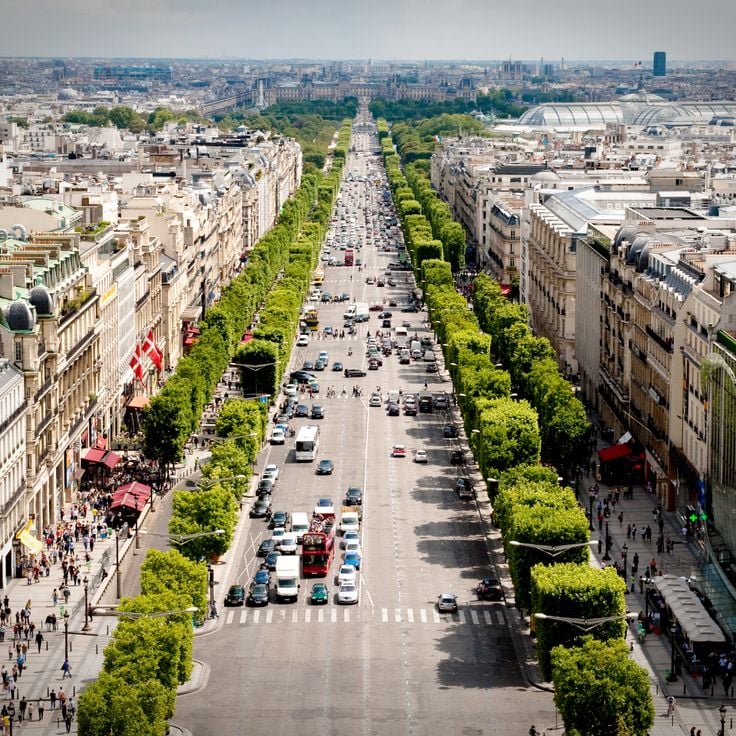
The Champs-Élysées is a wide avenue in Paris that runs from Place de la Concorde to the Arc de Triomphe. Along this boulevard, you find theaters, restaurants, and international shops. Parisians and visitors meet here every day to walk, shop, or take a break. The avenue shows how city life works in Paris, with a constant flow of people moving through at any hour of the day or night.
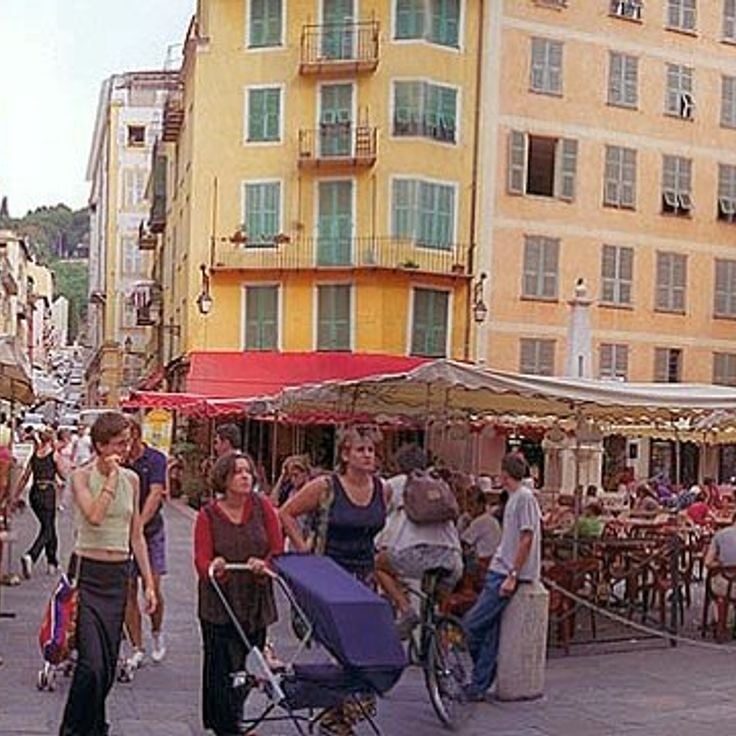
Place Rossetti sits at the heart of Nice's old quarter, where the Cathédrale Sainte-Réparate with its green dome rises above narrow streets lined with tall buildings in warm colors. The architecture shows Italian influences that shaped this city on the Mediterranean for centuries. Around the square, restaurants and ice cream shops fill the edges, where locals and visitors sit at small tables watching the day go by. The worn paving stones speak of the many people who have walked here over time. Early in the day it is quieter, but as the afternoon arrives, the square fills with voices and the sounds of daily life.
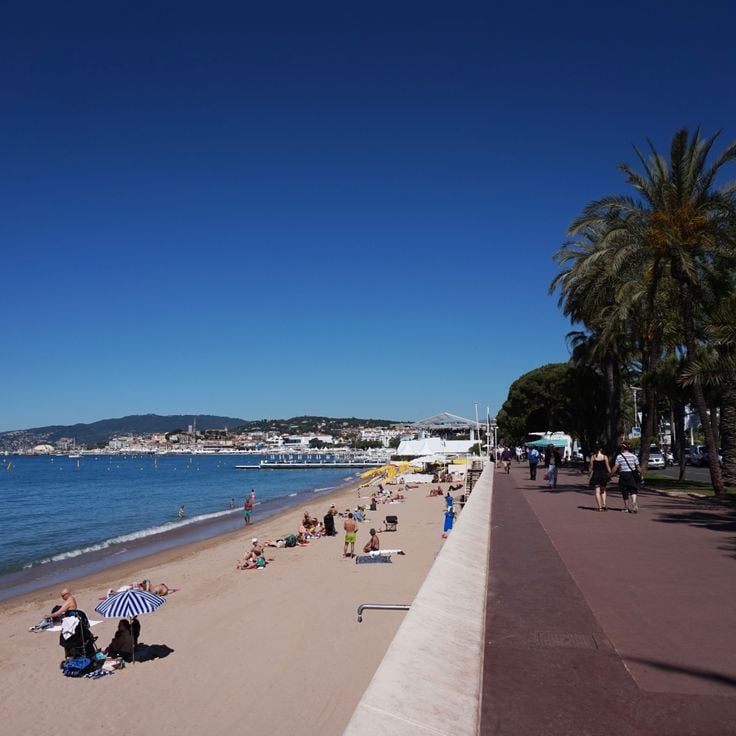
La Croisette is the seafront promenade of Cannes, running along the Mediterranean shore. Walking along it, you pass grand hotels, fashion boutiques, and well-kept gardens. The Palais des Festivals stands at one end, the place where the city hosts its famous annual film festival. Locals and visitors use this promenade daily, sitting on benches facing the sea, stopping at a café terrace, or simply walking at the edge of the water. La Croisette gives a strong sense of how the French Riviera looks and feels in everyday life.
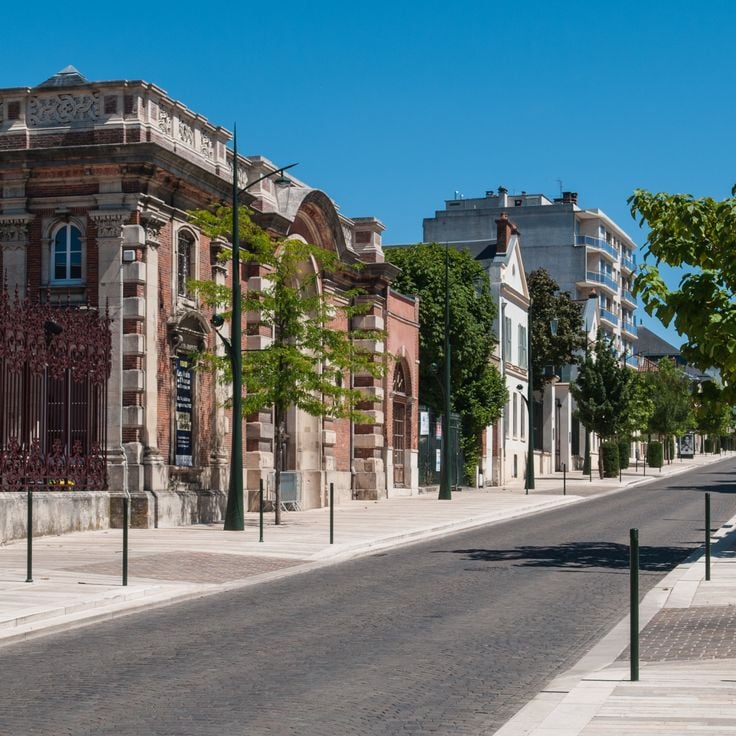
The Avenue de Champagne in Épernay is lined with historic champagne houses that have shaped the town for generations. Below the facades, cellars run deep underground, where champagne ages in carefully controlled conditions. Walking down this street, you see the names of famous champagne producers on the buildings. This avenue sits at the heart of a region built around one of the world's most celebrated wines, where tradition and craftsmanship remain central to daily life.
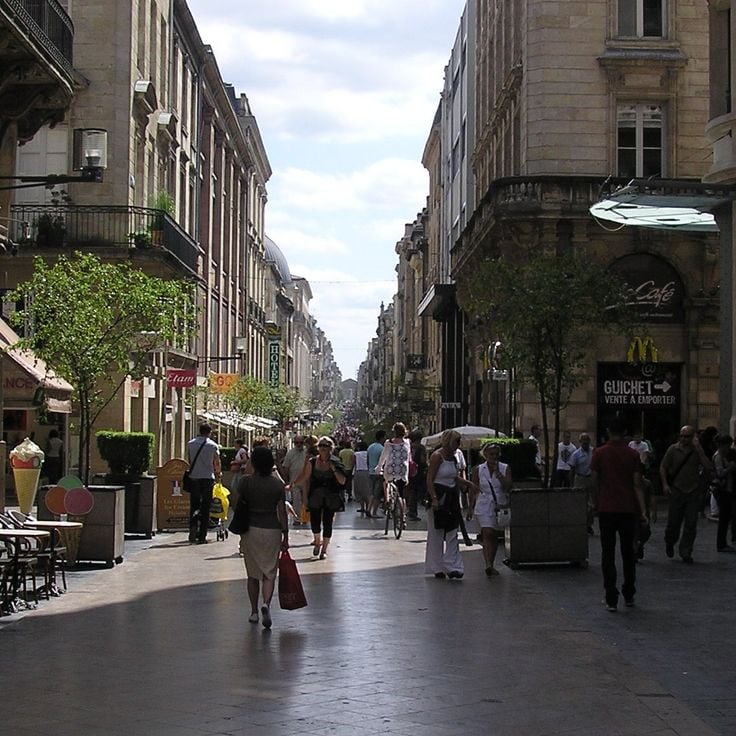
Rue Sainte-Catherine is a pedestrian street in the heart of Bordeaux, connecting two large squares. Shops, restaurants, and cafes line both sides. The buildings reflect different periods, showing how the city grew and changed over time. Locals and visitors walk this street every day to shop, eat, or simply meet. This street is one of the places where daily life in Bordeaux plays out most naturally, and its long history as a gathering place is still felt with every step.
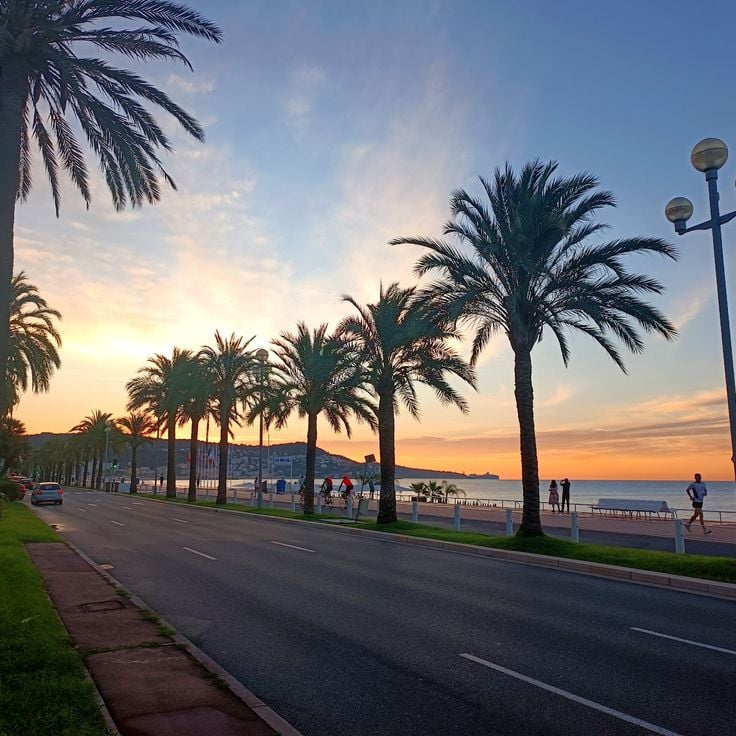
The Promenade des Anglais in Nice runs along the edge of the Mediterranean Sea and is one of the most recognizable waterfronts in France. Built in the 19th century at the request of English visitors who wintered in the city, it has since become part of daily life for locals and travelers alike. Palms line the wide path, and on any given day you can see joggers, families on benches, and people watching the sea from a cafe terrace. Hotels and restaurants follow the road from one end of the bay to the other. Walking here gives a clear sense of how the city lives with the sea beside it.
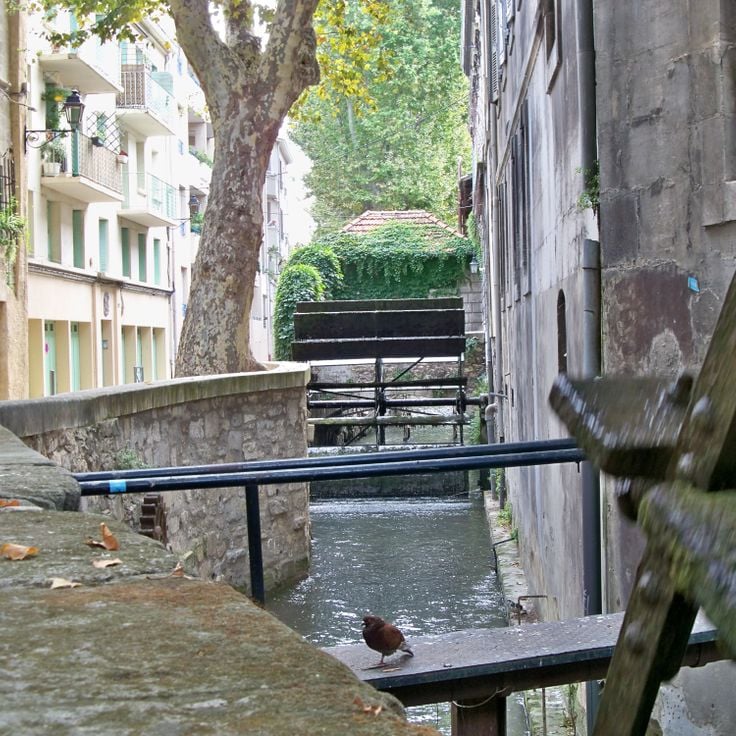
The Rue des Teinturiers in Avignon runs alongside the Vaucluse Canal, where four old water wheels once powered textile production. You can still see these wheels turning as water flows past them. This street shows how people worked here centuries ago and how craft and trade shaped the city. Walking along the canal, you notice small cafes and shops where locals stop by. The sound of water and the old buildings make this street a place where the past feels present in daily life.
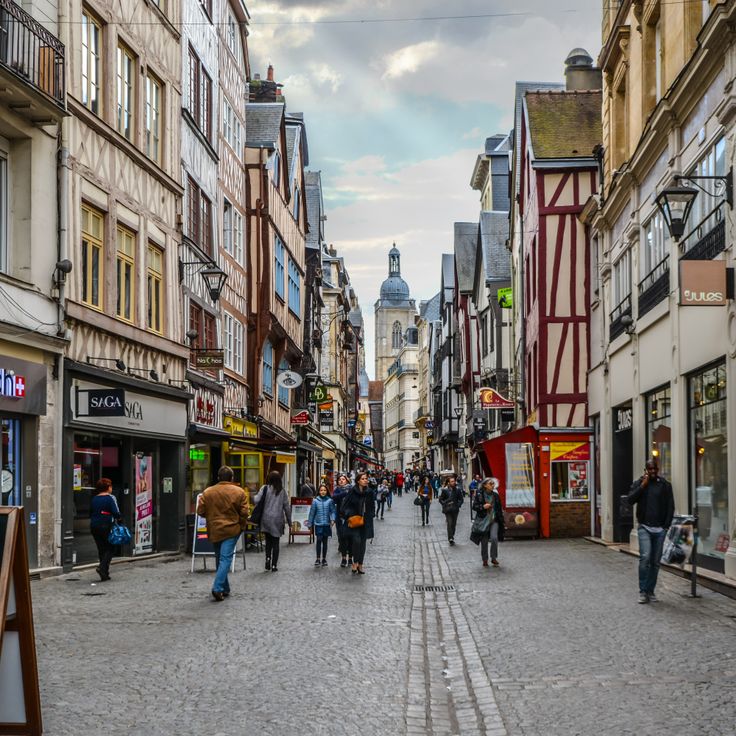
The Rue du Gros-Horloge is a medieval street in the heart of Rouen that leads to an astronomical clock from the 14th century. Old facades line the path, and small shops invite you to slow down and look around. The clock itself shows not only the time but also the movements of the sky. This street connects different parts of the old town and gives a sense of how people here have lived, worked, and gathered over many generations.
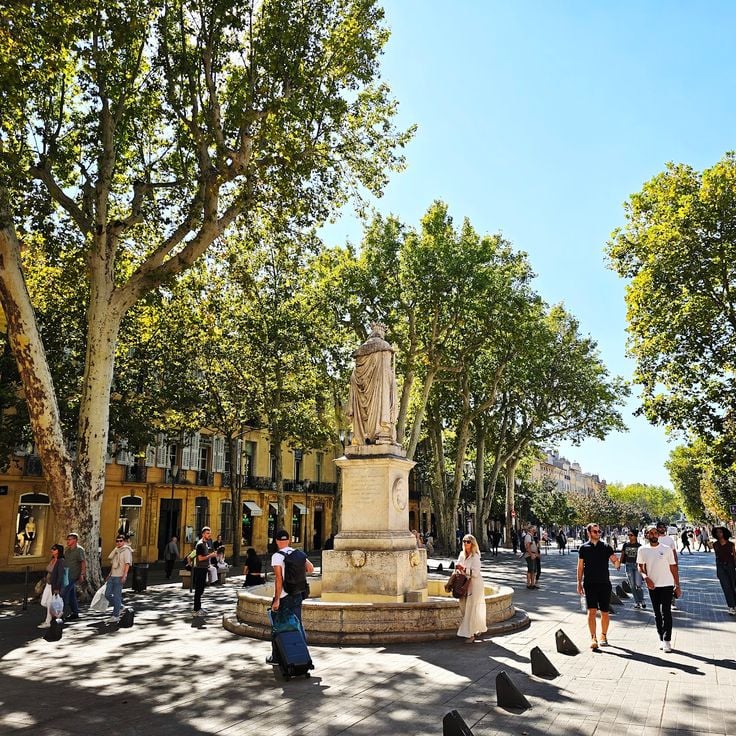
Cours Mirabeau is a broad street that runs through the heart of Aix-en-Provence. Plane trees line both sides, casting shade on the sidewalks below. Cafes along the street fill with people drinking coffee and watching others pass by. Four fountains stand at different points along its length. This is a place where locals and visitors stroll, shop, and take in their surroundings, showing how French street life has looked and felt for centuries.
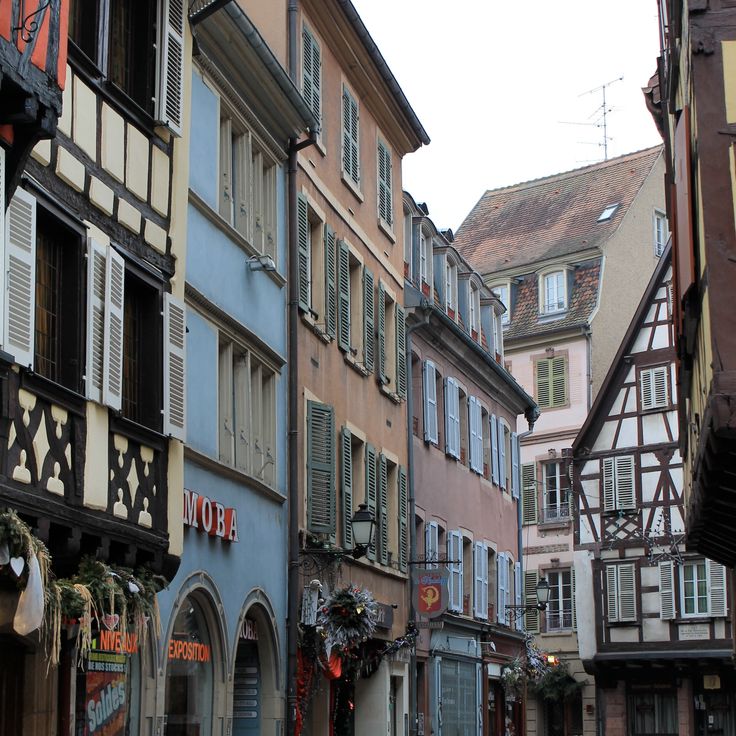
The Grand Rue is one of Colmar's oldest streets, with buildings dating from the 13th to the 17th century. Decorated bay windows and painted facades line both sides of the road. The ground is paved with old stone, and small shops and cafes sit close together along the way. Locals and visitors walk side by side here every day. This street runs through the heart of Colmar's old town and gives a sense of how people have lived and worked in this place for centuries.
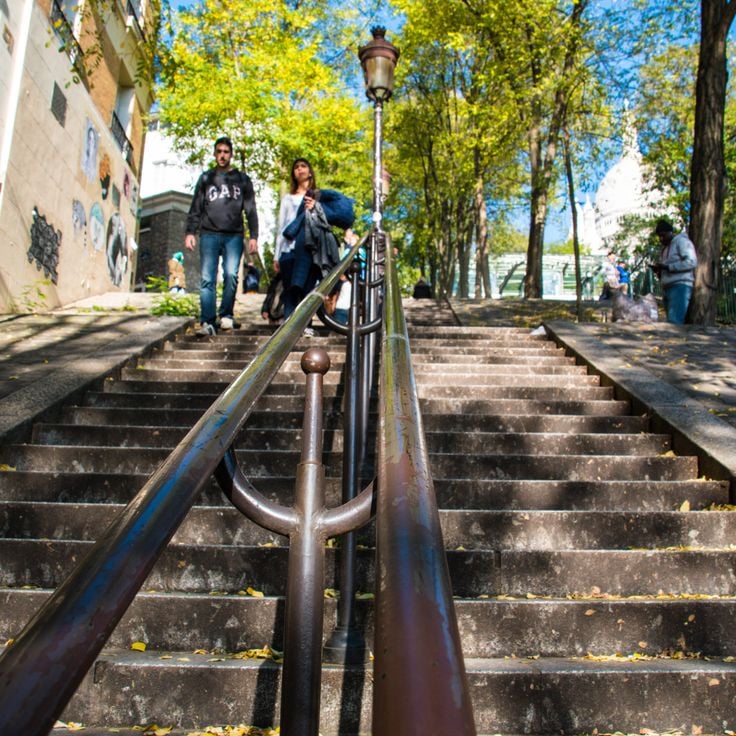
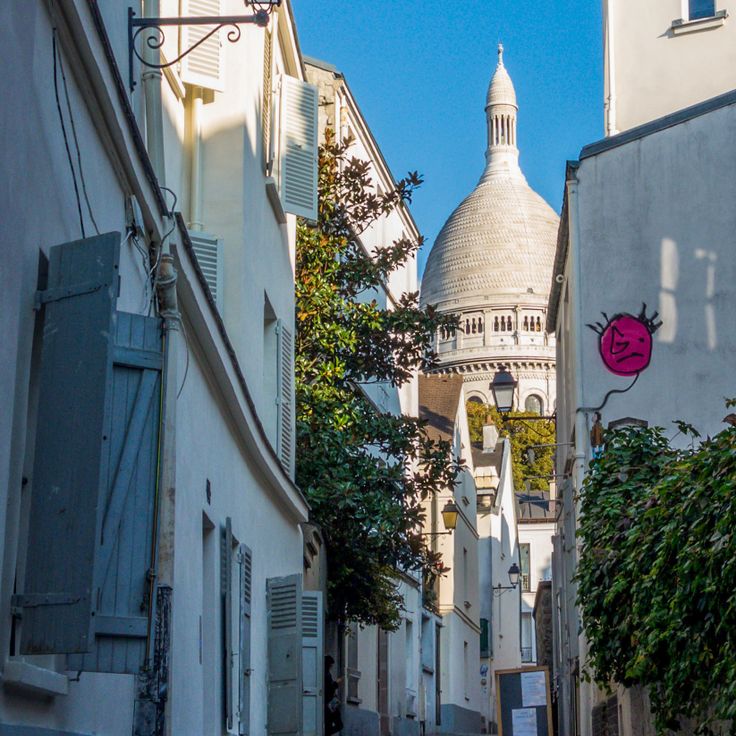
Rue Foyatier is a staircase with 220 steps that climbs from the lower streets of Montmartre to the Basilica of the Sacré-Cœur. As you go up, Paris opens gradually around you, and at the top, the city stretches out in every direction. This staircase is part of how people move through this historic part of the city, and it shows how the slope of the hill has shaped the streets and buildings around it.
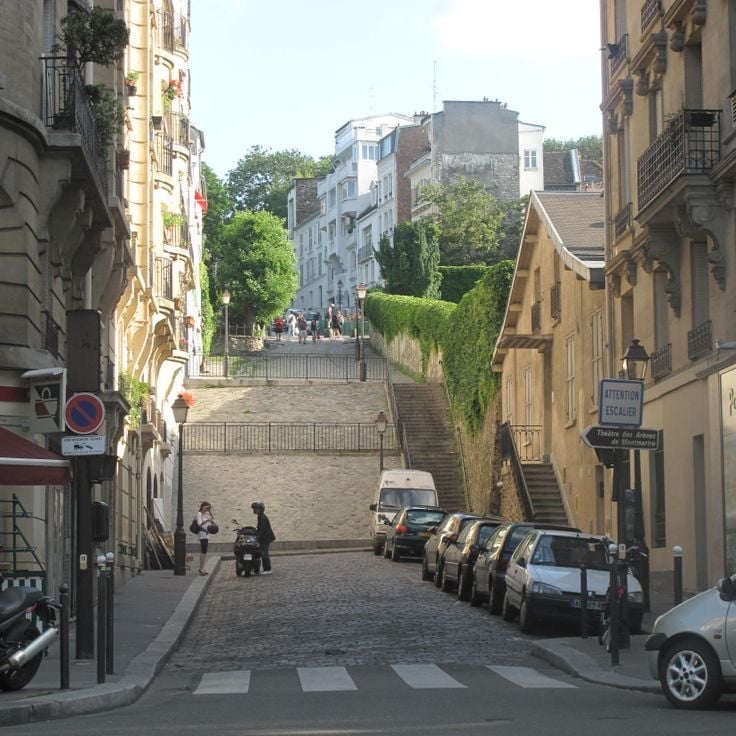
Rue Saint-Rustique is one of the oldest paved streets in Montmartre, Paris. It leads directly to the Sacré-Cœur Basilica and is lined with old facades and side staircases. Walking here gives a real sense of what Paris looked like centuries ago. Locals and visitors cross paths on this short, steep street, where the rhythm of daily life in the neighborhood meets a long history.
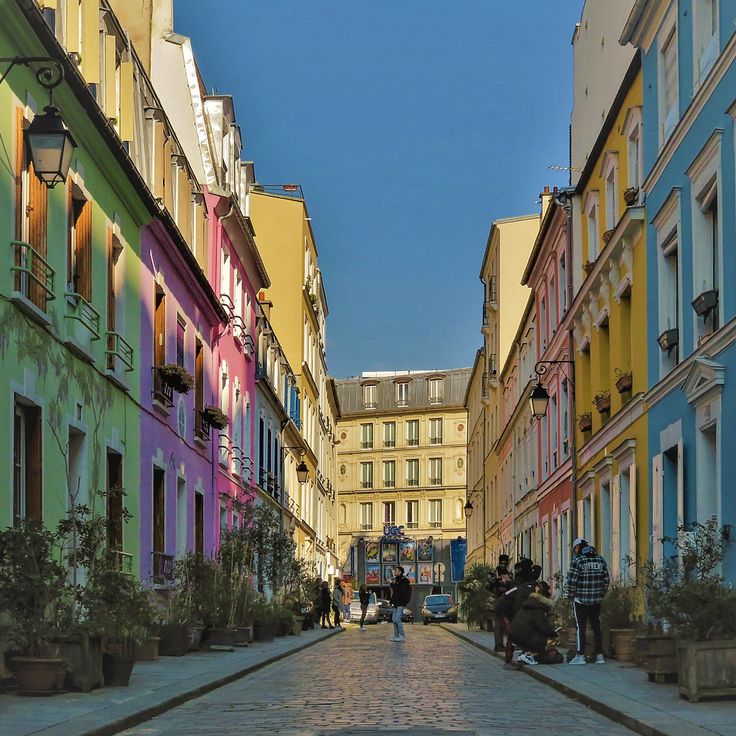
Rue Crémieux is a short street built in the 19th century, and it stands apart from the grand boulevards nearby. The house fronts are painted in shades of pink, blue, and yellow, each one reflecting the personal taste of the people who live there. Walking through Rue Crémieux, you get a sense of how Parisians have shaped their daily lives in a quieter corner of the city, decorating their homes over the years in ways that make this street feel personal and lived-in.
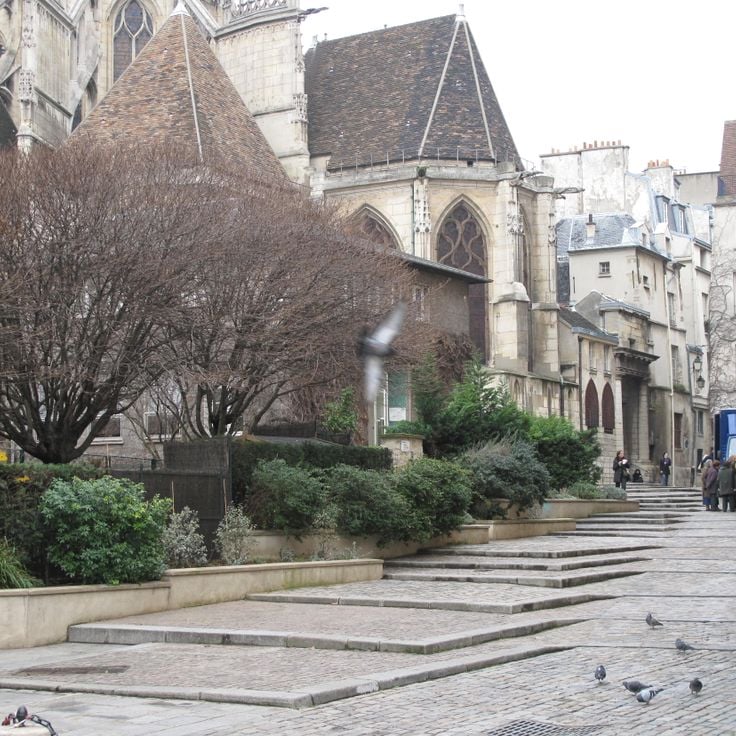
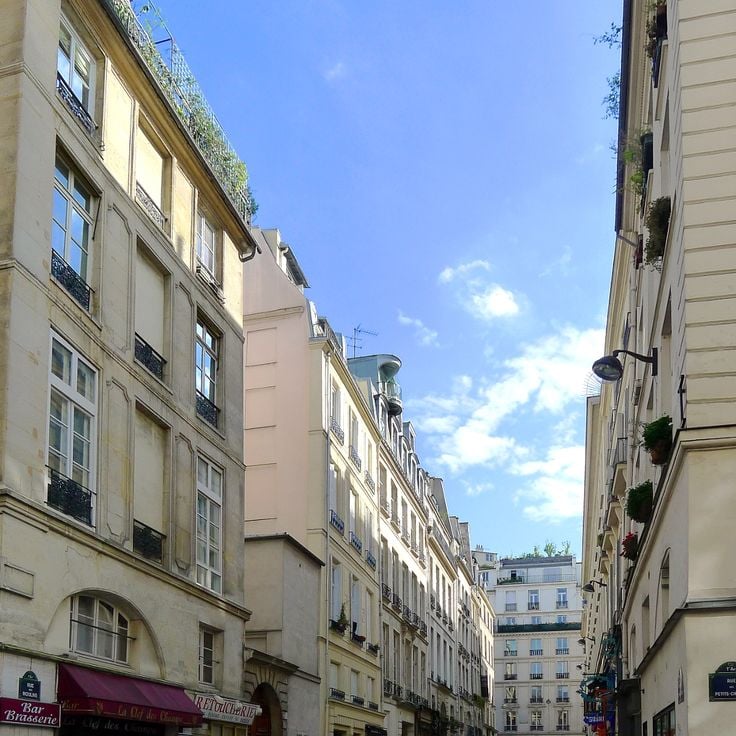
Rue des Barres is a narrow medieval street in Paris, just a short walk from the Seine. It runs between Rue François Miron and Rue du Pont Louis-Philippe, passing through one of the oldest parts of the city. The cobblestones, the old building fronts, and the slow pace of the lane give it a feel that is very different from the busier streets nearby. Walking here, you notice details that point to centuries of daily life in this corner of Paris.
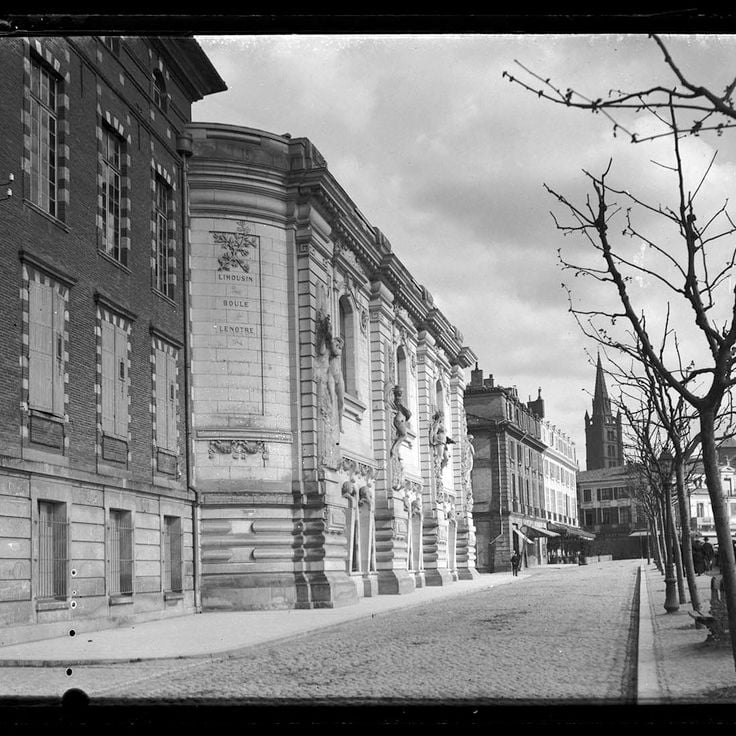
The Quai de la Daurade in Toulouse runs along the Garonne River and shows how closely the city's daily life has always been tied to the water. Pink-tiled rooftops line the bank, and benches fill with people throughout the day as they watch the river go by. The Pont Neuf, the oldest bridge in the city, connects both banks and draws a steady flow of pedestrians and cyclists. Small shops and artisans give this riverside path its character, and from here the old city opens up before you.
The Montée de la Grande Côte is a long stone stairway that links the Croix-Rousse neighborhood to old Lyon. As you walk down, you pass tightly packed buildings and old houses that speak to the history of this part of the city. Locals use it every day, and the steps carry the feeling of a place where people have moved, worked, and gathered for centuries.
Grand'Rue Jean Moulin is a medieval street running through the center of Montpellier, where history and everyday life come together. Buildings from the 17th and 18th centuries line the way with their characteristic facades. For centuries, this street has been the backbone of commerce and gathering in the city. Today, residents and visitors walk along the paved path past small shops, cafes, and occasional market stalls. Walking here, you feel the city's past unfolding across the centuries.
Rue Saint-Romain in Rouen is one of the oldest streets in the city, dating back to the 13th century. It runs alongside the cathedral and is lined with half-timbered houses that have stood for hundreds of years. Walking here gives a sense of how people once lived and moved through this part of the city. The street shows how Rouen has kept its older character while continuing to be part of daily life.
Cours Saleya sits at the heart of old Nice and brings together the daily rhythms of the city in one open street. Every morning, vendors set up their stalls with fresh flowers, regional fruits and vegetables, and antiques. The same families have been selling here for generations. Locals come early to shop, while visitors walk between the colorful flower stalls, taking in the smells of fresh produce and the energy of a place that has long been central to life in Nice.
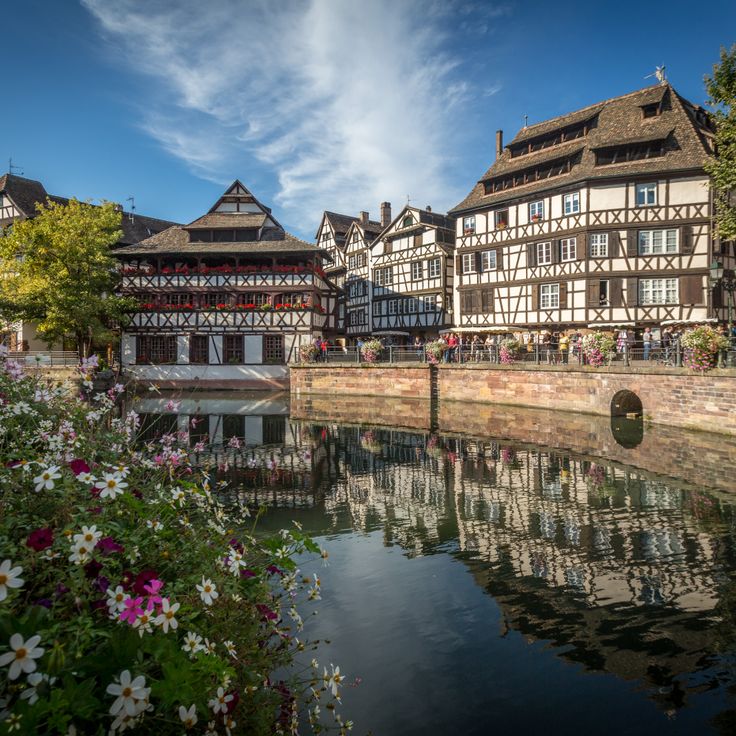
The historic district of Strasbourg is one of the most recognizable parts of the city. Medieval half-timbered houses line the canals, their colorful facades reflected in the water below. Old bridges connect narrow streets, and former tanneries from the 16th century recall the crafts of earlier times. Walking through this area, you get a sense of how daily life has shaped these stones and waterways over many generations.
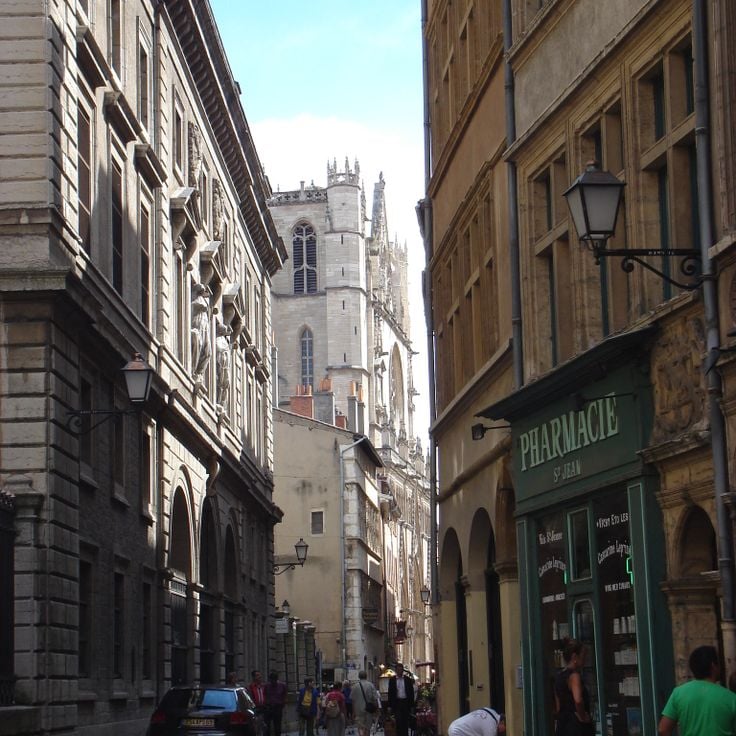
This historic street in Lyon is lined with buildings from the 15th and 16th centuries, with covered courtyards and hidden staircases. The narrow passages between old stone walls give a strong sense of the city's past. Behind ordinary doorways, passages open onto quiet courtyards where daily life once played out. Merchants and craftspeople lived and worked here for centuries, and the traces of their presence are still easy to see.
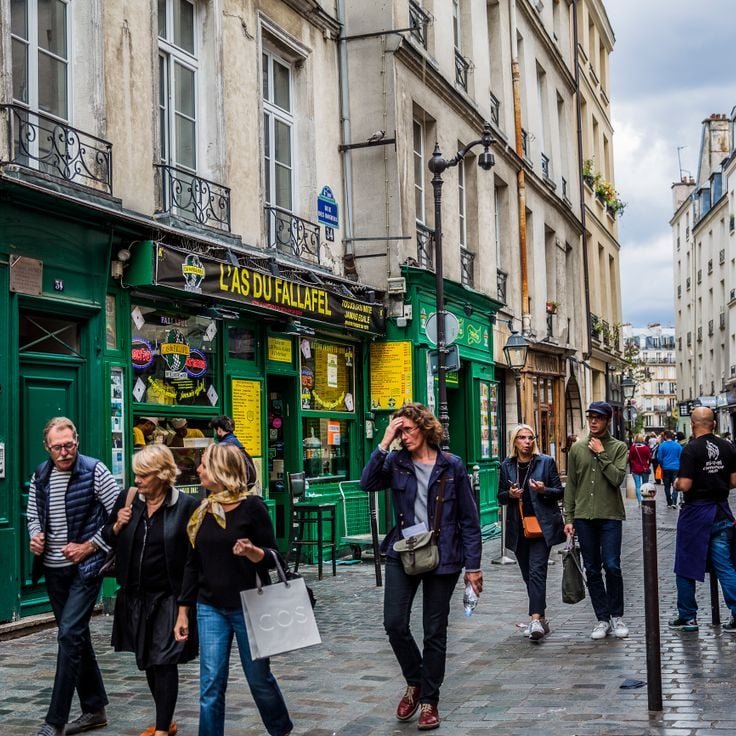
The Rue des Rosiers in the Marais district of Paris is a narrow street lined with medieval buildings, Jewish bakeries, restaurants, and shops selling traditional foods and goods. Merchants and craftspeople have run their businesses here for generations. Walking along this street gives a sense of how daily life has looked in one of the oldest parts of the city for centuries.
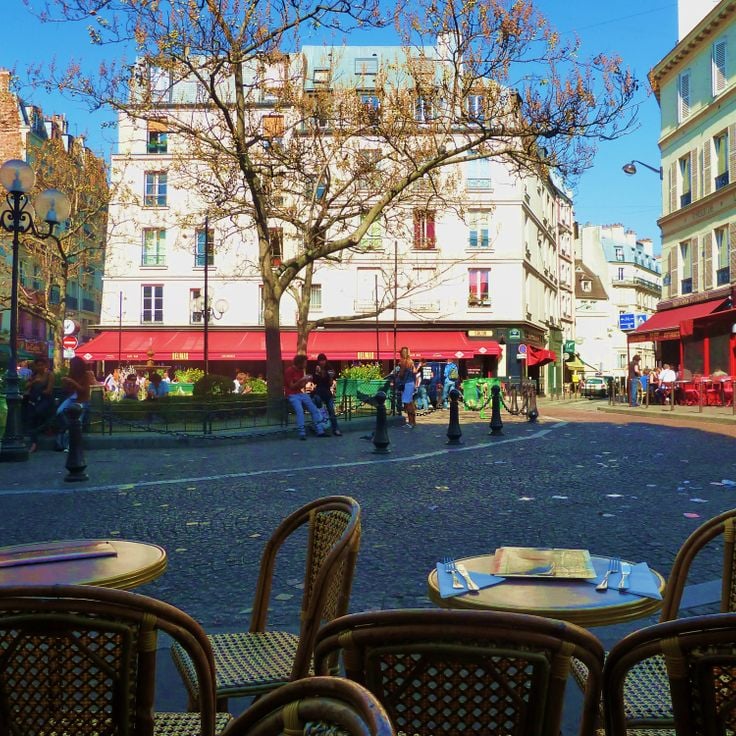
This historic square in Paris shows how the city has lived for centuries. Around the square stand 18th-century buildings with classical facades. Cafes and restaurants invite you to linger, where locals and visitors gather together. The square is a place where you can watch French life unfold, as people here work, eat, and spend time with one another.
The Rue du Mont Cenis is one of Montmartre's stepped streets, climbing sharply and opening up new views over Paris at every turn. The steps run between old buildings, small shops, and corners where you can stop for a moment. This street shows how people have moved through this part of the city for generations, making it a natural part of this collection of historic French streets that traces everyday life across the centuries.
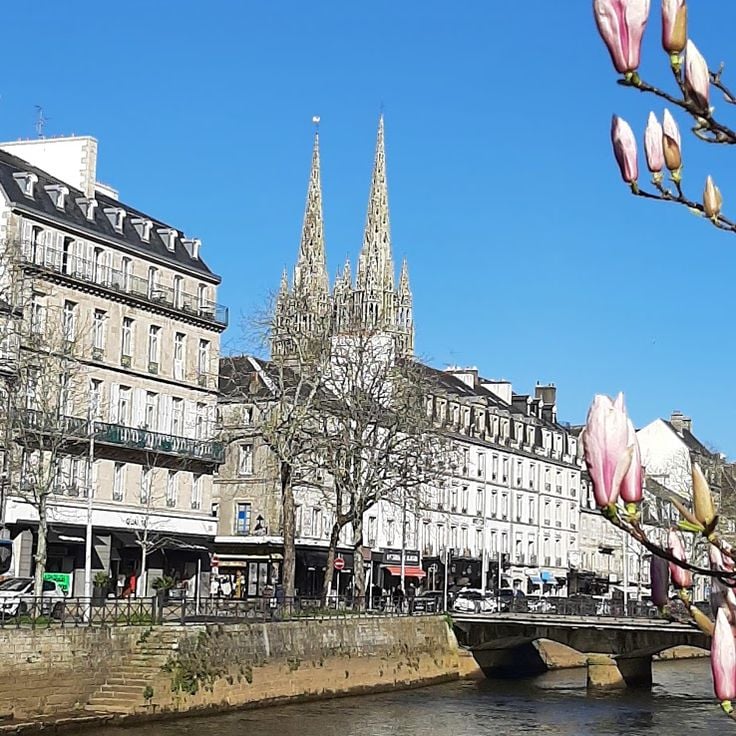
The Quai de l'Odet in Quimper runs along the river, where shops, cafés, and buildings from the 16th century stand side by side. This path shows how life in this town has grown over many generations. The old facades speak of earlier times, while local cafés and small shops keep the place active today. People walk here, shop, and meet, just as they have done for centuries. The river itself is part of everyday life in the city.
Rue des Moulins in Chamonix runs through one of the oldest parts of town. The street connects the town center to the area where water mills once shaped daily life for the community. Along the way, traditional buildings line the path, and the former market square is a place where people once gathered to trade. Today, locals and visitors still meet here, and the architecture gives a sense of what Chamonix looked like long before it became a mountain destination.
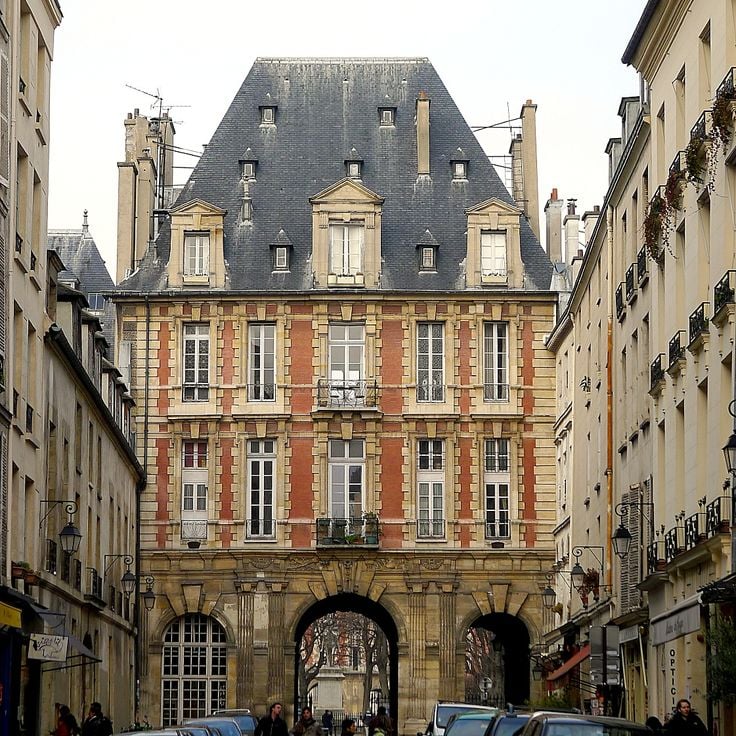
Rue de Birague connects Place des Vosges to Rue Saint-Antoine through the Marais neighborhood. On this short street, old facades, small shops, and cafes give a sense of daily life as it has been lived here for centuries. The paving stones underfoot, the storefronts, and the people passing through show how this part of Paris has kept its character over time. The Marais is known for its medieval architecture and local markets, where merchants have sold their goods for generations.
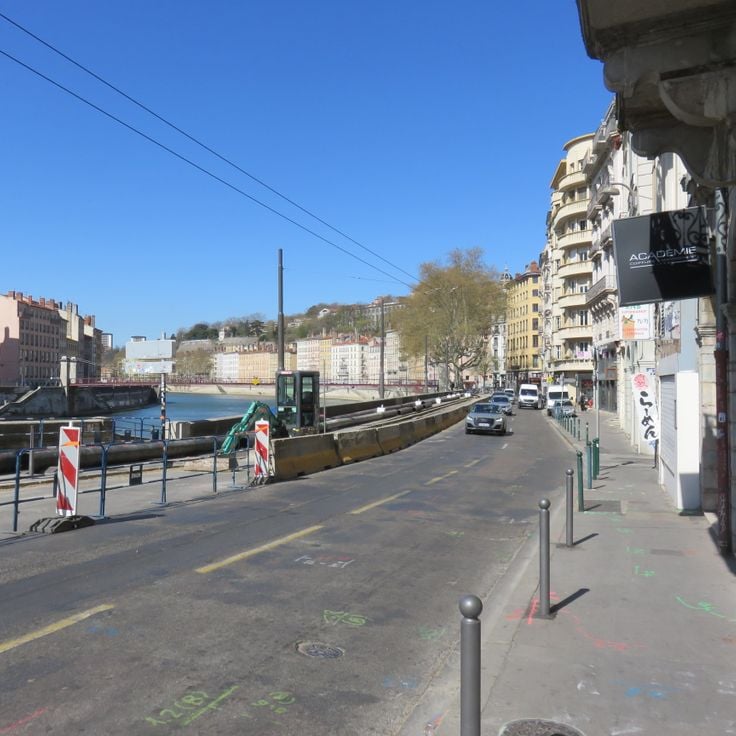
The Quai Saint-Vincent runs along the Saône River and is one of the most telling spots in Lyon. From this riverside path, you can see Notre-Dame de Fourvière standing on the hill above the city. People come here to walk, stop at small vendors, or sit at a café for a while. This path shows how deeply the river has shaped life in Lyon over the centuries.
Rue des Saules runs along the hill of Montmartre in Paris and feels like a street that time has treated gently. One of the oldest vineyards in the city grows here, tended season after season for centuries. The old buildings on each side give a sense of what this part of Paris looked like before it became part of the wider city. Walking along this street, you get a real feel for how Montmartre once lived as a village on the edges of Paris.
Rue des Trois Frères runs through the heart of Montmartre, linking Place des Abbesses to Rue Tardieu. Along this narrow street, small shops, restaurants, and antique dealers sit side by side. Old building facades line the way while daily life goes on around them. Walking here gives a real sense of how people in Paris live, work, and gather in their own neighborhood.
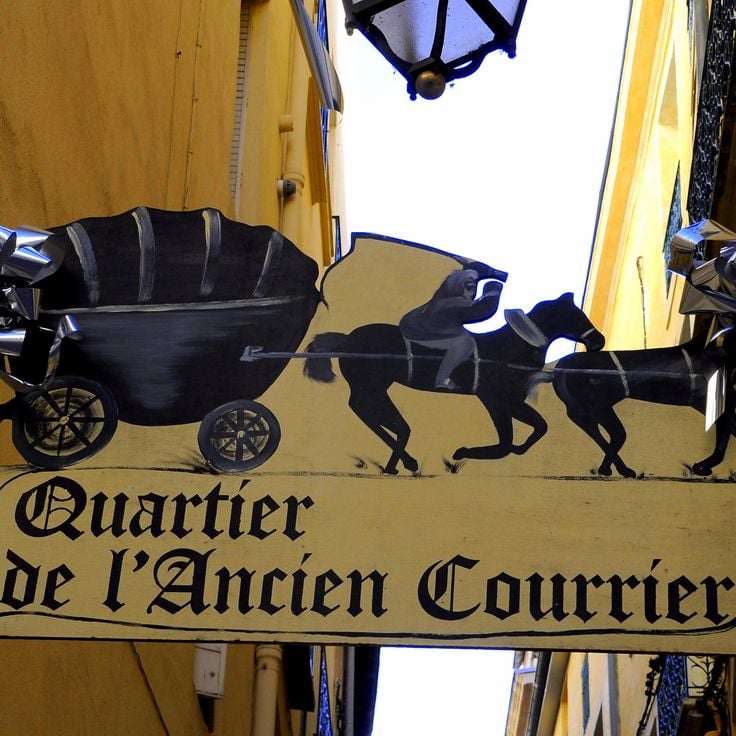
The Rue de l'Ancien Courrier is a paved street in the medieval quarter of Narbonne, lined with buildings from the 16th and 17th centuries. Walking along it, you get a sense of how this southern French city looked and felt in earlier times. Traders, craftsmen, and residents once moved through these same stones. Today, locals still pass through, and the old facades give the street a character that connects daily life with a long past.
Rue Grande is the main street of Saint-Aignan, a small town on the banks of the Cher river. Stone facades from the medieval period line both sides, and small local shops fill the ground floors. People come here to run errands, meet neighbors, and walk toward the river. This street ties together the older part of town with everyday life as it still happens today.
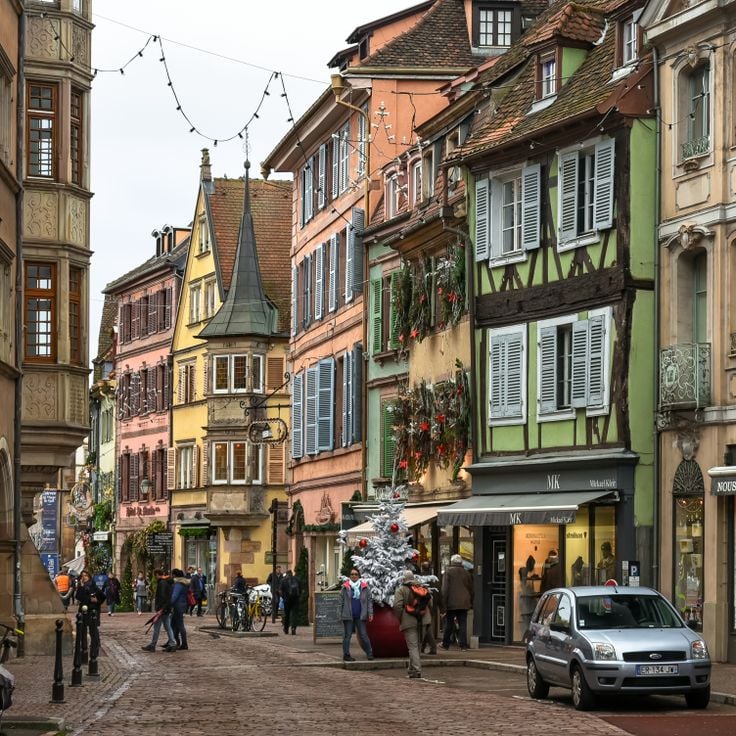
Rue Mercière is one of the most recognizable streets in Colmar. On both sides stand old timber-framed houses with wooden beams and stone facades, typical of this part of Alsace. Small shops and restaurants line the way. Walking through it gives a real sense of how daily life and history sit side by side in this city.
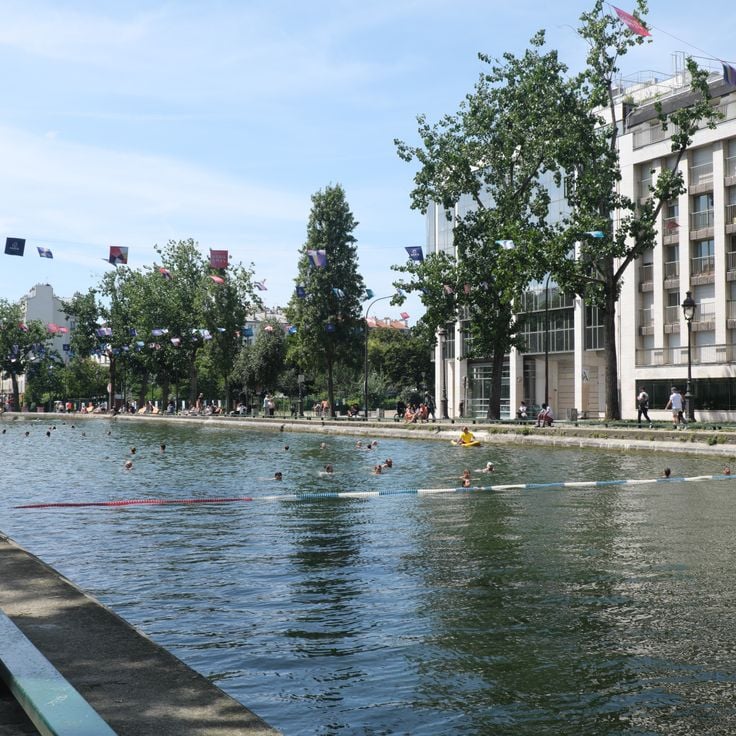
The Quai de Jemmapes runs along the Canal Saint-Martin in the northeast of Paris. Cafés, small shops, and studios line both sides of the water. Old locks and iron footbridges give the street its own look. Trees shade the path, and people come here to walk, cycle, or sit by the water. This street shows how everyday Parisian life unfolds away from the city's main avenues.
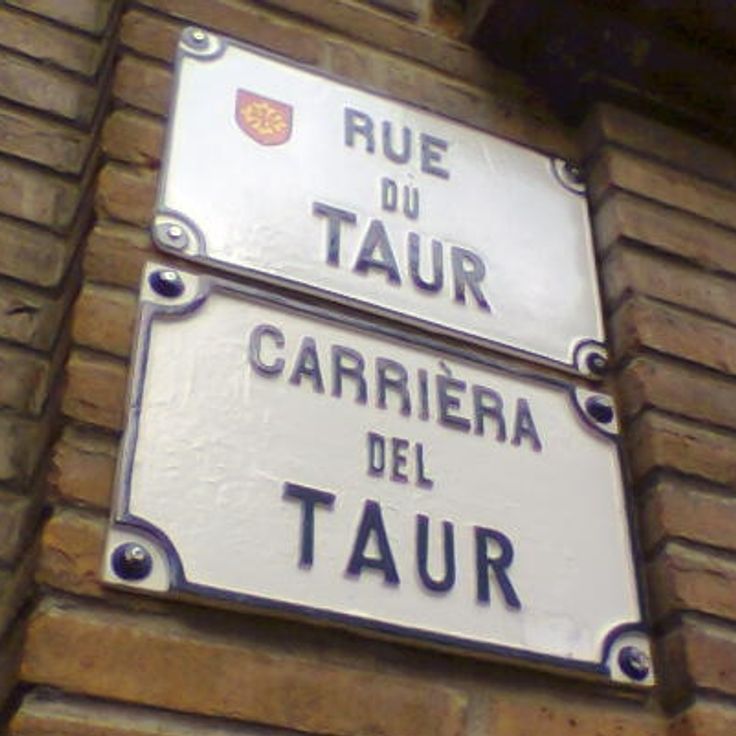
Rue du Taur is one of the oldest streets in Toulouse, leading directly toward the city's cathedral. Its name recalls old bullfighting traditions that were once part of city life. As you walk along the Rue du Taur, you pass facades from different periods and find small shops and cafes that reflect the daily life of the people who live here. The street ties the heart of the city to its religious center and shows how life in Toulouse has grown over the centuries.
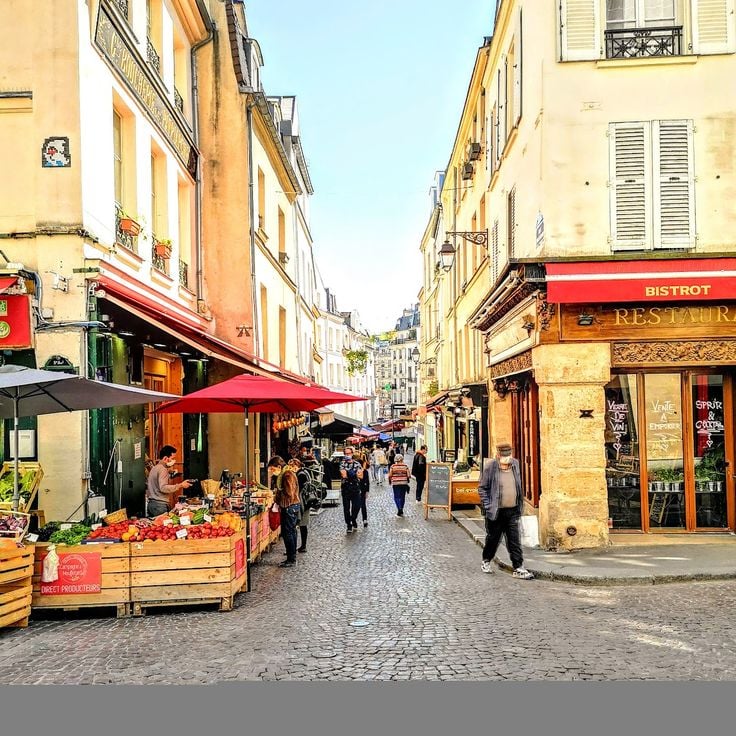
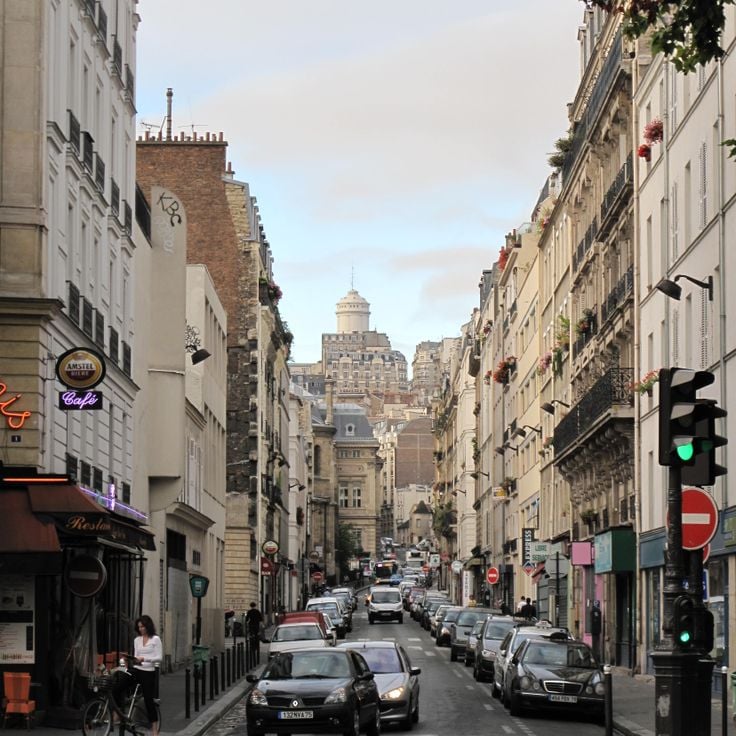
Rue Mouffetard is an old street in the 5th arrondissement of Paris, where traders and residents have kept up their daily routines for centuries. Cheese vendors, fishmongers, wine sellers, and produce merchants line the street, offering their goods much as their families have done for generations. Neighbors stop at the fruit stand, cooks shop for fresh ingredients, and visitors wander between the stalls. Old buildings frame the scene on both sides, and the air carries the smell of fresh produce and local specialties. Rue Mouffetard is not a museum, but a place where everyday life plays out in the open.
The Champs-Élysées is a wide avenue in Paris that runs from Place de la Concorde to the Arc de Triomphe. Along this boulevard, you find theaters, restaurants, and international shops. Parisians and visitors meet here every day to walk, shop, or take a break. The avenue shows how city life works in Paris, with a constant flow of people moving through at any hour of the day or night.
Place Rossetti sits at the heart of Nice's old quarter, where the Cathédrale Sainte-Réparate with its green dome rises above narrow streets lined with tall buildings in warm colors. The architecture shows Italian influences that shaped this city on the Mediterranean for centuries. Around the square, restaurants and ice cream shops fill the edges, where locals and visitors sit at small tables watching the day go by. The worn paving stones speak of the many people who have walked here over time. Early in the day it is quieter, but as the afternoon arrives, the square fills with voices and the sounds of daily life.
La Croisette is the seafront promenade of Cannes, running along the Mediterranean shore. Walking along it, you pass grand hotels, fashion boutiques, and well-kept gardens. The Palais des Festivals stands at one end, the place where the city hosts its famous annual film festival. Locals and visitors use this promenade daily, sitting on benches facing the sea, stopping at a café terrace, or simply walking at the edge of the water. La Croisette gives a strong sense of how the French Riviera looks and feels in everyday life.
The Avenue de Champagne in Épernay is lined with historic champagne houses that have shaped the town for generations. Below the facades, cellars run deep underground, where champagne ages in carefully controlled conditions. Walking down this street, you see the names of famous champagne producers on the buildings. This avenue sits at the heart of a region built around one of the world's most celebrated wines, where tradition and craftsmanship remain central to daily life.
Rue Sainte-Catherine is a pedestrian street in the heart of Bordeaux, connecting two large squares. Shops, restaurants, and cafes line both sides. The buildings reflect different periods, showing how the city grew and changed over time. Locals and visitors walk this street every day to shop, eat, or simply meet. This street is one of the places where daily life in Bordeaux plays out most naturally, and its long history as a gathering place is still felt with every step.
The Promenade des Anglais in Nice runs along the edge of the Mediterranean Sea and is one of the most recognizable waterfronts in France. Built in the 19th century at the request of English visitors who wintered in the city, it has since become part of daily life for locals and travelers alike. Palms line the wide path, and on any given day you can see joggers, families on benches, and people watching the sea from a cafe terrace. Hotels and restaurants follow the road from one end of the bay to the other. Walking here gives a clear sense of how the city lives with the sea beside it.
The Rue des Teinturiers in Avignon runs alongside the Vaucluse Canal, where four old water wheels once powered textile production. You can still see these wheels turning as water flows past them. This street shows how people worked here centuries ago and how craft and trade shaped the city. Walking along the canal, you notice small cafes and shops where locals stop by. The sound of water and the old buildings make this street a place where the past feels present in daily life.
The Rue du Gros-Horloge is a medieval street in the heart of Rouen that leads to an astronomical clock from the 14th century. Old facades line the path, and small shops invite you to slow down and look around. The clock itself shows not only the time but also the movements of the sky. This street connects different parts of the old town and gives a sense of how people here have lived, worked, and gathered over many generations.
Cours Mirabeau is a broad street that runs through the heart of Aix-en-Provence. Plane trees line both sides, casting shade on the sidewalks below. Cafes along the street fill with people drinking coffee and watching others pass by. Four fountains stand at different points along its length. This is a place where locals and visitors stroll, shop, and take in their surroundings, showing how French street life has looked and felt for centuries.
The Grand Rue is one of Colmar's oldest streets, with buildings dating from the 13th to the 17th century. Decorated bay windows and painted facades line both sides of the road. The ground is paved with old stone, and small shops and cafes sit close together along the way. Locals and visitors walk side by side here every day. This street runs through the heart of Colmar's old town and gives a sense of how people have lived and worked in this place for centuries.
Rue Foyatier is a staircase with 220 steps that climbs from the lower streets of Montmartre to the Basilica of the Sacré-Cœur. As you go up, Paris opens gradually around you, and at the top, the city stretches out in every direction. This staircase is part of how people move through this historic part of the city, and it shows how the slope of the hill has shaped the streets and buildings around it.
Rue Saint-Rustique is one of the oldest paved streets in Montmartre, Paris. It leads directly to the Sacré-Cœur Basilica and is lined with old facades and side staircases. Walking here gives a real sense of what Paris looked like centuries ago. Locals and visitors cross paths on this short, steep street, where the rhythm of daily life in the neighborhood meets a long history.
Rue Crémieux is a short street built in the 19th century, and it stands apart from the grand boulevards nearby. The house fronts are painted in shades of pink, blue, and yellow, each one reflecting the personal taste of the people who live there. Walking through Rue Crémieux, you get a sense of how Parisians have shaped their daily lives in a quieter corner of the city, decorating their homes over the years in ways that make this street feel personal and lived-in.
Rue des Barres is a narrow medieval street in Paris, just a short walk from the Seine. It runs between Rue François Miron and Rue du Pont Louis-Philippe, passing through one of the oldest parts of the city. The cobblestones, the old building fronts, and the slow pace of the lane give it a feel that is very different from the busier streets nearby. Walking here, you notice details that point to centuries of daily life in this corner of Paris.
The Quai de la Daurade in Toulouse runs along the Garonne River and shows how closely the city's daily life has always been tied to the water. Pink-tiled rooftops line the bank, and benches fill with people throughout the day as they watch the river go by. The Pont Neuf, the oldest bridge in the city, connects both banks and draws a steady flow of pedestrians and cyclists. Small shops and artisans give this riverside path its character, and from here the old city opens up before you.
The Montée de la Grande Côte is a long stone stairway that links the Croix-Rousse neighborhood to old Lyon. As you walk down, you pass tightly packed buildings and old houses that speak to the history of this part of the city. Locals use it every day, and the steps carry the feeling of a place where people have moved, worked, and gathered for centuries.
Grand'Rue Jean Moulin is a medieval street running through the center of Montpellier, where history and everyday life come together. Buildings from the 17th and 18th centuries line the way with their characteristic facades. For centuries, this street has been the backbone of commerce and gathering in the city. Today, residents and visitors walk along the paved path past small shops, cafes, and occasional market stalls. Walking here, you feel the city's past unfolding across the centuries.
Rue Saint-Romain in Rouen is one of the oldest streets in the city, dating back to the 13th century. It runs alongside the cathedral and is lined with half-timbered houses that have stood for hundreds of years. Walking here gives a sense of how people once lived and moved through this part of the city. The street shows how Rouen has kept its older character while continuing to be part of daily life.
Cours Saleya sits at the heart of old Nice and brings together the daily rhythms of the city in one open street. Every morning, vendors set up their stalls with fresh flowers, regional fruits and vegetables, and antiques. The same families have been selling here for generations. Locals come early to shop, while visitors walk between the colorful flower stalls, taking in the smells of fresh produce and the energy of a place that has long been central to life in Nice.
The historic district of Strasbourg is one of the most recognizable parts of the city. Medieval half-timbered houses line the canals, their colorful facades reflected in the water below. Old bridges connect narrow streets, and former tanneries from the 16th century recall the crafts of earlier times. Walking through this area, you get a sense of how daily life has shaped these stones and waterways over many generations.
This historic street in Lyon is lined with buildings from the 15th and 16th centuries, with covered courtyards and hidden staircases. The narrow passages between old stone walls give a strong sense of the city's past. Behind ordinary doorways, passages open onto quiet courtyards where daily life once played out. Merchants and craftspeople lived and worked here for centuries, and the traces of their presence are still easy to see.
The Rue des Rosiers in the Marais district of Paris is a narrow street lined with medieval buildings, Jewish bakeries, restaurants, and shops selling traditional foods and goods. Merchants and craftspeople have run their businesses here for generations. Walking along this street gives a sense of how daily life has looked in one of the oldest parts of the city for centuries.
This historic square in Paris shows how the city has lived for centuries. Around the square stand 18th-century buildings with classical facades. Cafes and restaurants invite you to linger, where locals and visitors gather together. The square is a place where you can watch French life unfold, as people here work, eat, and spend time with one another.
The Rue du Mont Cenis is one of Montmartre's stepped streets, climbing sharply and opening up new views over Paris at every turn. The steps run between old buildings, small shops, and corners where you can stop for a moment. This street shows how people have moved through this part of the city for generations, making it a natural part of this collection of historic French streets that traces everyday life across the centuries.
The Quai de l'Odet in Quimper runs along the river, where shops, cafés, and buildings from the 16th century stand side by side. This path shows how life in this town has grown over many generations. The old facades speak of earlier times, while local cafés and small shops keep the place active today. People walk here, shop, and meet, just as they have done for centuries. The river itself is part of everyday life in the city.
Rue des Moulins in Chamonix runs through one of the oldest parts of town. The street connects the town center to the area where water mills once shaped daily life for the community. Along the way, traditional buildings line the path, and the former market square is a place where people once gathered to trade. Today, locals and visitors still meet here, and the architecture gives a sense of what Chamonix looked like long before it became a mountain destination.
Rue de Birague connects Place des Vosges to Rue Saint-Antoine through the Marais neighborhood. On this short street, old facades, small shops, and cafes give a sense of daily life as it has been lived here for centuries. The paving stones underfoot, the storefronts, and the people passing through show how this part of Paris has kept its character over time. The Marais is known for its medieval architecture and local markets, where merchants have sold their goods for generations.
The Quai Saint-Vincent runs along the Saône River and is one of the most telling spots in Lyon. From this riverside path, you can see Notre-Dame de Fourvière standing on the hill above the city. People come here to walk, stop at small vendors, or sit at a café for a while. This path shows how deeply the river has shaped life in Lyon over the centuries.
Rue des Saules runs along the hill of Montmartre in Paris and feels like a street that time has treated gently. One of the oldest vineyards in the city grows here, tended season after season for centuries. The old buildings on each side give a sense of what this part of Paris looked like before it became part of the wider city. Walking along this street, you get a real feel for how Montmartre once lived as a village on the edges of Paris.
Rue des Trois Frères runs through the heart of Montmartre, linking Place des Abbesses to Rue Tardieu. Along this narrow street, small shops, restaurants, and antique dealers sit side by side. Old building facades line the way while daily life goes on around them. Walking here gives a real sense of how people in Paris live, work, and gather in their own neighborhood.
The Rue de l'Ancien Courrier is a paved street in the medieval quarter of Narbonne, lined with buildings from the 16th and 17th centuries. Walking along it, you get a sense of how this southern French city looked and felt in earlier times. Traders, craftsmen, and residents once moved through these same stones. Today, locals still pass through, and the old facades give the street a character that connects daily life with a long past.
Rue Grande is the main street of Saint-Aignan, a small town on the banks of the Cher river. Stone facades from the medieval period line both sides, and small local shops fill the ground floors. People come here to run errands, meet neighbors, and walk toward the river. This street ties together the older part of town with everyday life as it still happens today.
Rue Mercière is one of the most recognizable streets in Colmar. On both sides stand old timber-framed houses with wooden beams and stone facades, typical of this part of Alsace. Small shops and restaurants line the way. Walking through it gives a real sense of how daily life and history sit side by side in this city.
The Quai de Jemmapes runs along the Canal Saint-Martin in the northeast of Paris. Cafés, small shops, and studios line both sides of the water. Old locks and iron footbridges give the street its own look. Trees shade the path, and people come here to walk, cycle, or sit by the water. This street shows how everyday Parisian life unfolds away from the city's main avenues.
Rue du Taur is one of the oldest streets in Toulouse, leading directly toward the city's cathedral. Its name recalls old bullfighting traditions that were once part of city life. As you walk along the Rue du Taur, you pass facades from different periods and find small shops and cafes that reflect the daily life of the people who live here. The street ties the heart of the city to its religious center and shows how life in Toulouse has grown over the centuries.
Rue Mouffetard is an old street in the 5th arrondissement of Paris, where traders and residents have kept up their daily routines for centuries. Cheese vendors, fishmongers, wine sellers, and produce merchants line the street, offering their goods much as their families have done for generations. Neighbors stop at the fruit stand, cooks shop for fresh ingredients, and visitors wander between the stalls. Old buildings frame the scene on both sides, and the air carries the smell of fresh produce and local specialties. Rue Mouffetard is not a museum, but a place where everyday life plays out in the open.
The Champs-Élysées is a wide avenue in Paris that runs from Place de la Concorde to the Arc de Triomphe. Along this boulevard, you find theaters, restaurants, and international shops. Parisians and visitors meet here every day to walk, shop, or take a break. The avenue shows how city life works in Paris, with a constant flow of people moving through at any hour of the day or night.
Place Rossetti sits at the heart of Nice's old quarter, where the Cathédrale Sainte-Réparate with its green dome rises above narrow streets lined with tall buildings in warm colors. The architecture shows Italian influences that shaped this city on the Mediterranean for centuries. Around the square, restaurants and ice cream shops fill the edges, where locals and visitors sit at small tables watching the day go by. The worn paving stones speak of the many people who have walked here over time. Early in the day it is quieter, but as the afternoon arrives, the square fills with voices and the sounds of daily life.
La Croisette is the seafront promenade of Cannes, running along the Mediterranean shore. Walking along it, you pass grand hotels, fashion boutiques, and well-kept gardens. The Palais des Festivals stands at one end, the place where the city hosts its famous annual film festival. Locals and visitors use this promenade daily, sitting on benches facing the sea, stopping at a café terrace, or simply walking at the edge of the water. La Croisette gives a strong sense of how the French Riviera looks and feels in everyday life.
The Avenue de Champagne in Épernay is lined with historic champagne houses that have shaped the town for generations. Below the facades, cellars run deep underground, where champagne ages in carefully controlled conditions. Walking down this street, you see the names of famous champagne producers on the buildings. This avenue sits at the heart of a region built around one of the world's most celebrated wines, where tradition and craftsmanship remain central to daily life.
Rue Sainte-Catherine is a pedestrian street in the heart of Bordeaux, connecting two large squares. Shops, restaurants, and cafes line both sides. The buildings reflect different periods, showing how the city grew and changed over time. Locals and visitors walk this street every day to shop, eat, or simply meet. This street is one of the places where daily life in Bordeaux plays out most naturally, and its long history as a gathering place is still felt with every step.
The Promenade des Anglais in Nice runs along the edge of the Mediterranean Sea and is one of the most recognizable waterfronts in France. Built in the 19th century at the request of English visitors who wintered in the city, it has since become part of daily life for locals and travelers alike. Palms line the wide path, and on any given day you can see joggers, families on benches, and people watching the sea from a cafe terrace. Hotels and restaurants follow the road from one end of the bay to the other. Walking here gives a clear sense of how the city lives with the sea beside it.
The Rue des Teinturiers in Avignon runs alongside the Vaucluse Canal, where four old water wheels once powered textile production. You can still see these wheels turning as water flows past them. This street shows how people worked here centuries ago and how craft and trade shaped the city. Walking along the canal, you notice small cafes and shops where locals stop by. The sound of water and the old buildings make this street a place where the past feels present in daily life.
The Rue du Gros-Horloge is a medieval street in the heart of Rouen that leads to an astronomical clock from the 14th century. Old facades line the path, and small shops invite you to slow down and look around. The clock itself shows not only the time but also the movements of the sky. This street connects different parts of the old town and gives a sense of how people here have lived, worked, and gathered over many generations.
Cours Mirabeau is a broad street that runs through the heart of Aix-en-Provence. Plane trees line both sides, casting shade on the sidewalks below. Cafes along the street fill with people drinking coffee and watching others pass by. Four fountains stand at different points along its length. This is a place where locals and visitors stroll, shop, and take in their surroundings, showing how French street life has looked and felt for centuries.
The Grand Rue is one of Colmar's oldest streets, with buildings dating from the 13th to the 17th century. Decorated bay windows and painted facades line both sides of the road. The ground is paved with old stone, and small shops and cafes sit close together along the way. Locals and visitors walk side by side here every day. This street runs through the heart of Colmar's old town and gives a sense of how people have lived and worked in this place for centuries.
Rue Foyatier is a staircase with 220 steps that climbs from the lower streets of Montmartre to the Basilica of the Sacré-Cœur. As you go up, Paris opens gradually around you, and at the top, the city stretches out in every direction. This staircase is part of how people move through this historic part of the city, and it shows how the slope of the hill has shaped the streets and buildings around it.
Rue Saint-Rustique is one of the oldest paved streets in Montmartre, Paris. It leads directly to the Sacré-Cœur Basilica and is lined with old facades and side staircases. Walking here gives a real sense of what Paris looked like centuries ago. Locals and visitors cross paths on this short, steep street, where the rhythm of daily life in the neighborhood meets a long history.
Rue Crémieux is a short street built in the 19th century, and it stands apart from the grand boulevards nearby. The house fronts are painted in shades of pink, blue, and yellow, each one reflecting the personal taste of the people who live there. Walking through Rue Crémieux, you get a sense of how Parisians have shaped their daily lives in a quieter corner of the city, decorating their homes over the years in ways that make this street feel personal and lived-in.
Rue des Barres is a narrow medieval street in Paris, just a short walk from the Seine. It runs between Rue François Miron and Rue du Pont Louis-Philippe, passing through one of the oldest parts of the city. The cobblestones, the old building fronts, and the slow pace of the lane give it a feel that is very different from the busier streets nearby. Walking here, you notice details that point to centuries of daily life in this corner of Paris.
The Quai de la Daurade in Toulouse runs along the Garonne River and shows how closely the city's daily life has always been tied to the water. Pink-tiled rooftops line the bank, and benches fill with people throughout the day as they watch the river go by. The Pont Neuf, the oldest bridge in the city, connects both banks and draws a steady flow of pedestrians and cyclists. Small shops and artisans give this riverside path its character, and from here the old city opens up before you.
The Montée de la Grande Côte is a long stone stairway that links the Croix-Rousse neighborhood to old Lyon. As you walk down, you pass tightly packed buildings and old houses that speak to the history of this part of the city. Locals use it every day, and the steps carry the feeling of a place where people have moved, worked, and gathered for centuries.
Grand'Rue Jean Moulin is a medieval street running through the center of Montpellier, where history and everyday life come together. Buildings from the 17th and 18th centuries line the way with their characteristic facades. For centuries, this street has been the backbone of commerce and gathering in the city. Today, residents and visitors walk along the paved path past small shops, cafes, and occasional market stalls. Walking here, you feel the city's past unfolding across the centuries.
Rue Saint-Romain in Rouen is one of the oldest streets in the city, dating back to the 13th century. It runs alongside the cathedral and is lined with half-timbered houses that have stood for hundreds of years. Walking here gives a sense of how people once lived and moved through this part of the city. The street shows how Rouen has kept its older character while continuing to be part of daily life.
Cours Saleya sits at the heart of old Nice and brings together the daily rhythms of the city in one open street. Every morning, vendors set up their stalls with fresh flowers, regional fruits and vegetables, and antiques. The same families have been selling here for generations. Locals come early to shop, while visitors walk between the colorful flower stalls, taking in the smells of fresh produce and the energy of a place that has long been central to life in Nice.
The historic district of Strasbourg is one of the most recognizable parts of the city. Medieval half-timbered houses line the canals, their colorful facades reflected in the water below. Old bridges connect narrow streets, and former tanneries from the 16th century recall the crafts of earlier times. Walking through this area, you get a sense of how daily life has shaped these stones and waterways over many generations.
This historic street in Lyon is lined with buildings from the 15th and 16th centuries, with covered courtyards and hidden staircases. The narrow passages between old stone walls give a strong sense of the city's past. Behind ordinary doorways, passages open onto quiet courtyards where daily life once played out. Merchants and craftspeople lived and worked here for centuries, and the traces of their presence are still easy to see.
The Rue des Rosiers in the Marais district of Paris is a narrow street lined with medieval buildings, Jewish bakeries, restaurants, and shops selling traditional foods and goods. Merchants and craftspeople have run their businesses here for generations. Walking along this street gives a sense of how daily life has looked in one of the oldest parts of the city for centuries.
This historic square in Paris shows how the city has lived for centuries. Around the square stand 18th-century buildings with classical facades. Cafes and restaurants invite you to linger, where locals and visitors gather together. The square is a place where you can watch French life unfold, as people here work, eat, and spend time with one another.
The Rue du Mont Cenis is one of Montmartre's stepped streets, climbing sharply and opening up new views over Paris at every turn. The steps run between old buildings, small shops, and corners where you can stop for a moment. This street shows how people have moved through this part of the city for generations, making it a natural part of this collection of historic French streets that traces everyday life across the centuries.
The Quai de l'Odet in Quimper runs along the river, where shops, cafés, and buildings from the 16th century stand side by side. This path shows how life in this town has grown over many generations. The old facades speak of earlier times, while local cafés and small shops keep the place active today. People walk here, shop, and meet, just as they have done for centuries. The river itself is part of everyday life in the city.
Rue des Moulins in Chamonix runs through one of the oldest parts of town. The street connects the town center to the area where water mills once shaped daily life for the community. Along the way, traditional buildings line the path, and the former market square is a place where people once gathered to trade. Today, locals and visitors still meet here, and the architecture gives a sense of what Chamonix looked like long before it became a mountain destination.
Rue de Birague connects Place des Vosges to Rue Saint-Antoine through the Marais neighborhood. On this short street, old facades, small shops, and cafes give a sense of daily life as it has been lived here for centuries. The paving stones underfoot, the storefronts, and the people passing through show how this part of Paris has kept its character over time. The Marais is known for its medieval architecture and local markets, where merchants have sold their goods for generations.
The Quai Saint-Vincent runs along the Saône River and is one of the most telling spots in Lyon. From this riverside path, you can see Notre-Dame de Fourvière standing on the hill above the city. People come here to walk, stop at small vendors, or sit at a café for a while. This path shows how deeply the river has shaped life in Lyon over the centuries.
Rue des Saules runs along the hill of Montmartre in Paris and feels like a street that time has treated gently. One of the oldest vineyards in the city grows here, tended season after season for centuries. The old buildings on each side give a sense of what this part of Paris looked like before it became part of the wider city. Walking along this street, you get a real feel for how Montmartre once lived as a village on the edges of Paris.
Rue des Trois Frères runs through the heart of Montmartre, linking Place des Abbesses to Rue Tardieu. Along this narrow street, small shops, restaurants, and antique dealers sit side by side. Old building facades line the way while daily life goes on around them. Walking here gives a real sense of how people in Paris live, work, and gather in their own neighborhood.
The Rue de l'Ancien Courrier is a paved street in the medieval quarter of Narbonne, lined with buildings from the 16th and 17th centuries. Walking along it, you get a sense of how this southern French city looked and felt in earlier times. Traders, craftsmen, and residents once moved through these same stones. Today, locals still pass through, and the old facades give the street a character that connects daily life with a long past.
Rue Grande is the main street of Saint-Aignan, a small town on the banks of the Cher river. Stone facades from the medieval period line both sides, and small local shops fill the ground floors. People come here to run errands, meet neighbors, and walk toward the river. This street ties together the older part of town with everyday life as it still happens today.
Rue Mercière is one of the most recognizable streets in Colmar. On both sides stand old timber-framed houses with wooden beams and stone facades, typical of this part of Alsace. Small shops and restaurants line the way. Walking through it gives a real sense of how daily life and history sit side by side in this city.
The Quai de Jemmapes runs along the Canal Saint-Martin in the northeast of Paris. Cafés, small shops, and studios line both sides of the water. Old locks and iron footbridges give the street its own look. Trees shade the path, and people come here to walk, cycle, or sit by the water. This street shows how everyday Parisian life unfolds away from the city's main avenues.
Rue du Taur is one of the oldest streets in Toulouse, leading directly toward the city's cathedral. Its name recalls old bullfighting traditions that were once part of city life. As you walk along the Rue du Taur, you pass facades from different periods and find small shops and cafes that reflect the daily life of the people who live here. The street ties the heart of the city to its religious center and shows how life in Toulouse has grown over the centuries.
Rue Mouffetard is an old street in the 5th arrondissement of Paris, where traders and residents have kept up their daily routines for centuries. Cheese vendors, fishmongers, wine sellers, and produce merchants line the street, offering their goods much as their families have done for generations. Neighbors stop at the fruit stand, cooks shop for fresh ingredients, and visitors wander between the stalls. Old buildings frame the scene on both sides, and the air carries the smell of fresh produce and local specialties. Rue Mouffetard is not a museum, but a place where everyday life plays out in the open.
When you visit these streets, wear comfortable shoes and go early in the morning. The cobblestones can be uneven, and morning light makes the old buildings look their best. You will avoid the crowds and have time to notice small details like carved door frames and window shutters.