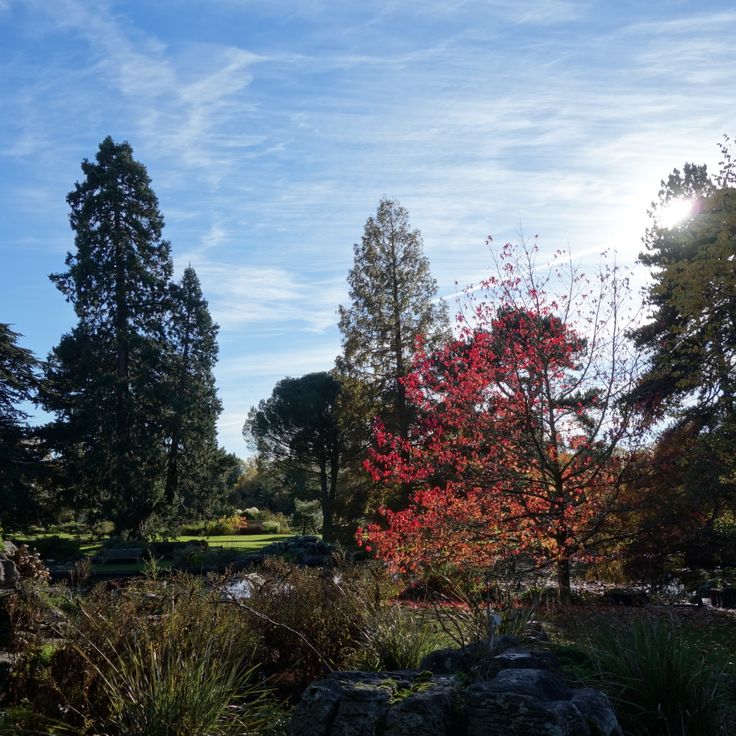
Secret gardens where the nature of the entire world takes root and shares its stories. Here, species from rainforests live close to those from hot deserts, and each plant has its own story to tell.
Botanical gardens are places where plants from around the world grow and are studied. These gardens show how different species thrive in various climates - from tropical regions to dry deserts. Visitors find carefully designed spaces with greenhouses where rare and native plants are cultivated. Throughout the grounds, information about botany and plants is available.
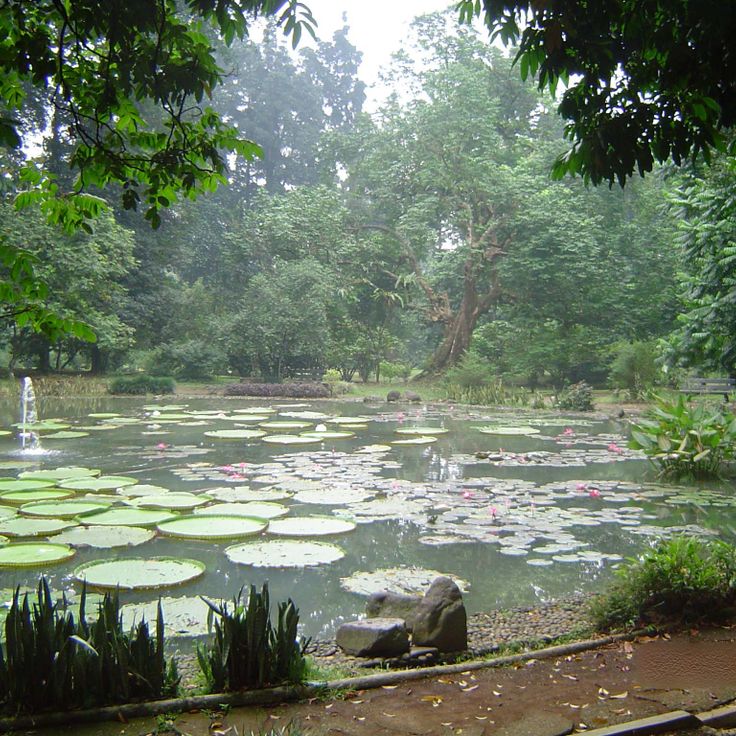
From London to Sydney, from Berlin to Bangkok, these gardens offer views of our planet's diversity. Some like the Bogor Botanical Garden or the gardens in Singapore focus on tropical plants. Others such as the Denver gardens or the Phoenix desert garden show which species survive in extreme conditions. Each garden has its own character and plant collections.
These places serve science, species conservation, and environmental education. Whether in Paris, Rio de Janeiro, or Copenhagen - visiting these gardens helps you learn about nature and why it matters.
Secret gardens where the nature of the entire world takes root and shares its stories. Here, species from rainforests live close to those from hot deserts, and each plant has its own story to tell.
Botanical gardens are places where plants from around the world grow and are studied. These gardens show how different species thrive in various climates - from tropical regions to dry deserts. Visitors find carefully designed spaces with greenhouses where rare and native plants are cultivated. Throughout the grounds, information about botany and plants is available.
From London to Sydney, from Berlin to Bangkok, these gardens offer views of our planet's diversity. Some like the Bogor Botanical Garden or the gardens in Singapore focus on tropical plants. Others such as the Denver gardens or the Phoenix desert garden show which species survive in extreme conditions. Each garden has its own character and plant collections.
These places serve science, species conservation, and environmental education. Whether in Paris, Rio de Janeiro, or Copenhagen - visiting these gardens helps you learn about nature and why it matters.
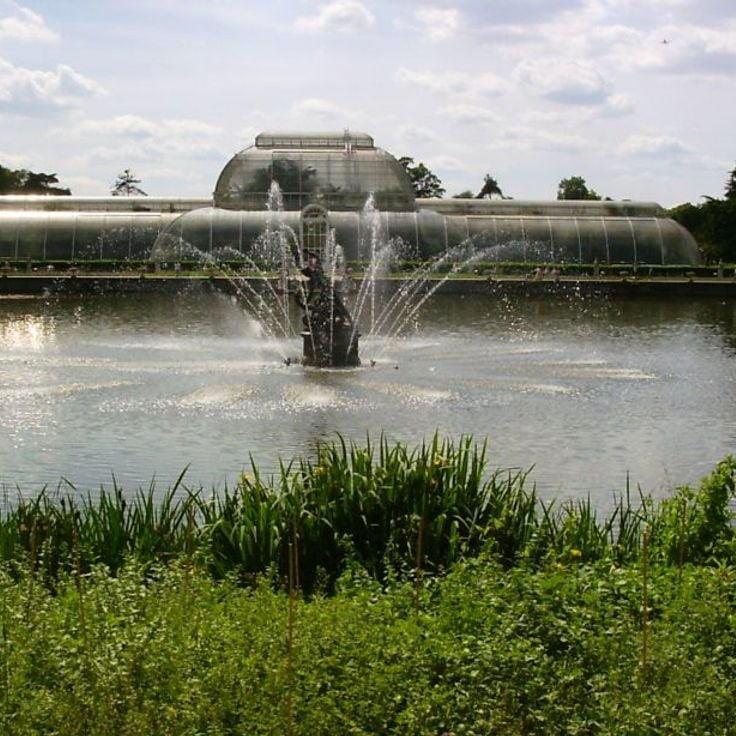
The Royal Botanic Gardens is a research center in London housing more than 50,000 plant species and several Victorian greenhouses. The grounds display native and exotic plants in designed areas representing different climate zones, from tropical rainforests to desert vegetation. Visitors can learn scientific information about botany and plant diversity while exploring the extensive collections.
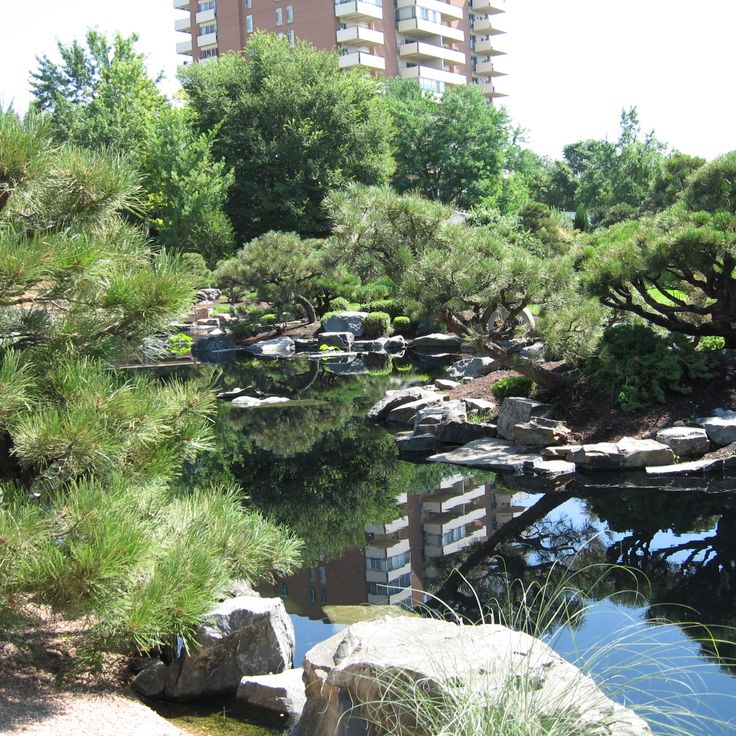
The Brooklyn Botanic Garden is a research center in New York City dedicated to plant science. Spread across 52 acres, this garden presents plant collections from different climate zones. You can find 200 cherry trees, a Japanese pond, and an herb garden on the grounds. The space offers scientific information about botany and showcases both native and exotic plant species.
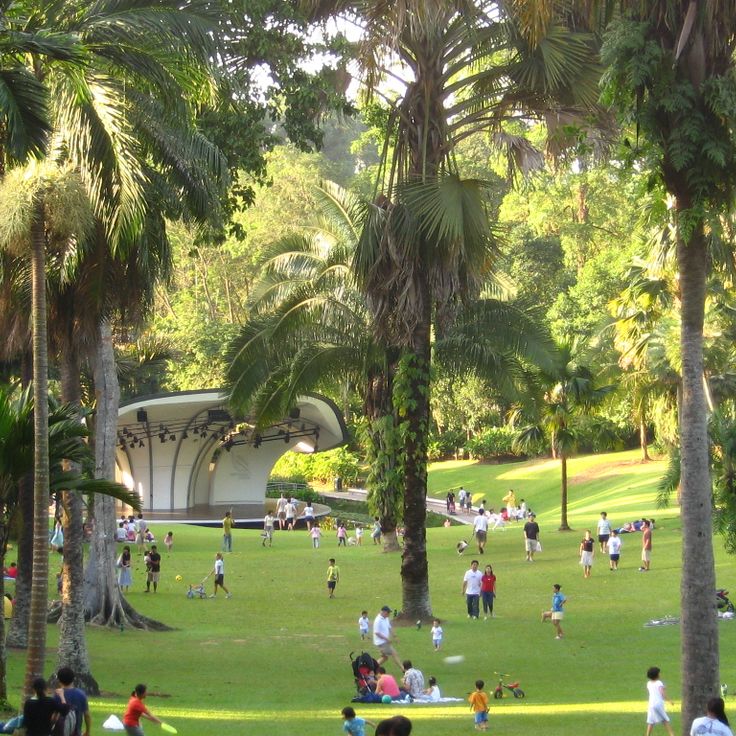
The Singapore Botanic Gardens is a research center that houses over 10,000 plant species from around the world. The gardens display different climate zones with corresponding vegetation, from tropical rainforests to desert plants. Visitors can explore an orchid breeding station and find scientific information about botany.
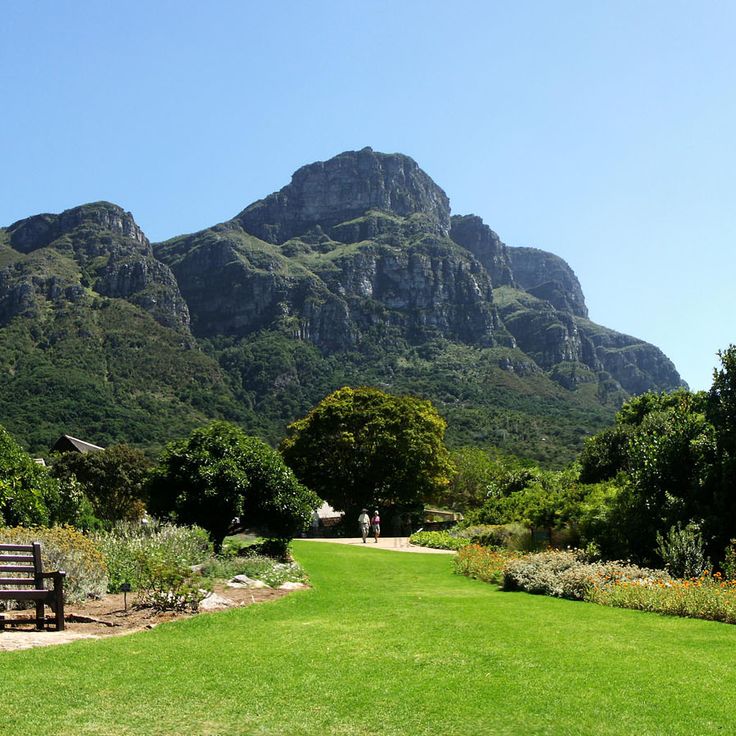
Kirstenbosch National Botanical Garden showcases the plant diversity of South Africa within a garden setting beneath Table Mountain. The garden features greenhouses and exhibitions displaying native and exotic plant species. It functions as a research center dedicated to studying and protecting South African flora. Visitors can learn scientific information about botany and explore different climate zones with their corresponding vegetation.
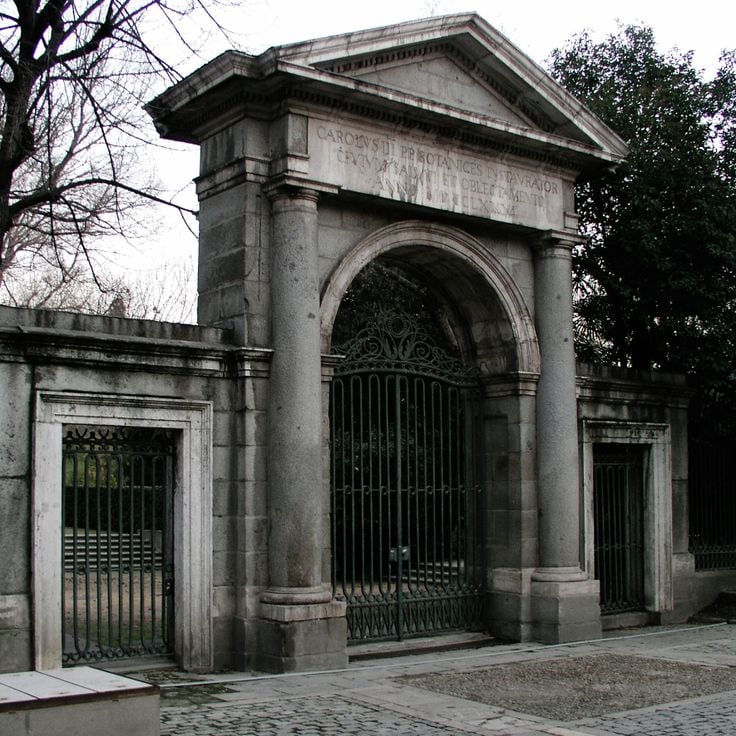
The Real Jardín Botánico de Madrid is a research center for botany within this collection of gardens worldwide. The garden displays plants from different climate zones and houses an important herbarium and extensive library. Visitors can learn about plant diversity and explore the designed gardens while discovering scientific information about botany.
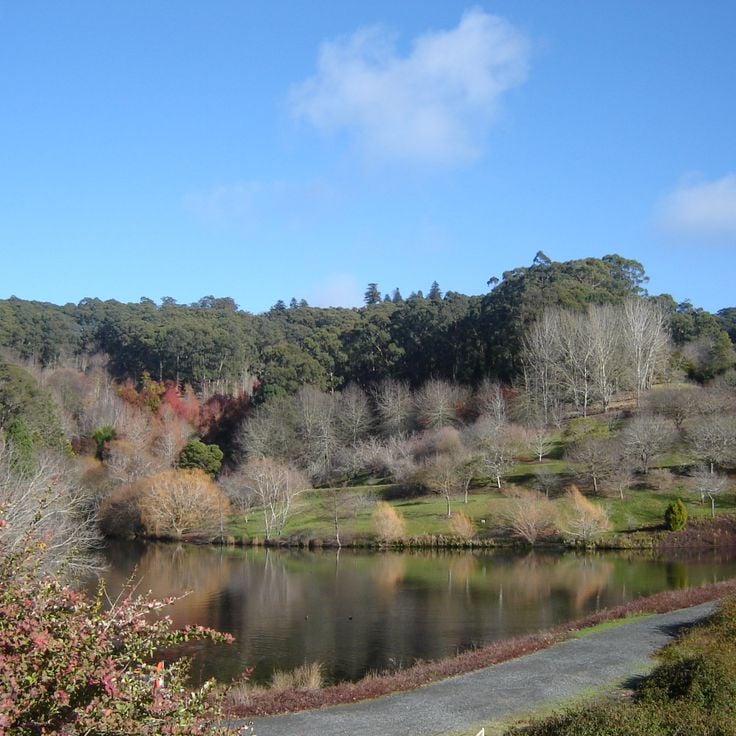
The Mount Lofty Botanic Gardens is a research center in Adelaide that displays plant collections from different climate zones. The garden features native Australian species and exotic plants in designed areas. Visitors can explore greenhouses and learn about botany through scientific displays. The grounds demonstrate how various plant types thrive in conditions ranging from tropical to arid regions.
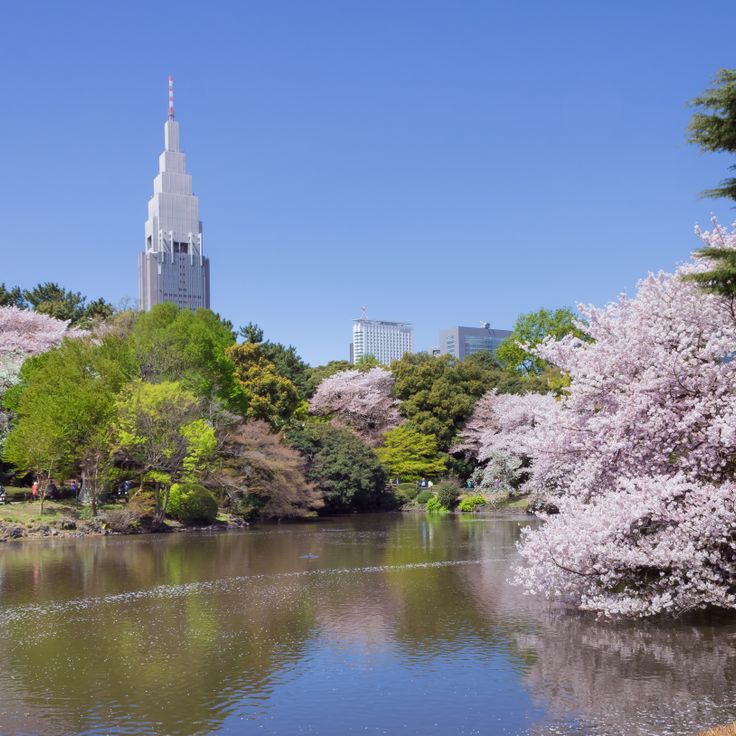
Shinjuku Gyoen National Garden in Tokyo is a former imperial garden now open to the public that serves as a research center for botany. The park features specialized garden areas and greenhouses where native and exotic plant species are maintained. Visitors can explore different climate zones, from tropical rainforest plants to desert vegetation, and find scientific information about botany and plant life.
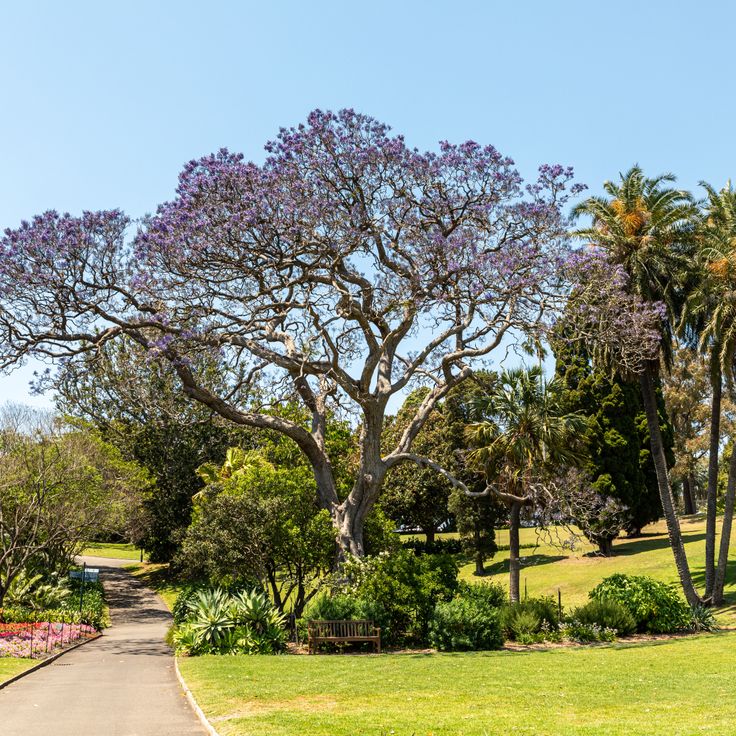
The Royal Botanic Garden Sydney is a research center that houses over 9000 plant species across 30 hectares. This garden displays native and exotic plants in designed areas representing different climate zones, from tropical rainforests to desert plants. Visitors can explore greenhouses and learn scientific information about botany. The location on the shores of Sydney Harbour makes this botanical collection site special.
The Denver Botanic Gardens display a collection of plants from Colorado and around the world. A conservatory holds tropical and subtropical species. These botanical gardens serve as research centers with greenhouses, plant collections and exhibitions. They maintain native and exotic plant species in designed gardens. The grounds present different climate zones with corresponding vegetation, from tropical rainforests to desert plants. Visitors find scientific information about botany.
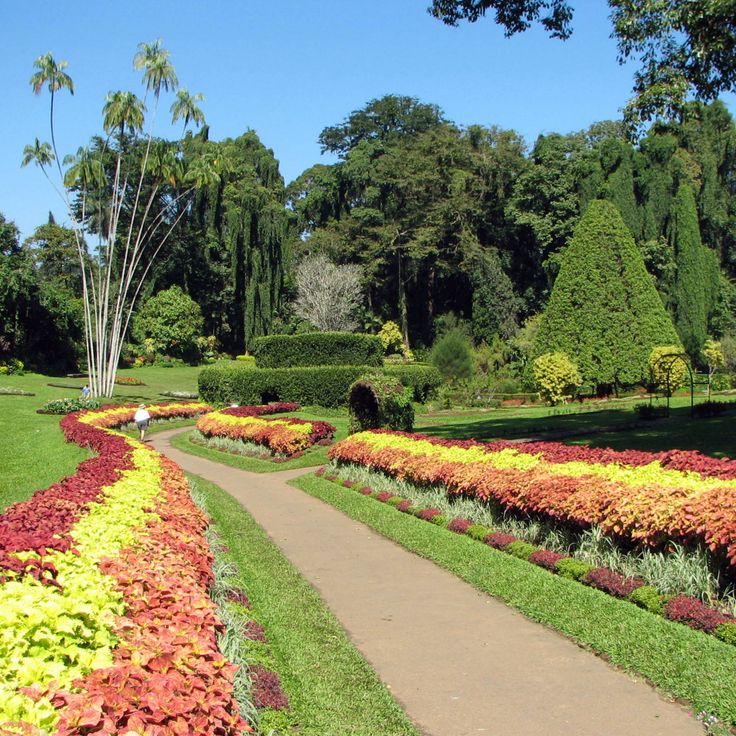
The Peradeniya Royal Botanical Gardens is a botanical garden spanning about 60 hectares dedicated to protecting and studying plant species. The gardens display about 4000 plant species from different climate zones, including spice plants, orchids, and an ancient Java fig tree. Visitors can learn scientific information about botany and see native and exotic plants in designed gardens. The site functions as a research center with extensive collections and contributes to preserving plant diversity.
Nong Nooch Tropical Botanical Garden is a 200-hectare park in Pattaya with Thai garden designs and botanical collections. The garden houses about 15000 plant species with a focus on palms and orchids. This botanical garden serves as a research center with different climate zones and corresponding vegetation, from tropical rainforests to desert plants. Visitors can find scientific information about botany here.
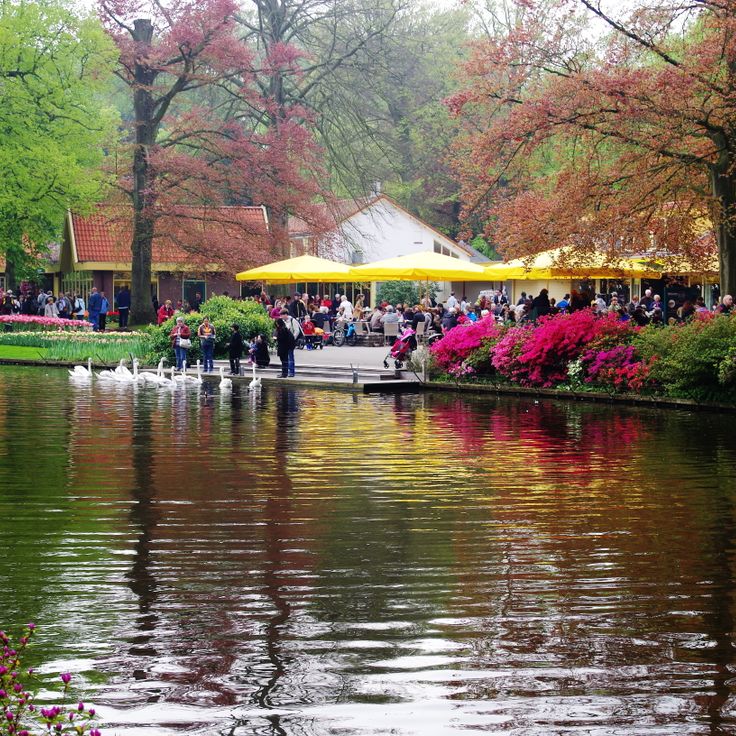
Keukenhof in Lisse is one of the world's largest flower gardens and functions as a research center for plant diversity. The garden displays thousands of flower species in designed beds and greenhouses. Visitors can explore native and exotic plants arranged in different climate zones, from tropical to temperate areas. Keukenhof provides scientific information about botany and horticulture.
The Rio de Janeiro Botanical Gardens is a research center that houses some of Brazil's rarest and most threatened plant species. These botanical gardens maintain native and exotic plants in designed spaces, presenting different climate zones with corresponding vegetation, from tropical rainforests to desert plants. Visitors find scientific information about botany and can explore greenhouses and plant collections throughout the grounds.
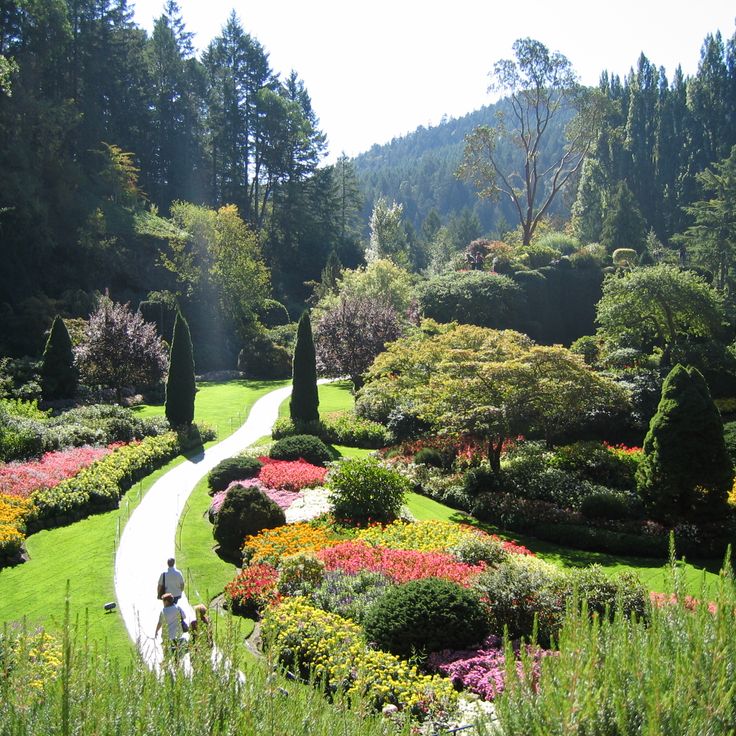
The Butchart Gardens present plant diversity from different climate zones around the world. The gardens display collections of native and exotic species arranged in carefully designed spaces. Visitors can explore tropical plants, desert species, and local vegetation while learning scientific information about botany. These gardens serve as a research center with greenhouses and regular exhibitions.
The National Botanic Garden of Belgium is a research center dedicated to studying and protecting plant species from around the world. This garden displays native and exotic plants in designed spaces that reflect different climate zones, from tropical regions to arid environments. Visitors can explore the Orangery, the Garden Library, and the Herbarium, where scientific collections showcase plants from diverse habitats. The exhibitions provide information about botany and the importance of plant diversity for our world.
The Xiamen Botanical Garden sits on Mount Wanshi and displays more than 5000 plant species arranged across different climate zones. The garden features orchid and bonsai collections alongside greenhouses containing tropical rainforest plants and desert vegetation. Visitors can explore scientific information about botany and understand how plants adapt to various environments throughout the world.
This monument protects a diverse area on the Colorado Plateau with multiple vegetation zones. From desert plants to coniferous forests, visitors encounter a wide range of species, many found nowhere else in the world. The landscape demonstrates how plants adapt to different elevations and climates. It is a place to understand how botany and geology work together.
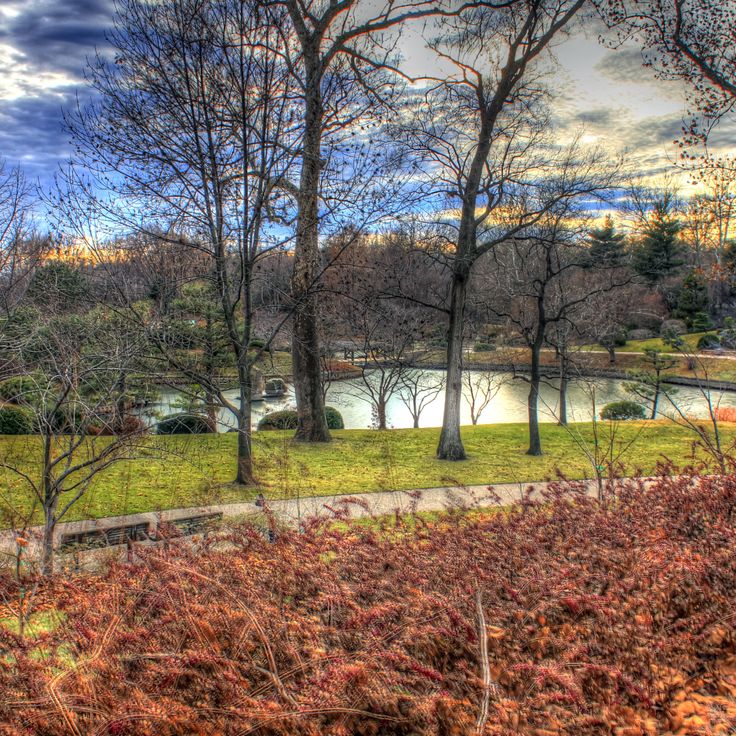
The Missouri Botanical Garden is a research center in St. Louis that houses extensive plant collections, greenhouses, and ornamental gardens. The garden displays plants from different climate zones around the world and serves as a place for scientific learning about botany and plant diversity.
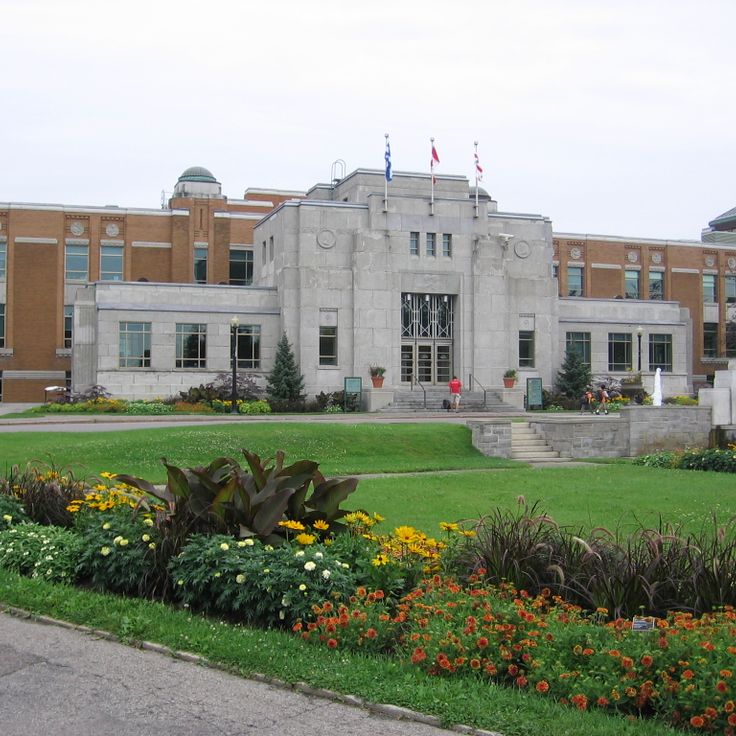
The Montreal Botanical Garden is a large garden with thematic sections including Japanese and Chinese gardens, medicinal plant collections and tropical greenhouses. As a research center, this garden presents different climate zones with corresponding vegetation, from tropical rainforests to desert plants, and provides visitors with scientific information about botany.
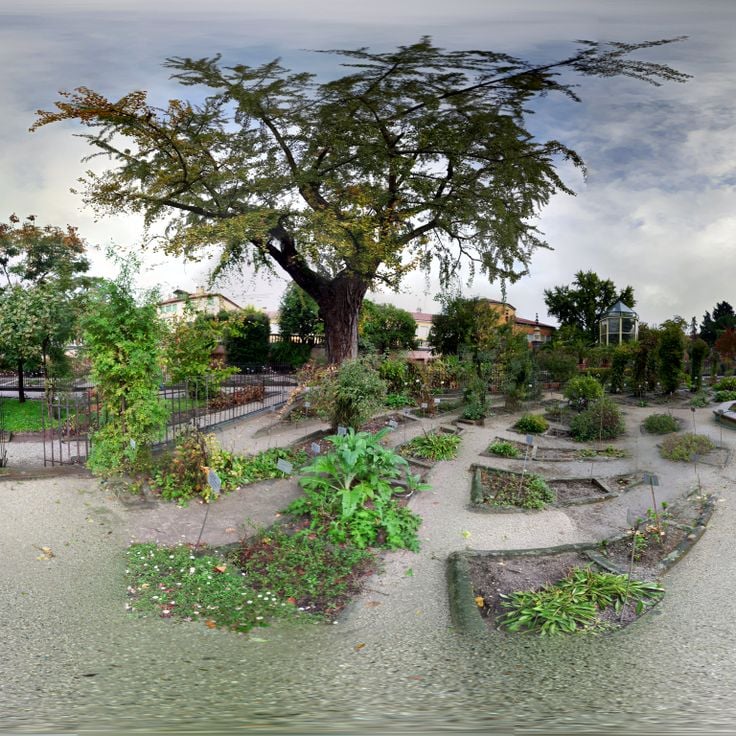
The Orto Botanico di Padova is one of the oldest botanical gardens in Europe and functions as a research center with substantial plant collections. The garden displays both historical and contemporary plantings with greenhouses where tropical species are cultivated. The grounds present different climate zones with corresponding vegetation, from rainforest plants to desert species, and provide visitors with scientific information about botany.
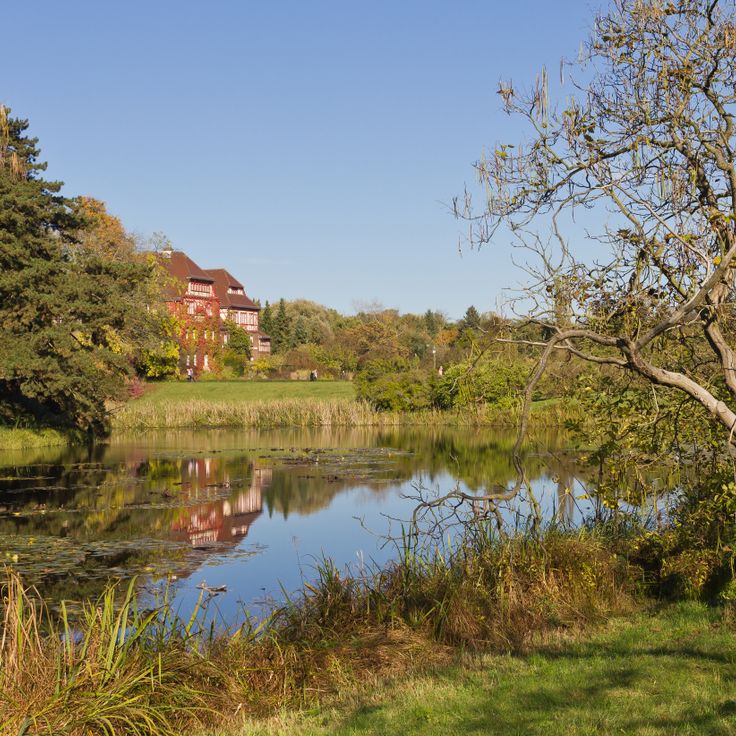
The Botanischer Garten and Botanisches Museum Berlin displays a large plant collection from around the world. Visitors walk through different garden areas that represent various climates. Inside the greenhouses, tropical plants and desert species grow side by side. The attached museum explains the science behind the plants. The garden serves as both a research center and a place to learn about botany.
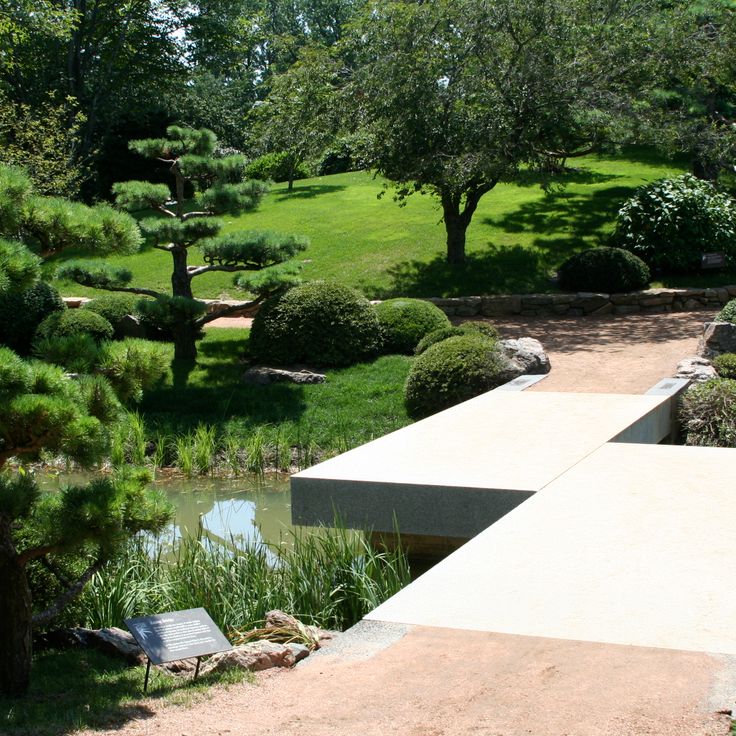
The Chicago Botanic Garden is a research center featuring 27 different gardens with plant collections from temperate and tropical regions. The grounds display various climate zones with corresponding vegetation, from lush greenhouses to outdoor cultivation areas. Visitors can explore thousands of plant species and learn scientific information about botany. The garden serves both research and public education purposes.
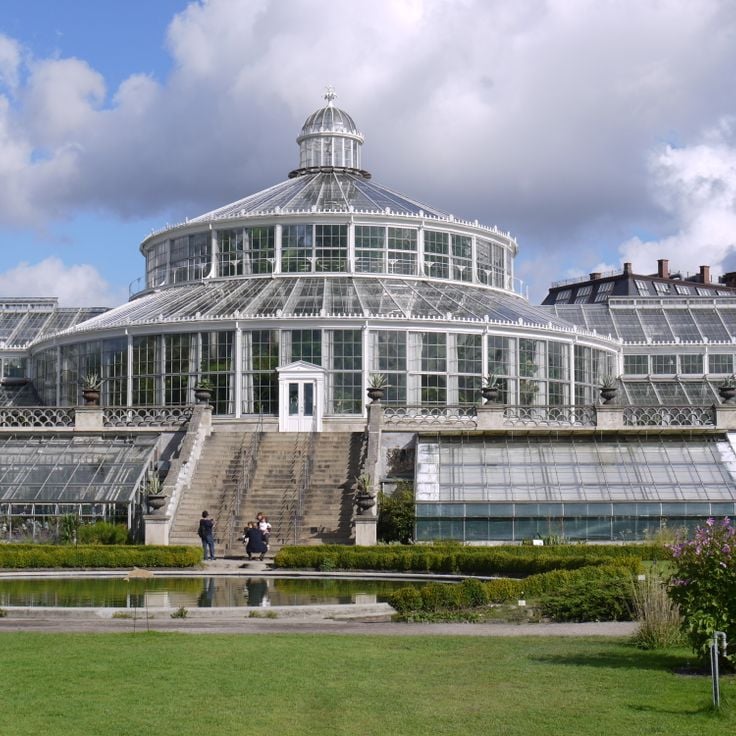
The Copenhagen Botanical Garden is a research center housing tropical greenhouses, palm collections, and plants from various climates and regions around the world. The garden displays the diversity of global plant life and provides visitors with scientific information about botany. The grounds feature different climate zones with corresponding vegetation, ranging from tropical rainforests to desert plants.
The Kebun Raya Bogor is a historic botanical garden set in the tropics with substantial plant collections including orchids, palms and rare species. It functions as a research center with greenhouses and exhibitions that display how different plant species thrive in various climate zones. Visitors can learn scientific information about botany while exploring the designed gardens.
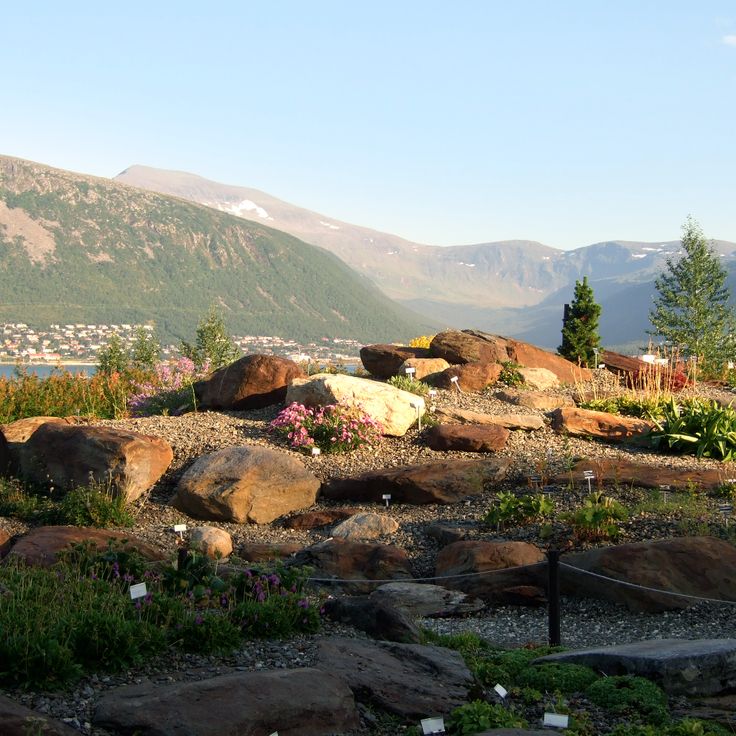
The Arctic-Alpine Botanic Garden is a research center focused on plants from extreme northern climates and high mountain environments. The garden demonstrates how plants adapt to freezing conditions and short growing seasons. Visitors see native species from the Arctic and related plants from mountain regions around the world. The garden offers scientific information about how plants survive under the most difficult conditions. The collections support research on adaptation strategies and responses to extreme weather.
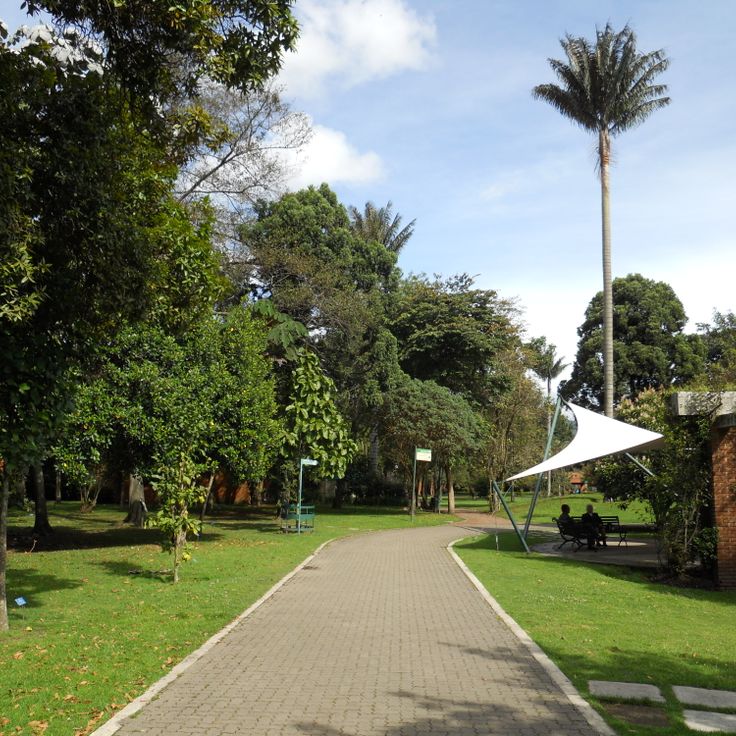
The Jardín Botánico de Bogotá is a research center that displays plant collections from Colombia's diverse ecosystems. This garden presents flora from the Andes and wetland regions, arranged in designed garden spaces. Visitors can learn scientific information about the native and exotic plant species found here.
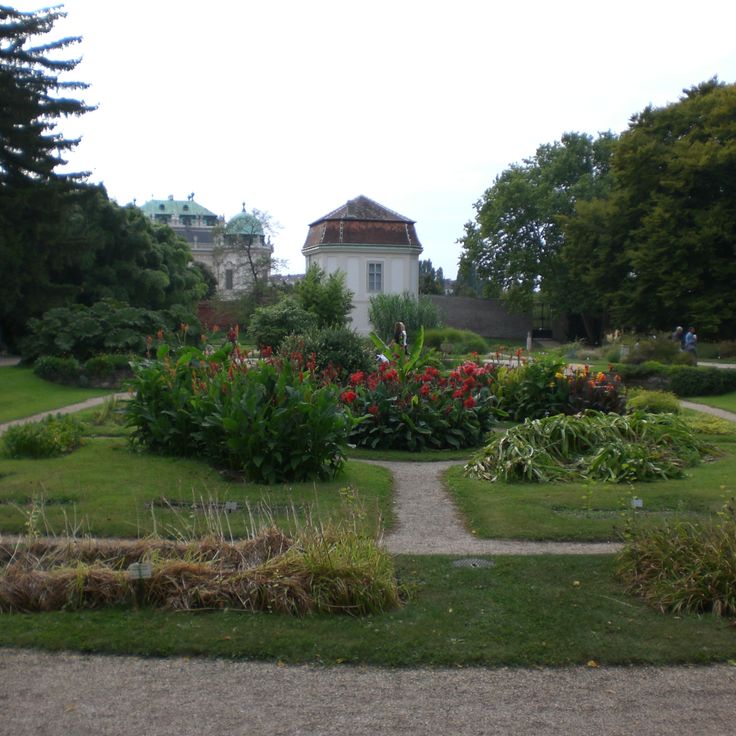
The Botanical Garden of the University of Vienna is a research garden that belongs to this worldwide collection of botanical gardens. Here plants from different climate zones grow in designed gardens. Greenhouses display tropical species and other exotic plants. The garden serves scientific research and offers visitors information about botany and plant diversity.
The Nanjing Botanical Garden is a research center with plant collections organized by type, including medicinal plants, bamboo and aquatic species. The garden displays these plants in designed spaces that represent different climate zones. Visitors learn about botany and plant diversity through scientific information presented throughout the grounds.
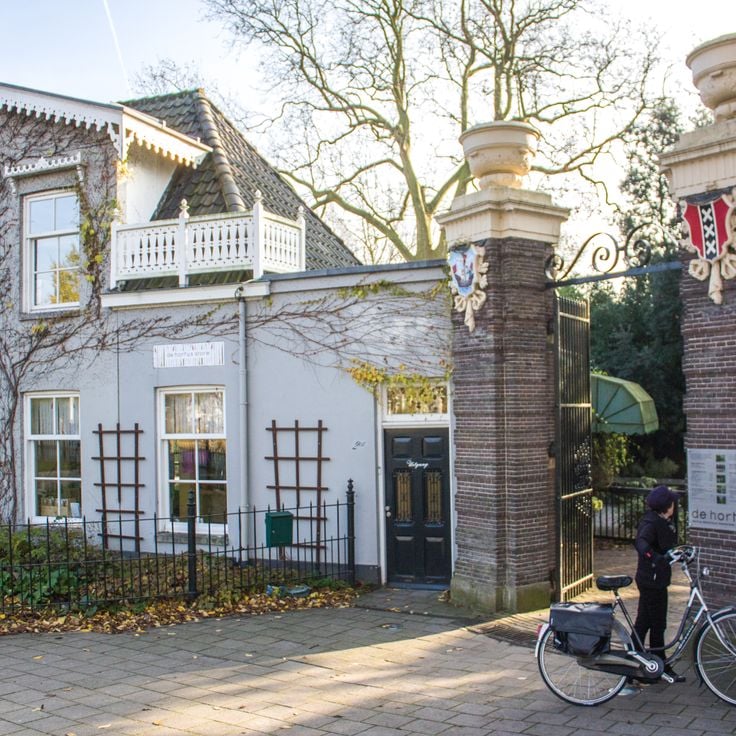
The Hortus Botanicus Amsterdam is a historic botanical garden featuring greenhouses with tropical and subtropical plants as well as collections of medicinal herbs. As a research center, this garden contributes to the global documentation of plant diversity and shows visitors the range of different climate zones and their corresponding vegetation.
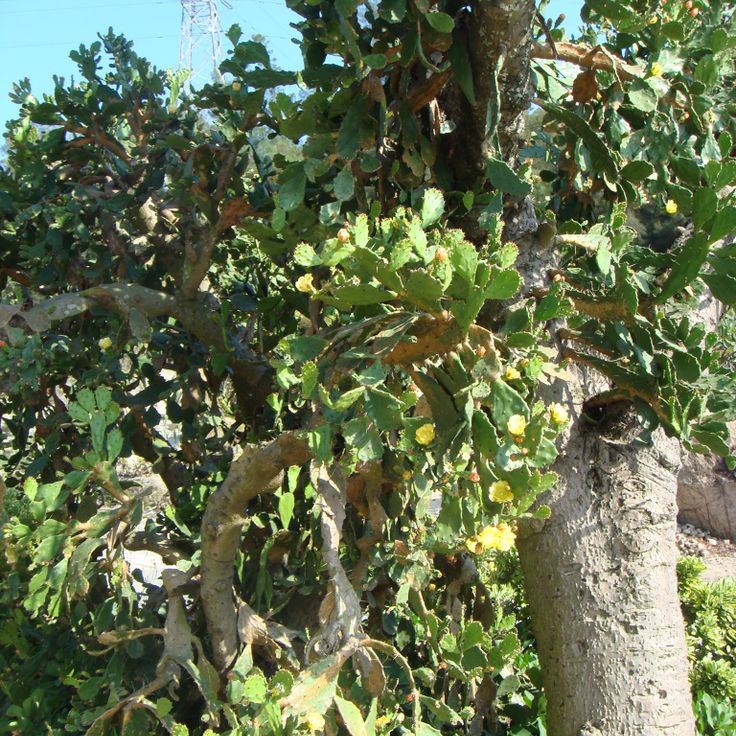
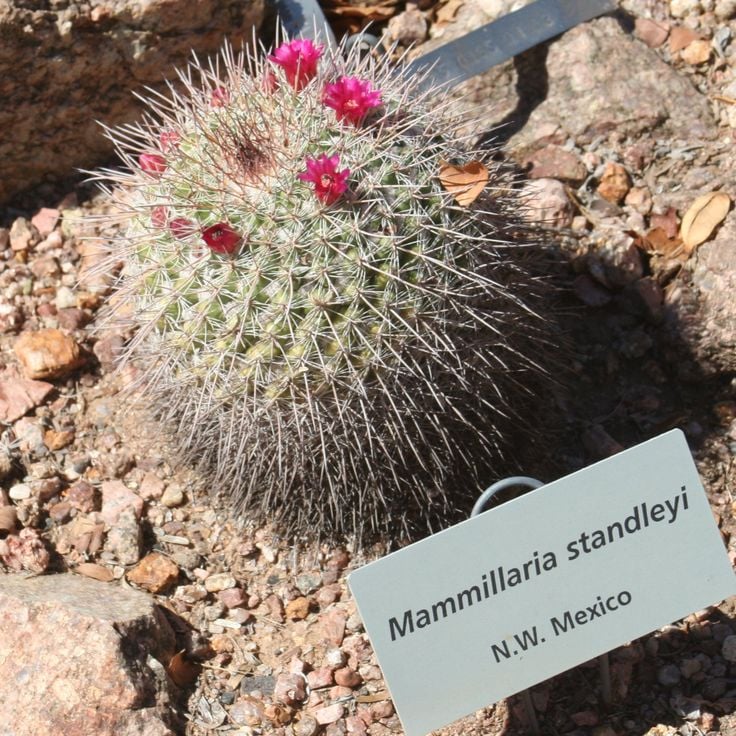
The Desert Botanical Garden in Phoenix is a research center dedicated to desert plant diversity. The garden displays extensive collections of cacti, succulents and other plants adapted to arid climates. The designed gardens showcase different desert landscapes and provide scientific information about the botany of these regions. Visitors can explore how these plants adapt to extreme conditions and learn about their ecological importance.
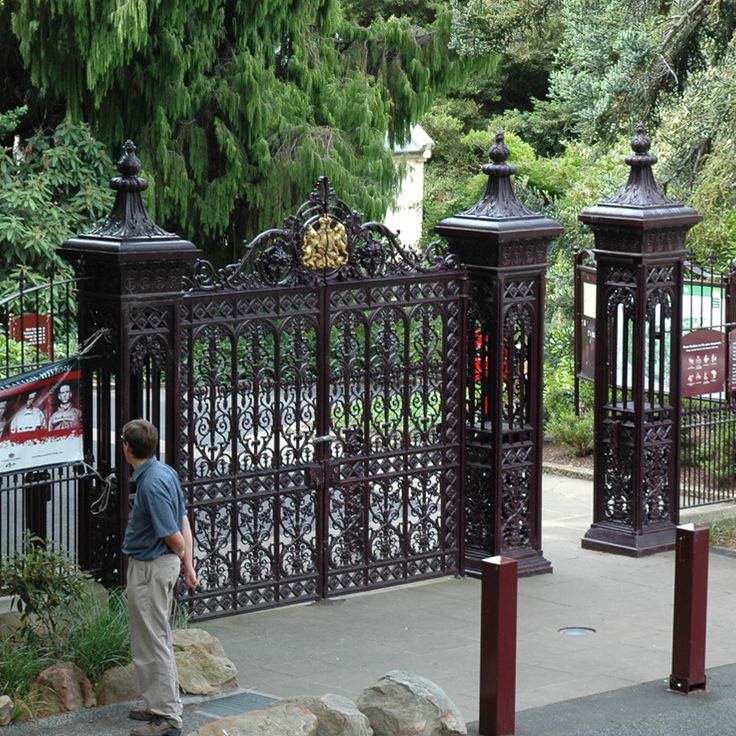
The Royal Tasmanian Botanical Gardens are research centers with greenhouses and plant collections. These gardens feature native Australian plants and exotic species organized in themed sections. Visitors can learn scientific information about botany while enjoying scenic views across the grounds.
The Cambridge University Botanic Garden is a research garden with systematic plant collections, greenhouses, and educational displays. As part of a network of botanical gardens worldwide, it maintains native and exotic species while providing scientific information about plant diversity and botany to visitors.
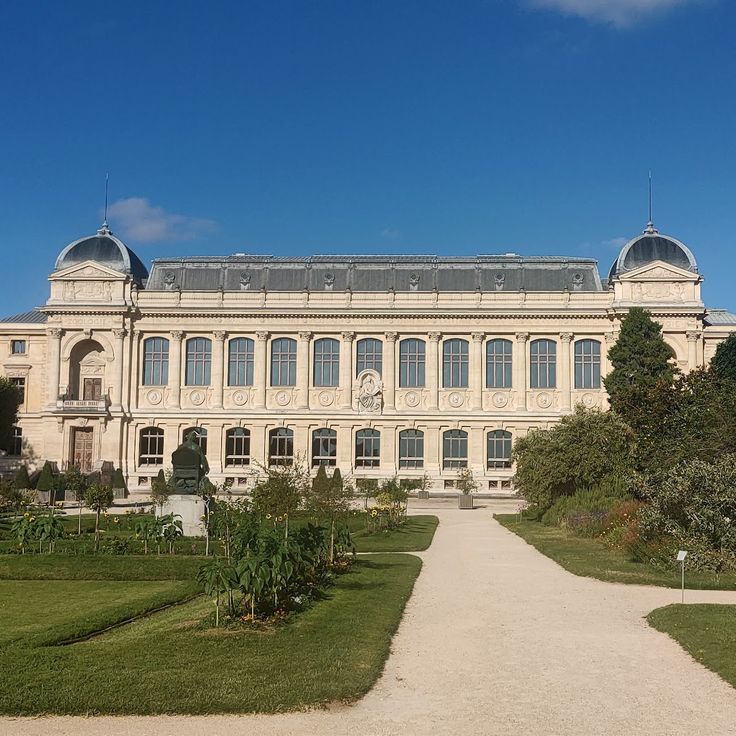
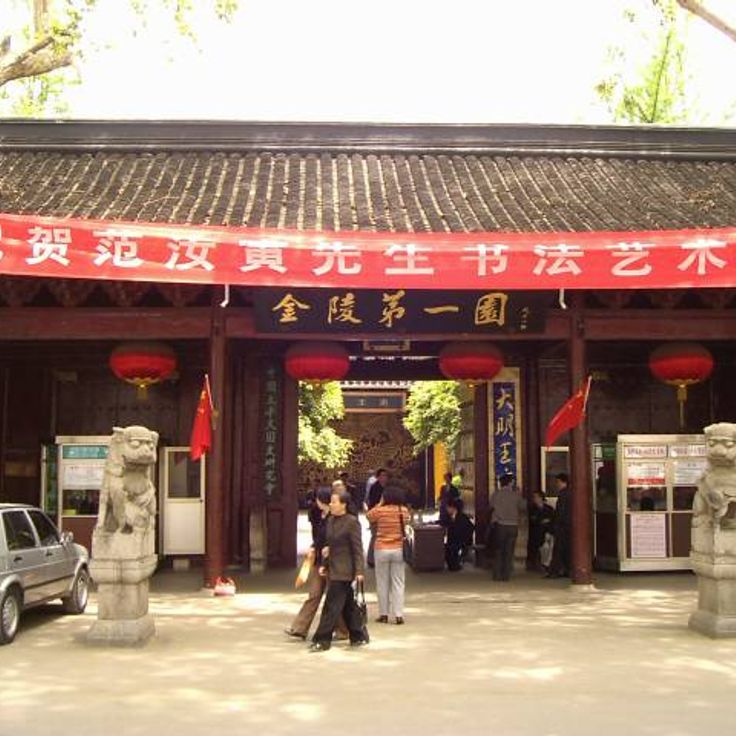
The Jardin des Plantes in Paris is a research center with greenhouses and extensive plant collections. These botanical gardens display native and exotic plant species in designed gardens and present different climate zones with corresponding vegetation, from tropical rainforests to desert plants. Visitors find scientific information about botany, a natural history museum, and a zoo.
The Royal Botanic Gardens is a research center in London housing more than 50,000 plant species and several Victorian greenhouses. The grounds display native and exotic plants in designed areas representing different climate zones, from tropical rainforests to desert vegetation. Visitors can learn scientific information about botany and plant diversity while exploring the extensive collections.
The Brooklyn Botanic Garden is a research center in New York City dedicated to plant science. Spread across 52 acres, this garden presents plant collections from different climate zones. You can find 200 cherry trees, a Japanese pond, and an herb garden on the grounds. The space offers scientific information about botany and showcases both native and exotic plant species.
The Singapore Botanic Gardens is a research center that houses over 10,000 plant species from around the world. The gardens display different climate zones with corresponding vegetation, from tropical rainforests to desert plants. Visitors can explore an orchid breeding station and find scientific information about botany.
Kirstenbosch National Botanical Garden showcases the plant diversity of South Africa within a garden setting beneath Table Mountain. The garden features greenhouses and exhibitions displaying native and exotic plant species. It functions as a research center dedicated to studying and protecting South African flora. Visitors can learn scientific information about botany and explore different climate zones with their corresponding vegetation.
The Real Jardín Botánico de Madrid is a research center for botany within this collection of gardens worldwide. The garden displays plants from different climate zones and houses an important herbarium and extensive library. Visitors can learn about plant diversity and explore the designed gardens while discovering scientific information about botany.
The Mount Lofty Botanic Gardens is a research center in Adelaide that displays plant collections from different climate zones. The garden features native Australian species and exotic plants in designed areas. Visitors can explore greenhouses and learn about botany through scientific displays. The grounds demonstrate how various plant types thrive in conditions ranging from tropical to arid regions.
Shinjuku Gyoen National Garden in Tokyo is a former imperial garden now open to the public that serves as a research center for botany. The park features specialized garden areas and greenhouses where native and exotic plant species are maintained. Visitors can explore different climate zones, from tropical rainforest plants to desert vegetation, and find scientific information about botany and plant life.
The Royal Botanic Garden Sydney is a research center that houses over 9000 plant species across 30 hectares. This garden displays native and exotic plants in designed areas representing different climate zones, from tropical rainforests to desert plants. Visitors can explore greenhouses and learn scientific information about botany. The location on the shores of Sydney Harbour makes this botanical collection site special.
The Denver Botanic Gardens display a collection of plants from Colorado and around the world. A conservatory holds tropical and subtropical species. These botanical gardens serve as research centers with greenhouses, plant collections and exhibitions. They maintain native and exotic plant species in designed gardens. The grounds present different climate zones with corresponding vegetation, from tropical rainforests to desert plants. Visitors find scientific information about botany.
The Peradeniya Royal Botanical Gardens is a botanical garden spanning about 60 hectares dedicated to protecting and studying plant species. The gardens display about 4000 plant species from different climate zones, including spice plants, orchids, and an ancient Java fig tree. Visitors can learn scientific information about botany and see native and exotic plants in designed gardens. The site functions as a research center with extensive collections and contributes to preserving plant diversity.
Nong Nooch Tropical Botanical Garden is a 200-hectare park in Pattaya with Thai garden designs and botanical collections. The garden houses about 15000 plant species with a focus on palms and orchids. This botanical garden serves as a research center with different climate zones and corresponding vegetation, from tropical rainforests to desert plants. Visitors can find scientific information about botany here.
Keukenhof in Lisse is one of the world's largest flower gardens and functions as a research center for plant diversity. The garden displays thousands of flower species in designed beds and greenhouses. Visitors can explore native and exotic plants arranged in different climate zones, from tropical to temperate areas. Keukenhof provides scientific information about botany and horticulture.
The Rio de Janeiro Botanical Gardens is a research center that houses some of Brazil's rarest and most threatened plant species. These botanical gardens maintain native and exotic plants in designed spaces, presenting different climate zones with corresponding vegetation, from tropical rainforests to desert plants. Visitors find scientific information about botany and can explore greenhouses and plant collections throughout the grounds.
The Butchart Gardens present plant diversity from different climate zones around the world. The gardens display collections of native and exotic species arranged in carefully designed spaces. Visitors can explore tropical plants, desert species, and local vegetation while learning scientific information about botany. These gardens serve as a research center with greenhouses and regular exhibitions.
The National Botanic Garden of Belgium is a research center dedicated to studying and protecting plant species from around the world. This garden displays native and exotic plants in designed spaces that reflect different climate zones, from tropical regions to arid environments. Visitors can explore the Orangery, the Garden Library, and the Herbarium, where scientific collections showcase plants from diverse habitats. The exhibitions provide information about botany and the importance of plant diversity for our world.
The Xiamen Botanical Garden sits on Mount Wanshi and displays more than 5000 plant species arranged across different climate zones. The garden features orchid and bonsai collections alongside greenhouses containing tropical rainforest plants and desert vegetation. Visitors can explore scientific information about botany and understand how plants adapt to various environments throughout the world.
This monument protects a diverse area on the Colorado Plateau with multiple vegetation zones. From desert plants to coniferous forests, visitors encounter a wide range of species, many found nowhere else in the world. The landscape demonstrates how plants adapt to different elevations and climates. It is a place to understand how botany and geology work together.
The Missouri Botanical Garden is a research center in St. Louis that houses extensive plant collections, greenhouses, and ornamental gardens. The garden displays plants from different climate zones around the world and serves as a place for scientific learning about botany and plant diversity.
The Montreal Botanical Garden is a large garden with thematic sections including Japanese and Chinese gardens, medicinal plant collections and tropical greenhouses. As a research center, this garden presents different climate zones with corresponding vegetation, from tropical rainforests to desert plants, and provides visitors with scientific information about botany.
The Orto Botanico di Padova is one of the oldest botanical gardens in Europe and functions as a research center with substantial plant collections. The garden displays both historical and contemporary plantings with greenhouses where tropical species are cultivated. The grounds present different climate zones with corresponding vegetation, from rainforest plants to desert species, and provide visitors with scientific information about botany.
The Botanischer Garten and Botanisches Museum Berlin displays a large plant collection from around the world. Visitors walk through different garden areas that represent various climates. Inside the greenhouses, tropical plants and desert species grow side by side. The attached museum explains the science behind the plants. The garden serves as both a research center and a place to learn about botany.
The Chicago Botanic Garden is a research center featuring 27 different gardens with plant collections from temperate and tropical regions. The grounds display various climate zones with corresponding vegetation, from lush greenhouses to outdoor cultivation areas. Visitors can explore thousands of plant species and learn scientific information about botany. The garden serves both research and public education purposes.
The Copenhagen Botanical Garden is a research center housing tropical greenhouses, palm collections, and plants from various climates and regions around the world. The garden displays the diversity of global plant life and provides visitors with scientific information about botany. The grounds feature different climate zones with corresponding vegetation, ranging from tropical rainforests to desert plants.
The Kebun Raya Bogor is a historic botanical garden set in the tropics with substantial plant collections including orchids, palms and rare species. It functions as a research center with greenhouses and exhibitions that display how different plant species thrive in various climate zones. Visitors can learn scientific information about botany while exploring the designed gardens.
The Arctic-Alpine Botanic Garden is a research center focused on plants from extreme northern climates and high mountain environments. The garden demonstrates how plants adapt to freezing conditions and short growing seasons. Visitors see native species from the Arctic and related plants from mountain regions around the world. The garden offers scientific information about how plants survive under the most difficult conditions. The collections support research on adaptation strategies and responses to extreme weather.
The Jardín Botánico de Bogotá is a research center that displays plant collections from Colombia's diverse ecosystems. This garden presents flora from the Andes and wetland regions, arranged in designed garden spaces. Visitors can learn scientific information about the native and exotic plant species found here.
The Botanical Garden of the University of Vienna is a research garden that belongs to this worldwide collection of botanical gardens. Here plants from different climate zones grow in designed gardens. Greenhouses display tropical species and other exotic plants. The garden serves scientific research and offers visitors information about botany and plant diversity.
The Nanjing Botanical Garden is a research center with plant collections organized by type, including medicinal plants, bamboo and aquatic species. The garden displays these plants in designed spaces that represent different climate zones. Visitors learn about botany and plant diversity through scientific information presented throughout the grounds.
The Hortus Botanicus Amsterdam is a historic botanical garden featuring greenhouses with tropical and subtropical plants as well as collections of medicinal herbs. As a research center, this garden contributes to the global documentation of plant diversity and shows visitors the range of different climate zones and their corresponding vegetation.
The Desert Botanical Garden in Phoenix is a research center dedicated to desert plant diversity. The garden displays extensive collections of cacti, succulents and other plants adapted to arid climates. The designed gardens showcase different desert landscapes and provide scientific information about the botany of these regions. Visitors can explore how these plants adapt to extreme conditions and learn about their ecological importance.
The Royal Tasmanian Botanical Gardens are research centers with greenhouses and plant collections. These gardens feature native Australian plants and exotic species organized in themed sections. Visitors can learn scientific information about botany while enjoying scenic views across the grounds.
The Cambridge University Botanic Garden is a research garden with systematic plant collections, greenhouses, and educational displays. As part of a network of botanical gardens worldwide, it maintains native and exotic species while providing scientific information about plant diversity and botany to visitors.
The Jardin des Plantes in Paris is a research center with greenhouses and extensive plant collections. These botanical gardens display native and exotic plant species in designed gardens and present different climate zones with corresponding vegetation, from tropical rainforests to desert plants. Visitors find scientific information about botany, a natural history museum, and a zoo.
The Royal Botanic Gardens is a research center in London housing more than 50,000 plant species and several Victorian greenhouses. The grounds display native and exotic plants in designed areas representing different climate zones, from tropical rainforests to desert vegetation. Visitors can learn scientific information about botany and plant diversity while exploring the extensive collections.
The Brooklyn Botanic Garden is a research center in New York City dedicated to plant science. Spread across 52 acres, this garden presents plant collections from different climate zones. You can find 200 cherry trees, a Japanese pond, and an herb garden on the grounds. The space offers scientific information about botany and showcases both native and exotic plant species.
The Singapore Botanic Gardens is a research center that houses over 10,000 plant species from around the world. The gardens display different climate zones with corresponding vegetation, from tropical rainforests to desert plants. Visitors can explore an orchid breeding station and find scientific information about botany.
Kirstenbosch National Botanical Garden showcases the plant diversity of South Africa within a garden setting beneath Table Mountain. The garden features greenhouses and exhibitions displaying native and exotic plant species. It functions as a research center dedicated to studying and protecting South African flora. Visitors can learn scientific information about botany and explore different climate zones with their corresponding vegetation.
The Real Jardín Botánico de Madrid is a research center for botany within this collection of gardens worldwide. The garden displays plants from different climate zones and houses an important herbarium and extensive library. Visitors can learn about plant diversity and explore the designed gardens while discovering scientific information about botany.
The Mount Lofty Botanic Gardens is a research center in Adelaide that displays plant collections from different climate zones. The garden features native Australian species and exotic plants in designed areas. Visitors can explore greenhouses and learn about botany through scientific displays. The grounds demonstrate how various plant types thrive in conditions ranging from tropical to arid regions.
Shinjuku Gyoen National Garden in Tokyo is a former imperial garden now open to the public that serves as a research center for botany. The park features specialized garden areas and greenhouses where native and exotic plant species are maintained. Visitors can explore different climate zones, from tropical rainforest plants to desert vegetation, and find scientific information about botany and plant life.
The Royal Botanic Garden Sydney is a research center that houses over 9000 plant species across 30 hectares. This garden displays native and exotic plants in designed areas representing different climate zones, from tropical rainforests to desert plants. Visitors can explore greenhouses and learn scientific information about botany. The location on the shores of Sydney Harbour makes this botanical collection site special.
The Denver Botanic Gardens display a collection of plants from Colorado and around the world. A conservatory holds tropical and subtropical species. These botanical gardens serve as research centers with greenhouses, plant collections and exhibitions. They maintain native and exotic plant species in designed gardens. The grounds present different climate zones with corresponding vegetation, from tropical rainforests to desert plants. Visitors find scientific information about botany.
The Peradeniya Royal Botanical Gardens is a botanical garden spanning about 60 hectares dedicated to protecting and studying plant species. The gardens display about 4000 plant species from different climate zones, including spice plants, orchids, and an ancient Java fig tree. Visitors can learn scientific information about botany and see native and exotic plants in designed gardens. The site functions as a research center with extensive collections and contributes to preserving plant diversity.
Nong Nooch Tropical Botanical Garden is a 200-hectare park in Pattaya with Thai garden designs and botanical collections. The garden houses about 15000 plant species with a focus on palms and orchids. This botanical garden serves as a research center with different climate zones and corresponding vegetation, from tropical rainforests to desert plants. Visitors can find scientific information about botany here.
Keukenhof in Lisse is one of the world's largest flower gardens and functions as a research center for plant diversity. The garden displays thousands of flower species in designed beds and greenhouses. Visitors can explore native and exotic plants arranged in different climate zones, from tropical to temperate areas. Keukenhof provides scientific information about botany and horticulture.
The Rio de Janeiro Botanical Gardens is a research center that houses some of Brazil's rarest and most threatened plant species. These botanical gardens maintain native and exotic plants in designed spaces, presenting different climate zones with corresponding vegetation, from tropical rainforests to desert plants. Visitors find scientific information about botany and can explore greenhouses and plant collections throughout the grounds.
The Butchart Gardens present plant diversity from different climate zones around the world. The gardens display collections of native and exotic species arranged in carefully designed spaces. Visitors can explore tropical plants, desert species, and local vegetation while learning scientific information about botany. These gardens serve as a research center with greenhouses and regular exhibitions.
The National Botanic Garden of Belgium is a research center dedicated to studying and protecting plant species from around the world. This garden displays native and exotic plants in designed spaces that reflect different climate zones, from tropical regions to arid environments. Visitors can explore the Orangery, the Garden Library, and the Herbarium, where scientific collections showcase plants from diverse habitats. The exhibitions provide information about botany and the importance of plant diversity for our world.
The Xiamen Botanical Garden sits on Mount Wanshi and displays more than 5000 plant species arranged across different climate zones. The garden features orchid and bonsai collections alongside greenhouses containing tropical rainforest plants and desert vegetation. Visitors can explore scientific information about botany and understand how plants adapt to various environments throughout the world.
This monument protects a diverse area on the Colorado Plateau with multiple vegetation zones. From desert plants to coniferous forests, visitors encounter a wide range of species, many found nowhere else in the world. The landscape demonstrates how plants adapt to different elevations and climates. It is a place to understand how botany and geology work together.
The Missouri Botanical Garden is a research center in St. Louis that houses extensive plant collections, greenhouses, and ornamental gardens. The garden displays plants from different climate zones around the world and serves as a place for scientific learning about botany and plant diversity.
The Montreal Botanical Garden is a large garden with thematic sections including Japanese and Chinese gardens, medicinal plant collections and tropical greenhouses. As a research center, this garden presents different climate zones with corresponding vegetation, from tropical rainforests to desert plants, and provides visitors with scientific information about botany.
The Orto Botanico di Padova is one of the oldest botanical gardens in Europe and functions as a research center with substantial plant collections. The garden displays both historical and contemporary plantings with greenhouses where tropical species are cultivated. The grounds present different climate zones with corresponding vegetation, from rainforest plants to desert species, and provide visitors with scientific information about botany.
The Botanischer Garten and Botanisches Museum Berlin displays a large plant collection from around the world. Visitors walk through different garden areas that represent various climates. Inside the greenhouses, tropical plants and desert species grow side by side. The attached museum explains the science behind the plants. The garden serves as both a research center and a place to learn about botany.
The Chicago Botanic Garden is a research center featuring 27 different gardens with plant collections from temperate and tropical regions. The grounds display various climate zones with corresponding vegetation, from lush greenhouses to outdoor cultivation areas. Visitors can explore thousands of plant species and learn scientific information about botany. The garden serves both research and public education purposes.
The Copenhagen Botanical Garden is a research center housing tropical greenhouses, palm collections, and plants from various climates and regions around the world. The garden displays the diversity of global plant life and provides visitors with scientific information about botany. The grounds feature different climate zones with corresponding vegetation, ranging from tropical rainforests to desert plants.
The Kebun Raya Bogor is a historic botanical garden set in the tropics with substantial plant collections including orchids, palms and rare species. It functions as a research center with greenhouses and exhibitions that display how different plant species thrive in various climate zones. Visitors can learn scientific information about botany while exploring the designed gardens.
The Arctic-Alpine Botanic Garden is a research center focused on plants from extreme northern climates and high mountain environments. The garden demonstrates how plants adapt to freezing conditions and short growing seasons. Visitors see native species from the Arctic and related plants from mountain regions around the world. The garden offers scientific information about how plants survive under the most difficult conditions. The collections support research on adaptation strategies and responses to extreme weather.
The Jardín Botánico de Bogotá is a research center that displays plant collections from Colombia's diverse ecosystems. This garden presents flora from the Andes and wetland regions, arranged in designed garden spaces. Visitors can learn scientific information about the native and exotic plant species found here.
The Botanical Garden of the University of Vienna is a research garden that belongs to this worldwide collection of botanical gardens. Here plants from different climate zones grow in designed gardens. Greenhouses display tropical species and other exotic plants. The garden serves scientific research and offers visitors information about botany and plant diversity.
The Nanjing Botanical Garden is a research center with plant collections organized by type, including medicinal plants, bamboo and aquatic species. The garden displays these plants in designed spaces that represent different climate zones. Visitors learn about botany and plant diversity through scientific information presented throughout the grounds.
The Hortus Botanicus Amsterdam is a historic botanical garden featuring greenhouses with tropical and subtropical plants as well as collections of medicinal herbs. As a research center, this garden contributes to the global documentation of plant diversity and shows visitors the range of different climate zones and their corresponding vegetation.
The Desert Botanical Garden in Phoenix is a research center dedicated to desert plant diversity. The garden displays extensive collections of cacti, succulents and other plants adapted to arid climates. The designed gardens showcase different desert landscapes and provide scientific information about the botany of these regions. Visitors can explore how these plants adapt to extreme conditions and learn about their ecological importance.
The Royal Tasmanian Botanical Gardens are research centers with greenhouses and plant collections. These gardens feature native Australian plants and exotic species organized in themed sections. Visitors can learn scientific information about botany while enjoying scenic views across the grounds.
The Cambridge University Botanic Garden is a research garden with systematic plant collections, greenhouses, and educational displays. As part of a network of botanical gardens worldwide, it maintains native and exotic species while providing scientific information about plant diversity and botany to visitors.
The Jardin des Plantes in Paris is a research center with greenhouses and extensive plant collections. These botanical gardens display native and exotic plant species in designed gardens and present different climate zones with corresponding vegetation, from tropical rainforests to desert plants. Visitors find scientific information about botany, a natural history museum, and a zoo.
Places that focus on science and conservation. These spaces play an important role in protecting animals and learning about the environment. In Paris, Rio de Janeiro or Copenhagen, a visit helps better understand nature and its importance for our world.
Walking through these gardens means walking alongside the plants and seeing how nature is organized. Each visit shows different details, depending on the season and how you look at it. These places are worth exploring at your own pace, without rushing.