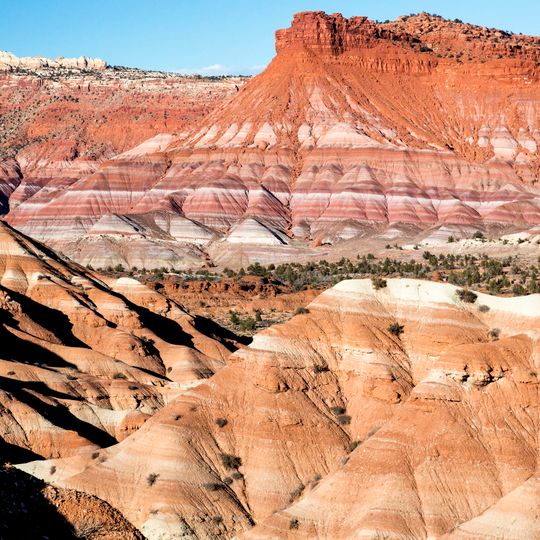
Grand Staircase–Escalante National Monument, National Monument in southern Utah, United States.
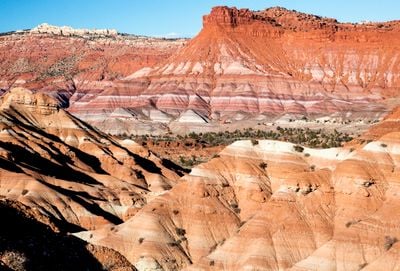
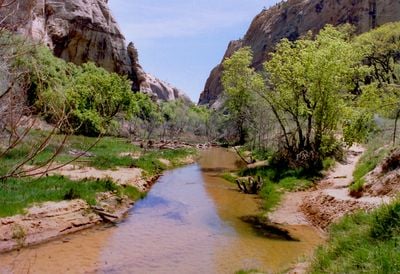
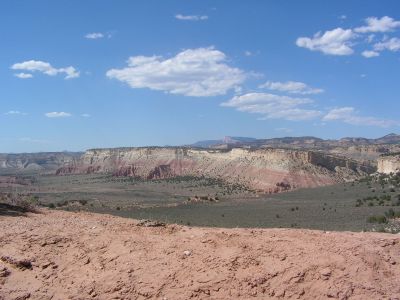
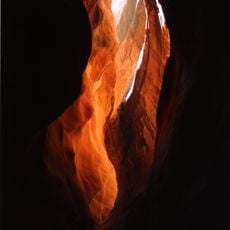
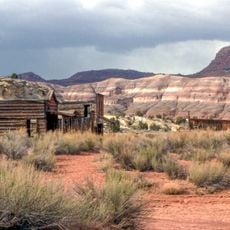
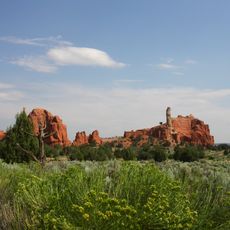
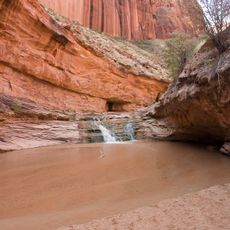
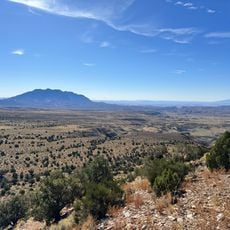
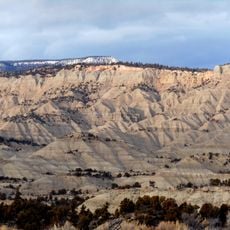
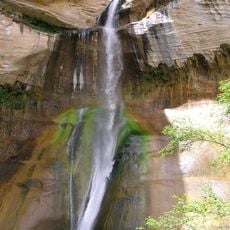
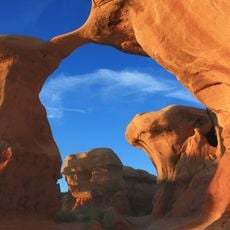
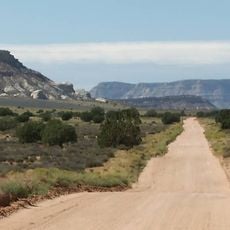
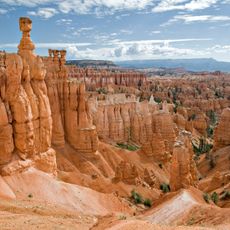
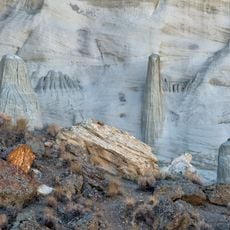
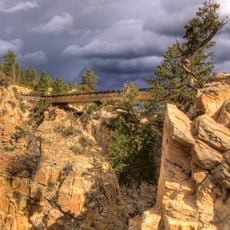
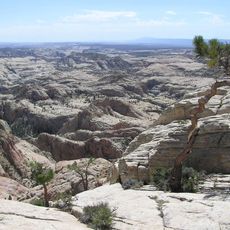
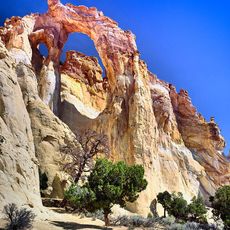
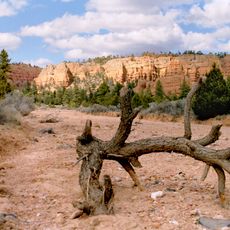
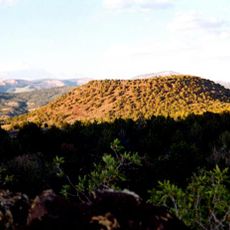
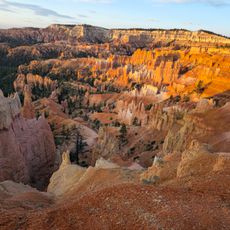
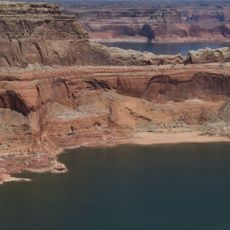
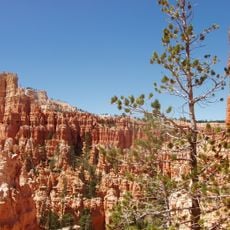
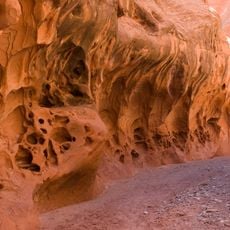
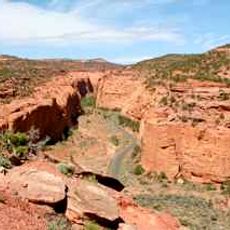
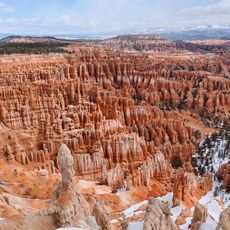
Grand Staircase-Escalante National Monument is a protected area in southern Utah covering 7700 km² (3000 square miles), divided into three large regions: Grand Staircase, Kaiparowits Plateau, and Escalante Canyons. The terrain includes a variety of desert landscapes with cliffs, mesas, and deeply carved slot canyons.
The area was designated a National Monument by President Bill Clinton in 1996, marking it as the last large part of the contiguous United States to be fully mapped. This designation preserved landscapes that had remained largely roadless for decades.
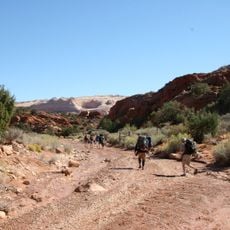
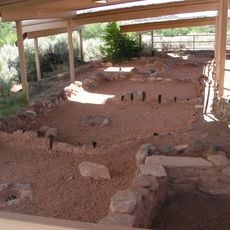
More than a dozen archaeological sites bear witness to Pueblo and Fremont groups who lived for centuries under rock overhangs and in canyon alcoves throughout these lands. Many hikers come across rock art panels and pause in the stillness of these remote areas.
Visitors need permits for overnight camping, which can be obtained at several visitor centers or at developed trailheads. The area has both primitive sites and modern campgrounds with more facilities.
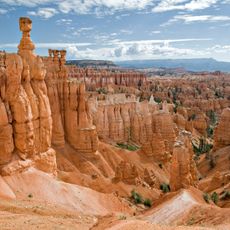
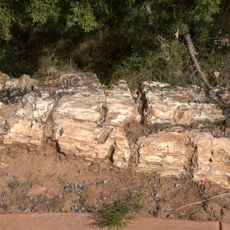
Five successive cliff layers named Pink, Grey, White, Vermillion, and Chocolate form natural geological steps that extend from Bryce Canyon down to the Grand Canyon. These rock formations developed over millions of years and show the transition between different stone layers.
The community of curious travelers
AroundUs brings together thousands of curated places, local tips, and hidden gems, enriched daily by 91,465 contributors worldwide.