In Montpellier, large fountains, botanical gardens, and Gothic churches tell of many centuries of city life.
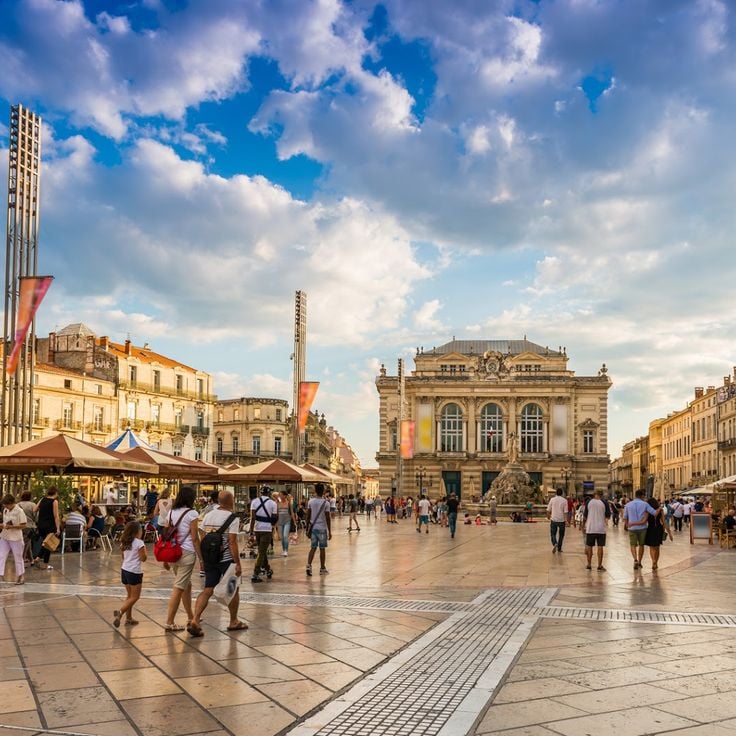
Montpellier offers a nice walk through different parts of its history. The Place de la Comédie is the center of the city, with its fountain of the Three Graces that draws visitors and locals. Moving up to the Promenade of Peyrou, you see a triumphal arch from the 18th century that overlooks the city and gives a wide view of the surroundings.
The Fabre Museum holds paintings and sculptures from seven centuries of art. Since 1593, the Botanical Garden has kept its collection of plants, creating a green and quiet stop in the middle of the city. The Saint-Pierre Cathedral stands out with its two twin gothic towers that can be seen from afar.
Walking through the streets, you notice how different parts of Montpellier show its changes. The Antigone neighborhood has buildings with simple lines, inspired by neoclassical style, while the Saint-Roch neighborhood keeps an old look with stone houses and narrow passages that invite exploration. Both areas show how the city grew while keeping its roots.
In Montpellier, large fountains, botanical gardens, and Gothic churches tell of many centuries of city life.
Montpellier offers a nice walk through different parts of its history. The Place de la Comédie is the center of the city, with its fountain of the Three Graces that draws visitors and locals. Moving up to the Promenade of Peyrou, you see a triumphal arch from the 18th century that overlooks the city and gives a wide view of the surroundings.
The Fabre Museum holds paintings and sculptures from seven centuries of art. Since 1593, the Botanical Garden has kept its collection of plants, creating a green and quiet stop in the middle of the city. The Saint-Pierre Cathedral stands out with its two twin gothic towers that can be seen from afar.
Walking through the streets, you notice how different parts of Montpellier show its changes. The Antigone neighborhood has buildings with simple lines, inspired by neoclassical style, while the Saint-Roch neighborhood keeps an old look with stone houses and narrow passages that invite exploration. Both areas show how the city grew while keeping its roots.
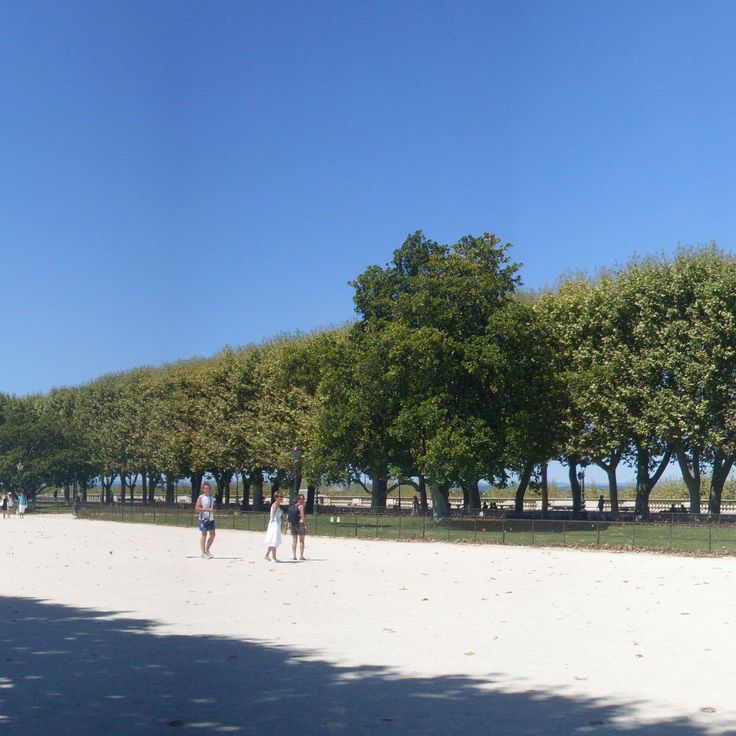
The Promenade du Peyrou is a royal promenade built in 1689 that spans 4 hectares in Montpellier. It forms a significant part of the city's medieval and classical heritage. The esplanade features a water tower at its western end, a triumphal arch on the east side, and an equestrian statue of Louis XIV. From this location, visitors enjoy expansive views over the city and surrounding landscape. The promenade connects different historical layers of Montpellier and demonstrates how the city has developed while preserving its past.
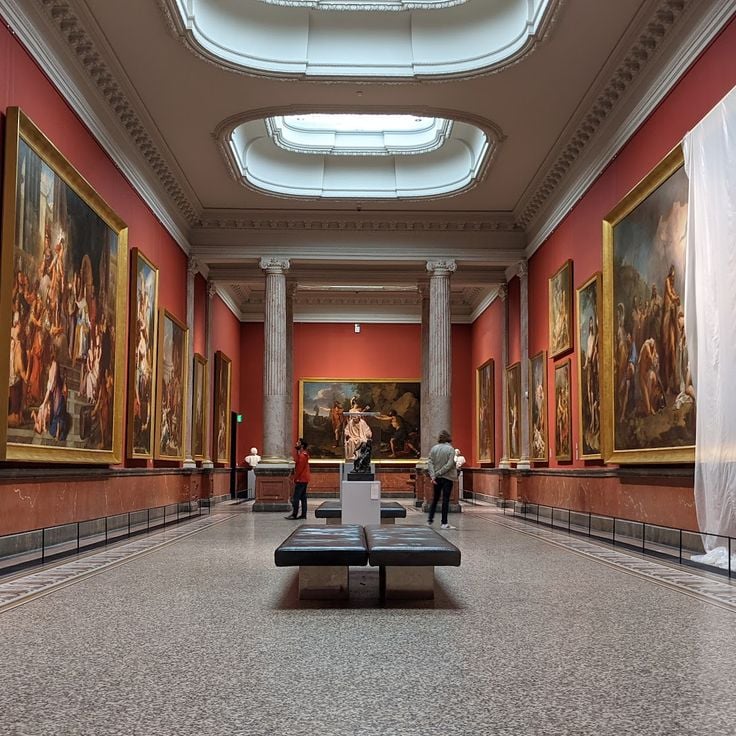
The Musée Fabre in Montpellier displays around 800 artworks spanning seven centuries. The collection brings together paintings and sculptures by French artists such as Delacroix, Courbet, and Bazille alongside works by other European masters. Located in the heart of the city, the museum serves as an important stop for anyone wanting to understand the evolution of art. The rooms invite you to move slowly from piece to piece, discovering different styles and periods.
The Hôtel de Baudon de Mauny is an 18th-century residence in Montpellier featuring historic marble floors and detailed ceiling decorations. The interior displays wall paintings and a central courtyard surrounded by stone columns. This building reflects the craftsmanship and elegance of Montpellier's classical architecture, representing one example of how the city developed while maintaining its artistic traditions across different periods.
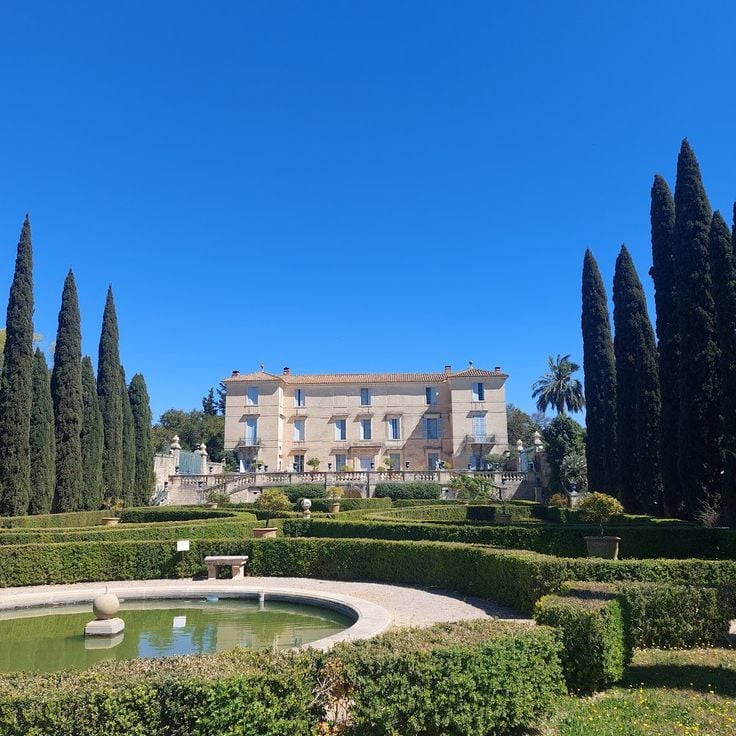
The Château de Flaugergues is an 18th-century manor house in Montpellier. It shows the city's history through its wine production facilities, period furniture, and geometric gardens. Inside, visitors can discover historical objects and craft pieces displayed in various rooms. This property tells the story of Montpellier's past and its development between medieval roots and classical architecture.
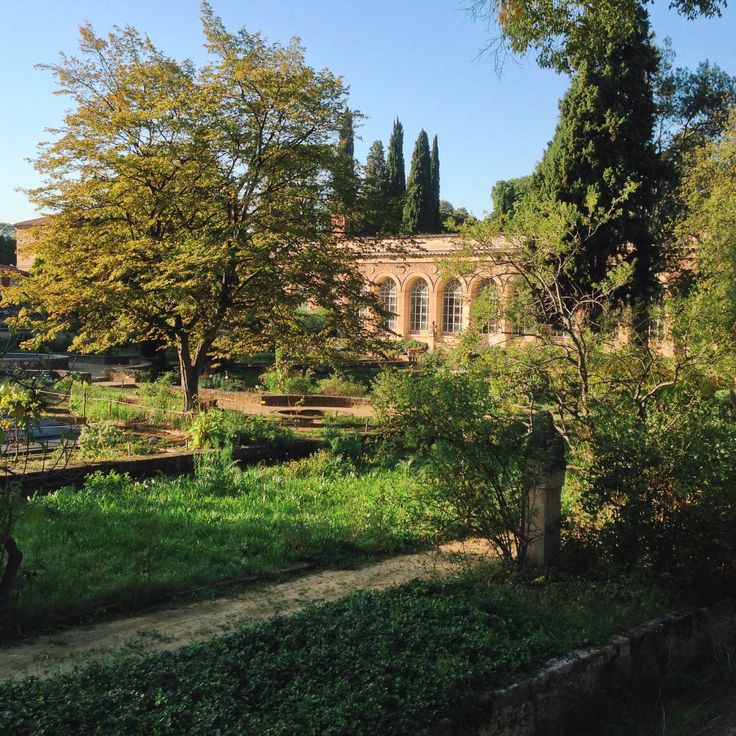
The Garden of Plants has been a botanical collection site in Montpellier since 1593. It holds thousands of plant species in historic greenhouses and offers visitors marked paths for exploration. Situated in the middle of the city, this garden provides a green space for quiet moments away from urban streets. You can see diverse climates and plant varieties displayed along clearly marked routes.
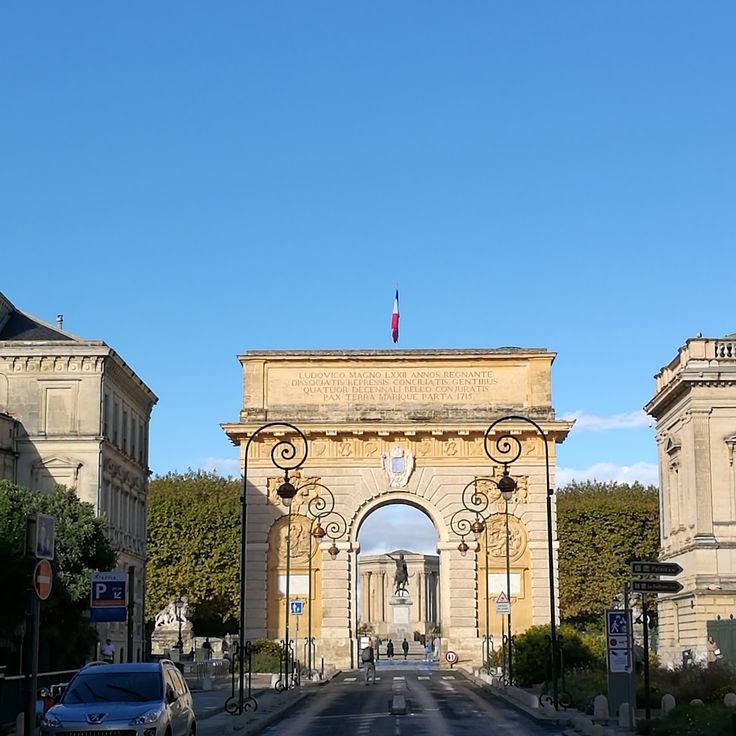
The Peyrou Gate is a triumphal arch built in 1691 that honors King Louis XIV and stands at the entrance to an elevated terrace. From this location, you can see across the city toward the Pyrenees. This structure connects Montpellier's history with its classical architecture and marks an important point in the city's development.
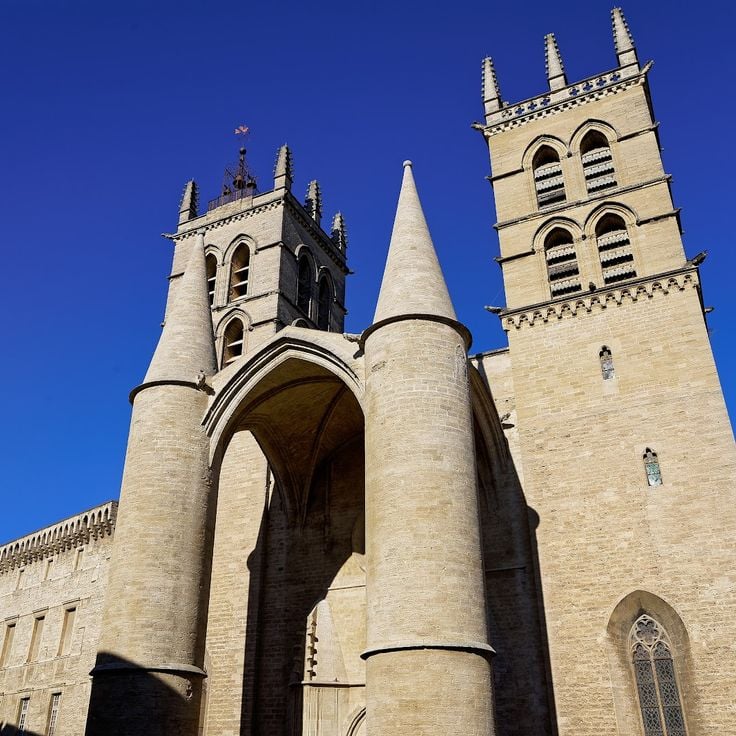
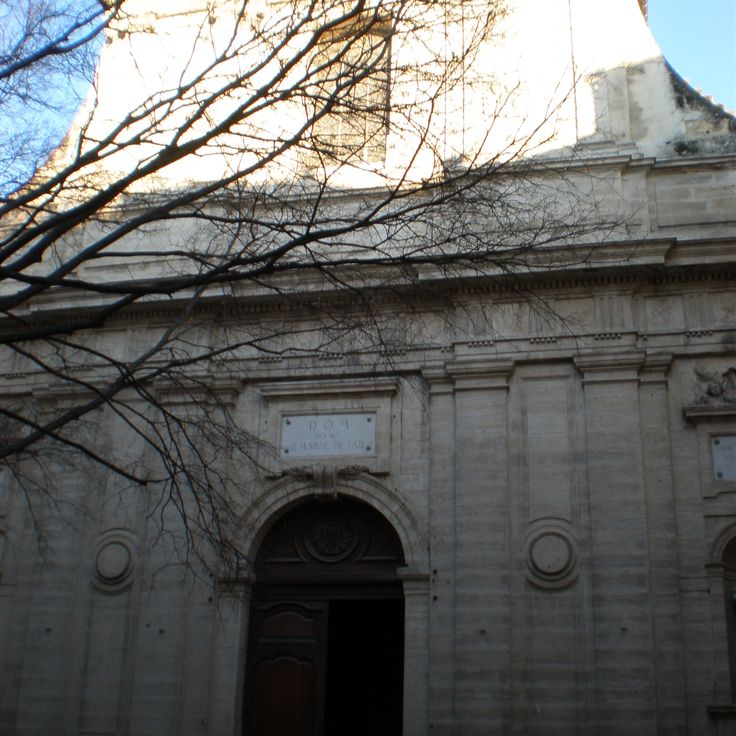
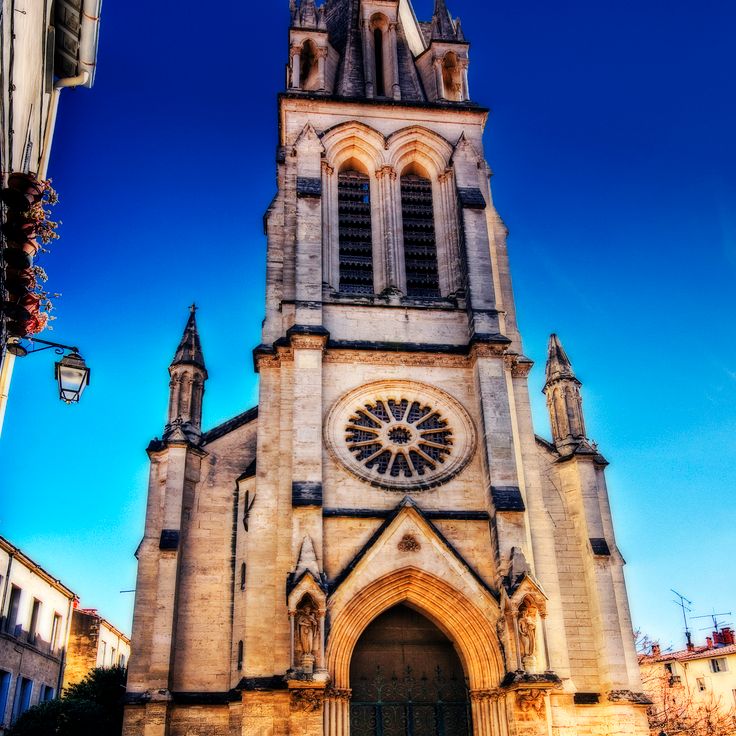
This cathedral stands in the heart of Montpellier and shapes the city's skyline with its distinctive towers from the 14th century. Two round towers rise above the surrounding buildings and are visible from many spots throughout the city. The Gothic style appears in the carved stone details and decorations of the entrance area. When you visit, you can appreciate the craftsmanship of the medieval builders and sense the history of the place.
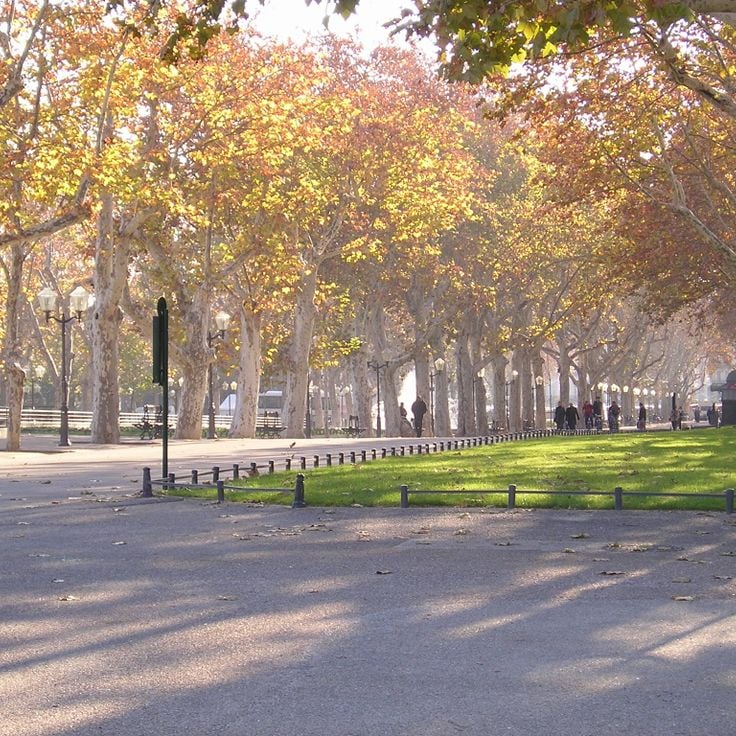
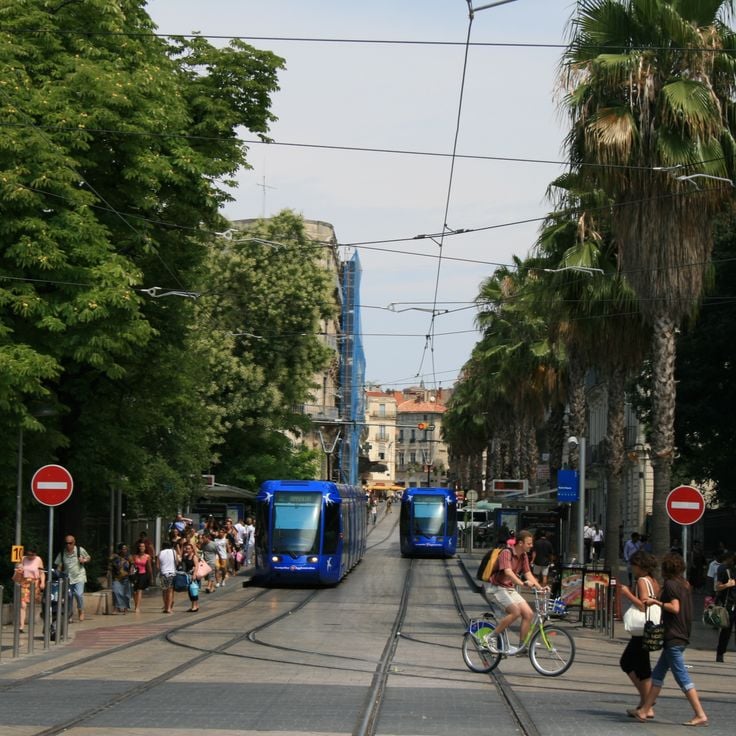
The Promenade Charles de Gaulle in Montpellier is a central pedestrian passage that connects the Place de la Comédie to the Corum cultural center. This walkway is lined with two rows of plane trees and features fountains and public seating areas. The promenade reflects how the city has connected different periods of its history and serves as an important place where visitors and residents can experience Montpellier's transformation from medieval times to the modern era.
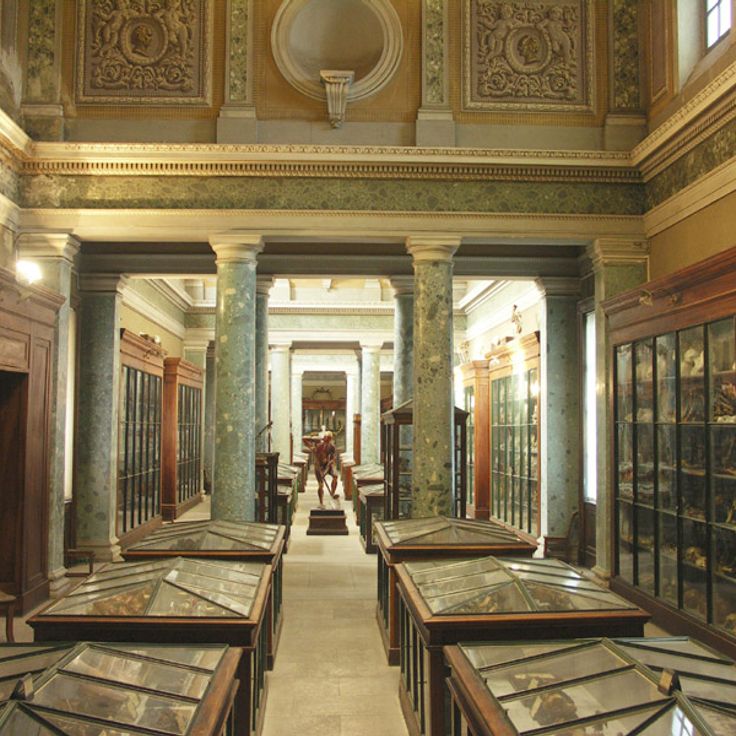
The Anatomy Museum in Montpellier holds 13000 anatomical specimens and medical instruments spanning different periods. The collection includes wax models of organs and body parts that once served as teaching tools. These objects tell the story of medical education and show how anatomical knowledge grew over time. Visitors can see how doctors and students learned and conducted their work in earlier eras.
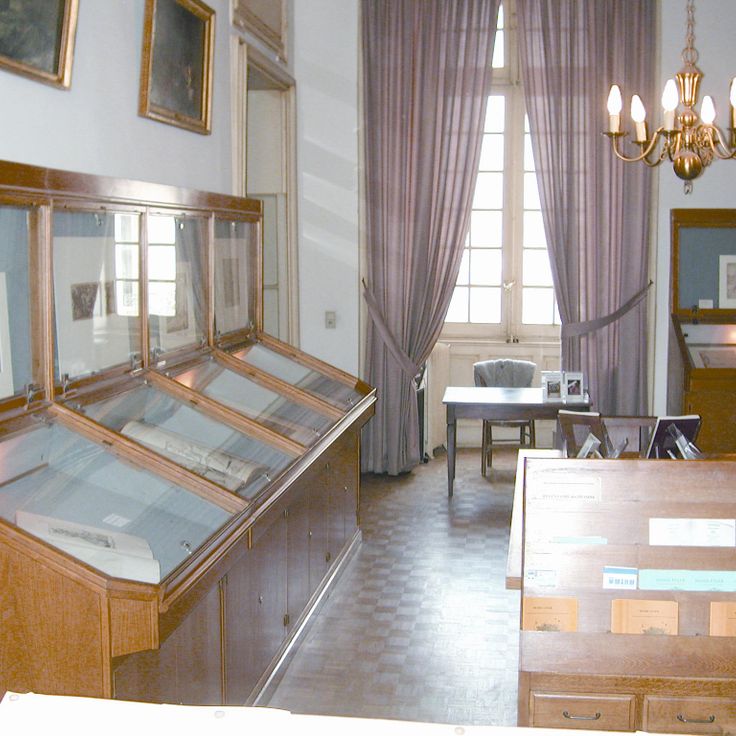
The Musée Atger in Montpellier holds a collection of drawings and prints that spans five centuries of European art. Founded in 1813 from a private collector's donation, this museum is housed within the medical faculty building. Visitors can explore works by artists from the 15th to the 19th century, including pieces from Italian, French, German, and Dutch masters. The collection reveals how artistic styles evolved and how European artists influenced one another across different regions and time periods.
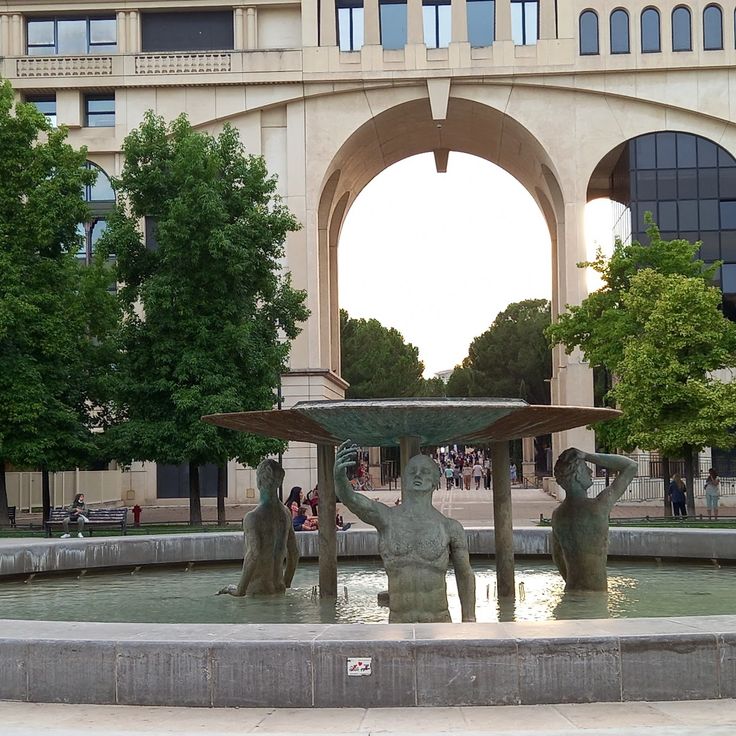
The Antigone district in Montpellier is a residential area designed by architect Ricardo Bofill in neoclassical style. The buildings feature symmetrical facades with columns, open squares, and water elements. This district stands in contrast with Montpellier's older neighborhoods and shows how the city grew in modern times while preserving its historical roots.
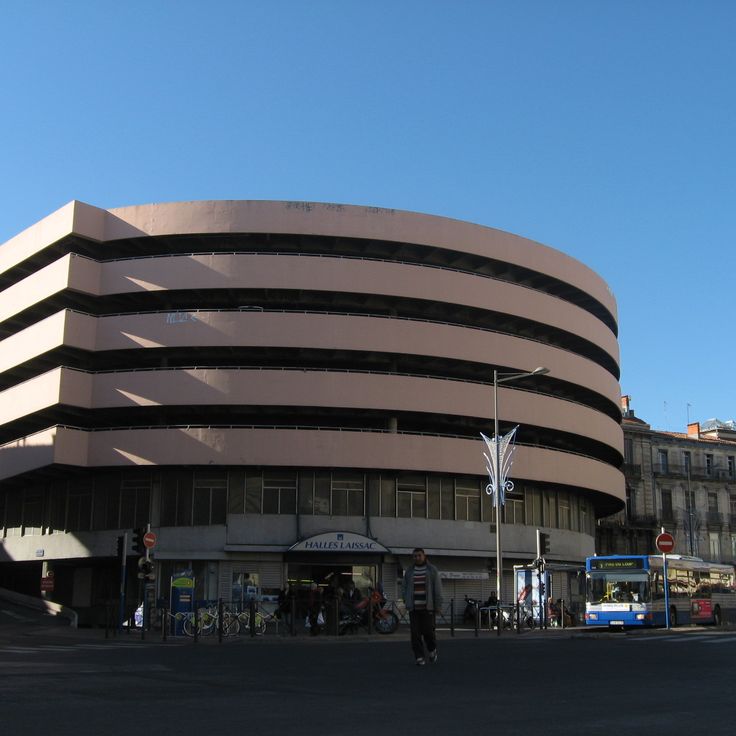
The Halles Laissac is a modern market hall in Montpellier that reflects the city's food culture. Since 2018, about 25 vendors have worked there, selling fresh produce: meat, cheese, fruits, vegetables, and regional specialties. The circular building shape brings together the tradition of market halls with contemporary design. Here you can see how people in Montpellier go about their daily lives and what products matter to the region. It is a place where local producers and buyers meet.
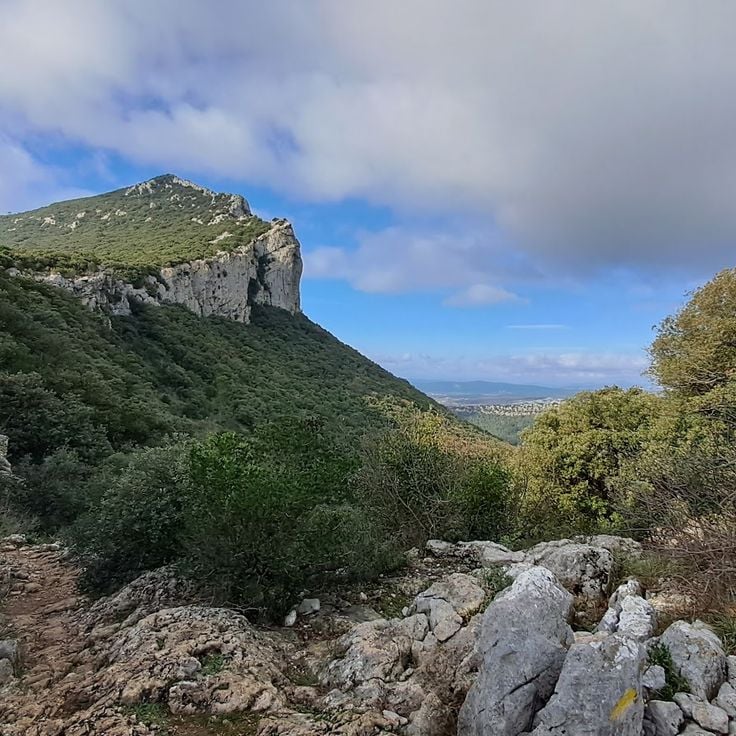
Pic Saint-Loup rises as a distinctive mountain peak in this area, reaching 658 meters in height. From the summit, hikers can see across to the Mediterranean Sea and the Cevennes mountain range. The mountain features marked trails that guide visitors to the top, with routes suited to different skill levels.
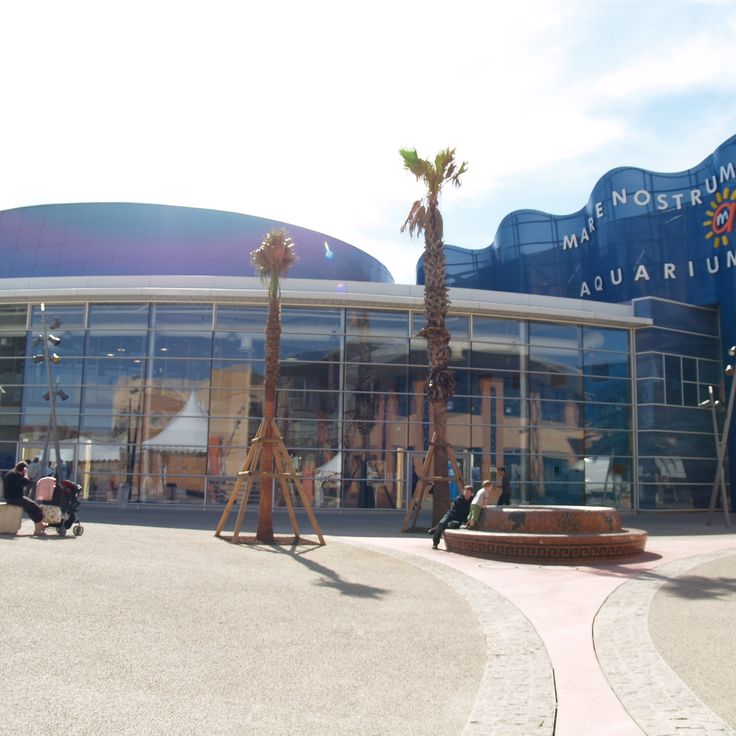
Planet Ocean is a marine center in Montpellier that adds another dimension to the city's story. Inside, visitors find different pools where sharks, jellyfish, coral reefs, and tropical fish live. Walking through these spaces, you learn how the ocean's diversity connects to human life and helps you understand the natural world beyond Montpellier's historic streets and gardens.
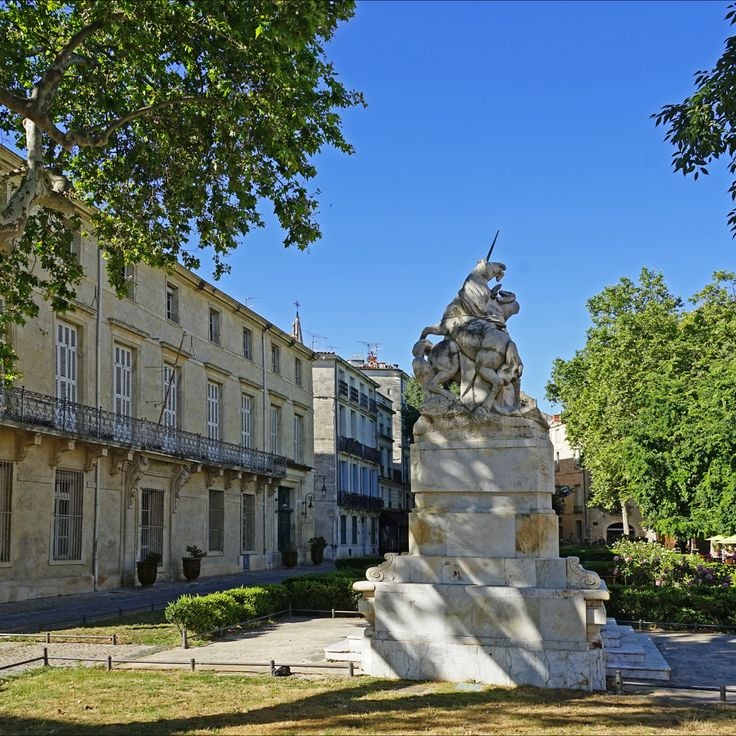
The Place de la Canourgue was built in the 1600s as Montpellier expanded beyond its medieval core. This square features stone mansions with carefully crafted facades, typical of the classical period. Mature trees in the central gardens provide shade and frame the older buildings that surround the space. Walking through Montpellier, you can see how this plaza fits into the city's journey from narrow medieval streets to more open, planned public spaces.
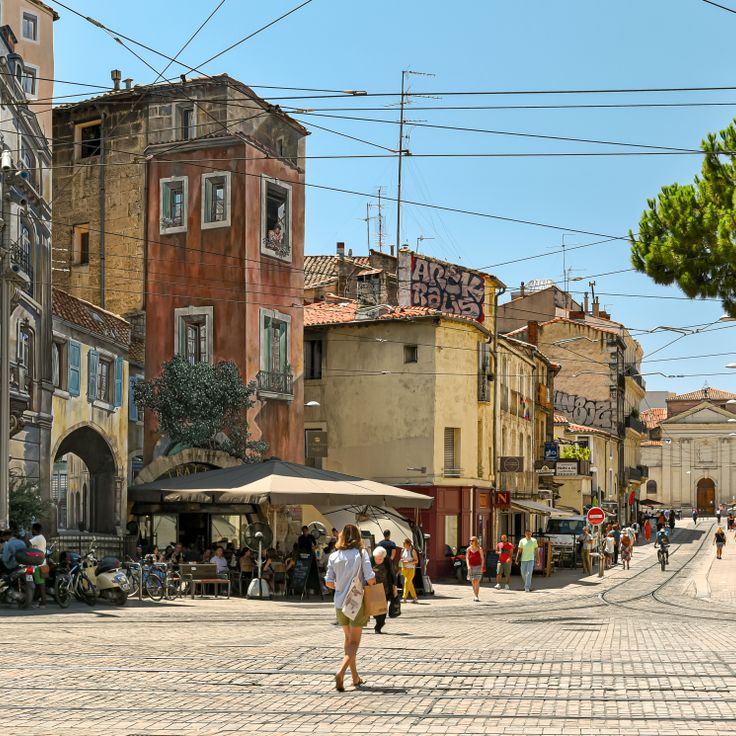
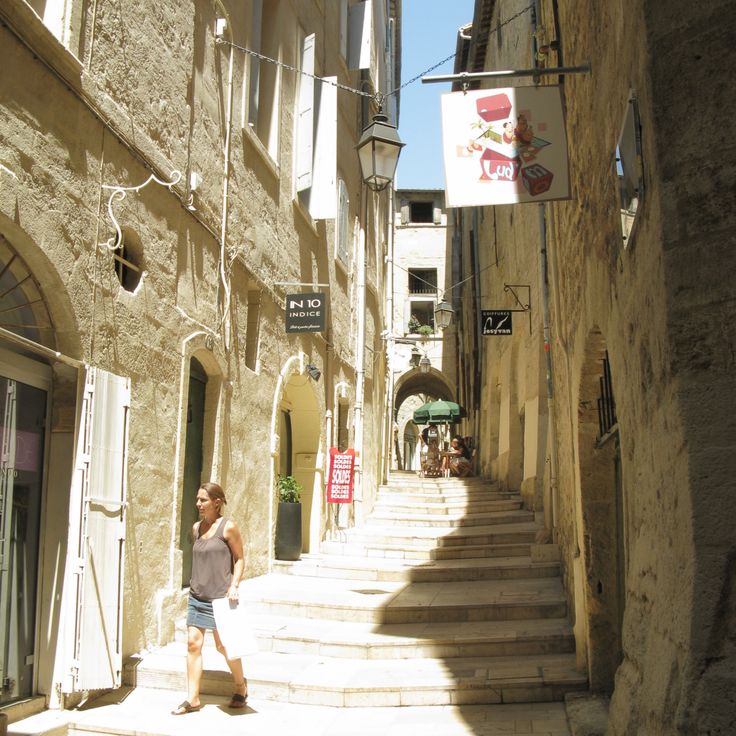
The Saint-Roch neighborhood in Montpellier carries the city's medieval character through its paved streets and stone buildings from the 17th century. Narrow pathways wind through the quarter, inviting visitors to walk slowly and discover hidden corners. Here you find independent shops and local restaurants that keep the old-town feel alive. The architecture speaks of past centuries while remaining part of daily life today, showing how this part of Montpellier has evolved while holding onto its roots.
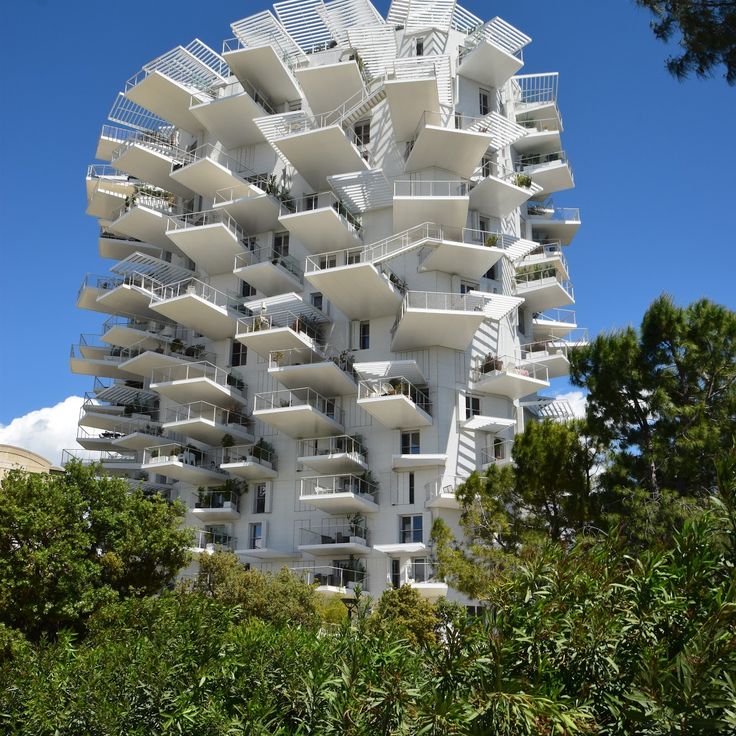
L'Arbre Blanc is a residential tower in Montpellier that stands out in the contemporary cityscape. Completed in 2019, this 17-story building features distinctive white balconies that project at varying angles, creating a striking visual rhythm. The tower adds a modern dimension to Montpellier's evolving architecture. A restaurant with a terrace on the building offers views across the city, bringing together contemporary design with everyday urban life.
Place Edouard Adam is a 19th century square in Montpellier where history and daily life meet. A stone fountain stands at its center, giving the square its distinctive character. Cafes with outdoor seating line the perimeter, offering spots where locals and visitors pause to watch the city go by. The surrounding buildings display the architectural style of that era, with their characteristic facades and proportions. The square invites you to stop for a moment and observe the rhythm of Montpellier's life.
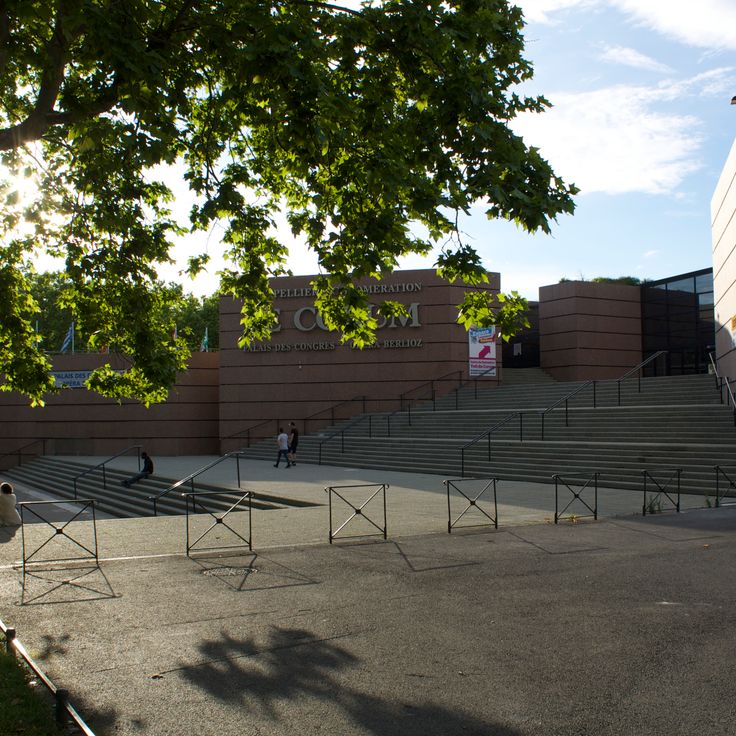
The Palais des Congrès Le Corum is a distinctive building made of pink granite that fits into Montpellier's cultural center. Inside, the Opéra Berlioz seats 2000 people and hosts high-quality musical performances. The building also contains several conference halls that host cultural programs and professional events throughout the year. With its modern architecture, this venue represents how Montpellier has developed beyond its medieval and classical heritage.
Church of Notre-Dame-des-Tables is a structure built in 1707 in Montpellier that reflects the city's architectural evolution. Its interior features a central nave and side chapels illuminated by colored stained glass. The exterior displays neoclassical style elements, showing how Montpellier transformed from medieval times to the modern era. This church stands as a bridge between the old stone neighborhoods and newer parts of the city, telling the story of the different periods that shaped Montpellier.
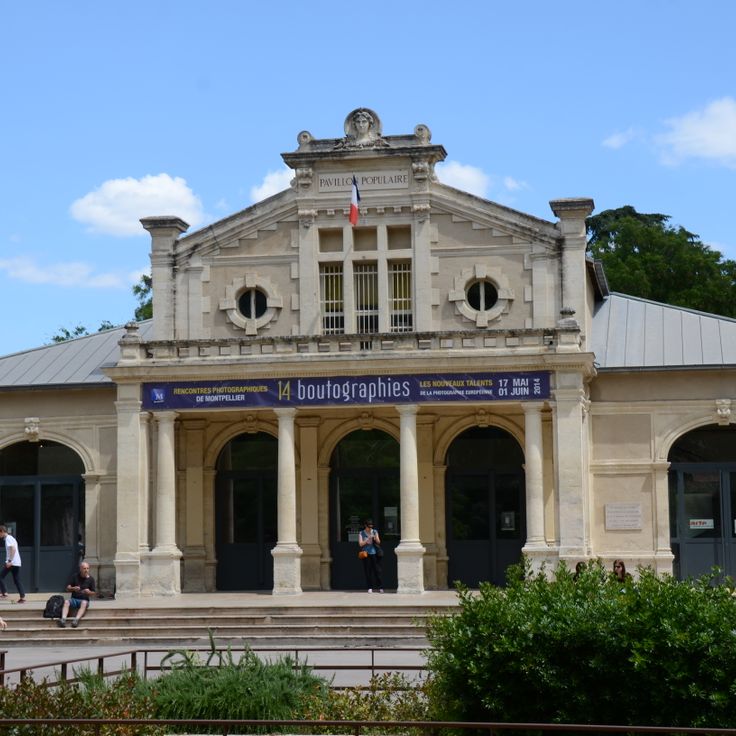
The Pavillon Populaire is a neoclassical building in the heart of Montpellier. It is dedicated to changing photography exhibitions and welcomes visitors throughout the year. Entry is free, making it an accessible place for anyone interested in photography and visual art. The building itself reflects the classical elegance that marks much of Montpellier's architecture and contributes to the diversity of the city, where medieval streets meet more contemporary structures.
The Parc Méric in Montpellier is a large green space with gardens, fruit trees, and natural areas. The estate contains a 19th century house situated along the Lez River. This park demonstrates how the city has maintained its green spaces while growing. It offers a place to walk and rest within the city.
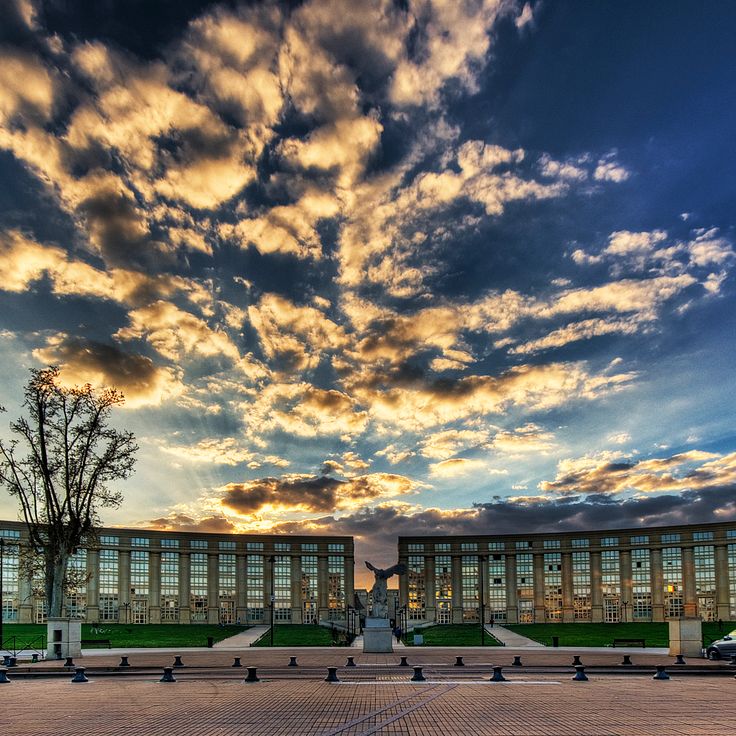
The Esplanade de l'Europe is a spacious plaza in the Antigone neighborhood, lined with neoclassical buildings on its sides. This 230-meter-long space welcomes visitors to linger, with several fountains and public seating areas dotted throughout. The esplanade shows how Montpellier designed its city in recent times while maintaining a connection to its past.
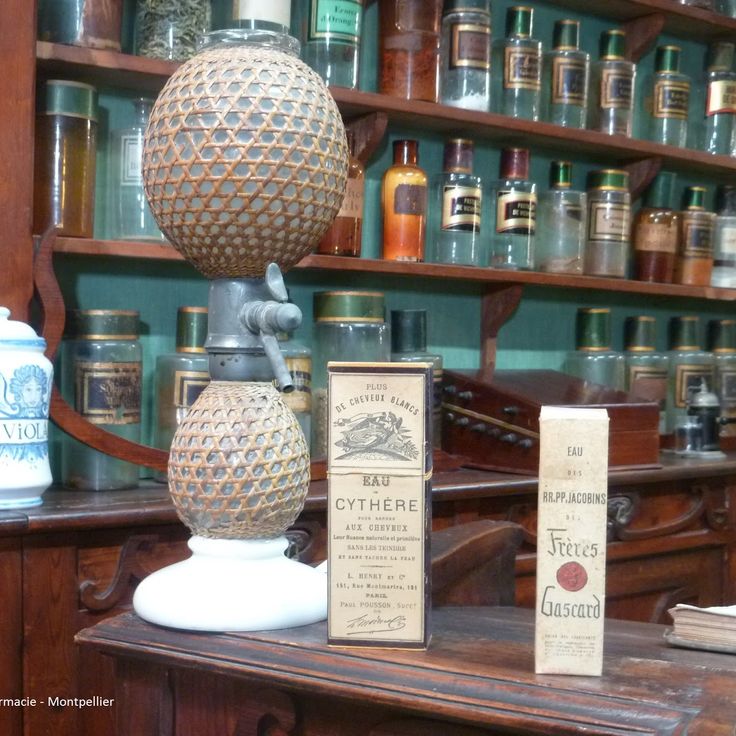
The Museum of Pharmacy in Montpellier displays collections that document medical practice across four centuries. You can see historical apothecary equipment, containers, and tools used from 1500 to 1900. These objects show how people once prepared and administered medicines. The museum sits in a city with its own long history of learning and healing arts, adding to the cultural richness that Montpellier offers through its different periods and stories.
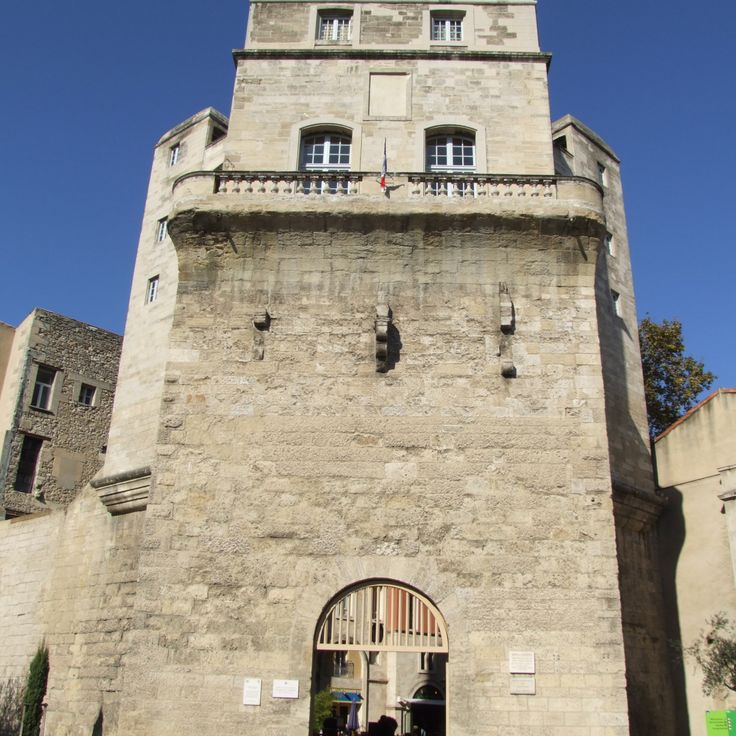
The Tower of Babote is a medieval defensive structure built around 1200 that was later transformed for scientific purposes. In the 18th century, this tower became an observatory for astronomical observation, marking the beginning of operations for the French astronomical society. The tower shows how Montpellier preserved its medieval past while adapting to new needs. Walking through the city streets, you can see how this building bridged military defense and the study of the stars, reflecting Montpellier's evolution through different ages.
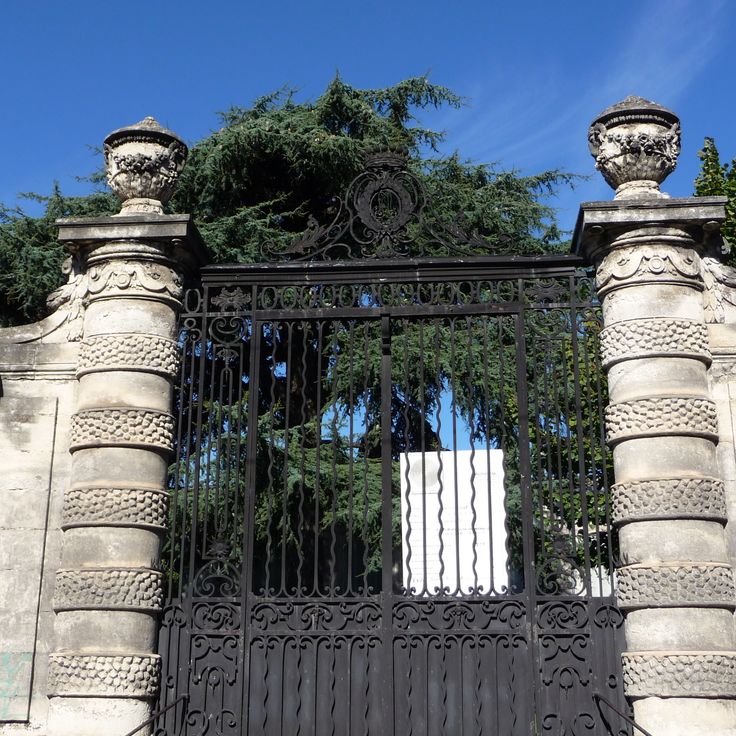
The Hôtel Haguenot is a private mansion designed in 1751 by architect Jean Antoine Giral. The building displays Rococo elements throughout its structure and features tiered garden levels. This house reflects the wealth and architectural taste that shaped Montpellier's development during the 18th century.
The Montpellier Zoo is a free attraction located north of the city across 60 hectares of land. It houses around 100 animal species in spacious enclosures designed to give animals room to move and behave naturally. This zoo complements Montpellier's medieval and classical heritage by offering visitors a different kind of experience - one focused on nature and wildlife. It provides a break from exploring the city's historic quarters and monuments.
Sainte-Anne Church in Montpellier is a former neogothic church built in 1869 that now functions as an art exhibition space. The interior was renovated in 2019 to accommodate modern exhibitions. The building demonstrates how the city has adapted its historical structures to serve contemporary cultural purposes while maintaining their architectural character.
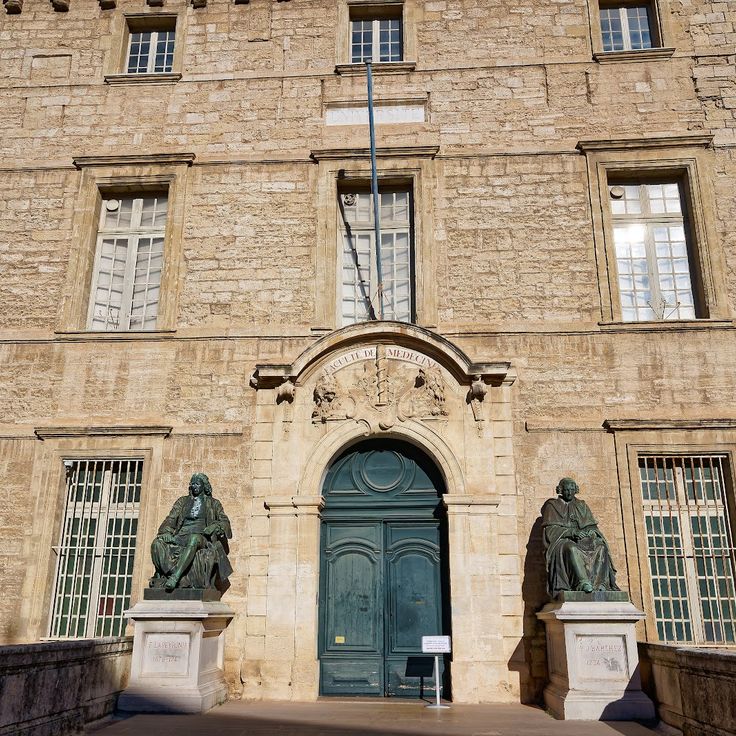
The Faculty of Medicine in Montpellier is a historic institution founded in 1220 within a former Benedictine monastery. The complex features a medieval chapel and botanical gardens used for teaching purposes. This faculty demonstrates how Montpellier became a center of learning and education over the centuries. The spaces show the continuity between the religious life of the Middle Ages and modern scientific training.
Rue du Bras de Fer is a medieval street from the 13th century that retains its original character. The path shows the craftsmanship of that era through decorative stonework and stone steps that speak to daily life centuries ago. Walking through this narrow passage reveals how Montpellier looked before it expanded in different directions.
The Place de la Comédie sits at the heart of Montpellier and serves as the city's main gathering spot. This pedestrian square draws both locals and visitors to rest around the Fontaine des Trois Grâces. The Opera building stands prominently on the square, accompanied by outdoor cafes that line the open space. The layout invites people to walk, sit, and take in the everyday rhythm of city life.
The Promenade du Peyrou is a royal promenade built in 1689 that spans 4 hectares in Montpellier. It forms a significant part of the city's medieval and classical heritage. The esplanade features a water tower at its western end, a triumphal arch on the east side, and an equestrian statue of Louis XIV. From this location, visitors enjoy expansive views over the city and surrounding landscape. The promenade connects different historical layers of Montpellier and demonstrates how the city has developed while preserving its past.
The Musée Fabre in Montpellier displays around 800 artworks spanning seven centuries. The collection brings together paintings and sculptures by French artists such as Delacroix, Courbet, and Bazille alongside works by other European masters. Located in the heart of the city, the museum serves as an important stop for anyone wanting to understand the evolution of art. The rooms invite you to move slowly from piece to piece, discovering different styles and periods.
The Hôtel de Baudon de Mauny is an 18th-century residence in Montpellier featuring historic marble floors and detailed ceiling decorations. The interior displays wall paintings and a central courtyard surrounded by stone columns. This building reflects the craftsmanship and elegance of Montpellier's classical architecture, representing one example of how the city developed while maintaining its artistic traditions across different periods.
The Château de Flaugergues is an 18th-century manor house in Montpellier. It shows the city's history through its wine production facilities, period furniture, and geometric gardens. Inside, visitors can discover historical objects and craft pieces displayed in various rooms. This property tells the story of Montpellier's past and its development between medieval roots and classical architecture.
The Garden of Plants has been a botanical collection site in Montpellier since 1593. It holds thousands of plant species in historic greenhouses and offers visitors marked paths for exploration. Situated in the middle of the city, this garden provides a green space for quiet moments away from urban streets. You can see diverse climates and plant varieties displayed along clearly marked routes.
The Peyrou Gate is a triumphal arch built in 1691 that honors King Louis XIV and stands at the entrance to an elevated terrace. From this location, you can see across the city toward the Pyrenees. This structure connects Montpellier's history with its classical architecture and marks an important point in the city's development.
This cathedral stands in the heart of Montpellier and shapes the city's skyline with its distinctive towers from the 14th century. Two round towers rise above the surrounding buildings and are visible from many spots throughout the city. The Gothic style appears in the carved stone details and decorations of the entrance area. When you visit, you can appreciate the craftsmanship of the medieval builders and sense the history of the place.
The Promenade Charles de Gaulle in Montpellier is a central pedestrian passage that connects the Place de la Comédie to the Corum cultural center. This walkway is lined with two rows of plane trees and features fountains and public seating areas. The promenade reflects how the city has connected different periods of its history and serves as an important place where visitors and residents can experience Montpellier's transformation from medieval times to the modern era.
The Anatomy Museum in Montpellier holds 13000 anatomical specimens and medical instruments spanning different periods. The collection includes wax models of organs and body parts that once served as teaching tools. These objects tell the story of medical education and show how anatomical knowledge grew over time. Visitors can see how doctors and students learned and conducted their work in earlier eras.
The Musée Atger in Montpellier holds a collection of drawings and prints that spans five centuries of European art. Founded in 1813 from a private collector's donation, this museum is housed within the medical faculty building. Visitors can explore works by artists from the 15th to the 19th century, including pieces from Italian, French, German, and Dutch masters. The collection reveals how artistic styles evolved and how European artists influenced one another across different regions and time periods.
The Antigone district in Montpellier is a residential area designed by architect Ricardo Bofill in neoclassical style. The buildings feature symmetrical facades with columns, open squares, and water elements. This district stands in contrast with Montpellier's older neighborhoods and shows how the city grew in modern times while preserving its historical roots.
The Halles Laissac is a modern market hall in Montpellier that reflects the city's food culture. Since 2018, about 25 vendors have worked there, selling fresh produce: meat, cheese, fruits, vegetables, and regional specialties. The circular building shape brings together the tradition of market halls with contemporary design. Here you can see how people in Montpellier go about their daily lives and what products matter to the region. It is a place where local producers and buyers meet.
Pic Saint-Loup rises as a distinctive mountain peak in this area, reaching 658 meters in height. From the summit, hikers can see across to the Mediterranean Sea and the Cevennes mountain range. The mountain features marked trails that guide visitors to the top, with routes suited to different skill levels.
Planet Ocean is a marine center in Montpellier that adds another dimension to the city's story. Inside, visitors find different pools where sharks, jellyfish, coral reefs, and tropical fish live. Walking through these spaces, you learn how the ocean's diversity connects to human life and helps you understand the natural world beyond Montpellier's historic streets and gardens.
The Place de la Canourgue was built in the 1600s as Montpellier expanded beyond its medieval core. This square features stone mansions with carefully crafted facades, typical of the classical period. Mature trees in the central gardens provide shade and frame the older buildings that surround the space. Walking through Montpellier, you can see how this plaza fits into the city's journey from narrow medieval streets to more open, planned public spaces.
The Saint-Roch neighborhood in Montpellier carries the city's medieval character through its paved streets and stone buildings from the 17th century. Narrow pathways wind through the quarter, inviting visitors to walk slowly and discover hidden corners. Here you find independent shops and local restaurants that keep the old-town feel alive. The architecture speaks of past centuries while remaining part of daily life today, showing how this part of Montpellier has evolved while holding onto its roots.
L'Arbre Blanc is a residential tower in Montpellier that stands out in the contemporary cityscape. Completed in 2019, this 17-story building features distinctive white balconies that project at varying angles, creating a striking visual rhythm. The tower adds a modern dimension to Montpellier's evolving architecture. A restaurant with a terrace on the building offers views across the city, bringing together contemporary design with everyday urban life.
Place Edouard Adam is a 19th century square in Montpellier where history and daily life meet. A stone fountain stands at its center, giving the square its distinctive character. Cafes with outdoor seating line the perimeter, offering spots where locals and visitors pause to watch the city go by. The surrounding buildings display the architectural style of that era, with their characteristic facades and proportions. The square invites you to stop for a moment and observe the rhythm of Montpellier's life.
The Palais des Congrès Le Corum is a distinctive building made of pink granite that fits into Montpellier's cultural center. Inside, the Opéra Berlioz seats 2000 people and hosts high-quality musical performances. The building also contains several conference halls that host cultural programs and professional events throughout the year. With its modern architecture, this venue represents how Montpellier has developed beyond its medieval and classical heritage.
Church of Notre-Dame-des-Tables is a structure built in 1707 in Montpellier that reflects the city's architectural evolution. Its interior features a central nave and side chapels illuminated by colored stained glass. The exterior displays neoclassical style elements, showing how Montpellier transformed from medieval times to the modern era. This church stands as a bridge between the old stone neighborhoods and newer parts of the city, telling the story of the different periods that shaped Montpellier.
The Pavillon Populaire is a neoclassical building in the heart of Montpellier. It is dedicated to changing photography exhibitions and welcomes visitors throughout the year. Entry is free, making it an accessible place for anyone interested in photography and visual art. The building itself reflects the classical elegance that marks much of Montpellier's architecture and contributes to the diversity of the city, where medieval streets meet more contemporary structures.
The Parc Méric in Montpellier is a large green space with gardens, fruit trees, and natural areas. The estate contains a 19th century house situated along the Lez River. This park demonstrates how the city has maintained its green spaces while growing. It offers a place to walk and rest within the city.
The Esplanade de l'Europe is a spacious plaza in the Antigone neighborhood, lined with neoclassical buildings on its sides. This 230-meter-long space welcomes visitors to linger, with several fountains and public seating areas dotted throughout. The esplanade shows how Montpellier designed its city in recent times while maintaining a connection to its past.
The Museum of Pharmacy in Montpellier displays collections that document medical practice across four centuries. You can see historical apothecary equipment, containers, and tools used from 1500 to 1900. These objects show how people once prepared and administered medicines. The museum sits in a city with its own long history of learning and healing arts, adding to the cultural richness that Montpellier offers through its different periods and stories.
The Tower of Babote is a medieval defensive structure built around 1200 that was later transformed for scientific purposes. In the 18th century, this tower became an observatory for astronomical observation, marking the beginning of operations for the French astronomical society. The tower shows how Montpellier preserved its medieval past while adapting to new needs. Walking through the city streets, you can see how this building bridged military defense and the study of the stars, reflecting Montpellier's evolution through different ages.
The Hôtel Haguenot is a private mansion designed in 1751 by architect Jean Antoine Giral. The building displays Rococo elements throughout its structure and features tiered garden levels. This house reflects the wealth and architectural taste that shaped Montpellier's development during the 18th century.
The Montpellier Zoo is a free attraction located north of the city across 60 hectares of land. It houses around 100 animal species in spacious enclosures designed to give animals room to move and behave naturally. This zoo complements Montpellier's medieval and classical heritage by offering visitors a different kind of experience - one focused on nature and wildlife. It provides a break from exploring the city's historic quarters and monuments.
Sainte-Anne Church in Montpellier is a former neogothic church built in 1869 that now functions as an art exhibition space. The interior was renovated in 2019 to accommodate modern exhibitions. The building demonstrates how the city has adapted its historical structures to serve contemporary cultural purposes while maintaining their architectural character.
The Faculty of Medicine in Montpellier is a historic institution founded in 1220 within a former Benedictine monastery. The complex features a medieval chapel and botanical gardens used for teaching purposes. This faculty demonstrates how Montpellier became a center of learning and education over the centuries. The spaces show the continuity between the religious life of the Middle Ages and modern scientific training.
Rue du Bras de Fer is a medieval street from the 13th century that retains its original character. The path shows the craftsmanship of that era through decorative stonework and stone steps that speak to daily life centuries ago. Walking through this narrow passage reveals how Montpellier looked before it expanded in different directions.
The Place de la Comédie sits at the heart of Montpellier and serves as the city's main gathering spot. This pedestrian square draws both locals and visitors to rest around the Fontaine des Trois Grâces. The Opera building stands prominently on the square, accompanied by outdoor cafes that line the open space. The layout invites people to walk, sit, and take in the everyday rhythm of city life.
The Promenade du Peyrou is a royal promenade built in 1689 that spans 4 hectares in Montpellier. It forms a significant part of the city's medieval and classical heritage. The esplanade features a water tower at its western end, a triumphal arch on the east side, and an equestrian statue of Louis XIV. From this location, visitors enjoy expansive views over the city and surrounding landscape. The promenade connects different historical layers of Montpellier and demonstrates how the city has developed while preserving its past.
The Musée Fabre in Montpellier displays around 800 artworks spanning seven centuries. The collection brings together paintings and sculptures by French artists such as Delacroix, Courbet, and Bazille alongside works by other European masters. Located in the heart of the city, the museum serves as an important stop for anyone wanting to understand the evolution of art. The rooms invite you to move slowly from piece to piece, discovering different styles and periods.
The Hôtel de Baudon de Mauny is an 18th-century residence in Montpellier featuring historic marble floors and detailed ceiling decorations. The interior displays wall paintings and a central courtyard surrounded by stone columns. This building reflects the craftsmanship and elegance of Montpellier's classical architecture, representing one example of how the city developed while maintaining its artistic traditions across different periods.
The Château de Flaugergues is an 18th-century manor house in Montpellier. It shows the city's history through its wine production facilities, period furniture, and geometric gardens. Inside, visitors can discover historical objects and craft pieces displayed in various rooms. This property tells the story of Montpellier's past and its development between medieval roots and classical architecture.
The Garden of Plants has been a botanical collection site in Montpellier since 1593. It holds thousands of plant species in historic greenhouses and offers visitors marked paths for exploration. Situated in the middle of the city, this garden provides a green space for quiet moments away from urban streets. You can see diverse climates and plant varieties displayed along clearly marked routes.
The Peyrou Gate is a triumphal arch built in 1691 that honors King Louis XIV and stands at the entrance to an elevated terrace. From this location, you can see across the city toward the Pyrenees. This structure connects Montpellier's history with its classical architecture and marks an important point in the city's development.
This cathedral stands in the heart of Montpellier and shapes the city's skyline with its distinctive towers from the 14th century. Two round towers rise above the surrounding buildings and are visible from many spots throughout the city. The Gothic style appears in the carved stone details and decorations of the entrance area. When you visit, you can appreciate the craftsmanship of the medieval builders and sense the history of the place.
The Promenade Charles de Gaulle in Montpellier is a central pedestrian passage that connects the Place de la Comédie to the Corum cultural center. This walkway is lined with two rows of plane trees and features fountains and public seating areas. The promenade reflects how the city has connected different periods of its history and serves as an important place where visitors and residents can experience Montpellier's transformation from medieval times to the modern era.
The Anatomy Museum in Montpellier holds 13000 anatomical specimens and medical instruments spanning different periods. The collection includes wax models of organs and body parts that once served as teaching tools. These objects tell the story of medical education and show how anatomical knowledge grew over time. Visitors can see how doctors and students learned and conducted their work in earlier eras.
The Musée Atger in Montpellier holds a collection of drawings and prints that spans five centuries of European art. Founded in 1813 from a private collector's donation, this museum is housed within the medical faculty building. Visitors can explore works by artists from the 15th to the 19th century, including pieces from Italian, French, German, and Dutch masters. The collection reveals how artistic styles evolved and how European artists influenced one another across different regions and time periods.
The Antigone district in Montpellier is a residential area designed by architect Ricardo Bofill in neoclassical style. The buildings feature symmetrical facades with columns, open squares, and water elements. This district stands in contrast with Montpellier's older neighborhoods and shows how the city grew in modern times while preserving its historical roots.
The Halles Laissac is a modern market hall in Montpellier that reflects the city's food culture. Since 2018, about 25 vendors have worked there, selling fresh produce: meat, cheese, fruits, vegetables, and regional specialties. The circular building shape brings together the tradition of market halls with contemporary design. Here you can see how people in Montpellier go about their daily lives and what products matter to the region. It is a place where local producers and buyers meet.
Pic Saint-Loup rises as a distinctive mountain peak in this area, reaching 658 meters in height. From the summit, hikers can see across to the Mediterranean Sea and the Cevennes mountain range. The mountain features marked trails that guide visitors to the top, with routes suited to different skill levels.
Planet Ocean is a marine center in Montpellier that adds another dimension to the city's story. Inside, visitors find different pools where sharks, jellyfish, coral reefs, and tropical fish live. Walking through these spaces, you learn how the ocean's diversity connects to human life and helps you understand the natural world beyond Montpellier's historic streets and gardens.
The Place de la Canourgue was built in the 1600s as Montpellier expanded beyond its medieval core. This square features stone mansions with carefully crafted facades, typical of the classical period. Mature trees in the central gardens provide shade and frame the older buildings that surround the space. Walking through Montpellier, you can see how this plaza fits into the city's journey from narrow medieval streets to more open, planned public spaces.
The Saint-Roch neighborhood in Montpellier carries the city's medieval character through its paved streets and stone buildings from the 17th century. Narrow pathways wind through the quarter, inviting visitors to walk slowly and discover hidden corners. Here you find independent shops and local restaurants that keep the old-town feel alive. The architecture speaks of past centuries while remaining part of daily life today, showing how this part of Montpellier has evolved while holding onto its roots.
L'Arbre Blanc is a residential tower in Montpellier that stands out in the contemporary cityscape. Completed in 2019, this 17-story building features distinctive white balconies that project at varying angles, creating a striking visual rhythm. The tower adds a modern dimension to Montpellier's evolving architecture. A restaurant with a terrace on the building offers views across the city, bringing together contemporary design with everyday urban life.
Place Edouard Adam is a 19th century square in Montpellier where history and daily life meet. A stone fountain stands at its center, giving the square its distinctive character. Cafes with outdoor seating line the perimeter, offering spots where locals and visitors pause to watch the city go by. The surrounding buildings display the architectural style of that era, with their characteristic facades and proportions. The square invites you to stop for a moment and observe the rhythm of Montpellier's life.
The Palais des Congrès Le Corum is a distinctive building made of pink granite that fits into Montpellier's cultural center. Inside, the Opéra Berlioz seats 2000 people and hosts high-quality musical performances. The building also contains several conference halls that host cultural programs and professional events throughout the year. With its modern architecture, this venue represents how Montpellier has developed beyond its medieval and classical heritage.
Church of Notre-Dame-des-Tables is a structure built in 1707 in Montpellier that reflects the city's architectural evolution. Its interior features a central nave and side chapels illuminated by colored stained glass. The exterior displays neoclassical style elements, showing how Montpellier transformed from medieval times to the modern era. This church stands as a bridge between the old stone neighborhoods and newer parts of the city, telling the story of the different periods that shaped Montpellier.
The Pavillon Populaire is a neoclassical building in the heart of Montpellier. It is dedicated to changing photography exhibitions and welcomes visitors throughout the year. Entry is free, making it an accessible place for anyone interested in photography and visual art. The building itself reflects the classical elegance that marks much of Montpellier's architecture and contributes to the diversity of the city, where medieval streets meet more contemporary structures.
The Parc Méric in Montpellier is a large green space with gardens, fruit trees, and natural areas. The estate contains a 19th century house situated along the Lez River. This park demonstrates how the city has maintained its green spaces while growing. It offers a place to walk and rest within the city.
The Esplanade de l'Europe is a spacious plaza in the Antigone neighborhood, lined with neoclassical buildings on its sides. This 230-meter-long space welcomes visitors to linger, with several fountains and public seating areas dotted throughout. The esplanade shows how Montpellier designed its city in recent times while maintaining a connection to its past.
The Museum of Pharmacy in Montpellier displays collections that document medical practice across four centuries. You can see historical apothecary equipment, containers, and tools used from 1500 to 1900. These objects show how people once prepared and administered medicines. The museum sits in a city with its own long history of learning and healing arts, adding to the cultural richness that Montpellier offers through its different periods and stories.
The Tower of Babote is a medieval defensive structure built around 1200 that was later transformed for scientific purposes. In the 18th century, this tower became an observatory for astronomical observation, marking the beginning of operations for the French astronomical society. The tower shows how Montpellier preserved its medieval past while adapting to new needs. Walking through the city streets, you can see how this building bridged military defense and the study of the stars, reflecting Montpellier's evolution through different ages.
The Hôtel Haguenot is a private mansion designed in 1751 by architect Jean Antoine Giral. The building displays Rococo elements throughout its structure and features tiered garden levels. This house reflects the wealth and architectural taste that shaped Montpellier's development during the 18th century.
The Montpellier Zoo is a free attraction located north of the city across 60 hectares of land. It houses around 100 animal species in spacious enclosures designed to give animals room to move and behave naturally. This zoo complements Montpellier's medieval and classical heritage by offering visitors a different kind of experience - one focused on nature and wildlife. It provides a break from exploring the city's historic quarters and monuments.
Sainte-Anne Church in Montpellier is a former neogothic church built in 1869 that now functions as an art exhibition space. The interior was renovated in 2019 to accommodate modern exhibitions. The building demonstrates how the city has adapted its historical structures to serve contemporary cultural purposes while maintaining their architectural character.
The Faculty of Medicine in Montpellier is a historic institution founded in 1220 within a former Benedictine monastery. The complex features a medieval chapel and botanical gardens used for teaching purposes. This faculty demonstrates how Montpellier became a center of learning and education over the centuries. The spaces show the continuity between the religious life of the Middle Ages and modern scientific training.
Rue du Bras de Fer is a medieval street from the 13th century that retains its original character. The path shows the craftsmanship of that era through decorative stonework and stone steps that speak to daily life centuries ago. Walking through this narrow passage reveals how Montpellier looked before it expanded in different directions.
The Place de la Comédie sits at the heart of Montpellier and serves as the city's main gathering spot. This pedestrian square draws both locals and visitors to rest around the Fontaine des Trois Grâces. The Opera building stands prominently on the square, accompanied by outdoor cafes that line the open space. The layout invites people to walk, sit, and take in the everyday rhythm of city life.
Montpellier shows itself as you walk. The Comédie Place beats with the rhythm of city life, with its Three Graces fountain where pedestrians and visitors meet. Walking up the Peyrou walkway, you reach an 18th-century arch that offers a clear view of the area around.
The Fabre Museum displays paintings and sculptures from seven hundred years. The Gardens of Plants, open since 1593, hold collections of plants for a break in the city center. Saint Pierre Cathedral stands out with its two Gothic towers.
As you explore, you see how the city has changed. The Antigone neighborhood has buildings with simple shapes inspired by neoclassical style. Saint Rouch keeps its stone houses and narrow streets that invite discovery. The city shows its growth while keeping its old parts.
When you visit Montpellier, take your time to walk without a fixed route. The streets have surprises at every turn: a quiet little square, a decorated wall, a hidden alley. Locals know the best places to stop for coffee. Check museum hours before visiting, as some close on Mondays or early mornings.