See the monuments around you in AROpen chests in the app
Around Us is built for your phone — point your camera at the streets and discover the monuments and places around you in augmented reality.Around Us is built for your phone — chests unlock when you walk, explore and capture nearby places.
Alabama holds many out-of-the-way places that tell the story of the state's history and natural world. Visitors can explore underground caves like Dismals Canyon, where light filters through narrow openings, or wander through museums such as the Berman Museum of World History and the Holmes Medical Museum. Natural features like Natural Bridge, Noccalula Falls, and Little River Canyon show Alabama's geological variety. Historical sites like the Moundville Archaeological Site and the Frank Lloyd Wright-Rosenbaum House preserve traces of earlier times.
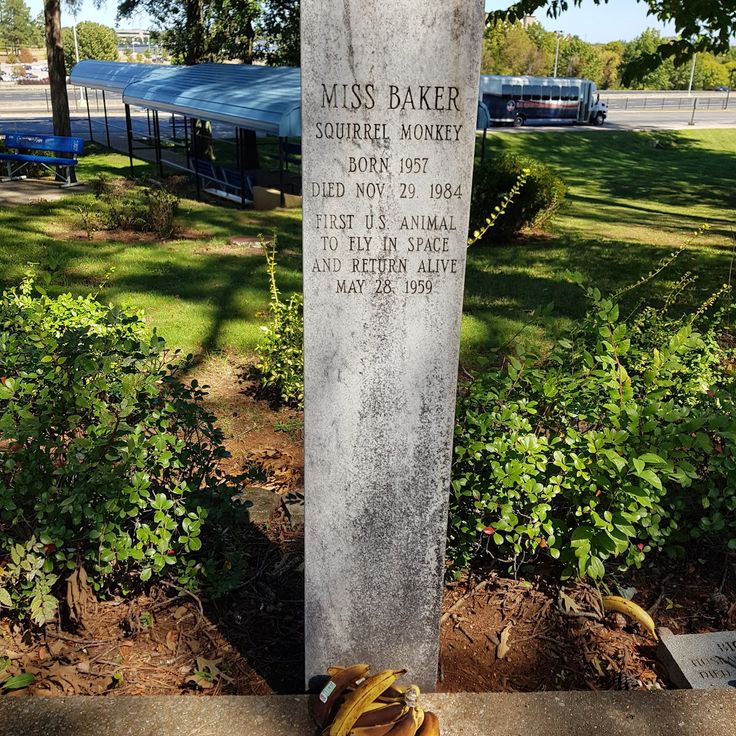
This collection also includes places that reflect local history and culture. In Huntsville, the Grave of Miss Baker tells a moving story about a deceased elephant, while Dead Children's Playground is a memorable spot with an interesting past. Afrikatown in Mobile documents the heritage of enslaved people who shaped the city. Artistic and architectural works like Bamahenge near Elberta or Tinglewood Carvings show creative expressions embedded in the landscape.
Whether interested in geology, history, or human stories, Alabama offers places worth seeking out. From Sloss Furnaces, a landmark of industrial history, to Ave Maria Grotto, a hand-crafted sanctuary, each location tells its own story and contributes to understanding this multifaceted state.
Alabama holds many out-of-the-way places that tell the story of the state's history and natural world. Visitors can explore underground caves like Dismals Canyon, where light filters through narrow openings, or wander through museums such as the Berman Museum of World History and the Holmes Medical Museum. Natural features like Natural Bridge, Noccalula Falls, and Little River Canyon show Alabama's geological variety. Historical sites like the Moundville Archaeological Site and the Frank Lloyd Wright-Rosenbaum House preserve traces of earlier times.
This collection also includes places that reflect local history and culture. In Huntsville, the Grave of Miss Baker tells a moving story about a deceased elephant, while Dead Children's Playground is a memorable spot with an interesting past. Afrikatown in Mobile documents the heritage of enslaved people who shaped the city. Artistic and architectural works like Bamahenge near Elberta or Tinglewood Carvings show creative expressions embedded in the landscape.
Whether interested in geology, history, or human stories, Alabama offers places worth seeking out. From Sloss Furnaces, a landmark of industrial history, to Ave Maria Grotto, a hand-crafted sanctuary, each location tells its own story and contributes to understanding this multifaceted state.
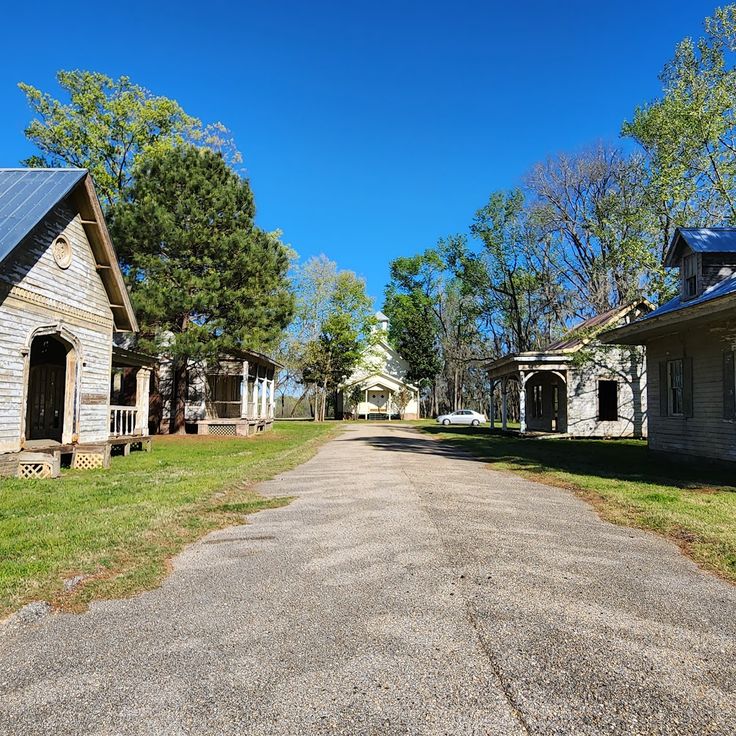
The Spectre Set Ruins are part of Alabama's hidden places that hold stories and history. This abandoned movie set from the 2003 film Big Fish sits in Millbrook. Visitors can walk through deteriorating wooden buildings and facades along the Cypress Inlet. The remains of the set show how temporary structures merge with time and nature.
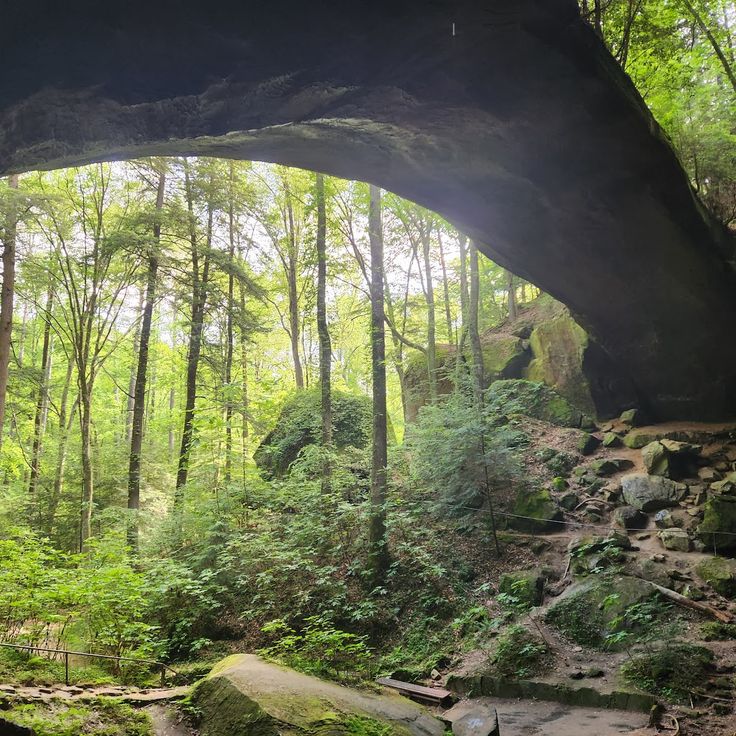
This Natural Bridge is a remarkable sandstone formation that spans approximately 148 feet and rises about 60 feet high. It was created over 200 million years ago through natural erosion processes. The bridge contains visible plant fossils that offer glimpses into Alabama's geological past. This geological feature demonstrates the variety of natural formations found across the state and invites visitors to explore the forces of nature that shaped this structure over millions of years.
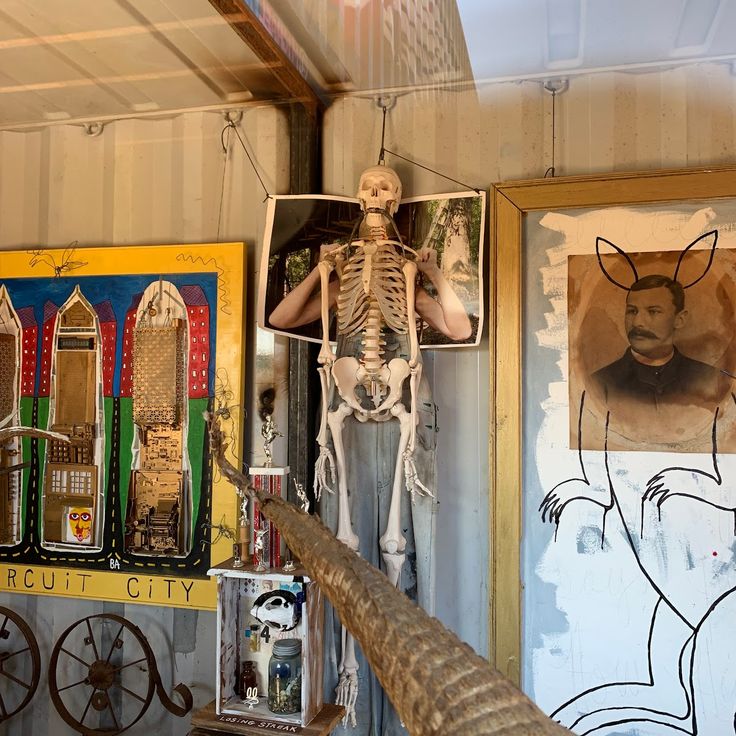
The Museum of Wonder in Seale is a private collection of found objects, taxidermy specimens, and handcrafted art pieces displayed in a former 1930s general store building. This location fits within Alabama's collection of places that preserve local history and creative expressions, similar to Bamahenge or Tinglewood Carvings, which showcase artistic works embedded in the landscape.
The Grave of Miss Baker is a memorial at the U.S. Space and Rocket Center that marks an important chapter in American spaceflight. Miss Baker was a squirrel monkey who flew on a Jupiter mission in 1959 and lived until 1984. Her resting place in Huntsville preserves the story of early space exploration and the animals that helped scientists understand what it took to survive in space. This modest site reminds visitors of the crucial role that creatures like Miss Baker played before humans ventured into the cosmos.
Dismals Canyon is a sandstone gorge in Phil Campbell and ranks among Alabama's out-of-the-way natural sites. On the damp walls of this canyon live bioluminescent insects known as dismalites. During spring and autumn, these insects produce blue points of light in the darkness. The canyon demonstrates the geological character of the region and offers insight into Alabama's natural history.
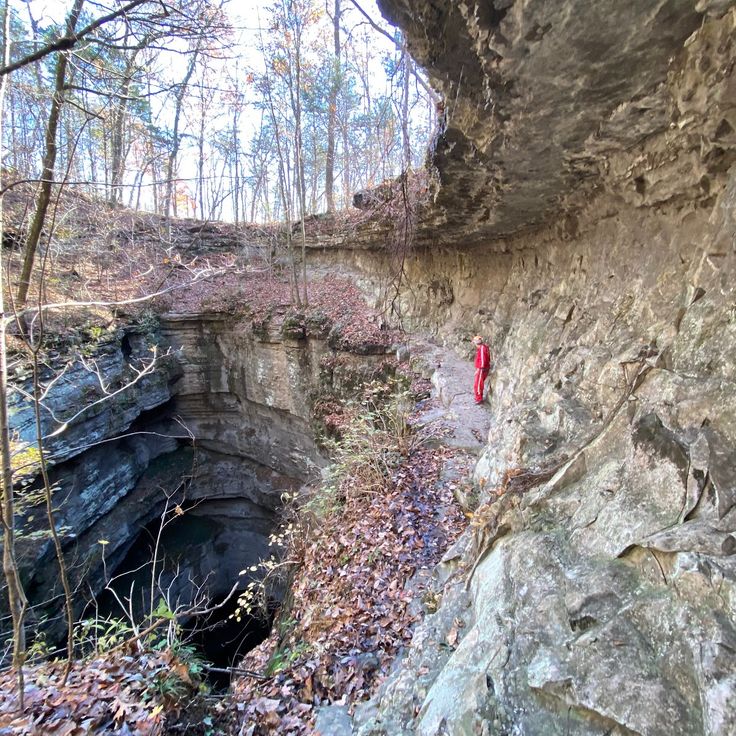
Neversink Pit is a vertical limestone sinkhole and one of Alabama's hidden geological treasures. Dropping about 162 feet deep and measuring 40 feet wide, this place displays the dramatic rock formations found throughout the state. Waterfalls stream down its walls, creating a moist setting where rare ferns and plants grow. As part of a collection of out-of-the-way locations that tell Alabama's story, Neversink Pit offers visitors a chance to see the state's underground wonders and understand its geological variety.
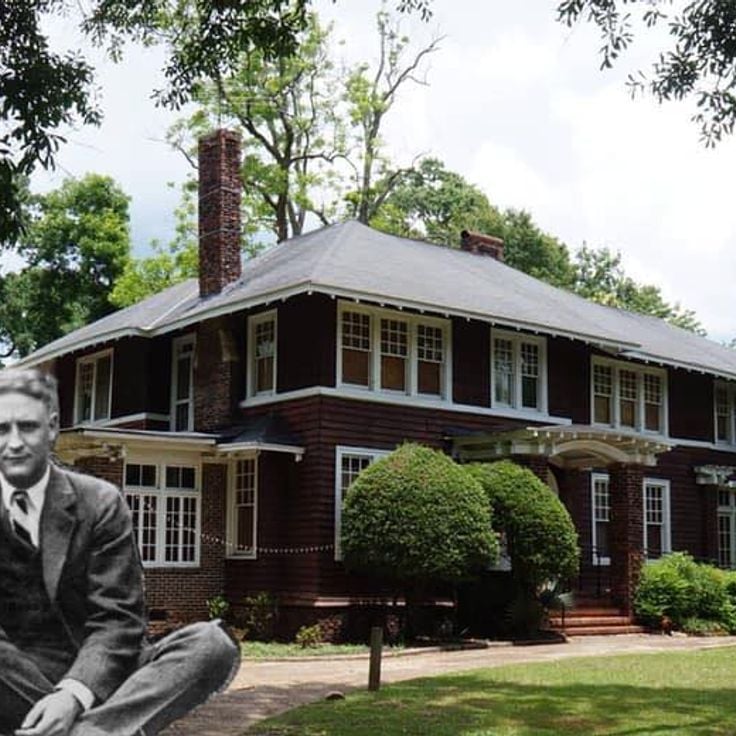
The Fitzgerald Museum is a former residence that displays the lives of authors F. Scott and Zelda Fitzgerald, who lived here during the 1930s. This house fits into Alabama's collection of places with historical and cultural significance. Inside are manuscripts, letters, and personal belongings of the couple. Walking through gives you a sense of how these writers lived and worked during an important time in their lives.
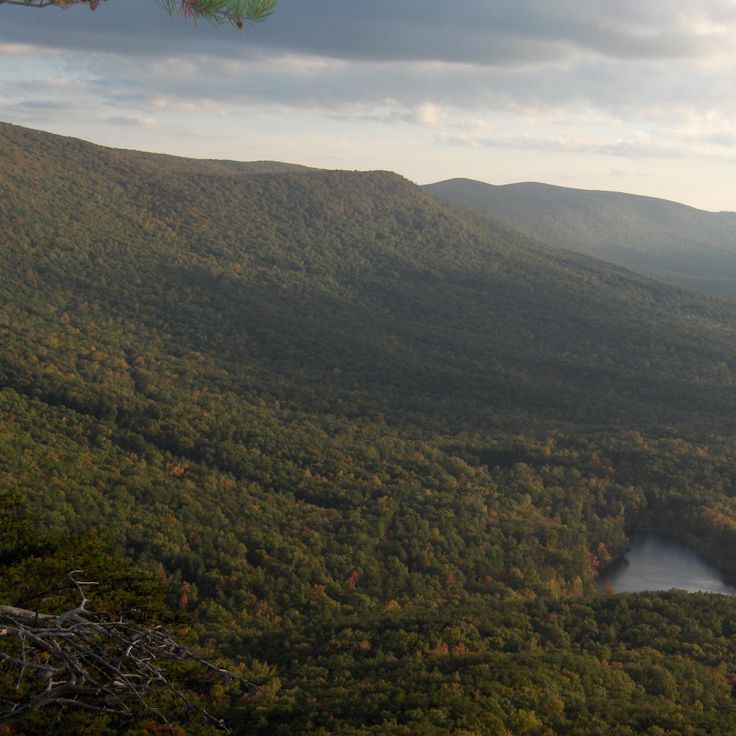
Cheaha Mountain is Alabama's highest point, located within Talladega National Forest and part of a state park that showcases the state's natural heritage. An observation tower at the summit offers expansive views across the forested landscape. Several hiking trails wind through the area at various difficulty levels, allowing visitors to explore the mountain's natural features. Camping facilities are available for those wishing to stay overnight. This site represents one of Alabama's geological landmarks, contributing to the collection of places that reveal the state's outdoor character and natural story.
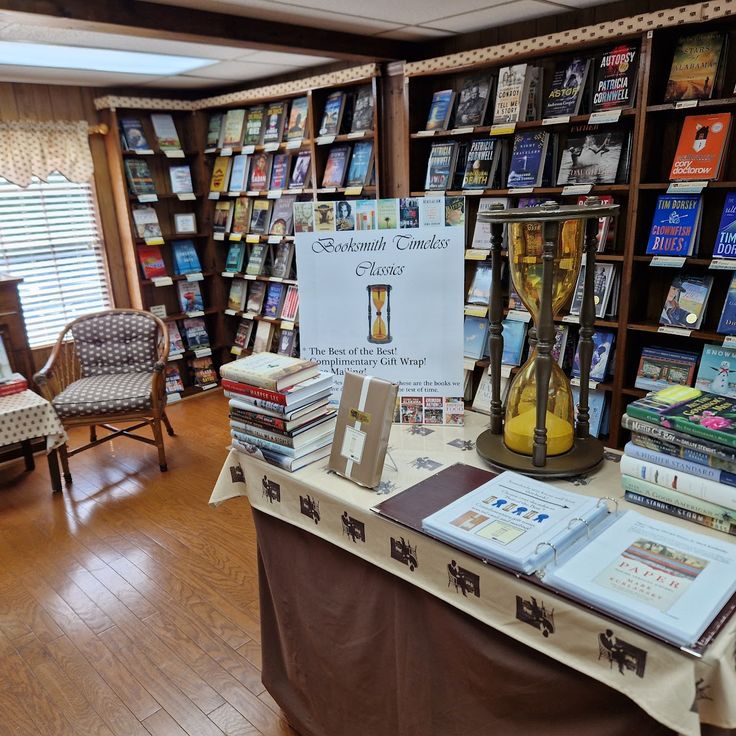
Alabama Booksmith is an independent bookstore in Homewood that fits into this collection of out-of-the-way places across Alabama. The store carries author-signed editions along with fiction and non-fiction books from regional and national writers. This bookstore reflects the role that local literary institutions play in Alabama's cultural life.
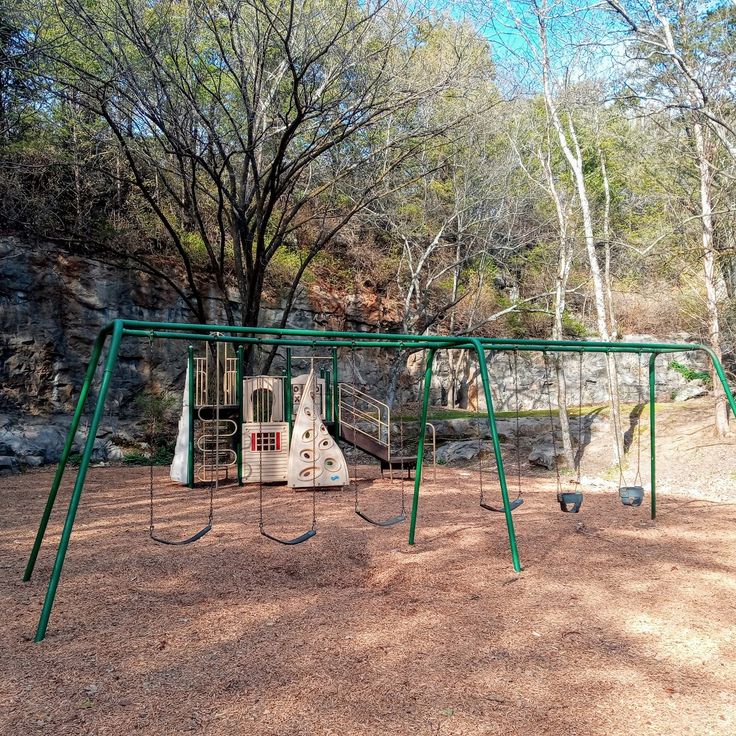
Dead Children's Playground is a recreation area within the grounds of Maple Hill Cemetery in Huntsville, representing one of Alabama's uncommon locations. The site features swings and playground equipment set among the cemetery grounds. Visitors report experiencing unexplained events at night. This location reflects Alabama's history and the local stories that shape the region's cultural identity.
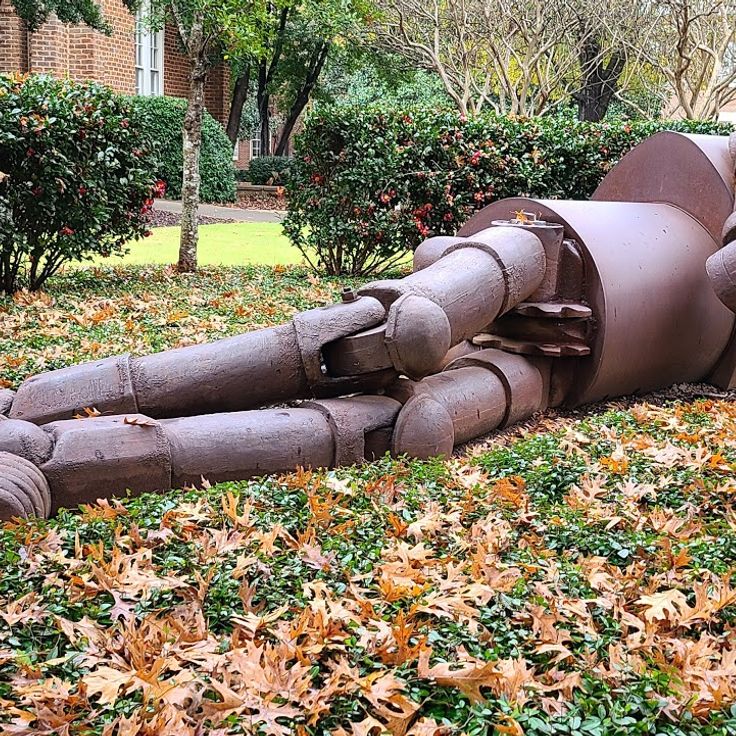
Goldie 1971 - The Fallen Robot is a metal sculpture on the University of Alabama campus. Created from industrial materials, this artwork honors the region's manufacturing heritage. The sculpture shows how artistic installations can reflect the state's history and identity. This piece connects artistic expression with the area's industrial past.
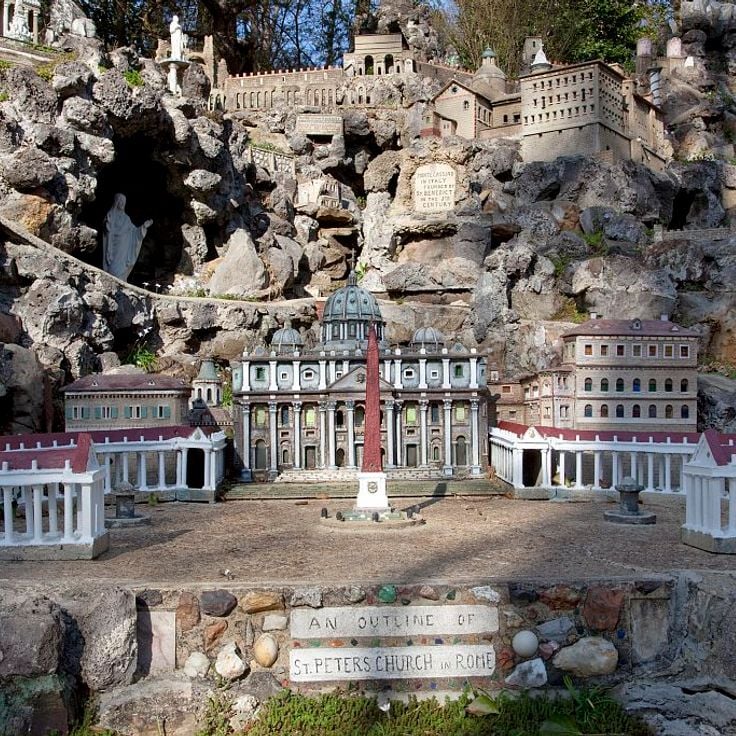
The Ave Maria Grotto is a handmade creation built by Brother Joseph Zoettl over many years. It features small concrete structures that represent religious buildings and shrines from around the world. Visitors walk through an outdoor garden where miniature replicas of churches, chapels, and sacred sites stand among plants and pathways. Each structure shows skilled craftsmanship and spiritual purpose. The Ave Maria Grotto belongs among Alabama's less known places because it demonstrates how artistic work and devotional practice come together through patient human effort.
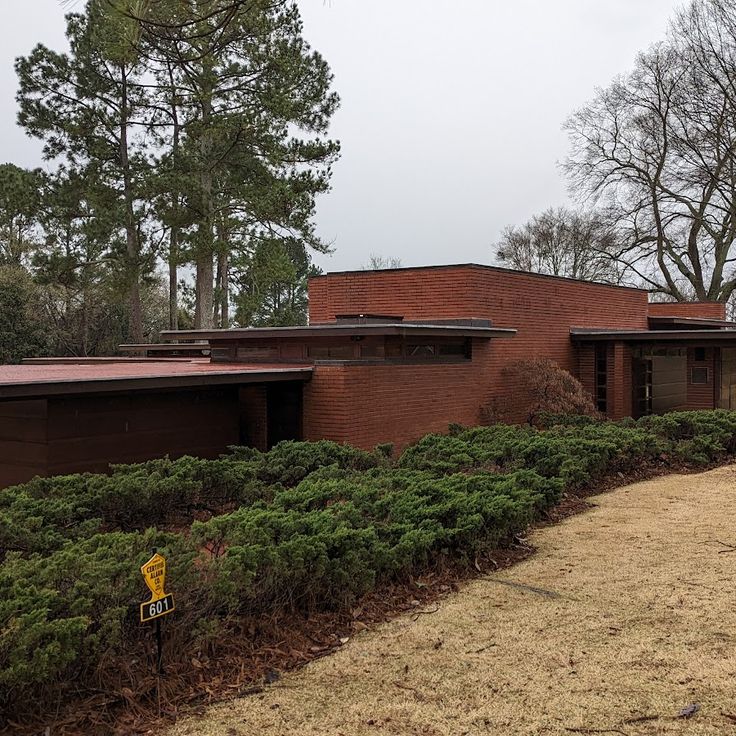
The Frank Lloyd Wright-Rosenbaum House is a modernist residence designed by architect Frank Lloyd Wright in 1939. This structure displays characteristic horizontal lines, natural materials, and expansive glass windows that connect interior and exterior spaces. It exemplifies Wright's design philosophy and represents Alabama's architectural heritage as part of this collection of the state's hidden places.
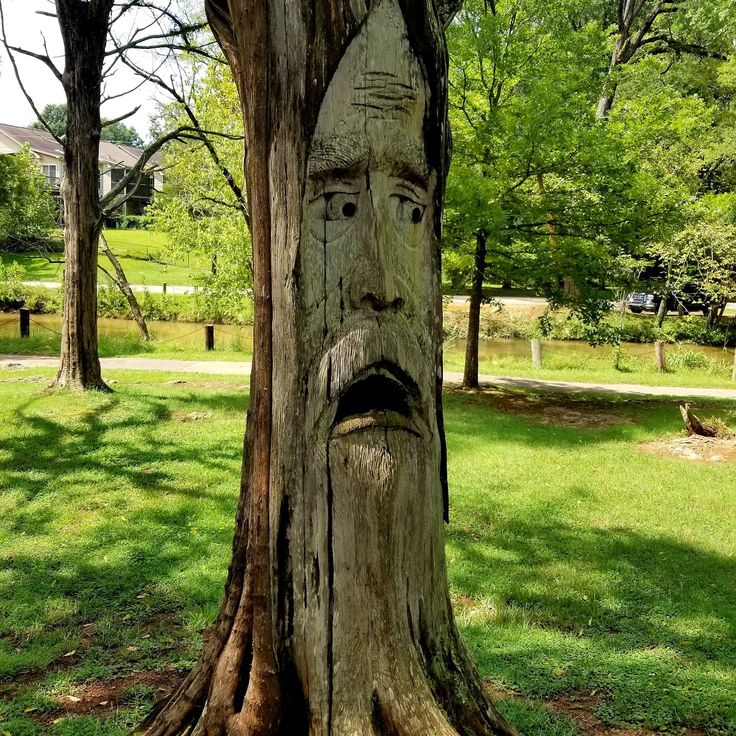
The Tinglewood Carvings are an outdoor art collection in Montevallo that represents Alabama's creative expressions embedded in the landscape. Local artist Tim Tingle carved these wooden sculptures from cedar trees damaged during a 1998 storm and placed them in Orr Park. The works demonstrate how natural materials can be transformed into art, offering visitors insight into the artistic heritage that Alabama preserves beyond its historical and geological sites.
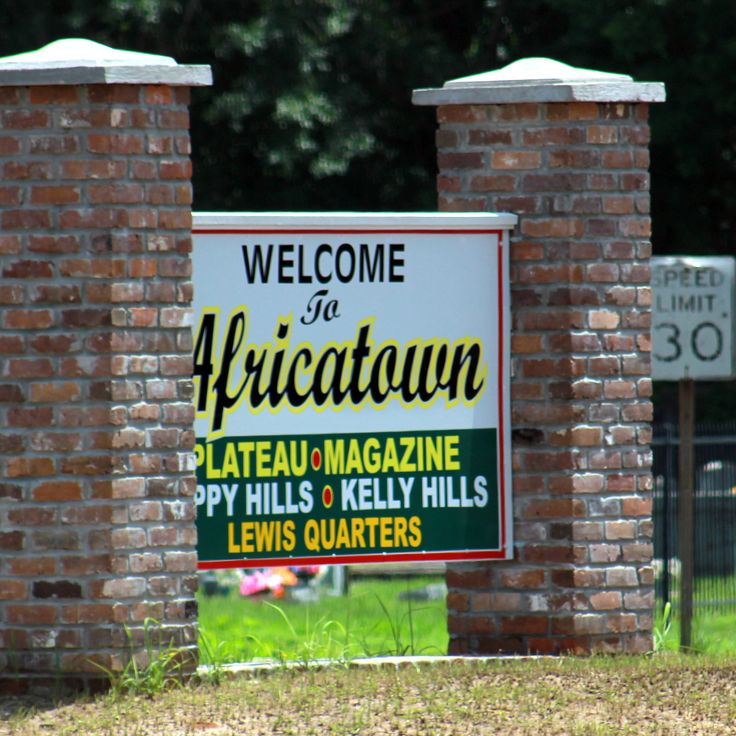
Africatown was established in 1860 by formerly enslaved people from the Clotilda ship. As a hidden gem of Alabama, Africatown reveals the history and culture of the African diaspora through preserved cemeteries, museums and landmarks that document and honor African American heritage.
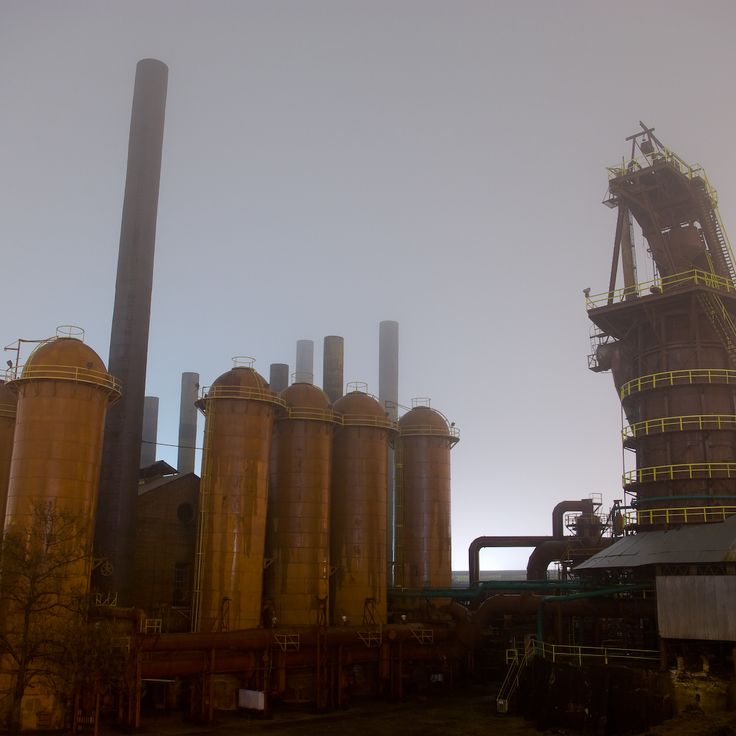
Sloss Furnaces is an industrial complex built in 1882 in Birmingham that produced iron for nearly 90 years. This site represents one of Alabama's hidden gems and showcases the state's industrial heritage and historical importance. The facility includes two blast furnaces, a blowing engine house, and other metal structures. Visitors can explore how this furnace operated and learn about the role it played in Alabama's economic growth and development.
This full-size fiberglass replica of Stonehenge was created by artist Mark Cline and stands as one of Alabama's hidden places, showcasing the region's creative vision and artistic ambition. Bamahenge demonstrates how contemporary art installations contribute to Alabama's cultural identity and offers visitors an intriguing encounter with a work of modern imagination, inviting exploration beyond the state's more familiar destinations.
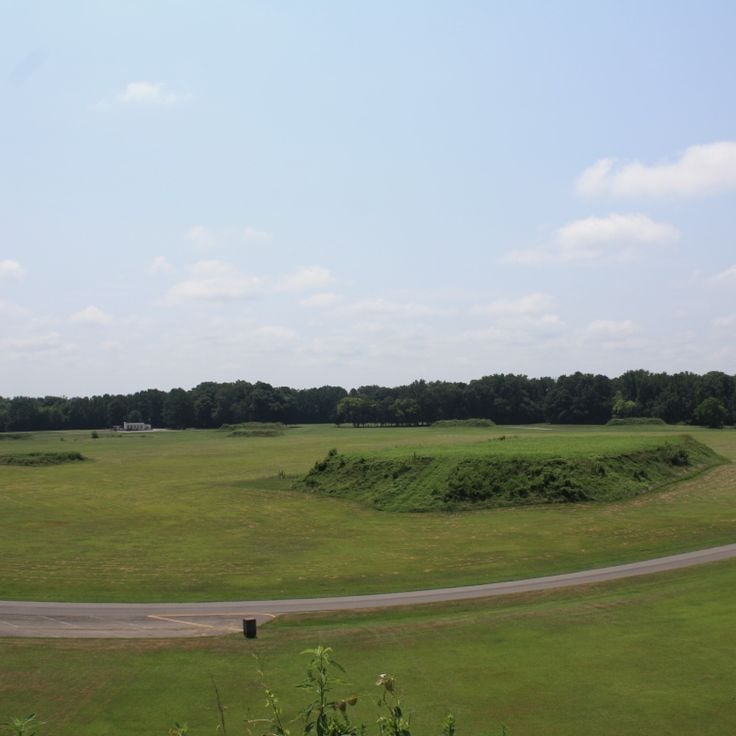
Moundville Archaeological Site is a prehistoric Native American settlement and one of Alabama's uncommon locations showcasing the state's historical heritage. The site features 28 earth mounds built between 1000 and 1450 CE, spanning 185 acres along the Black Warrior River. Walking through this place reveals layers of a civilization that once flourished here, with earthworks that continue to tell stories of the people who built them.
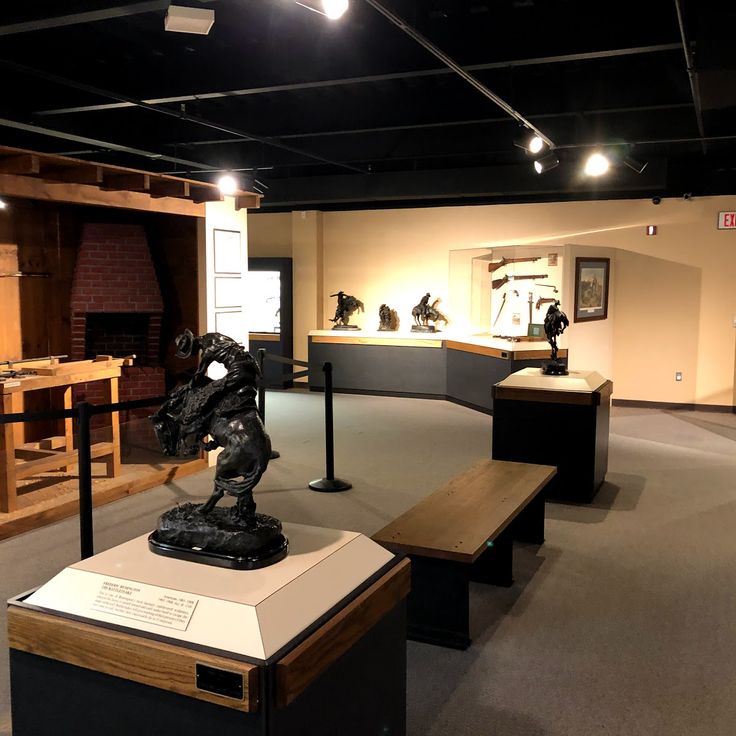
The Berman Museum of World History in Anniston is one of Alabama's places that tells important stories from across the globe. This museum holds a diverse collection of weapons, art, and artifacts from different time periods. Visitors can see Asian bronzes and military equipment from various conflicts throughout history. The museum serves as a keeper of world heritage, helping people understand how different cultures and events have shaped our past.
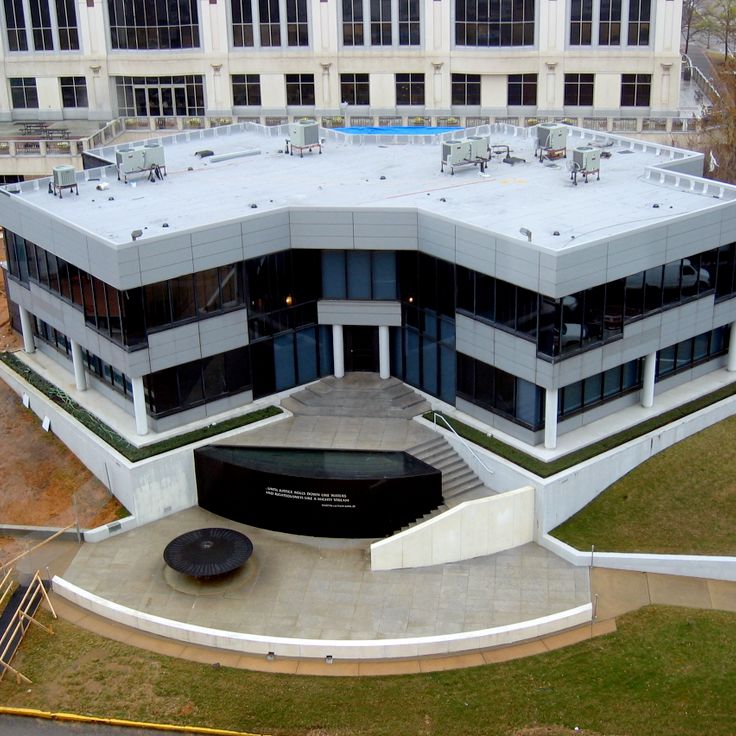
This memorial in Montgomery is a black granite wall designed by Maya Lin that lists the names of people who died during the civil rights movement between 1954 and 1968. As part of Alabama's collection of hidden historical sites, it invites visitors to reflect on this transformative period in American history. The memorial honors those who lost their lives in the struggle for equality and justice.
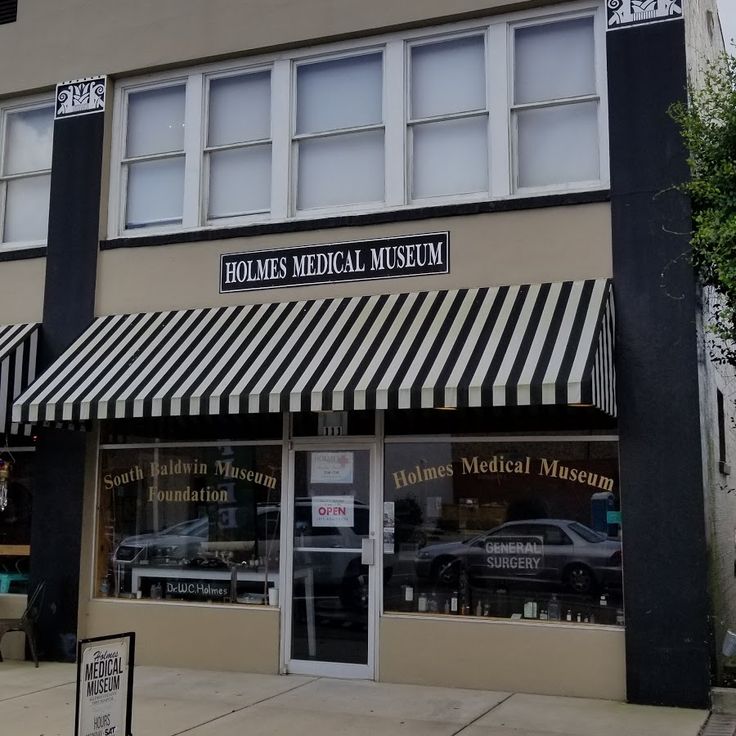
This museum occupies Baldwin County's first hospital, built in 1936, and displays medical instruments, equipment, and practices from the early 1900s. The Holmes Medical Museum documents Alabama's medical heritage and shows visitors how medicine evolved over time. As one of the state's lesser-known destinations, it offers a window into the past through objects that tell the story of early medical care.
The African Village in America is an outdoor art installation created by artist Joe Minter using reclaimed materials. This site honors African American history and spiritual themes through artistic expression. As part of this collection of hidden places in Alabama, the African Village in America represents how artists transform discarded materials into meaningful works that tell important stories. It stands as a cultural monument showing the creative ways people document and celebrate their heritage.
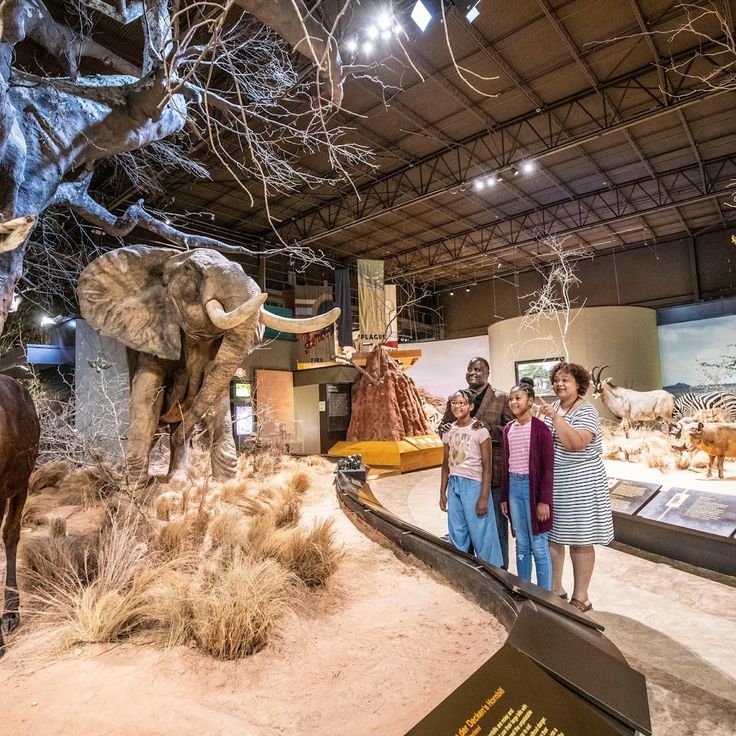
The Anniston Museum is a natural history museum displaying regional wildlife, mineral collections, and documented discoveries from local archaeological sites. As part of Alabama's collection of out-of-the-way places, it preserves geological formations, cultural landmarks, and historical structures that reflect the state's natural and human heritage.
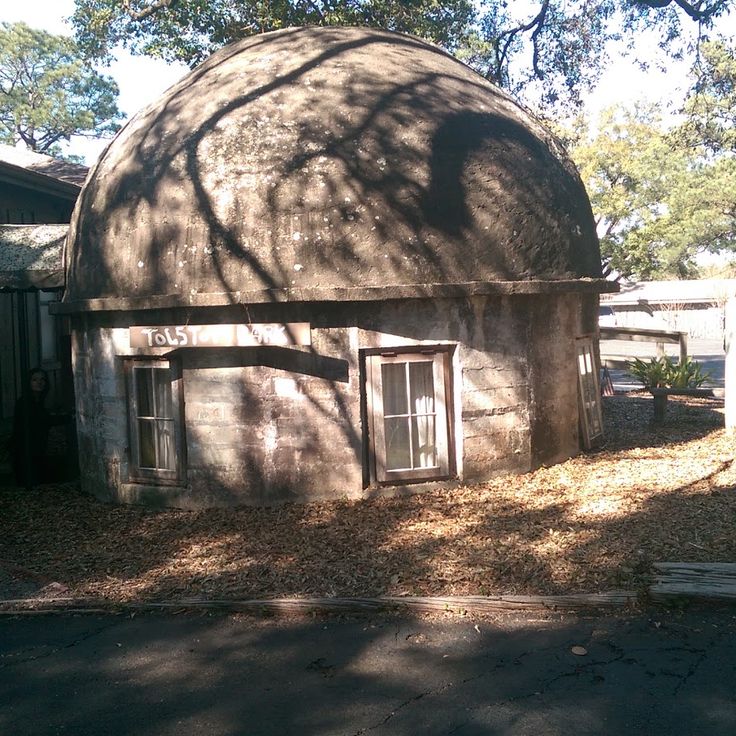
This circular concrete residence was built in 1923 by Henry Stuart in Fairhope and demonstrates early twentieth-century building techniques. Measuring 4 meters (14 feet) in diameter with walls constructed entirely of concrete, Tolstoy Park represents experimental architecture and reflects Alabama's diverse heritage of architectural structures and historical sites.
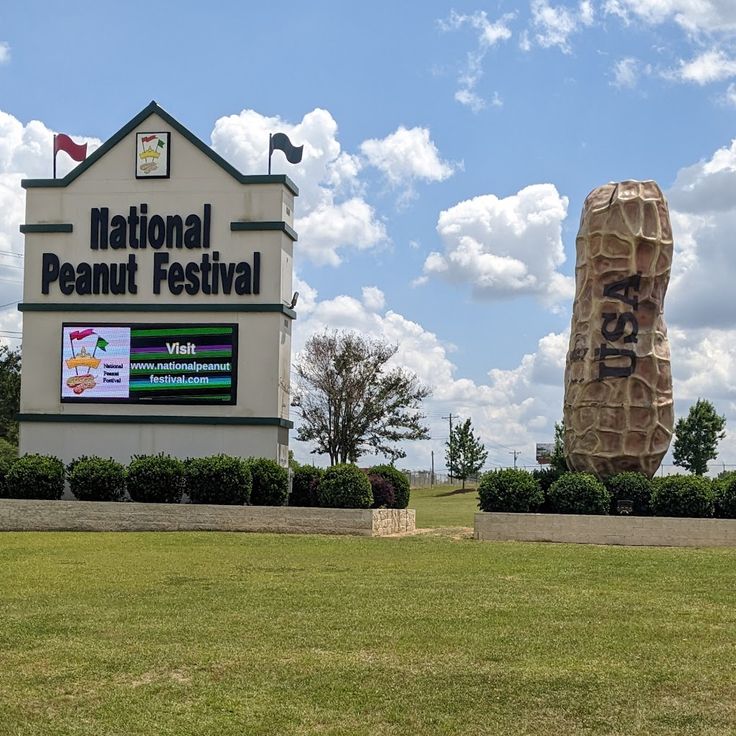
Peanuts on Parade is a collection of more than 100 artist-painted peanut sculptures displayed at intersections and sidewalks throughout downtown Dothan. These artworks celebrate the region's agricultural heritage and showcase the artistic creativity of the community. The painted peanut figures represent part of Alabama's cultural and artistic legacy, allowing visitors to discover local history and art in a single location.
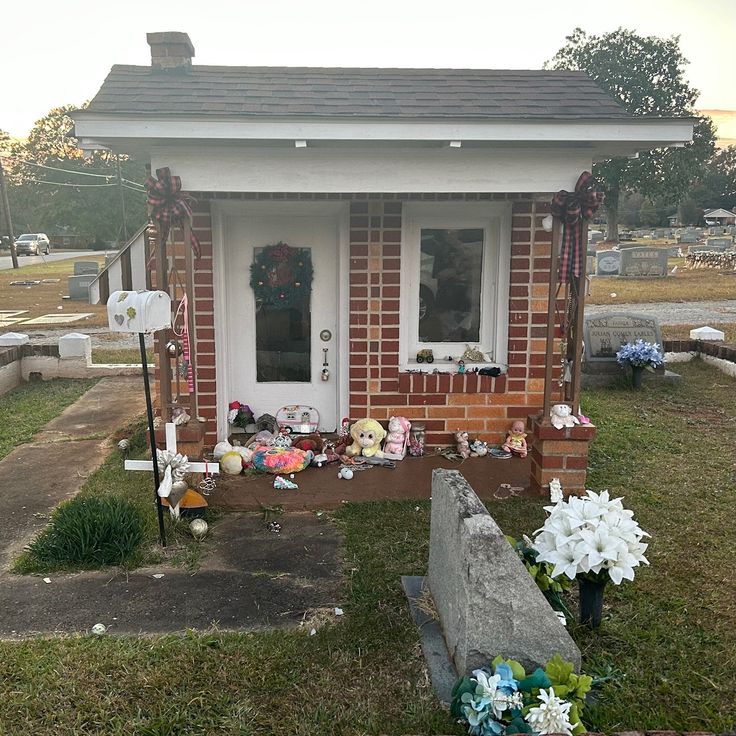
The Little Nadine Earles Doll House Grave stands as an uncommon burial site among Alabama's hidden gems. Built in 1933, this life-sized playhouse functions as a grave marker and holds toys, furniture, and features a concrete front porch. The structure reflects how families have chosen to honor their memories through architectural expression rather than conventional monuments. This location represents Alabama's distinctive cultural practices and personal memorials.
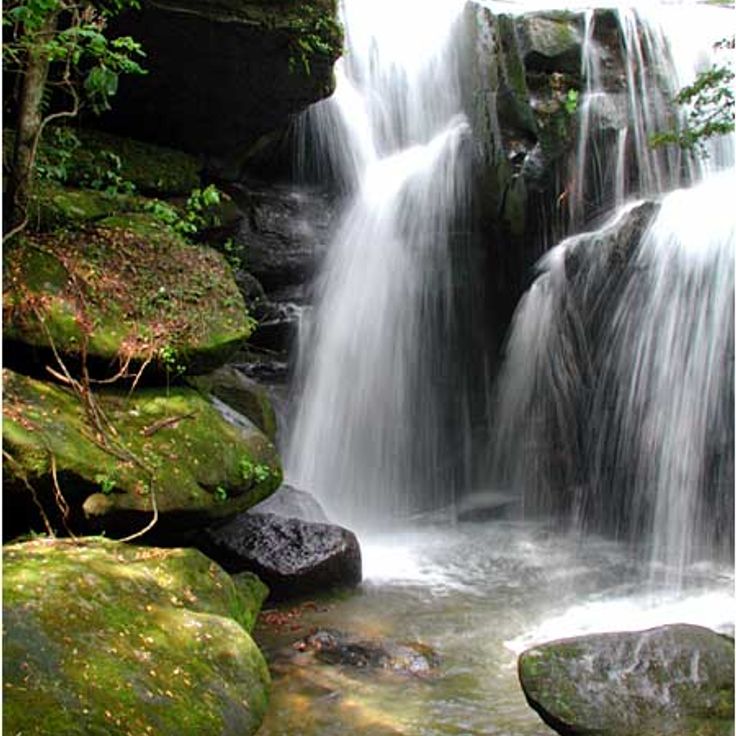
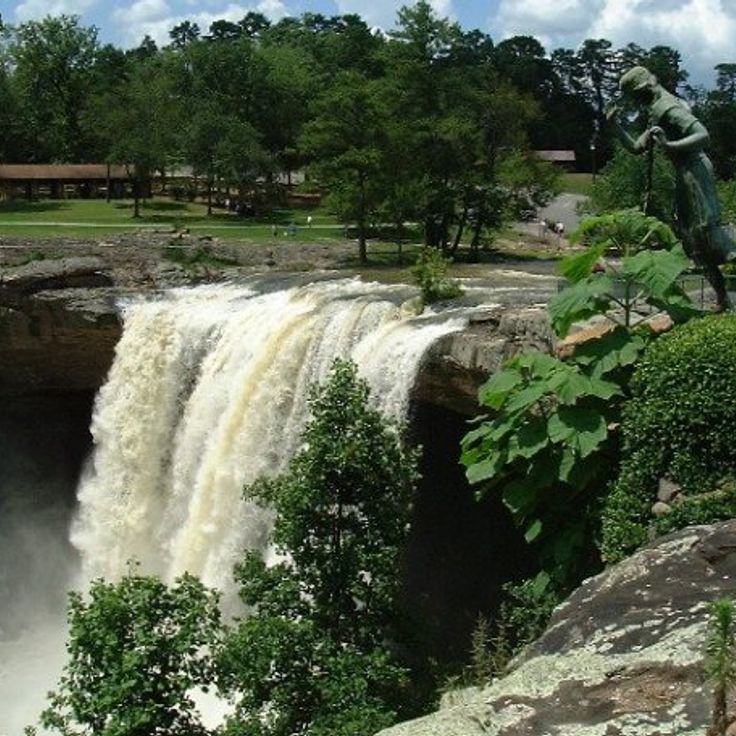
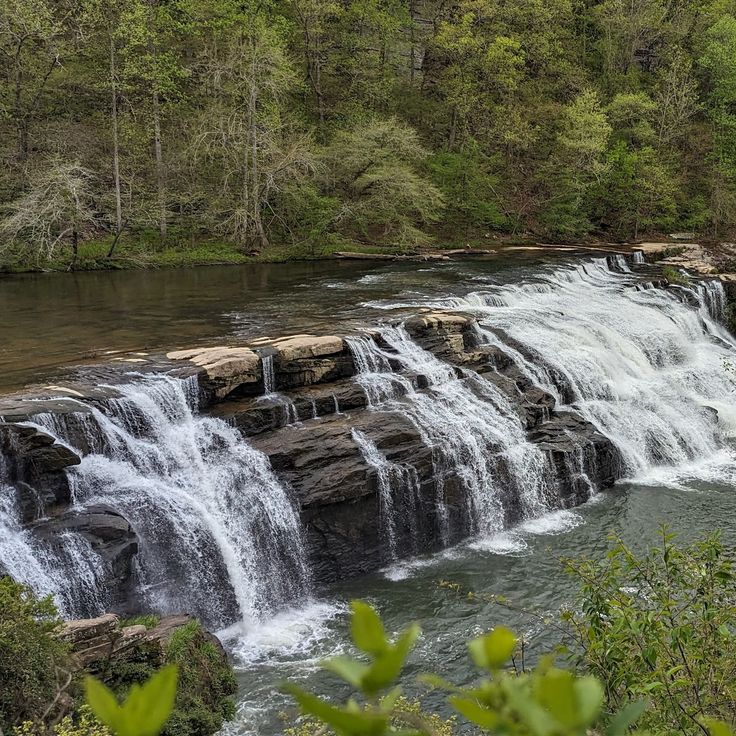
Noccalula Falls is a 90-foot waterfall located atop Lookout Mountain in this region of Alabama. Situated within Noccalula Falls Park, the falls feature an accessible pathway that runs behind the falling water. Visitors can experience the cascading water up close and explore the park's natural features, contributing to understanding Alabama's geological variety alongside other natural sites throughout the state.
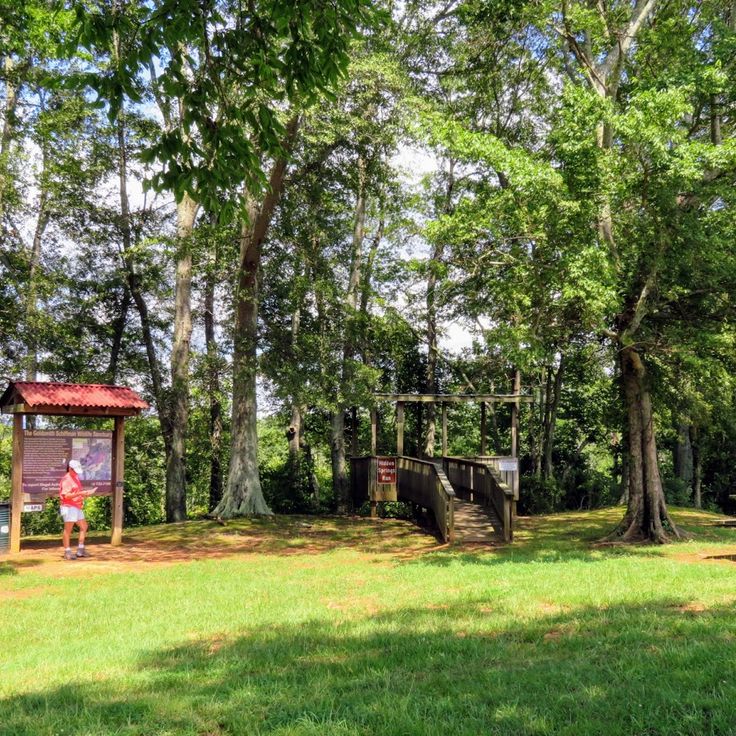
High Falls Park is one of Alabama's natural treasures worth seeking out. Located in Geraldine, this park features a 35-foot waterfall, six hiking trails, and a walking bridge that crosses Town Creek. The park showcases Alabama's geological formations and allows visitors to experience the state's natural heritage firsthand.
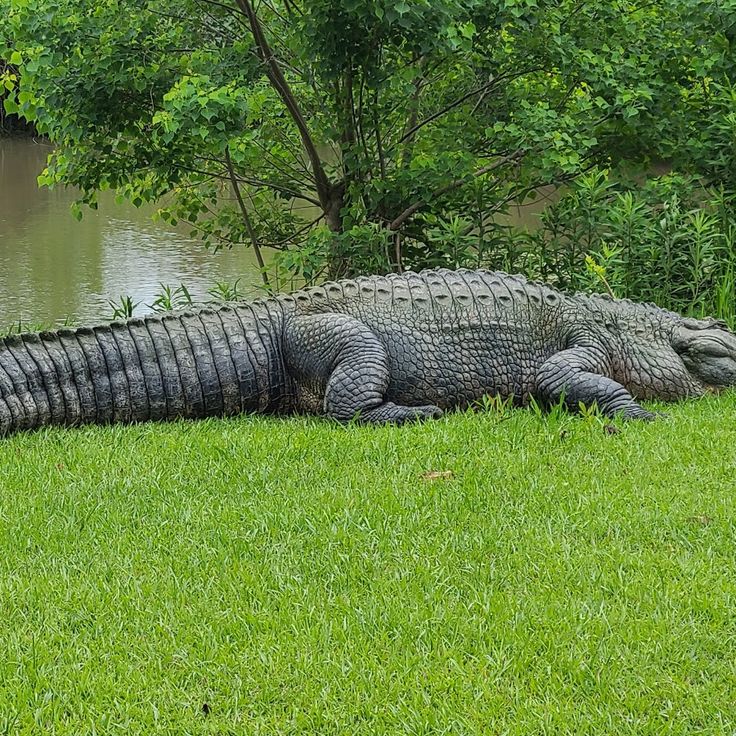
Alligator Alley is a wildlife sanctuary in Summerdale that fits among Alabama's hidden gems. It provides care for more than 600 rescued alligators living on its grounds. Visitors walk along elevated boardwalks to observe the animals up close, watch feeding demonstrations, and join educational programs about native species. The sanctuary shows how Alabama's natural world is protected and studied.
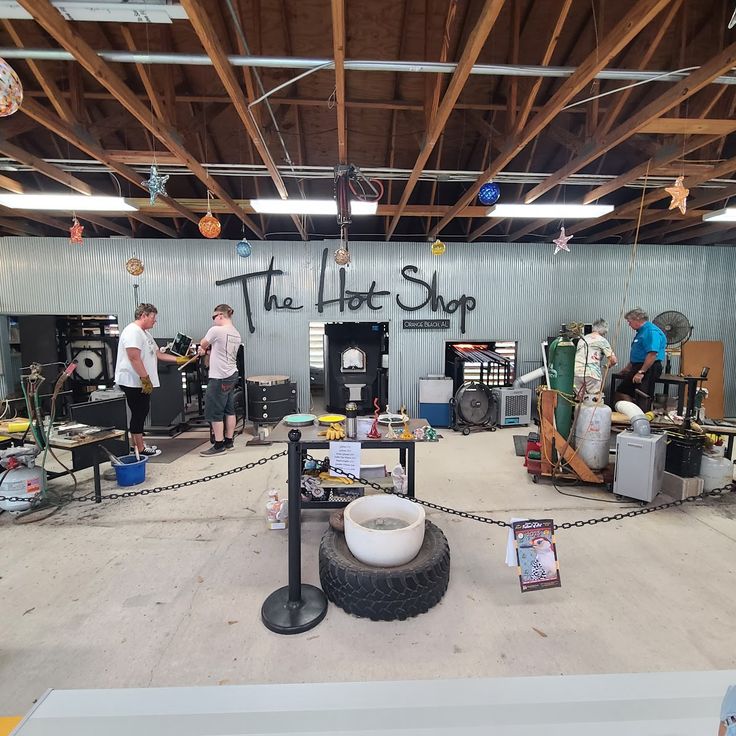
The Hot Shop is a glass art studio in Gulf Shores, Alabama, featured in this collection of out-of-the-way places that tell the story of Alabama's character. Visitors can watch artisans create glass sculptures and participate in glassblowing sessions under professional guidance. The Hot Shop showcases the artistic side of Alabama and represents one of the state's cultural locations that visitors often overlook.
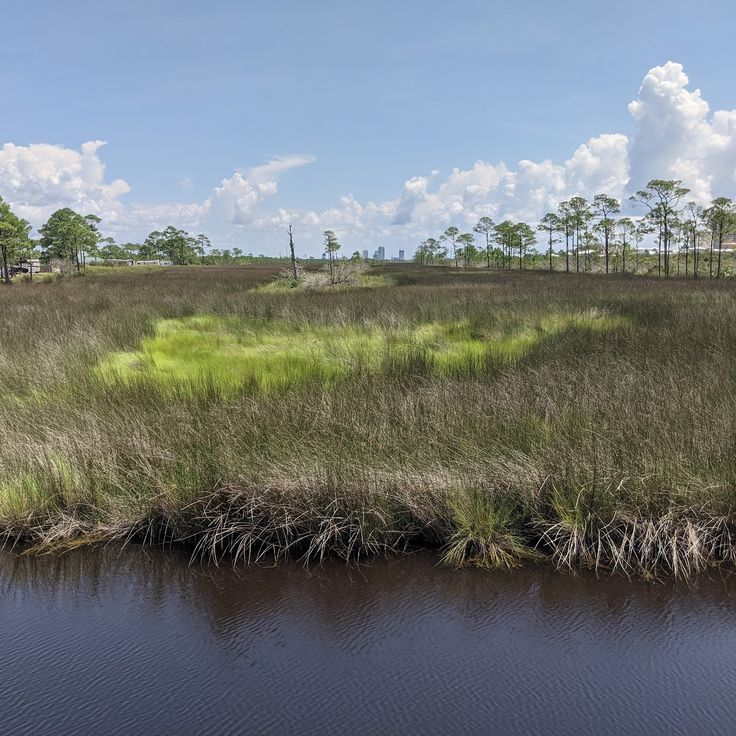
Wade Ward Nature Park in Gulf Shores is a quiet natural area along Little Lagoon where visitors can walk on trails, look out from scenic overlooks, and sit at picnic areas to observe local wildlife and plants. As one of Alabama's hidden natural spaces, it shows the state's geological and ecological variety through its landscape and the living things that make their home there.
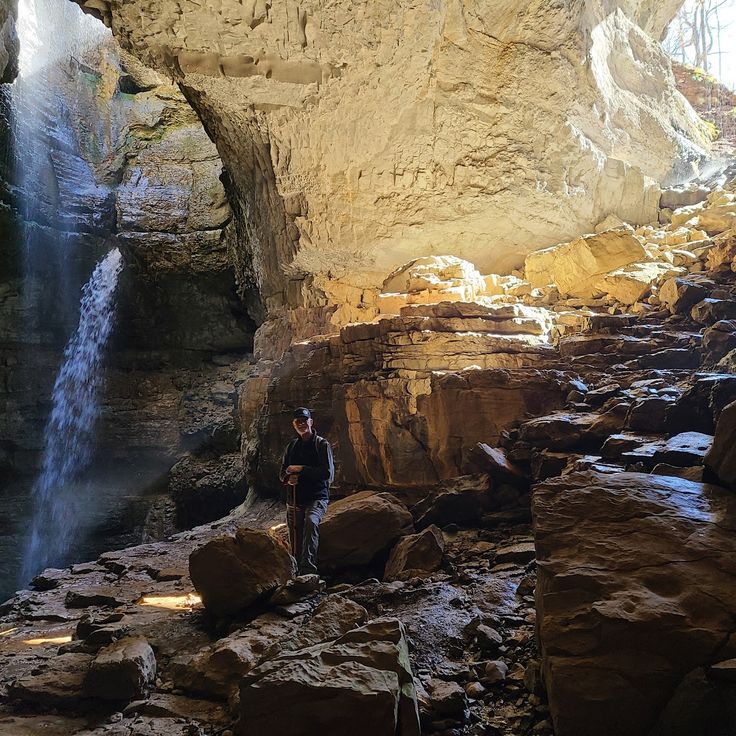
Stephens Gap Callahan Cave is a cave system that stands among Alabama's hidden natural wonders, revealing the state's geological variety. The cave captures visitors with a 150-foot vertical shaft topped by a waterfall, light beams streaming through the entrance opening. Visitors encounter the work of water and time that has shaped this underground space. Access requires a permit and suits those interested in caving or rappelling activities.
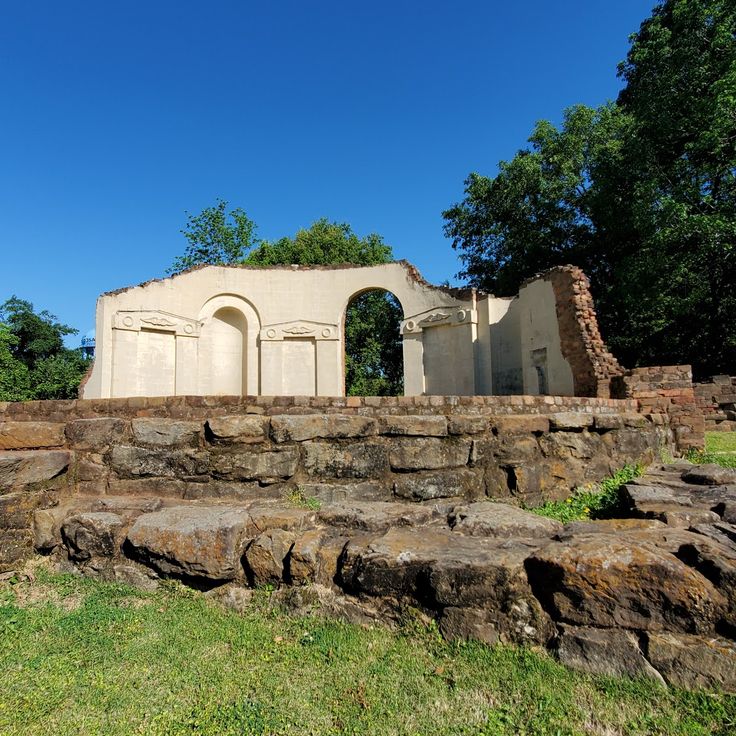
The Capitol Park Ruins show the remains of Alabama's state capitol building from 1829, which served until 1846. Visitors can see the original brick walls and decorative elements that remain in a public park setting. This location tells the story of Alabama's early government and architecture, offering a direct connection to the state's past.
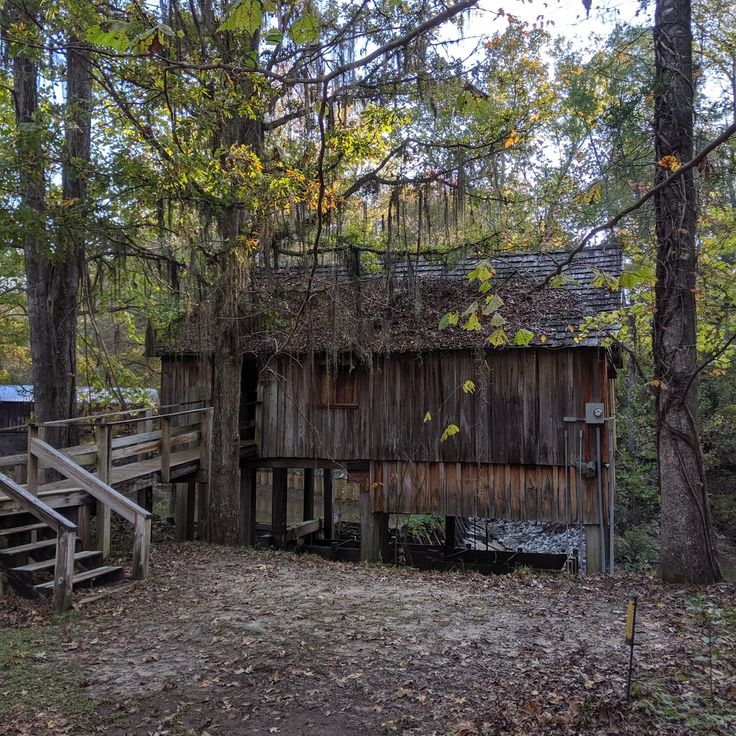
Rikard's Mill Historical Park preserves a water-powered grist mill complex that tells the story of Alabama's industrial past. The site features historic structures including a syrup mill, blacksmith shop, covered bridge, and barn exhibits. These buildings show how water power drove local manufacturing and kept the community functioning in earlier times.
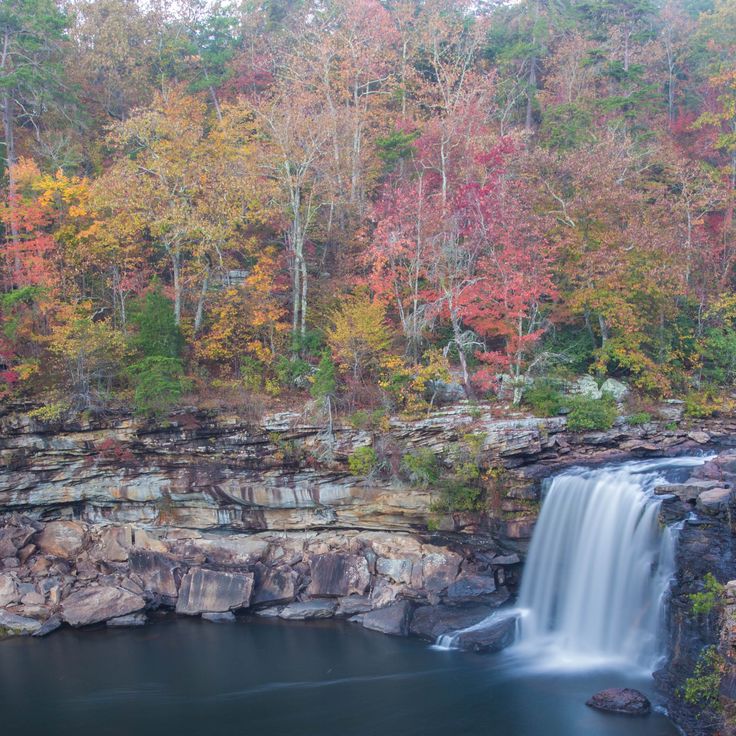
This nature preserve is part of Alabama's collection of out-of-the-way places and demonstrates the state's geological variety. Little River Canyon features waterfalls, canyon rims, and sandstone cliffs across a large area. Visitors can walk through the preserve on trails that reveal the rock layers and formations that tell the story of how this landscape developed over time.
Harmony Park Safari is a drive-through wildlife park where visitors can observe and feed zebras, giraffes, ostriches, and buffalo from their vehicles. The park offers a hands-on way to experience animals from different parts of the world. This attraction fits within Alabama's collection of out-of-the-way places that reveal the state's history, natural world, and human stories.
The Spectre Set Ruins are part of Alabama's hidden places that hold stories and history. This abandoned movie set from the 2003 film Big Fish sits in Millbrook. Visitors can walk through deteriorating wooden buildings and facades along the Cypress Inlet. The remains of the set show how temporary structures merge with time and nature.
This Natural Bridge is a remarkable sandstone formation that spans approximately 148 feet and rises about 60 feet high. It was created over 200 million years ago through natural erosion processes. The bridge contains visible plant fossils that offer glimpses into Alabama's geological past. This geological feature demonstrates the variety of natural formations found across the state and invites visitors to explore the forces of nature that shaped this structure over millions of years.
The Museum of Wonder in Seale is a private collection of found objects, taxidermy specimens, and handcrafted art pieces displayed in a former 1930s general store building. This location fits within Alabama's collection of places that preserve local history and creative expressions, similar to Bamahenge or Tinglewood Carvings, which showcase artistic works embedded in the landscape.
The Grave of Miss Baker is a memorial at the U.S. Space and Rocket Center that marks an important chapter in American spaceflight. Miss Baker was a squirrel monkey who flew on a Jupiter mission in 1959 and lived until 1984. Her resting place in Huntsville preserves the story of early space exploration and the animals that helped scientists understand what it took to survive in space. This modest site reminds visitors of the crucial role that creatures like Miss Baker played before humans ventured into the cosmos.
Dismals Canyon is a sandstone gorge in Phil Campbell and ranks among Alabama's out-of-the-way natural sites. On the damp walls of this canyon live bioluminescent insects known as dismalites. During spring and autumn, these insects produce blue points of light in the darkness. The canyon demonstrates the geological character of the region and offers insight into Alabama's natural history.
Neversink Pit is a vertical limestone sinkhole and one of Alabama's hidden geological treasures. Dropping about 162 feet deep and measuring 40 feet wide, this place displays the dramatic rock formations found throughout the state. Waterfalls stream down its walls, creating a moist setting where rare ferns and plants grow. As part of a collection of out-of-the-way locations that tell Alabama's story, Neversink Pit offers visitors a chance to see the state's underground wonders and understand its geological variety.
The Fitzgerald Museum is a former residence that displays the lives of authors F. Scott and Zelda Fitzgerald, who lived here during the 1930s. This house fits into Alabama's collection of places with historical and cultural significance. Inside are manuscripts, letters, and personal belongings of the couple. Walking through gives you a sense of how these writers lived and worked during an important time in their lives.
Cheaha Mountain is Alabama's highest point, located within Talladega National Forest and part of a state park that showcases the state's natural heritage. An observation tower at the summit offers expansive views across the forested landscape. Several hiking trails wind through the area at various difficulty levels, allowing visitors to explore the mountain's natural features. Camping facilities are available for those wishing to stay overnight. This site represents one of Alabama's geological landmarks, contributing to the collection of places that reveal the state's outdoor character and natural story.
Alabama Booksmith is an independent bookstore in Homewood that fits into this collection of out-of-the-way places across Alabama. The store carries author-signed editions along with fiction and non-fiction books from regional and national writers. This bookstore reflects the role that local literary institutions play in Alabama's cultural life.
Dead Children's Playground is a recreation area within the grounds of Maple Hill Cemetery in Huntsville, representing one of Alabama's uncommon locations. The site features swings and playground equipment set among the cemetery grounds. Visitors report experiencing unexplained events at night. This location reflects Alabama's history and the local stories that shape the region's cultural identity.
Goldie 1971 - The Fallen Robot is a metal sculpture on the University of Alabama campus. Created from industrial materials, this artwork honors the region's manufacturing heritage. The sculpture shows how artistic installations can reflect the state's history and identity. This piece connects artistic expression with the area's industrial past.
The Ave Maria Grotto is a handmade creation built by Brother Joseph Zoettl over many years. It features small concrete structures that represent religious buildings and shrines from around the world. Visitors walk through an outdoor garden where miniature replicas of churches, chapels, and sacred sites stand among plants and pathways. Each structure shows skilled craftsmanship and spiritual purpose. The Ave Maria Grotto belongs among Alabama's less known places because it demonstrates how artistic work and devotional practice come together through patient human effort.
The Frank Lloyd Wright-Rosenbaum House is a modernist residence designed by architect Frank Lloyd Wright in 1939. This structure displays characteristic horizontal lines, natural materials, and expansive glass windows that connect interior and exterior spaces. It exemplifies Wright's design philosophy and represents Alabama's architectural heritage as part of this collection of the state's hidden places.
The Tinglewood Carvings are an outdoor art collection in Montevallo that represents Alabama's creative expressions embedded in the landscape. Local artist Tim Tingle carved these wooden sculptures from cedar trees damaged during a 1998 storm and placed them in Orr Park. The works demonstrate how natural materials can be transformed into art, offering visitors insight into the artistic heritage that Alabama preserves beyond its historical and geological sites.
Africatown was established in 1860 by formerly enslaved people from the Clotilda ship. As a hidden gem of Alabama, Africatown reveals the history and culture of the African diaspora through preserved cemeteries, museums and landmarks that document and honor African American heritage.
Sloss Furnaces is an industrial complex built in 1882 in Birmingham that produced iron for nearly 90 years. This site represents one of Alabama's hidden gems and showcases the state's industrial heritage and historical importance. The facility includes two blast furnaces, a blowing engine house, and other metal structures. Visitors can explore how this furnace operated and learn about the role it played in Alabama's economic growth and development.
This full-size fiberglass replica of Stonehenge was created by artist Mark Cline and stands as one of Alabama's hidden places, showcasing the region's creative vision and artistic ambition. Bamahenge demonstrates how contemporary art installations contribute to Alabama's cultural identity and offers visitors an intriguing encounter with a work of modern imagination, inviting exploration beyond the state's more familiar destinations.
Moundville Archaeological Site is a prehistoric Native American settlement and one of Alabama's uncommon locations showcasing the state's historical heritage. The site features 28 earth mounds built between 1000 and 1450 CE, spanning 185 acres along the Black Warrior River. Walking through this place reveals layers of a civilization that once flourished here, with earthworks that continue to tell stories of the people who built them.
The Berman Museum of World History in Anniston is one of Alabama's places that tells important stories from across the globe. This museum holds a diverse collection of weapons, art, and artifacts from different time periods. Visitors can see Asian bronzes and military equipment from various conflicts throughout history. The museum serves as a keeper of world heritage, helping people understand how different cultures and events have shaped our past.
This memorial in Montgomery is a black granite wall designed by Maya Lin that lists the names of people who died during the civil rights movement between 1954 and 1968. As part of Alabama's collection of hidden historical sites, it invites visitors to reflect on this transformative period in American history. The memorial honors those who lost their lives in the struggle for equality and justice.
This museum occupies Baldwin County's first hospital, built in 1936, and displays medical instruments, equipment, and practices from the early 1900s. The Holmes Medical Museum documents Alabama's medical heritage and shows visitors how medicine evolved over time. As one of the state's lesser-known destinations, it offers a window into the past through objects that tell the story of early medical care.
The African Village in America is an outdoor art installation created by artist Joe Minter using reclaimed materials. This site honors African American history and spiritual themes through artistic expression. As part of this collection of hidden places in Alabama, the African Village in America represents how artists transform discarded materials into meaningful works that tell important stories. It stands as a cultural monument showing the creative ways people document and celebrate their heritage.
The Anniston Museum is a natural history museum displaying regional wildlife, mineral collections, and documented discoveries from local archaeological sites. As part of Alabama's collection of out-of-the-way places, it preserves geological formations, cultural landmarks, and historical structures that reflect the state's natural and human heritage.
This circular concrete residence was built in 1923 by Henry Stuart in Fairhope and demonstrates early twentieth-century building techniques. Measuring 4 meters (14 feet) in diameter with walls constructed entirely of concrete, Tolstoy Park represents experimental architecture and reflects Alabama's diverse heritage of architectural structures and historical sites.
Peanuts on Parade is a collection of more than 100 artist-painted peanut sculptures displayed at intersections and sidewalks throughout downtown Dothan. These artworks celebrate the region's agricultural heritage and showcase the artistic creativity of the community. The painted peanut figures represent part of Alabama's cultural and artistic legacy, allowing visitors to discover local history and art in a single location.
The Little Nadine Earles Doll House Grave stands as an uncommon burial site among Alabama's hidden gems. Built in 1933, this life-sized playhouse functions as a grave marker and holds toys, furniture, and features a concrete front porch. The structure reflects how families have chosen to honor their memories through architectural expression rather than conventional monuments. This location represents Alabama's distinctive cultural practices and personal memorials.
Noccalula Falls is a 90-foot waterfall located atop Lookout Mountain in this region of Alabama. Situated within Noccalula Falls Park, the falls feature an accessible pathway that runs behind the falling water. Visitors can experience the cascading water up close and explore the park's natural features, contributing to understanding Alabama's geological variety alongside other natural sites throughout the state.
High Falls Park is one of Alabama's natural treasures worth seeking out. Located in Geraldine, this park features a 35-foot waterfall, six hiking trails, and a walking bridge that crosses Town Creek. The park showcases Alabama's geological formations and allows visitors to experience the state's natural heritage firsthand.
Alligator Alley is a wildlife sanctuary in Summerdale that fits among Alabama's hidden gems. It provides care for more than 600 rescued alligators living on its grounds. Visitors walk along elevated boardwalks to observe the animals up close, watch feeding demonstrations, and join educational programs about native species. The sanctuary shows how Alabama's natural world is protected and studied.
The Hot Shop is a glass art studio in Gulf Shores, Alabama, featured in this collection of out-of-the-way places that tell the story of Alabama's character. Visitors can watch artisans create glass sculptures and participate in glassblowing sessions under professional guidance. The Hot Shop showcases the artistic side of Alabama and represents one of the state's cultural locations that visitors often overlook.
Wade Ward Nature Park in Gulf Shores is a quiet natural area along Little Lagoon where visitors can walk on trails, look out from scenic overlooks, and sit at picnic areas to observe local wildlife and plants. As one of Alabama's hidden natural spaces, it shows the state's geological and ecological variety through its landscape and the living things that make their home there.
Stephens Gap Callahan Cave is a cave system that stands among Alabama's hidden natural wonders, revealing the state's geological variety. The cave captures visitors with a 150-foot vertical shaft topped by a waterfall, light beams streaming through the entrance opening. Visitors encounter the work of water and time that has shaped this underground space. Access requires a permit and suits those interested in caving or rappelling activities.
The Capitol Park Ruins show the remains of Alabama's state capitol building from 1829, which served until 1846. Visitors can see the original brick walls and decorative elements that remain in a public park setting. This location tells the story of Alabama's early government and architecture, offering a direct connection to the state's past.
Rikard's Mill Historical Park preserves a water-powered grist mill complex that tells the story of Alabama's industrial past. The site features historic structures including a syrup mill, blacksmith shop, covered bridge, and barn exhibits. These buildings show how water power drove local manufacturing and kept the community functioning in earlier times.
This nature preserve is part of Alabama's collection of out-of-the-way places and demonstrates the state's geological variety. Little River Canyon features waterfalls, canyon rims, and sandstone cliffs across a large area. Visitors can walk through the preserve on trails that reveal the rock layers and formations that tell the story of how this landscape developed over time.
Harmony Park Safari is a drive-through wildlife park where visitors can observe and feed zebras, giraffes, ostriches, and buffalo from their vehicles. The park offers a hands-on way to experience animals from different parts of the world. This attraction fits within Alabama's collection of out-of-the-way places that reveal the state's history, natural world, and human stories.
The Spectre Set Ruins are part of Alabama's hidden places that hold stories and history. This abandoned movie set from the 2003 film Big Fish sits in Millbrook. Visitors can walk through deteriorating wooden buildings and facades along the Cypress Inlet. The remains of the set show how temporary structures merge with time and nature.
This Natural Bridge is a remarkable sandstone formation that spans approximately 148 feet and rises about 60 feet high. It was created over 200 million years ago through natural erosion processes. The bridge contains visible plant fossils that offer glimpses into Alabama's geological past. This geological feature demonstrates the variety of natural formations found across the state and invites visitors to explore the forces of nature that shaped this structure over millions of years.
The Museum of Wonder in Seale is a private collection of found objects, taxidermy specimens, and handcrafted art pieces displayed in a former 1930s general store building. This location fits within Alabama's collection of places that preserve local history and creative expressions, similar to Bamahenge or Tinglewood Carvings, which showcase artistic works embedded in the landscape.
The Grave of Miss Baker is a memorial at the U.S. Space and Rocket Center that marks an important chapter in American spaceflight. Miss Baker was a squirrel monkey who flew on a Jupiter mission in 1959 and lived until 1984. Her resting place in Huntsville preserves the story of early space exploration and the animals that helped scientists understand what it took to survive in space. This modest site reminds visitors of the crucial role that creatures like Miss Baker played before humans ventured into the cosmos.
Dismals Canyon is a sandstone gorge in Phil Campbell and ranks among Alabama's out-of-the-way natural sites. On the damp walls of this canyon live bioluminescent insects known as dismalites. During spring and autumn, these insects produce blue points of light in the darkness. The canyon demonstrates the geological character of the region and offers insight into Alabama's natural history.
Neversink Pit is a vertical limestone sinkhole and one of Alabama's hidden geological treasures. Dropping about 162 feet deep and measuring 40 feet wide, this place displays the dramatic rock formations found throughout the state. Waterfalls stream down its walls, creating a moist setting where rare ferns and plants grow. As part of a collection of out-of-the-way locations that tell Alabama's story, Neversink Pit offers visitors a chance to see the state's underground wonders and understand its geological variety.
The Fitzgerald Museum is a former residence that displays the lives of authors F. Scott and Zelda Fitzgerald, who lived here during the 1930s. This house fits into Alabama's collection of places with historical and cultural significance. Inside are manuscripts, letters, and personal belongings of the couple. Walking through gives you a sense of how these writers lived and worked during an important time in their lives.
Cheaha Mountain is Alabama's highest point, located within Talladega National Forest and part of a state park that showcases the state's natural heritage. An observation tower at the summit offers expansive views across the forested landscape. Several hiking trails wind through the area at various difficulty levels, allowing visitors to explore the mountain's natural features. Camping facilities are available for those wishing to stay overnight. This site represents one of Alabama's geological landmarks, contributing to the collection of places that reveal the state's outdoor character and natural story.
Alabama Booksmith is an independent bookstore in Homewood that fits into this collection of out-of-the-way places across Alabama. The store carries author-signed editions along with fiction and non-fiction books from regional and national writers. This bookstore reflects the role that local literary institutions play in Alabama's cultural life.
Dead Children's Playground is a recreation area within the grounds of Maple Hill Cemetery in Huntsville, representing one of Alabama's uncommon locations. The site features swings and playground equipment set among the cemetery grounds. Visitors report experiencing unexplained events at night. This location reflects Alabama's history and the local stories that shape the region's cultural identity.
Goldie 1971 - The Fallen Robot is a metal sculpture on the University of Alabama campus. Created from industrial materials, this artwork honors the region's manufacturing heritage. The sculpture shows how artistic installations can reflect the state's history and identity. This piece connects artistic expression with the area's industrial past.
The Ave Maria Grotto is a handmade creation built by Brother Joseph Zoettl over many years. It features small concrete structures that represent religious buildings and shrines from around the world. Visitors walk through an outdoor garden where miniature replicas of churches, chapels, and sacred sites stand among plants and pathways. Each structure shows skilled craftsmanship and spiritual purpose. The Ave Maria Grotto belongs among Alabama's less known places because it demonstrates how artistic work and devotional practice come together through patient human effort.
The Frank Lloyd Wright-Rosenbaum House is a modernist residence designed by architect Frank Lloyd Wright in 1939. This structure displays characteristic horizontal lines, natural materials, and expansive glass windows that connect interior and exterior spaces. It exemplifies Wright's design philosophy and represents Alabama's architectural heritage as part of this collection of the state's hidden places.
The Tinglewood Carvings are an outdoor art collection in Montevallo that represents Alabama's creative expressions embedded in the landscape. Local artist Tim Tingle carved these wooden sculptures from cedar trees damaged during a 1998 storm and placed them in Orr Park. The works demonstrate how natural materials can be transformed into art, offering visitors insight into the artistic heritage that Alabama preserves beyond its historical and geological sites.
Africatown was established in 1860 by formerly enslaved people from the Clotilda ship. As a hidden gem of Alabama, Africatown reveals the history and culture of the African diaspora through preserved cemeteries, museums and landmarks that document and honor African American heritage.
Sloss Furnaces is an industrial complex built in 1882 in Birmingham that produced iron for nearly 90 years. This site represents one of Alabama's hidden gems and showcases the state's industrial heritage and historical importance. The facility includes two blast furnaces, a blowing engine house, and other metal structures. Visitors can explore how this furnace operated and learn about the role it played in Alabama's economic growth and development.
This full-size fiberglass replica of Stonehenge was created by artist Mark Cline and stands as one of Alabama's hidden places, showcasing the region's creative vision and artistic ambition. Bamahenge demonstrates how contemporary art installations contribute to Alabama's cultural identity and offers visitors an intriguing encounter with a work of modern imagination, inviting exploration beyond the state's more familiar destinations.
Moundville Archaeological Site is a prehistoric Native American settlement and one of Alabama's uncommon locations showcasing the state's historical heritage. The site features 28 earth mounds built between 1000 and 1450 CE, spanning 185 acres along the Black Warrior River. Walking through this place reveals layers of a civilization that once flourished here, with earthworks that continue to tell stories of the people who built them.
The Berman Museum of World History in Anniston is one of Alabama's places that tells important stories from across the globe. This museum holds a diverse collection of weapons, art, and artifacts from different time periods. Visitors can see Asian bronzes and military equipment from various conflicts throughout history. The museum serves as a keeper of world heritage, helping people understand how different cultures and events have shaped our past.
This memorial in Montgomery is a black granite wall designed by Maya Lin that lists the names of people who died during the civil rights movement between 1954 and 1968. As part of Alabama's collection of hidden historical sites, it invites visitors to reflect on this transformative period in American history. The memorial honors those who lost their lives in the struggle for equality and justice.
This museum occupies Baldwin County's first hospital, built in 1936, and displays medical instruments, equipment, and practices from the early 1900s. The Holmes Medical Museum documents Alabama's medical heritage and shows visitors how medicine evolved over time. As one of the state's lesser-known destinations, it offers a window into the past through objects that tell the story of early medical care.
The African Village in America is an outdoor art installation created by artist Joe Minter using reclaimed materials. This site honors African American history and spiritual themes through artistic expression. As part of this collection of hidden places in Alabama, the African Village in America represents how artists transform discarded materials into meaningful works that tell important stories. It stands as a cultural monument showing the creative ways people document and celebrate their heritage.
The Anniston Museum is a natural history museum displaying regional wildlife, mineral collections, and documented discoveries from local archaeological sites. As part of Alabama's collection of out-of-the-way places, it preserves geological formations, cultural landmarks, and historical structures that reflect the state's natural and human heritage.
This circular concrete residence was built in 1923 by Henry Stuart in Fairhope and demonstrates early twentieth-century building techniques. Measuring 4 meters (14 feet) in diameter with walls constructed entirely of concrete, Tolstoy Park represents experimental architecture and reflects Alabama's diverse heritage of architectural structures and historical sites.
Peanuts on Parade is a collection of more than 100 artist-painted peanut sculptures displayed at intersections and sidewalks throughout downtown Dothan. These artworks celebrate the region's agricultural heritage and showcase the artistic creativity of the community. The painted peanut figures represent part of Alabama's cultural and artistic legacy, allowing visitors to discover local history and art in a single location.
The Little Nadine Earles Doll House Grave stands as an uncommon burial site among Alabama's hidden gems. Built in 1933, this life-sized playhouse functions as a grave marker and holds toys, furniture, and features a concrete front porch. The structure reflects how families have chosen to honor their memories through architectural expression rather than conventional monuments. This location represents Alabama's distinctive cultural practices and personal memorials.
Noccalula Falls is a 90-foot waterfall located atop Lookout Mountain in this region of Alabama. Situated within Noccalula Falls Park, the falls feature an accessible pathway that runs behind the falling water. Visitors can experience the cascading water up close and explore the park's natural features, contributing to understanding Alabama's geological variety alongside other natural sites throughout the state.
High Falls Park is one of Alabama's natural treasures worth seeking out. Located in Geraldine, this park features a 35-foot waterfall, six hiking trails, and a walking bridge that crosses Town Creek. The park showcases Alabama's geological formations and allows visitors to experience the state's natural heritage firsthand.
Alligator Alley is a wildlife sanctuary in Summerdale that fits among Alabama's hidden gems. It provides care for more than 600 rescued alligators living on its grounds. Visitors walk along elevated boardwalks to observe the animals up close, watch feeding demonstrations, and join educational programs about native species. The sanctuary shows how Alabama's natural world is protected and studied.
The Hot Shop is a glass art studio in Gulf Shores, Alabama, featured in this collection of out-of-the-way places that tell the story of Alabama's character. Visitors can watch artisans create glass sculptures and participate in glassblowing sessions under professional guidance. The Hot Shop showcases the artistic side of Alabama and represents one of the state's cultural locations that visitors often overlook.
Wade Ward Nature Park in Gulf Shores is a quiet natural area along Little Lagoon where visitors can walk on trails, look out from scenic overlooks, and sit at picnic areas to observe local wildlife and plants. As one of Alabama's hidden natural spaces, it shows the state's geological and ecological variety through its landscape and the living things that make their home there.
Stephens Gap Callahan Cave is a cave system that stands among Alabama's hidden natural wonders, revealing the state's geological variety. The cave captures visitors with a 150-foot vertical shaft topped by a waterfall, light beams streaming through the entrance opening. Visitors encounter the work of water and time that has shaped this underground space. Access requires a permit and suits those interested in caving or rappelling activities.
The Capitol Park Ruins show the remains of Alabama's state capitol building from 1829, which served until 1846. Visitors can see the original brick walls and decorative elements that remain in a public park setting. This location tells the story of Alabama's early government and architecture, offering a direct connection to the state's past.
Rikard's Mill Historical Park preserves a water-powered grist mill complex that tells the story of Alabama's industrial past. The site features historic structures including a syrup mill, blacksmith shop, covered bridge, and barn exhibits. These buildings show how water power drove local manufacturing and kept the community functioning in earlier times.
This nature preserve is part of Alabama's collection of out-of-the-way places and demonstrates the state's geological variety. Little River Canyon features waterfalls, canyon rims, and sandstone cliffs across a large area. Visitors can walk through the preserve on trails that reveal the rock layers and formations that tell the story of how this landscape developed over time.
Harmony Park Safari is a drive-through wildlife park where visitors can observe and feed zebras, giraffes, ostriches, and buffalo from their vehicles. The park offers a hands-on way to experience animals from different parts of the world. This attraction fits within Alabama's collection of out-of-the-way places that reveal the state's history, natural world, and human stories.